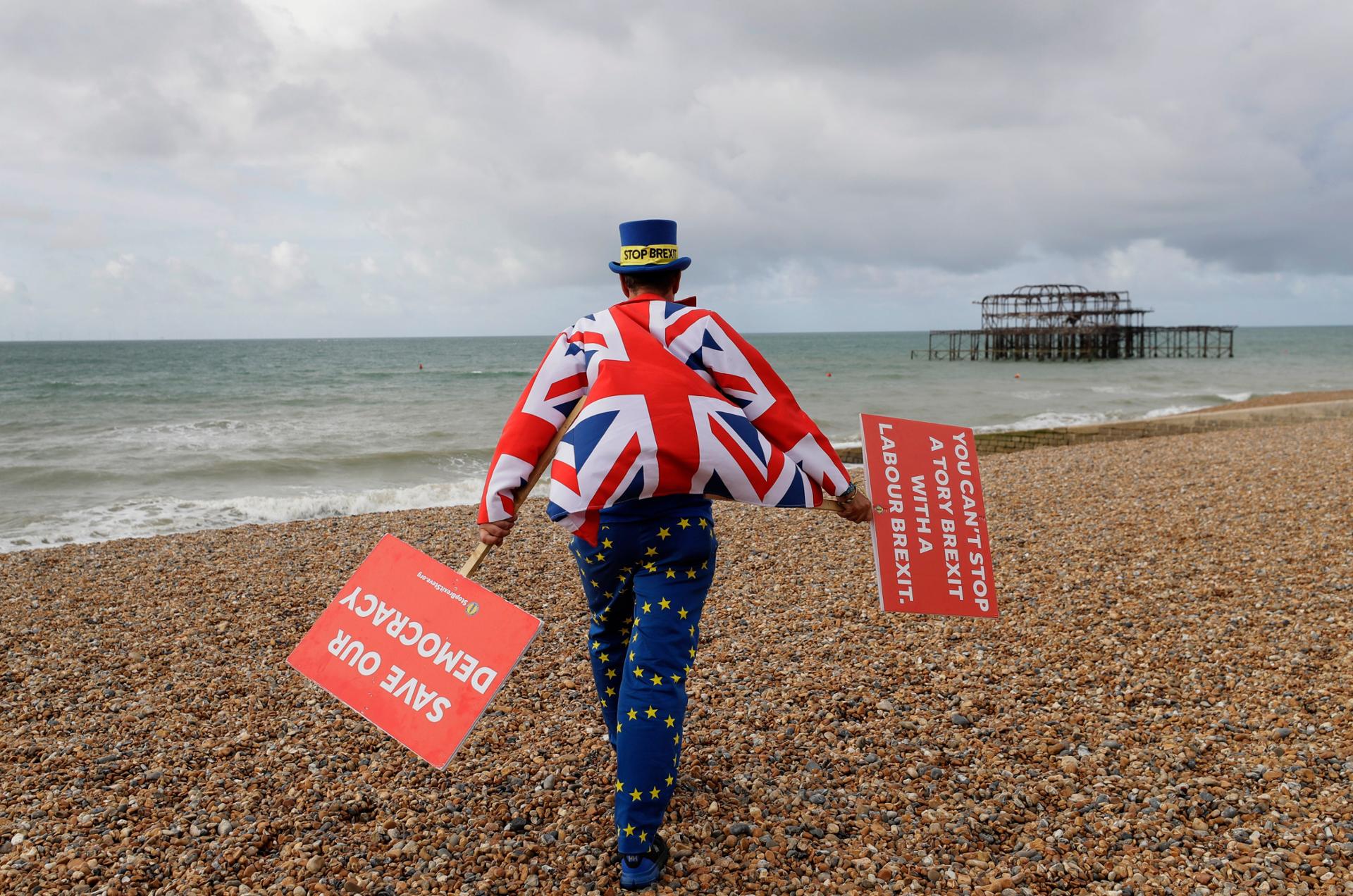
Anti Brexit campaigner Steve Bray walks on the beach to pose for a photograph during the Labour Party Conference at the Brighton Centre in Brighton, England, Monday, Sept. 23, 2019. AP-Yonhap
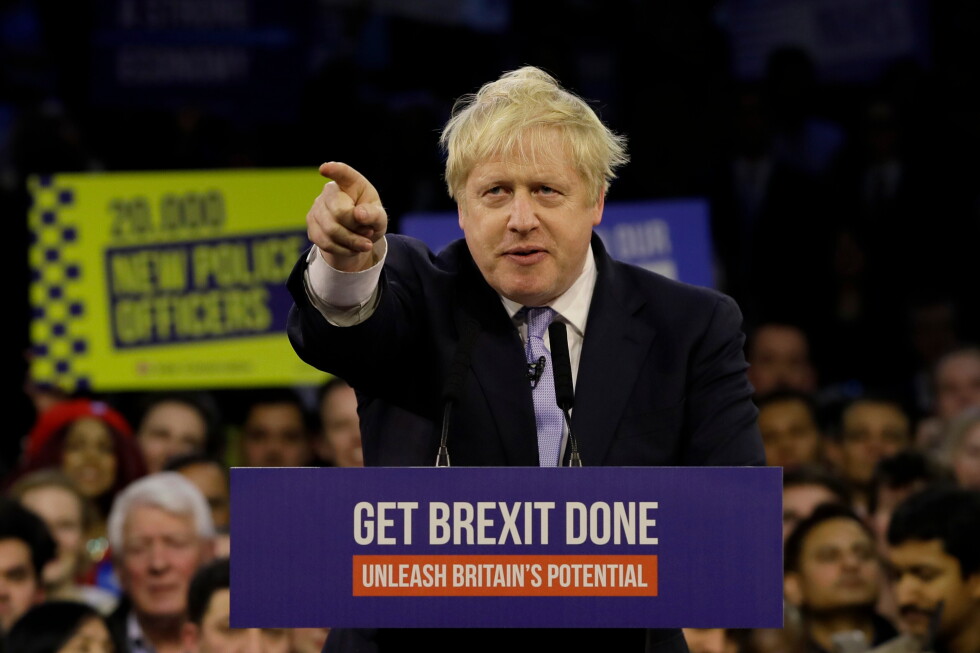
LONDON — Brexit fractured the European Union (EU), and broke British politics.
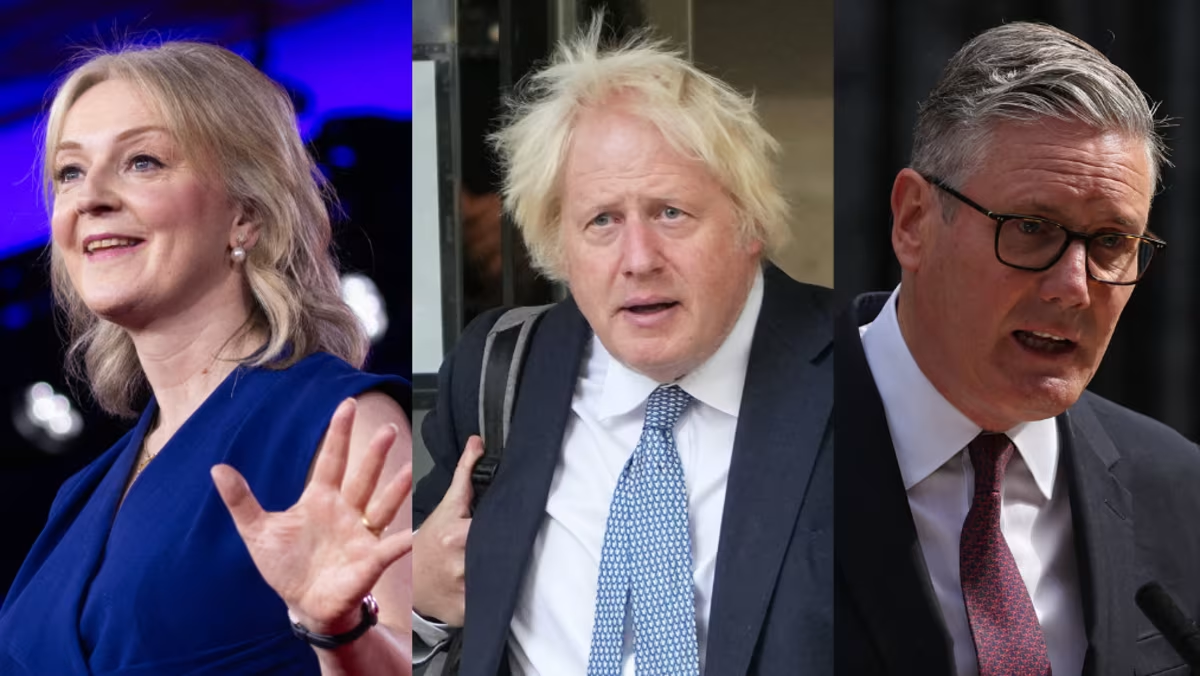
The U.K. is about to get its seventh prime minister since June 23, 2016, a decade ago Tuesday, when the country voted 52 percent to 48 percent to leave the EU after more than four decades of membership. Conservative Prime Minister David Cameron, who called the referendum but campaigned for the U.K. to stay in the bloc, quit the next day.
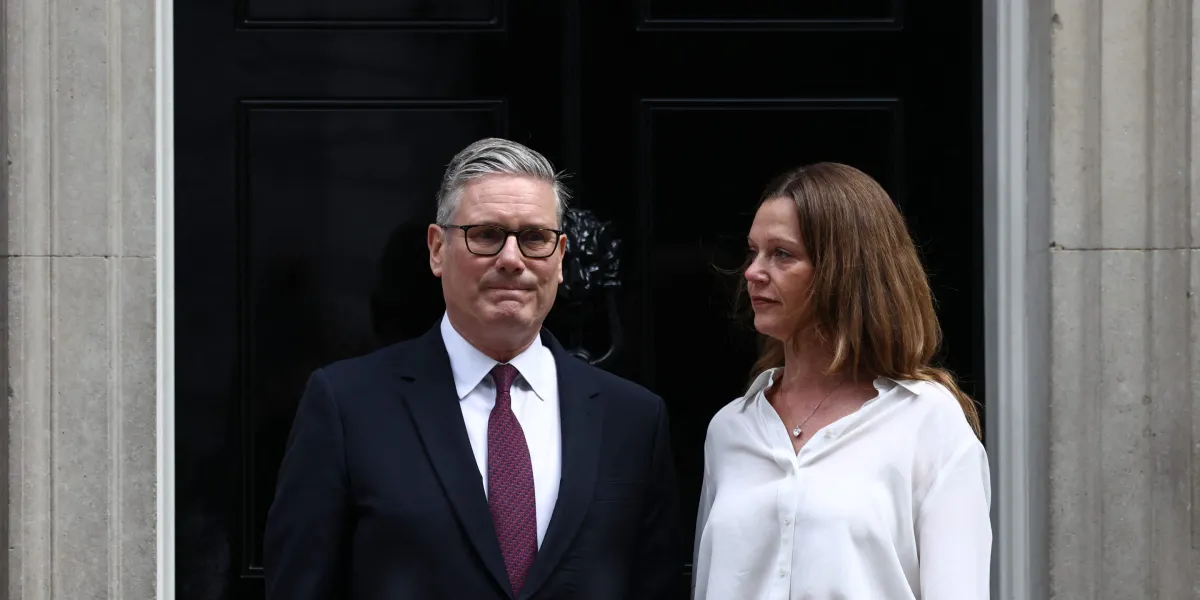
His successors have all grappled, largely unsuccessfully, with the consequences of that rupture. The latest is Labour Prime Minister Keir Starmer, who announced Monday that he was stepping down after two years of a sluggish economy, malfunctioning government and a divided and jaded electorate — all legacies, at least in part, of Brexit.
Though the decision has faded from headlines, “the subterranean trace of Brexit” still runs through Britain’s increasingly unruly politics, said Chris Grey, an academic who has studied the fallout from Britain’s EU departure.