Story audio is generated using AI
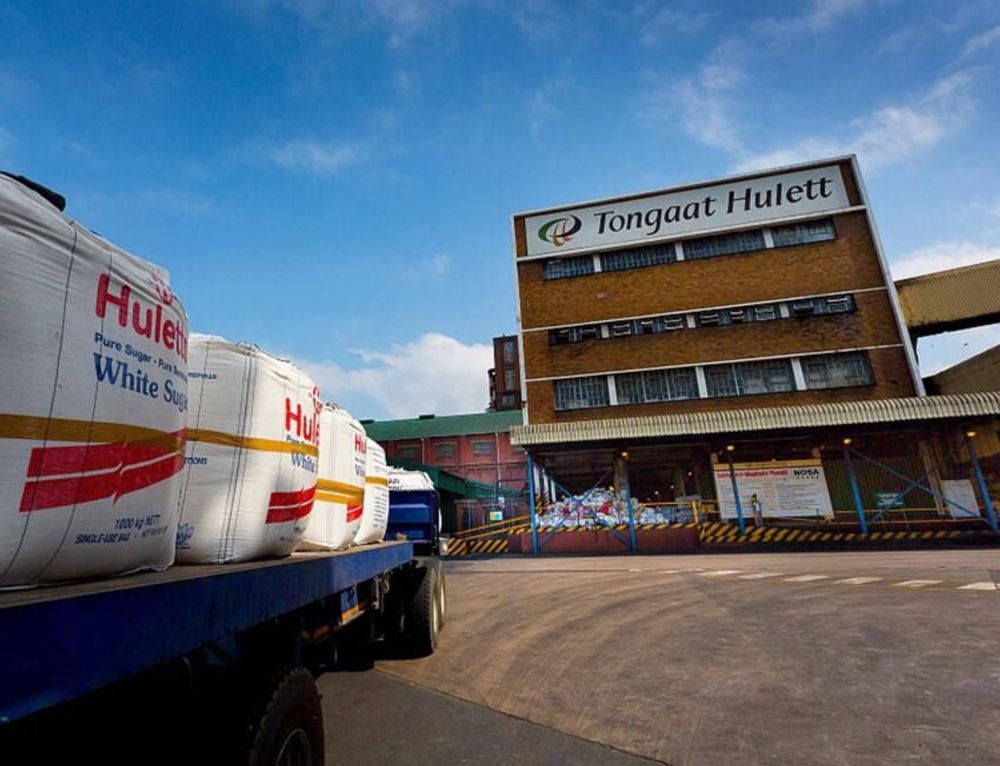
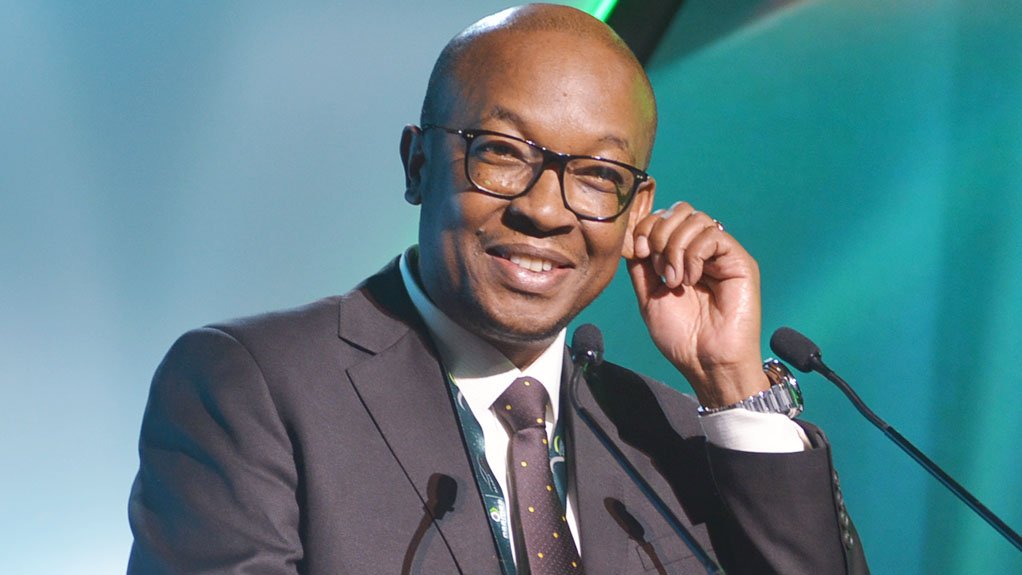
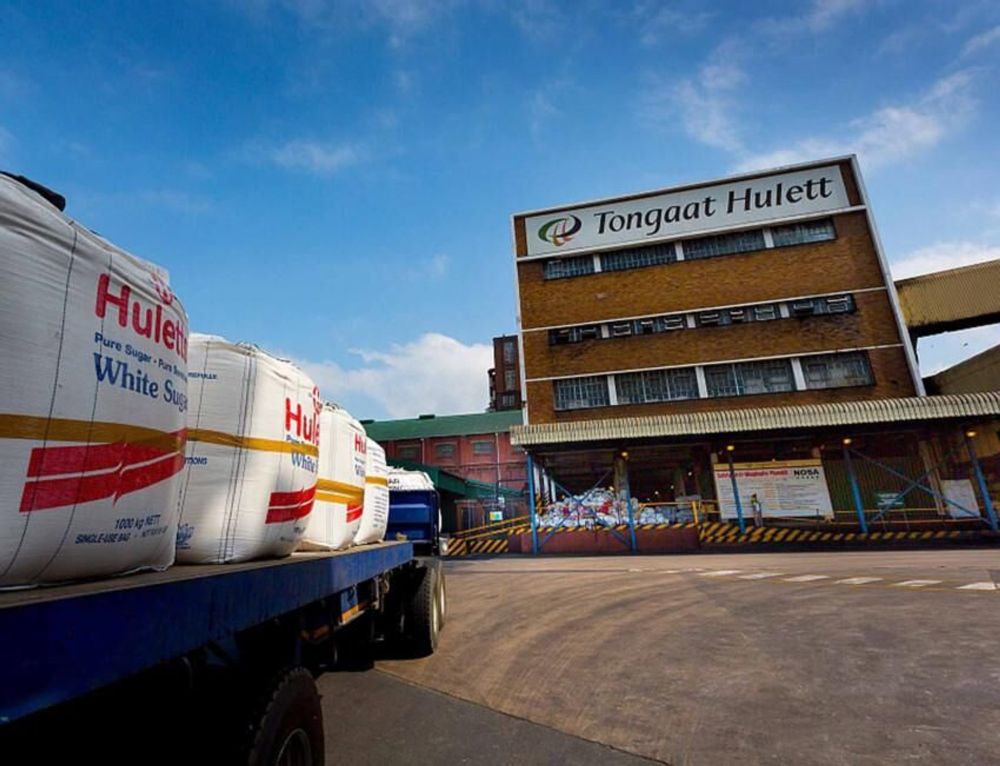
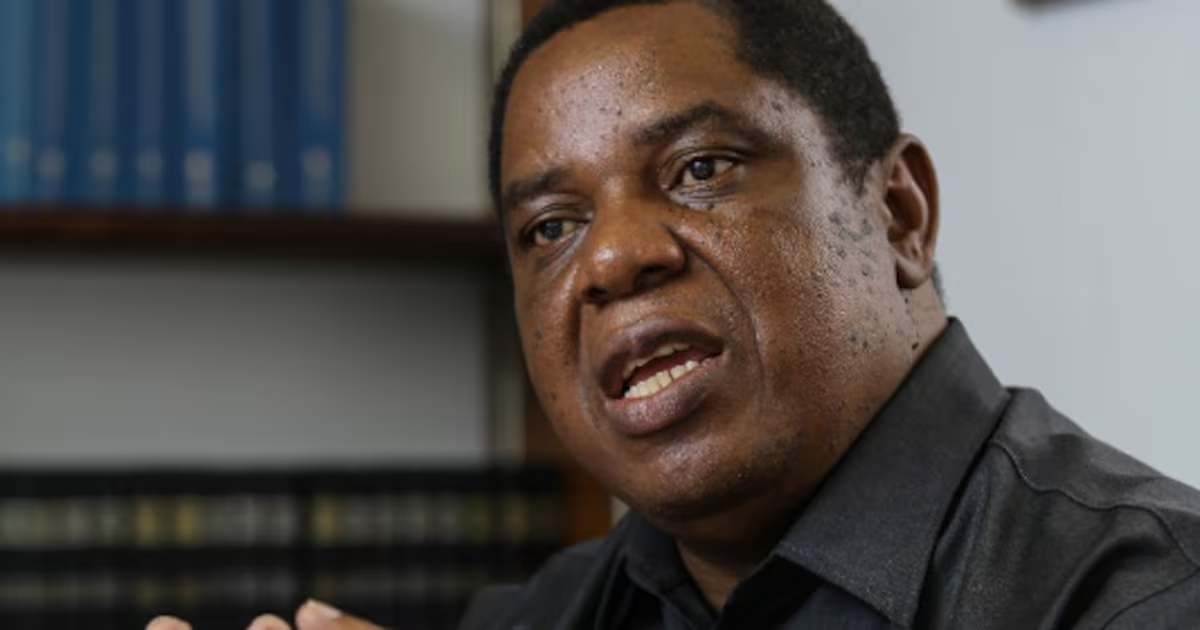
Vision Group, led by African industrialist Robert Gumede, will this week move to settle the remaining R75m owed to unsecured creditors of Tongaat Hulett as it advances the acquisition of the group’s assets.A sweeping restructuring is set to convert about R12bn in debt and R2.5bn in postcommencement funding into equity under a new agreement with the Industrial Development Corporation (IDC).The transaction, agreed last week, is viewed as a critical intervention for about 250,000 jobs linked to Tongaat’s broader value chain. Under the structure, the IDC will convert its R2.5bn exposure into equity, taking a stake across Tongaat’s regional operations in South Africa, Mozambique and Zimbabwe. Vision and the IDC support the turnaround of the new Vision Sugar assets. “This is a conversion of about R12bn in loans into equity. After the R75m is paid to unsecured creditors by the end of the week, the business will have no remaining debt attached to it,” Gumede said. WATCH | Robert Gumede on Vision Group’s plans for Tongaat Hulett:IDC-linked interests and Gumede’s Guma-aligned entities will hold about 68% of Tongaat, while in Zimbabwe Remoggo will control 65% of the operations, he said. The remaining Vision strategic shareholders, Almoiz and Terris Sugar, will own direct shares in all jurisdictions in the five-way partnership of Guma, Remoggo, the IDC, Almoiz and Terris Sugar.Last-minute interventionThe deal has put the transaction back on track, with completion expected within 90 days after Vision and the IDC resolved earlier differences. These had pushed the process towards liquidation before it was halted in a decisive intervention by the IDC board, led by its new chair, Gloria Serobe, with support from IDC management.The IDC reversed its earlier resistance as the revised agreement expands its equity exposure beyond South Africa into all jurisdictions where Tongaat operates. “The only remaining debt for Tongaat will be the R517m owed to the South African Sugar Association [Sasa], which will be repaid over five years,” Gumede said.Before entering business rescue in 2022, Tongaat Hulett was weighed down by debt estimated at R6.6bn-R11.7bn after years of heavy leverage and the fallout from a 2019 alleged accounting fraud scandal involving the then senior management team.Former directors have since been criminally charged, though the case has progressed slowly through the courts.The scandal triggered a R12bn writedown, exposing the depth of the balance sheet strain that ultimately forced the group into business rescue.Vision’s R12bn debt-to-equity conversion will see all Tongaat assets transferred into Vision Sugar when the restructuring takes effect, while suppliers shift onto new contractual arrangements away from cash-based terms. While the risk of liquidation has been removed, imports remain a pressure point on profitability, particularly in South Africa, where tariff dynamics continue to weigh on the sector.“It’s only in South Africa where, unfortunately, our government has not yet closed the loophole on the imports of highly subsidised cheap foreign sugar from the likes of Brazil and Thailand,” he said.Gumede said the challenge with imports is that they are undermining the sector’s ability to sustain and create jobs. The industry cannot maintain or create more jobs if the issue of cheap foreign sugar imports is not resolved. Tongaat Hulett’s Zimbabwe operations are delivering stronger margins due to the absence of sugar dumping after an agreement reached between the government and Vision, he said.“Three weeks ago, another 100,000 tonnes were dumped in Cape Town. We need the department of trade, industry & competition, the Treasury and parliamentary portfolio committees to support the relevant ministers in ensuring that the International Trade Administration Commission of South Africa [Itac] and Sasa take action to stop the dumping of cheap sugar,” he said.Additionally, Vision and the IDC have vowed their commitment to diversifying Tongaat Hulett’s South African operations into agriculture, energy, carbon-related initiatives, biofuels and electricity generation — a shift expected to create thousands of additional jobs across the value chain.