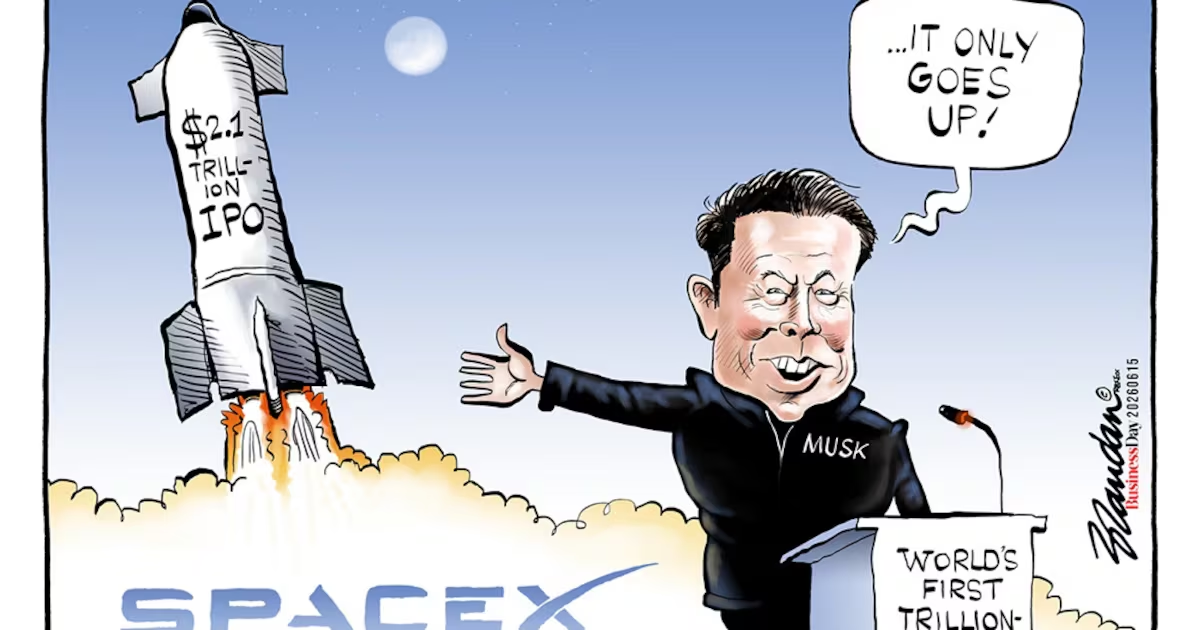
Nearly one billion people are extremely poor. Elon Musk, the world’s first trillionaire, could give each of them $1,000 — more than a year’s income for most of them — and he would still be mega rich. Conversely, many investors would want their savings managed by someone with a record like Musk’s. Through performance incentives such a money manager would become, like Warren Buffett, extremely wealthy. However, Musk isn’t motivated by capital accumulation. He is a problem-solver focused on benefiting humanity.Once Tesla overcame the range anxiety deterring wide adoption of electric cars about a decade ago, reliance on fossil fuels could be sharply reduced. Musk has accelerated the adoption of solar panels, but a rapid transition from hydrocarbons would have required a major build-out of nuclear power stations. This didn’t happen, because voters, like humans generally, are highly emotive with a strong desire for group approval. Most people have little appetite for assessing complicated risk trade-offs or emerging possibilities.Despite its already being able to greatly expand our grasp of complex issues, very few of us use AI to, for example, broadly understand Eskom’s challenges. Instead, investors are willing to bet heavily on Musk and other tech titans based on much scrutiny of their past and current ventures. Musk’s alternative to building many nuclear power plants on earth is orbital data centres. These would have been prohibitively expensive if Musk had not also gambled on building re-usable rockets.Extraordinary challenges require that extraordinary solutions be developed and implemented by extraordinary people. Meanwhile, many ordinary people want to constrain mavericks and redistribute the wealth, and thus the influence, of tech billionaires. However, reining in the CEO of a boldly ambitious company can increase risks while limiting returns and broad societal benefits.People born in the middle of Africa far from rivers or paved roads have always lacked upliftment paths. Subsistence farming is the region’s primary activity, and accumulating livestock remains central to household savings. Saving sufficiently to invest in crop production and survive crop failures gets harder as farm sizes decline generationally. Over-farming is common, and upliftment launchpads are lacking.In 1980 about 40% of the global population was extremely poor and more than 70% of these people lived in Asia. Today, less than 10% of people live in extreme poverty and 70% of them live in Africa. Meanwhile, as the populations of affluent countries shrink, Africa’s share of global births, currently 35%, ratchets higher. In 1980 about 40% of the global population was extremely poor and more than 70% of these people lived in Asia. Today, less than 10% of people live in extreme poverty and 70% of them live in Africa. The rise of Asia was fuelled by blending low-cost labour with industrial productivity. Western governments chose not to protect their workers as the jobs that went to Asia were harsh and the cost savings for Western consumers were profound. As the regions’ governments adopted pro-business policies, poverty plunged across Asia.Pro-business African countries must now leverage labour cost competitiveness with AI-supported solutions to digitally integrate into the global economy. The volume of underutilised youth labour in Africa is too large to ignore, as entrepreneurs can now design jobs that create value, which high-income consumers will pay for. A few will get rich, and many more will escape poverty as possibilities will no longer be limited by access to land and distance to markets. This will require that remote homes and villages have low-cost internet connectivity, such as Starlink provides. As growth in the service sectors of the global economy continues to sharply outpace manufacturing growth, affluent and ageing consumer markets will want AI-enhanced services packaged with various forms of personalised support. As relatively soon four out of 10 births will be in Africa, and as new digitally delivered service jobs are invented, much of Africa will, finally, integrate meaningfully into the global economy. These jobs will be created by tech billionaires bridging geographic barriers so more African entrepreneurs can build exciting companies. Transferring wealth to healthy young adults buys votes while entrenching poverty. As with the rise of Asia, surging employment requires commercial paths that expand global ties. • Hagedorn is an independent strategy adviser.
SHAWN HAGEDORN | One trillionaire and a billion poor people
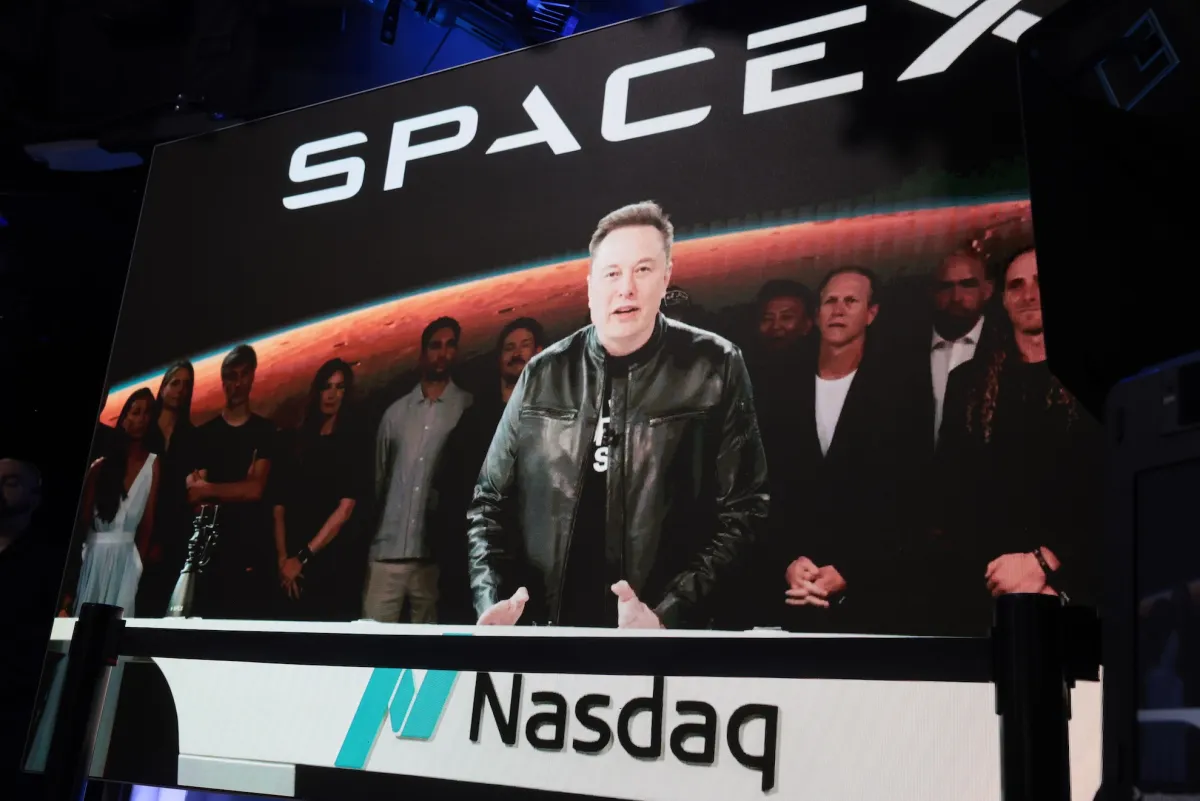
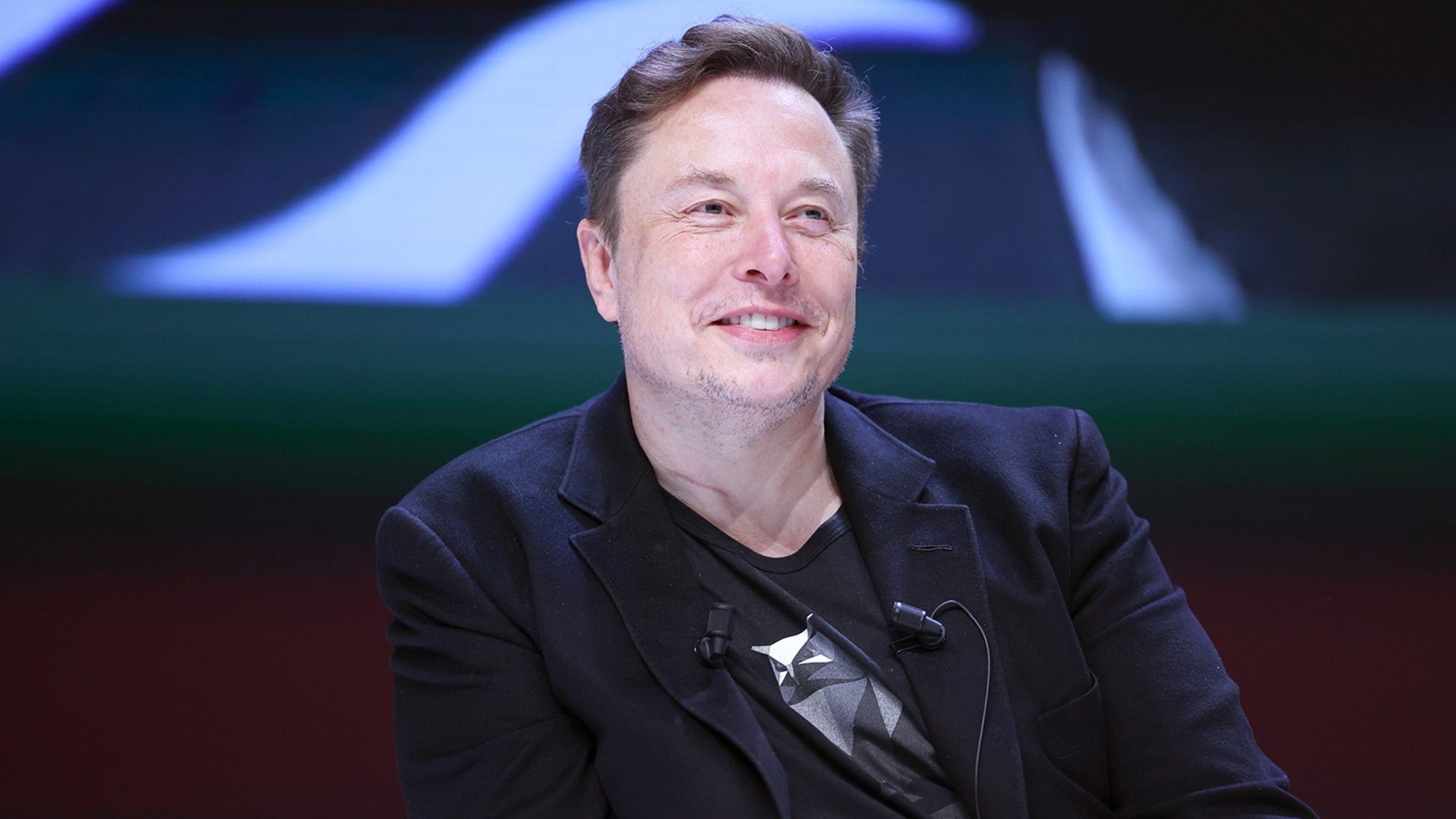
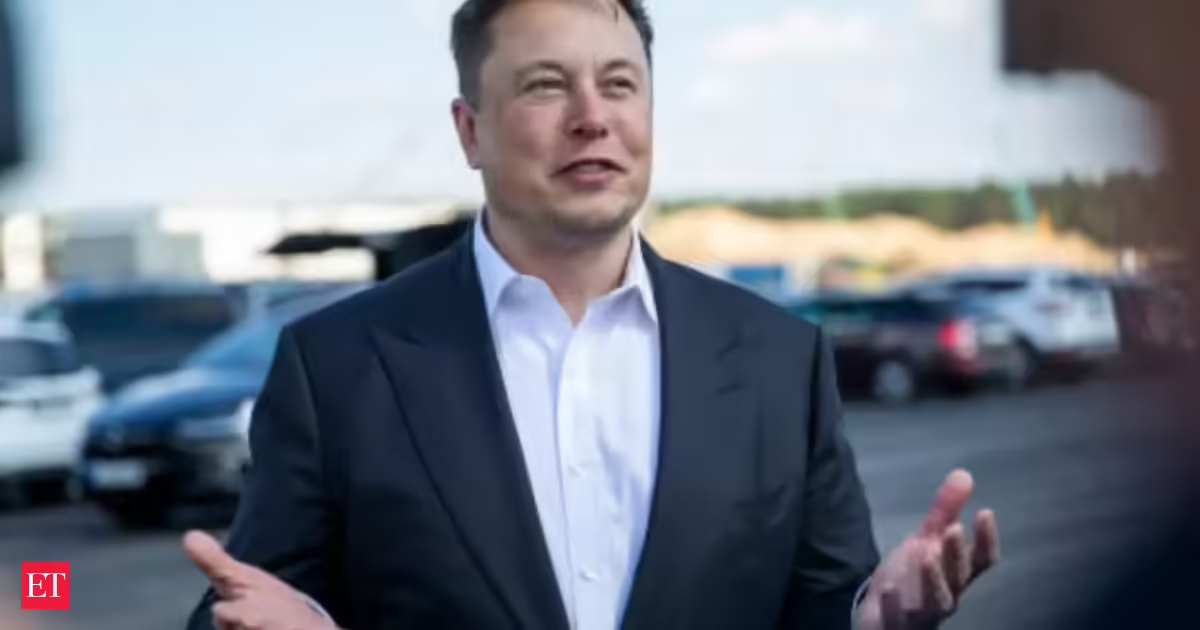
SpaceX boss Elon Musk’s vision of orbital data centres and low-cost internet connectivity via Starlink can lift millions out of poverty in Africa
692 words~3 min read