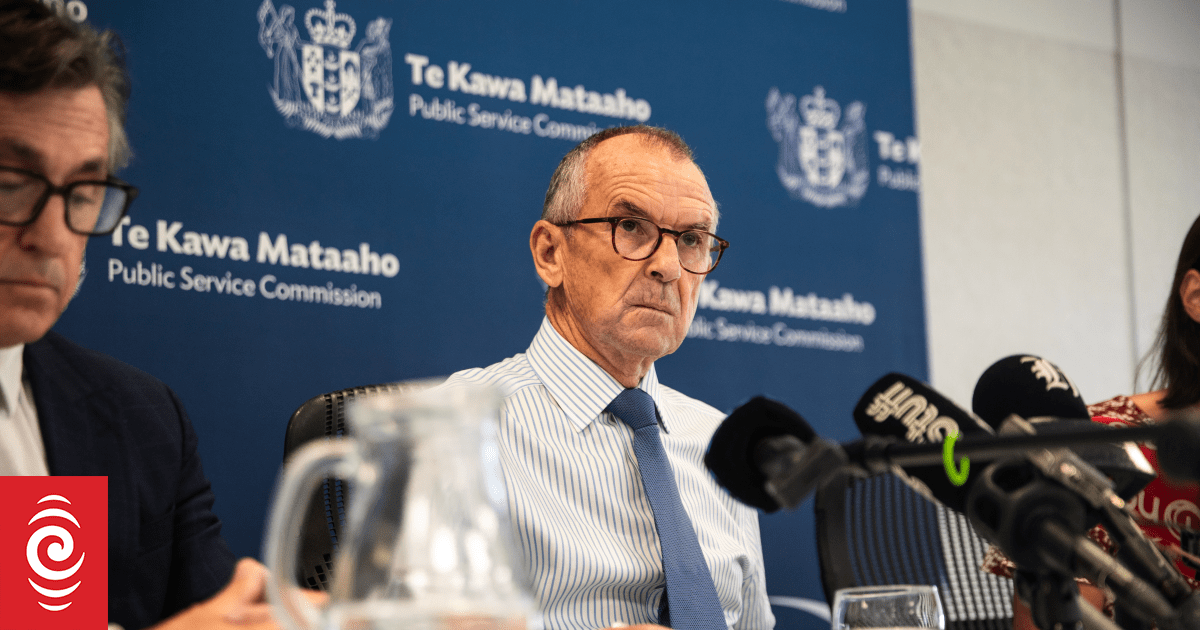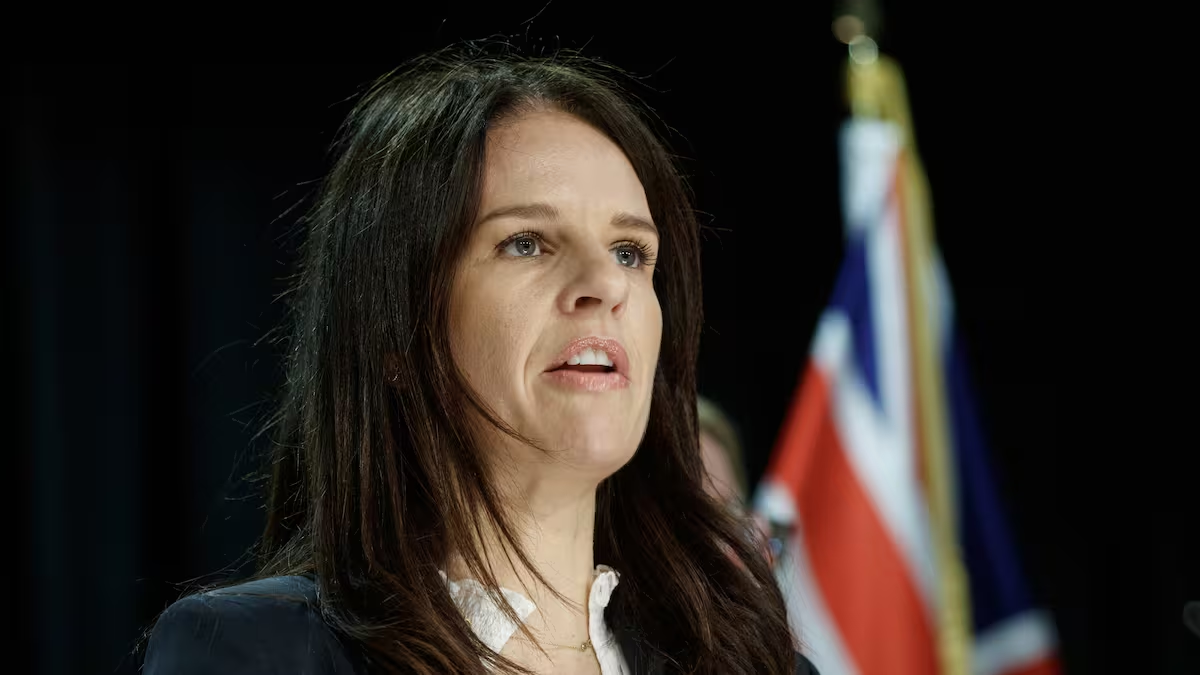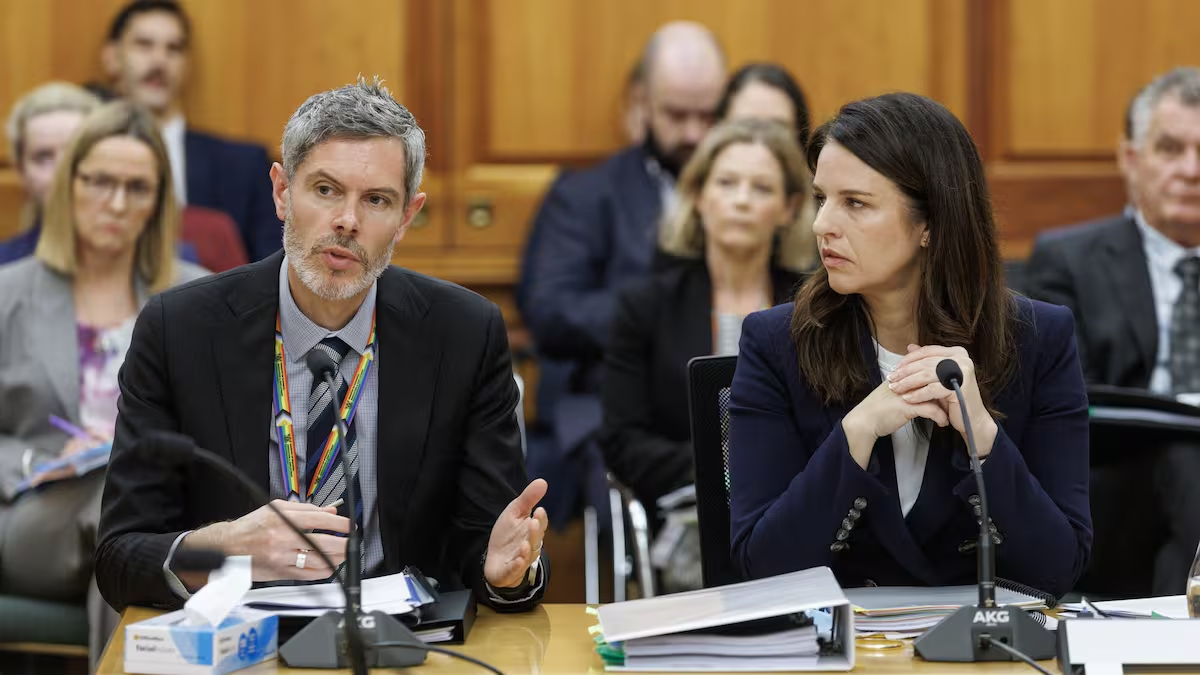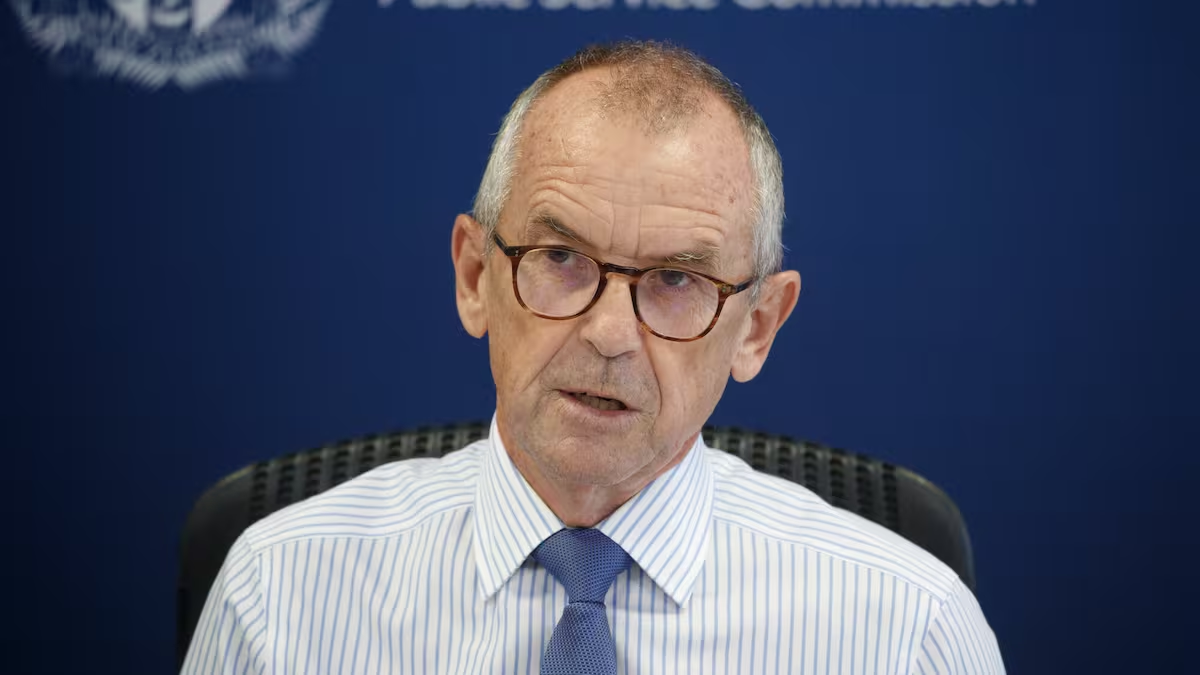
Immigration Minister Erica Stanford says it's now up to the Public Service Commissioner to determine whether government officials misled Parliament about a failed, multi-million dollar IT project.Commissioner Sir Brian Roche has laid out the terms of reference for an inquiry into the conduct of Ministry of Business, Innovation and Employment (MBIE) staff linked to a failed $35 million IT project.Sir Brian has appointed Michael Heron KC to head the inquiry which will look into what advice MBIE gave Minister, what they knew about the project, and claims around "creative accounting" relating the Biometric Capability Update (BCU) project.In a statement, Sir Brian said the inquiry is important and "goes to the trust and confidence of ministers who must be able to rely on advice they receive from officials"."The conduct and integrity of public servants is fundamental to the trust and confidence New Zealanders have in the public service."In a statement to RNZ, MBIE said that "while the terms of reference have now been released, the questions raised are now subject to the Public Service Commission's independent inquiry, led by Michael Heron KC"."MBIE will cooperate fully with that process, but it is not appropriate for us to comment further at this time."Michael Heron KC.RNZ / Samuel RillstoneThe inquiry comes after Immigration Minister Erica Stanford last week mounted a scathing takedown of her ministry and said officials "deliberately withheld" information from her and the previous Labour government about a failed tech upgrade while scrutiny around it grew. This follows earlier revelations about the project.It also comes as RNZ revealed the now-retired head of Immigration NZ - MBIE's then-deputy chief executive Alison McDonald, did not tell Parliament three months ago at a select committee hearing that the project had been scrapped.MBIE chief executive Nic Blakeley, who has apologised to MPs on behalf of the organisation and taken accountability for the errors, was present at the select committee hearing last week.'Not going to pass judgement'- StanfordErica Stanford told media she was "not going to pass judgement" and it was now up to the Public Service Commissioner to determine if the staff and officials linked to the project were being misleading."It's very, very serious if they have, but before I make any judgements about whether or not that was misleading, I need the full information about what was said and why it was said.""The only thing I know is that there were a lot of negotiations going on with the vendor at the time that were very commercially sensitive, but I've got to go back and look and see what was said. I don't want to pass any judgements over whether or not it was misleading, because I need to go back and look at the transcripts."Asked if she still had confidence in Blakely, Stanford said he had only been in the job for a few months and "most of the people" that worked on the project were no longer there."He is now tasked with making sure that the culture within MBIE is good and that the new leadership is strong, so that we can avoid this happening in the future.""He's been MBIE for a long time, but he wasn't involved in this project. He was on the policy side, so it's not like he was working on this project. He is now working hard to make sure that that culture within MBIE is where it needs to be."'You've got to be very careful here'- HipkinsLabour leader Chris Hipkins and health spokesperson Dr Ayesha Verrall promise to reinstate universal free prescriptions if elected.RNZ / Baz MacdonaldLabour Leader Chris Hipkins said there were consequences to deliberately misleading Parliament, but Blakeley losing his job was not up to Parliament."You've got to be very careful here. The question of consequences for any individuals involved either sits with the department chief executive, or where it is the department chief executive whose actions are in question, it sits with the Public Service Commissioner and no politician should be determining what happens in those situations.""There's an apolitical process to determine that, but a finding around contempt of parliament would certainly be material, and that's something that the Public Service Commission would need to consider."Hipkins said he had seen no evidence that the issue had "further spread"."Everybody involved, every minister from successive governments, has a right to feel very, very disappointed by what has unfolded here, and so it is important that we get to the bottom of it." he said.Inquiry could take several months to completeSir Brian said he was pleased to appoint Heron to conduct the inquiry, calling him a "respected barrister and former solicitor-general"'.'He has extensive legal experience and has been involved in a number of independent investigations for government agencies,' Sir Brian said.Heron, alongside barrister Jane Barrow, will investigate and report back to the public service commissioner on:what advice MBIE gave ministers - how it was prepared, approved, what it said, when it was given, and whether it was consistentwhat MBIE knew, or should have known, about the project at the time, and whether this matched the advice given to ministers and agencieswhether MBIE's actions met the Public Service Code of Conduct, public service principles, and Cabinet Manual guidance, including the 'no surprises' principleclaims of 'creative accounting', and whether MBIE's investment decisions followed Cabinet rules and guidancewhat may have led to any deficiencies in MBIE's advice - including organisational, governance, cultural or system issues, or external pressuresconcerns raised about the project, how MBIE handled them, and whether the response was appropriatehow MBIE handled its independent review - including the advice given to ministers and when the final report was sharedany other matters needed to meet the purpose of the inquiry.The Public Service Act gives the commissioner powers to support the investigation, including getting information from the agency being investigated. Under the Inquiries Act, the commissioner can also summon witnesses, former employees and people outside the public service.The inquiry is likely to take several months to complete due to the "serious nature of these allegations, the complexity of the inquiry and the need to meet procedural fairness requirements".
Public service commissioner outlines scope of IT upgrade inquiry
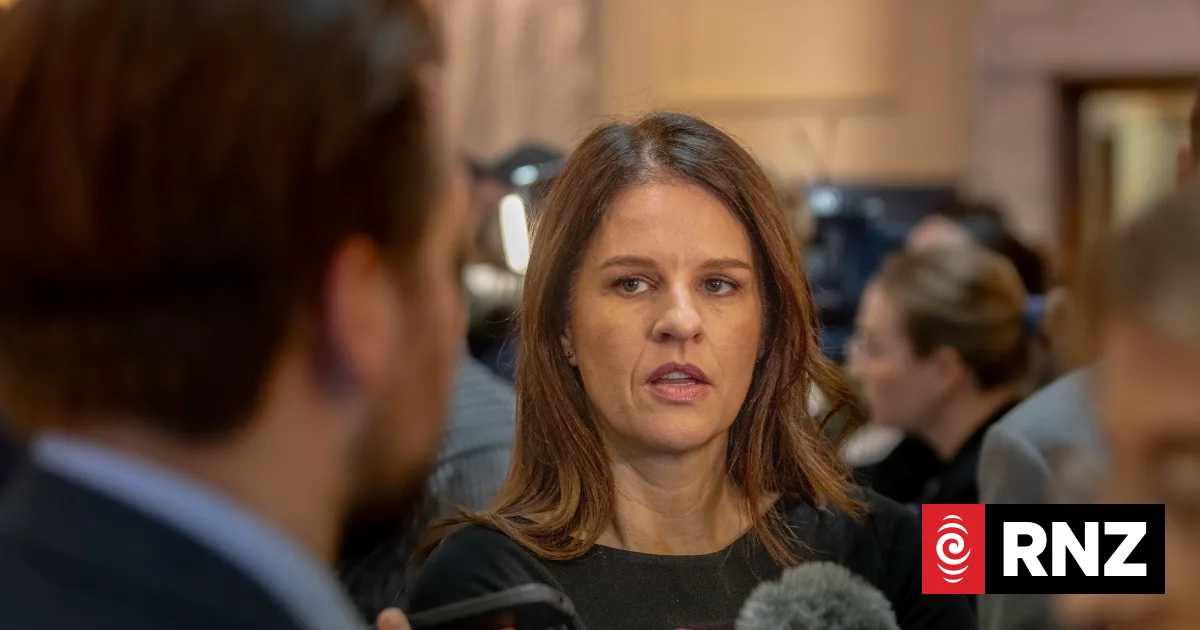
Immigration Minister Erica Stanford says it's now up to the Public Service Commissioner to determine whether government officials misled Parliament about a failed, multi-million dollar IT project.
1,008 words~5 min read