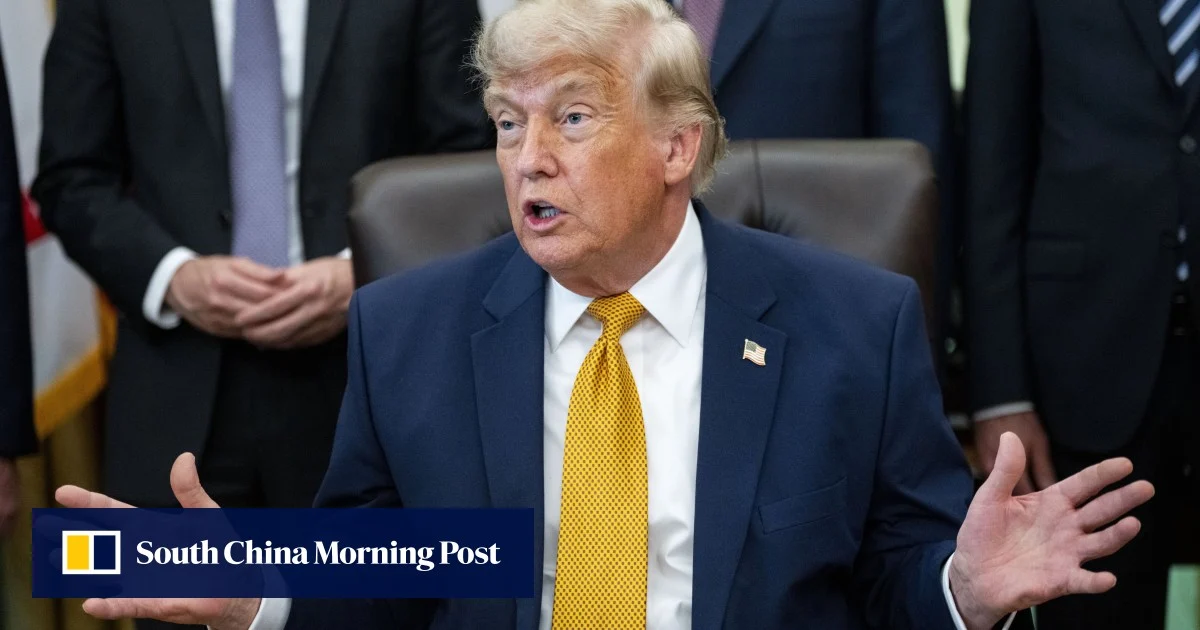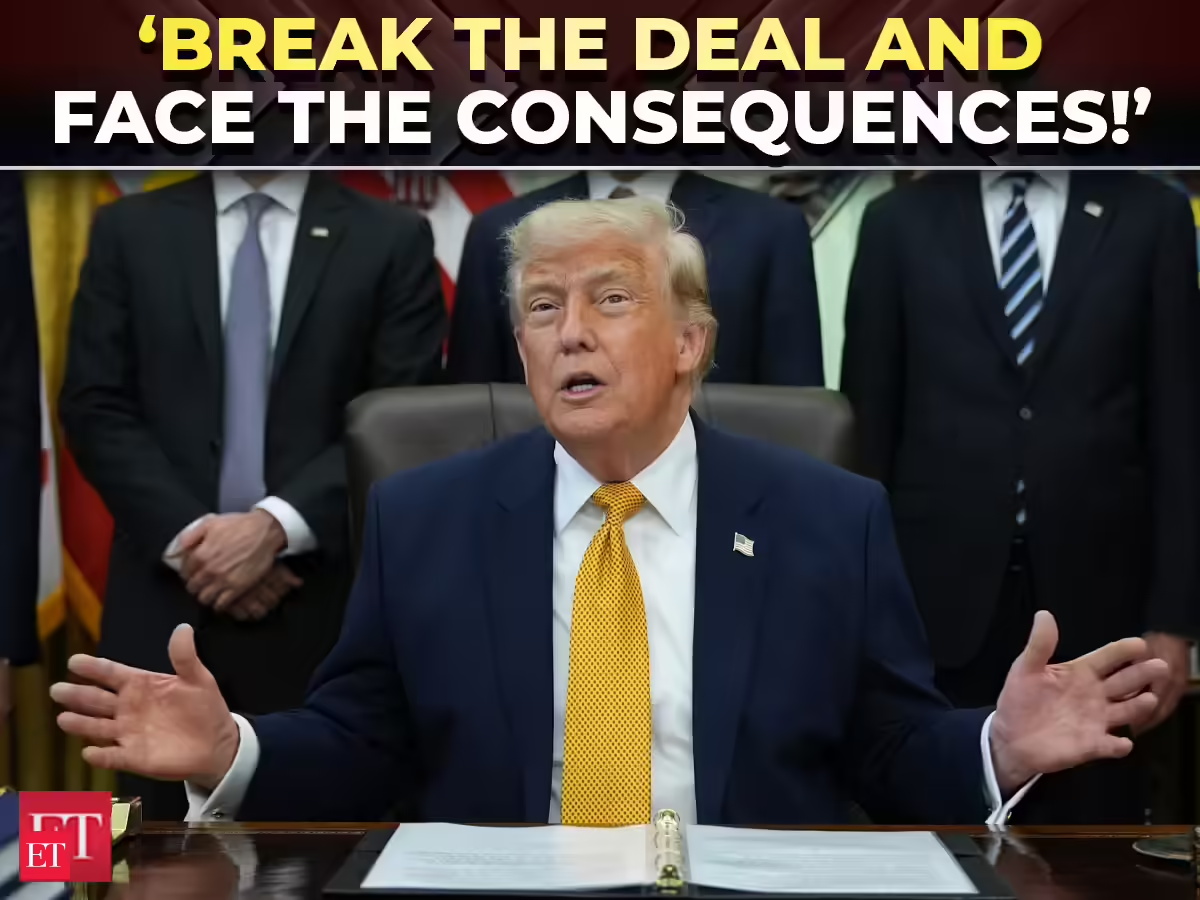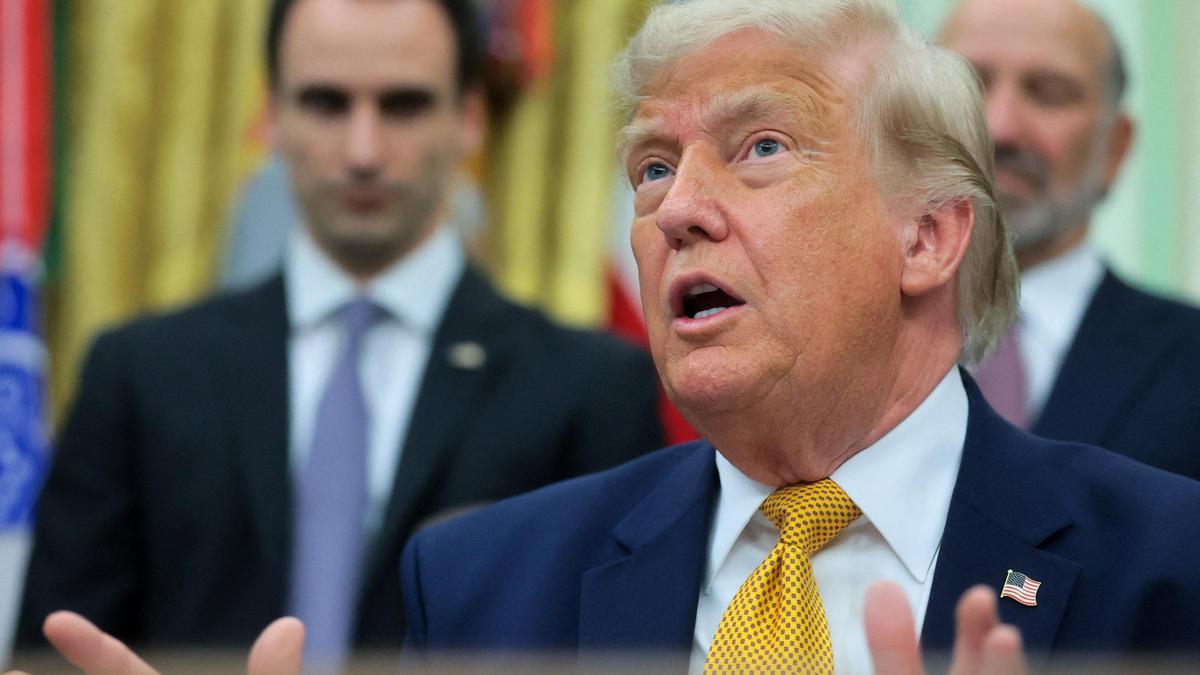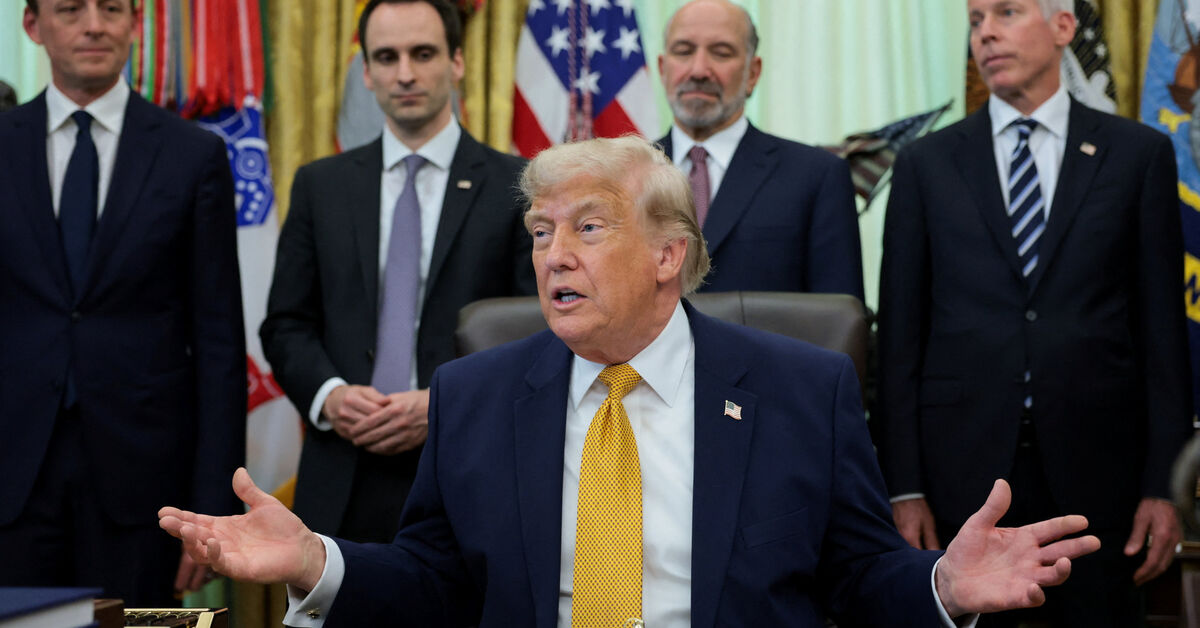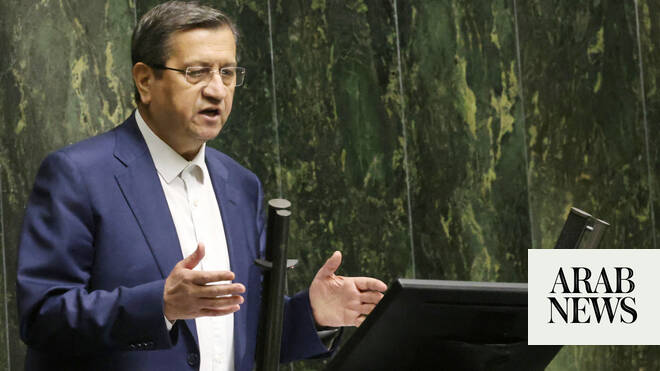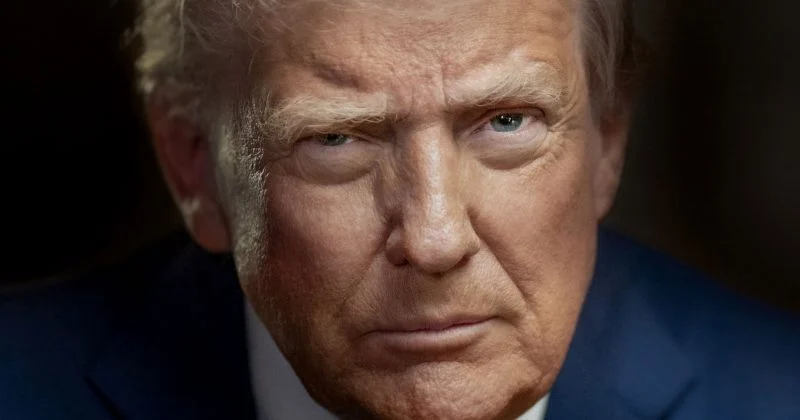
WASHINGTON, - U.S. President Donald Trump said on Monday "I will do what I have to do" if Iran does not stick to its agreement with Washington."If Iran doesn't live up to their agreement, or if they're not behaving, I will do what I have to do," Trump told reporters.Trump and Iranian President Masoud Pezeshkian signed an interim U.S.-Iran deal last week, more than three months after the U.S. and Israel attacked Iran and Iran responded with its own attacks on Israel and Gulf states with U.S. bases.Trump said on Monday Iran was supposed to use the money being unfrozen to buy food exclusively from the United States while Iran's semi-official Tasnim news agency cited Iranian central bank governor Abdolnaser Hemmati saying that Tehran is under no obligation to purchase agricultural inputs from the U.S. under the current memorandum of understanding."All that money's coming back in the form of purchases of food which they desperately need. They have 91 million people, they can't feed them. So, the money that we lift is going to go to our farmers," Trump asserted. Hemmati said the remaining frozen funds will not necessarily be used solely for essential goods and could be sent to purchase other non-sanctioned goods, Tasnim reported.U.S.-Israeli attacks on Iran and Israeli strikes in Lebanon have killed thousands and displaced millions. The Iran war has also shaken markets around the world and raised global oil prices.
'I will do what I have to do' if Iran does not stick to deal: Trump
President Trump warned Iran of unspecified actions if it fails to uphold its agreement with Washington, particularly regarding the use of unfrozen funds. Trump stated the money is intended for U.S. agricultural purchases to feed Iran's population. However, Iran's central bank governor countered that Tehran is not obligated to buy exclusively from the U.S. and can use funds for other non-sanctioned goods.
TL;DRAI
Trump signed an interim Iran deal conditioning fund release on U.S. agricultural purchases, threatening action if breached; Tehran disputes the obligation. Geopolitical escalation increases oil price volatility and supply chain risk for enterprises managing global operations.
235 words~1 min read