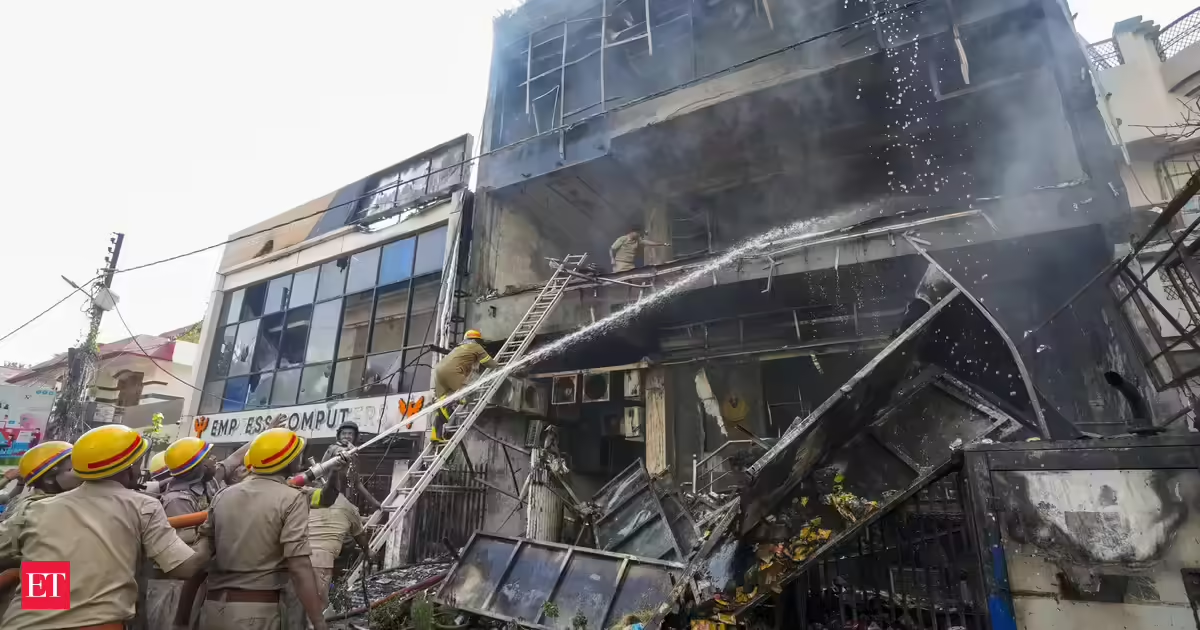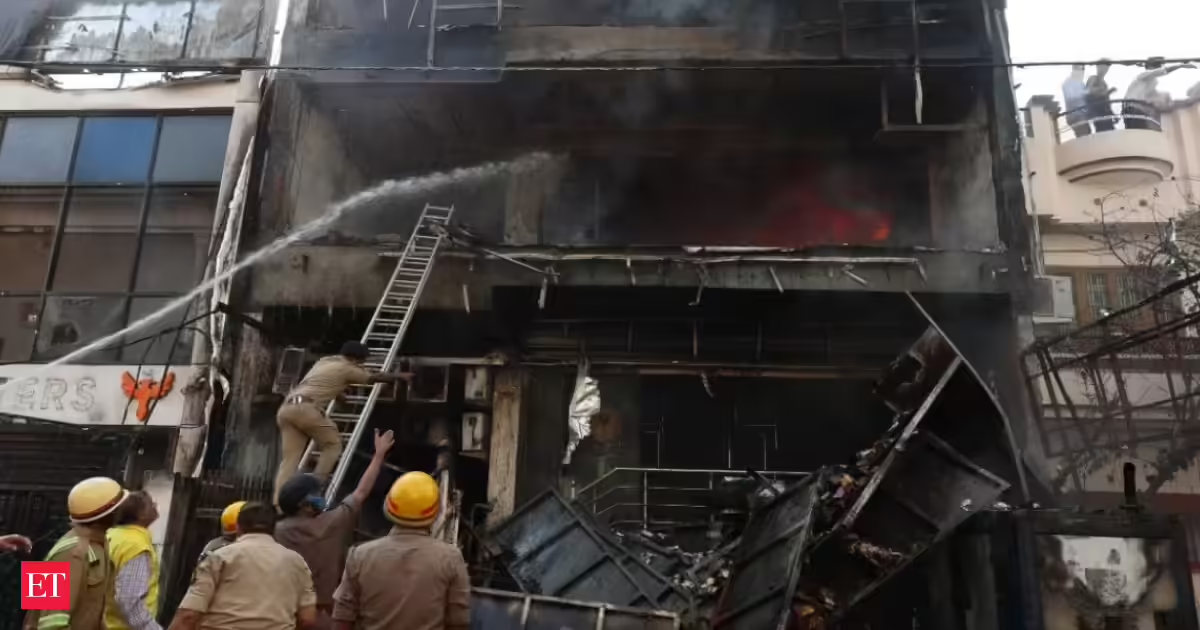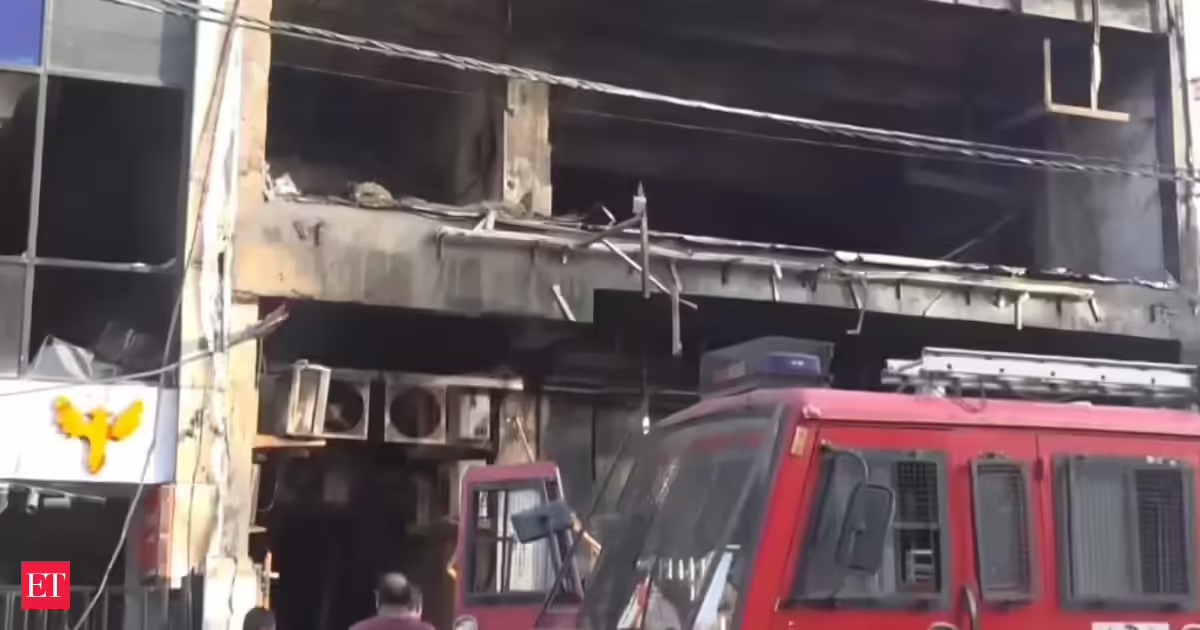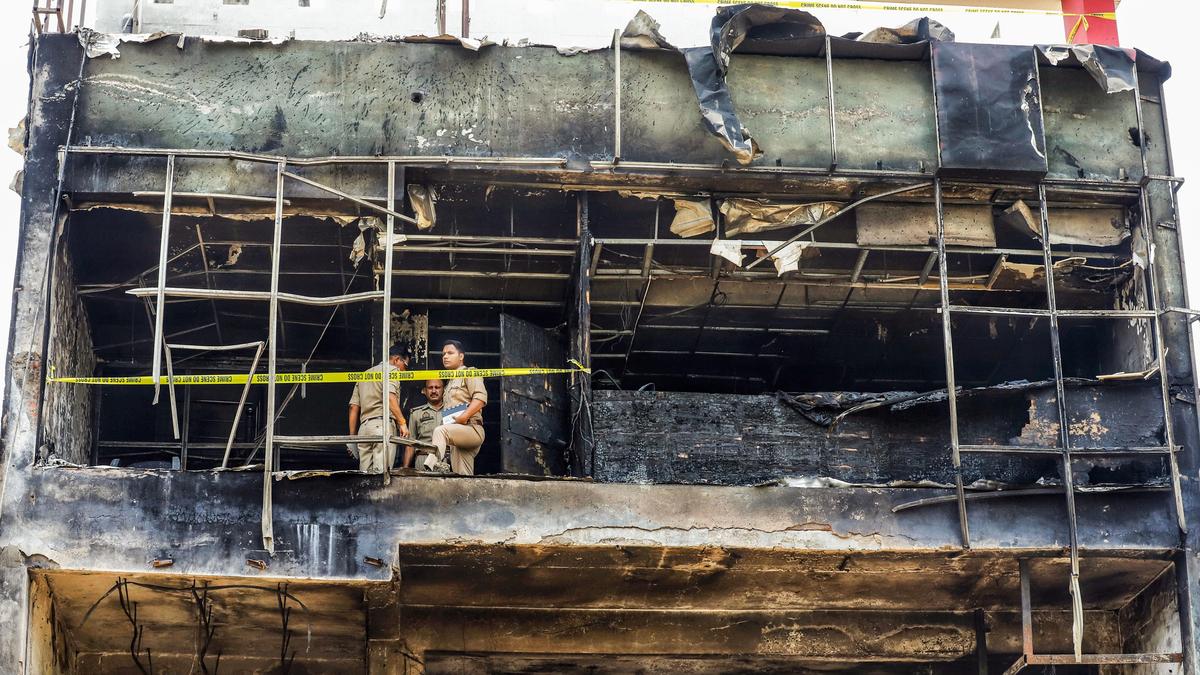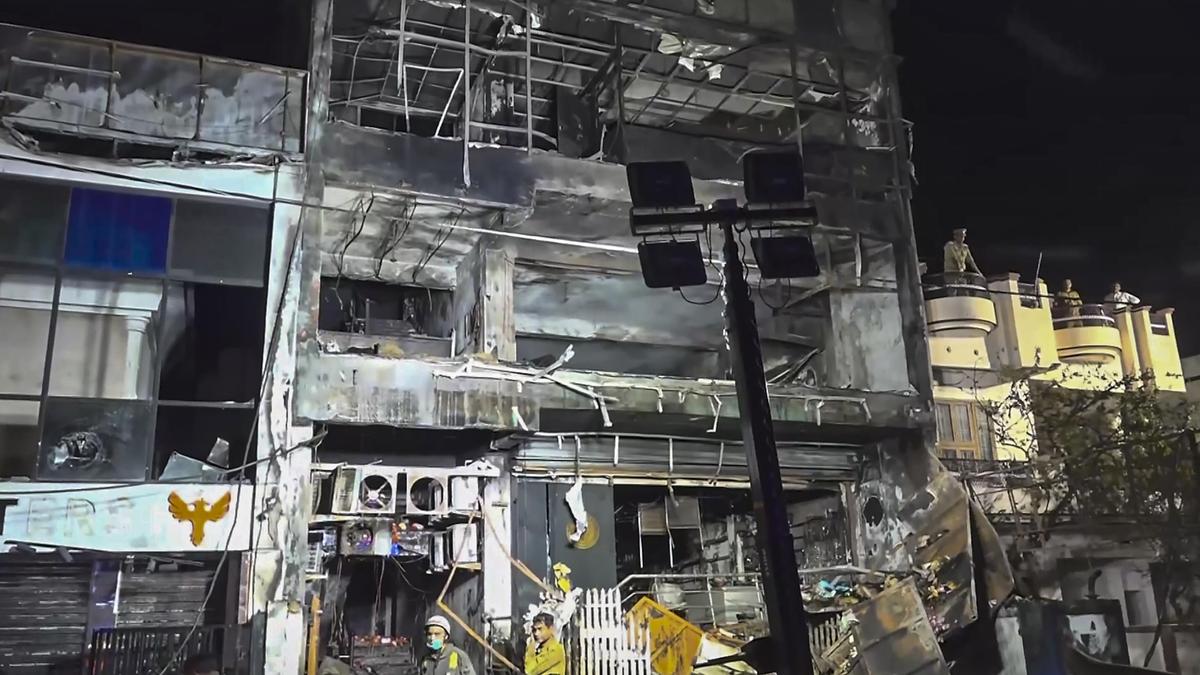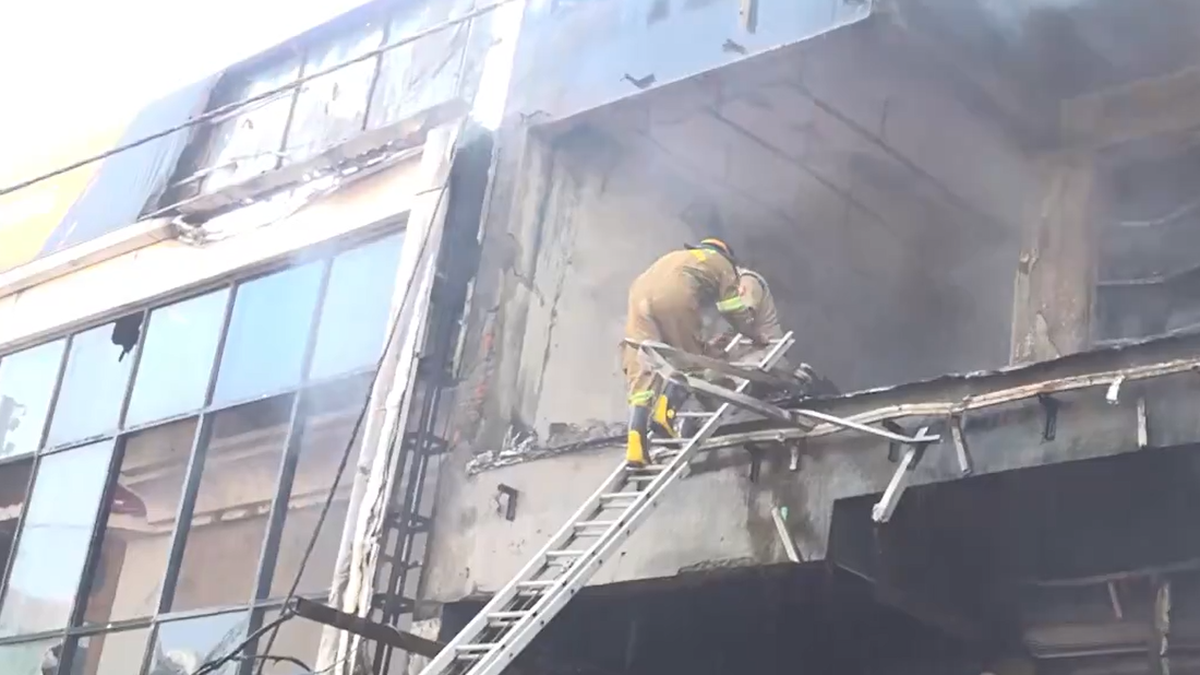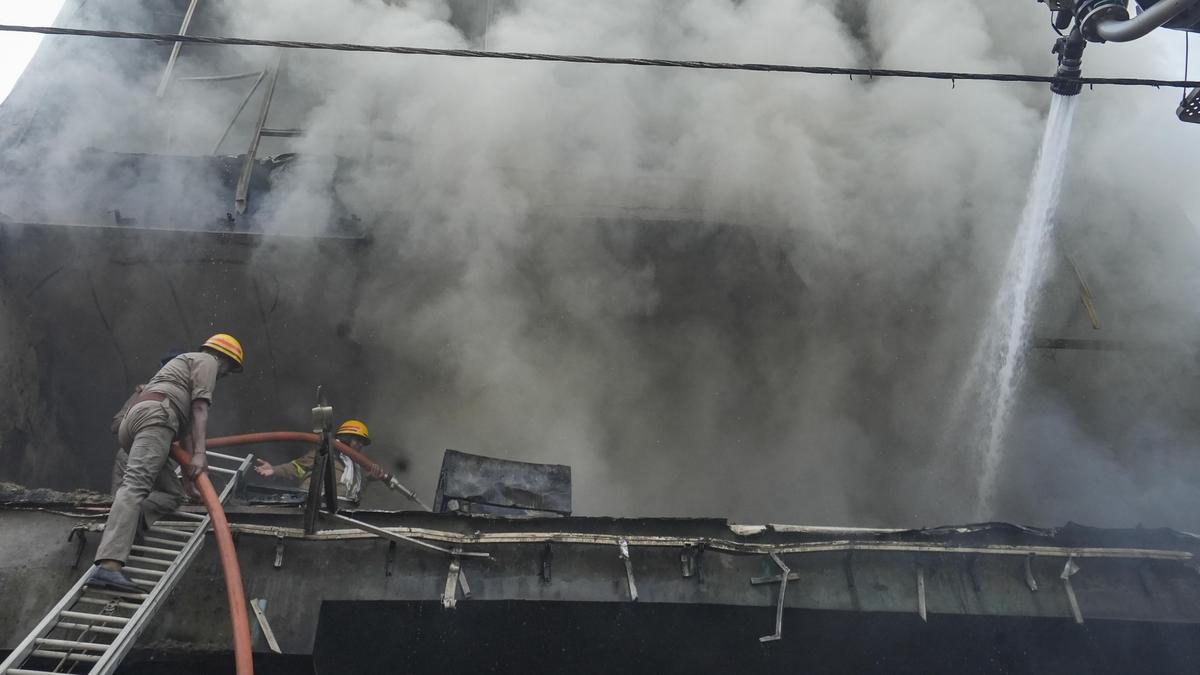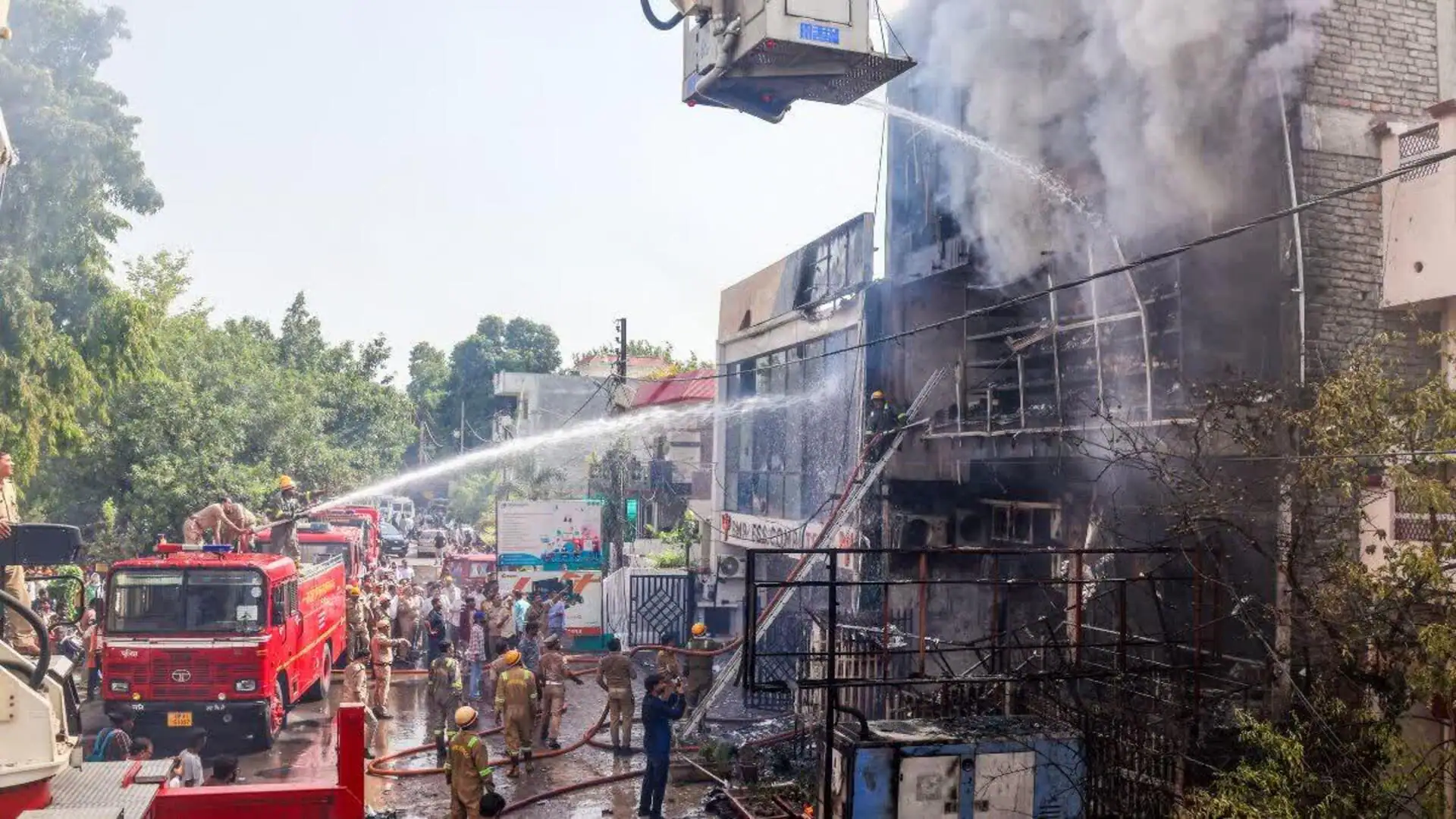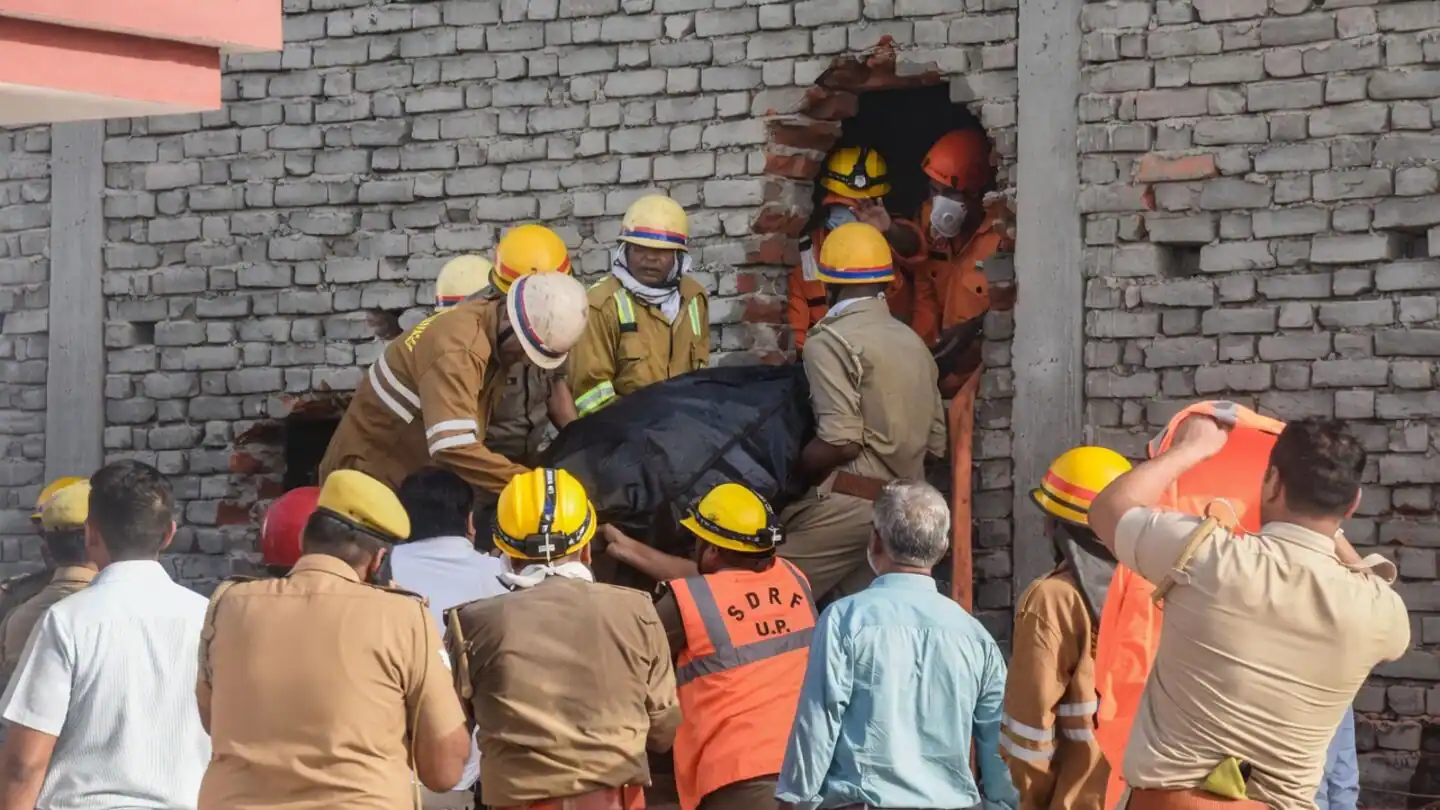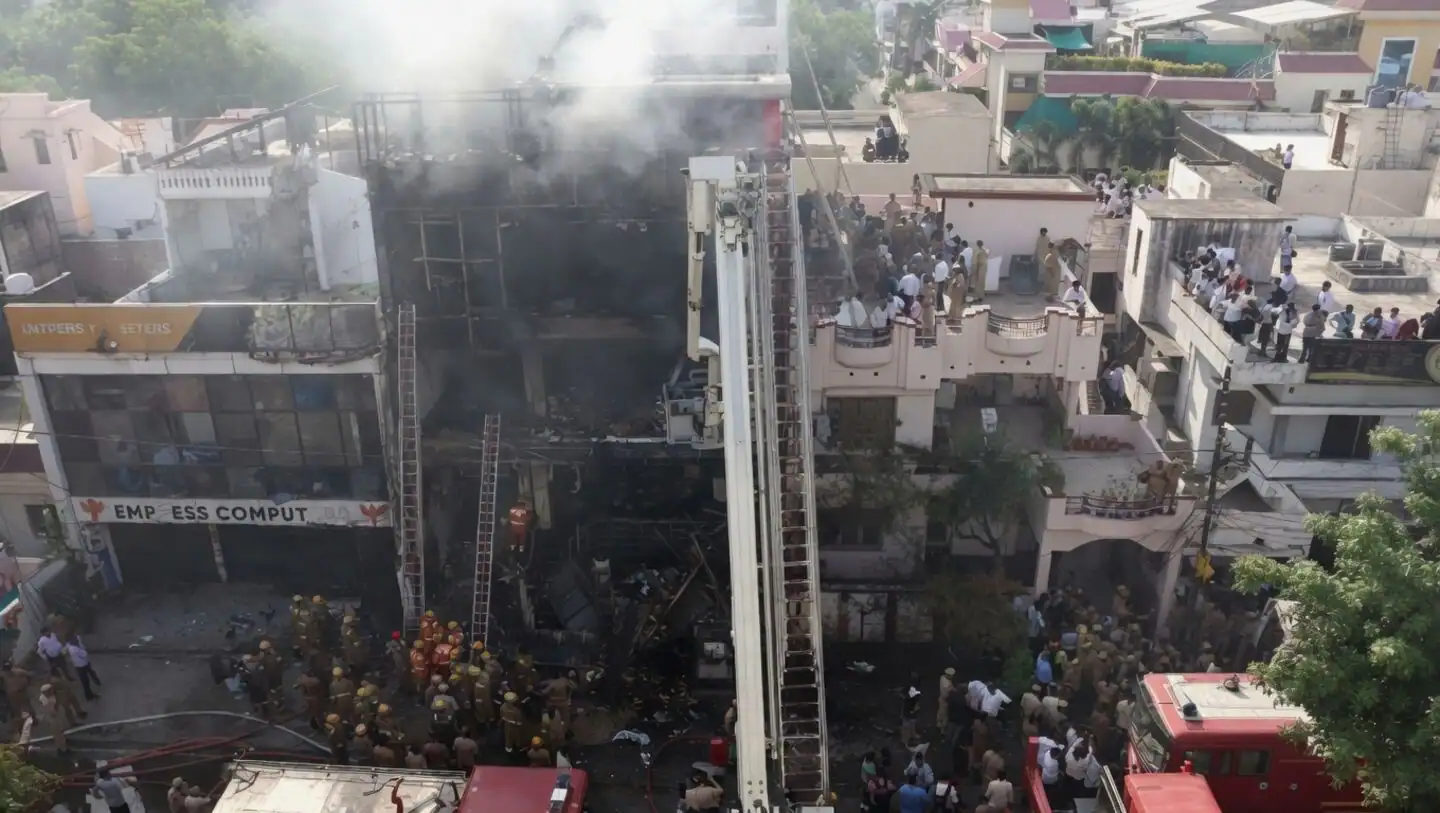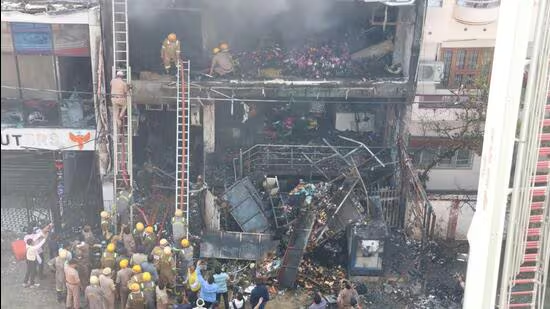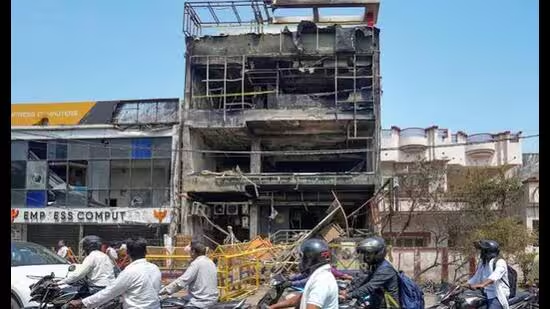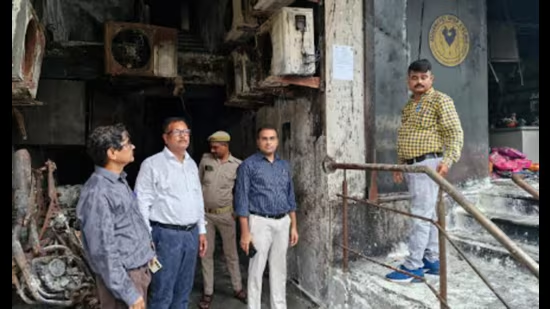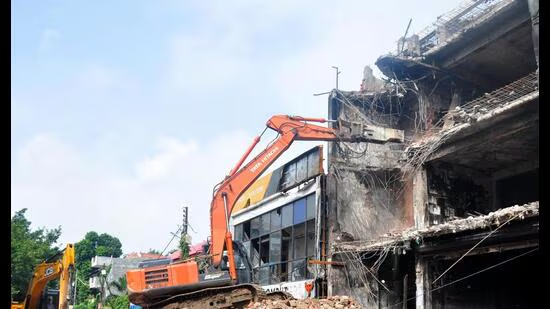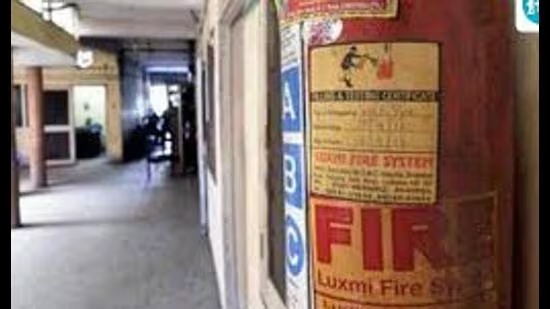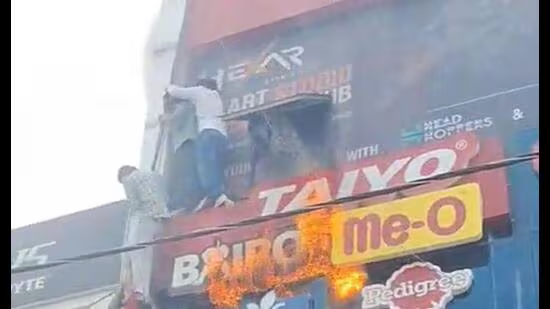
LUCKNOW A 1,992 sq ft residential plot in Sector D of Aliganj remained off the Lucknow Development Authority’s radar for several years and ultimately transformed into a commercial complex, raising questions over the functioning of the authority’s enforcement machinery in wake of the devastating fire on Monday.A massive fire gutted a three-floor commercial building housing an animation centre in Lucknow, on Monday. (HT Photo)The tragedy has exposed glaring lapses in monitoring by the authority, whose zonal teams are responsible for detecting and acting against illegal constructions and land-use violations. Despite periodic drives against unauthorised buildings, the three-storey structure continued to function commercially even though the LDA had approved only a residential building plan.LDA’s official records show that brothers Virendra Shukla and Surendra Shukla, sons of Rameshwar Prasad Shukla, and residents of Madehganj on Sitapur Road, purchased the property through a registered sale deed on January 19, 2013. The authority subsequently completed transfer proceedings in their favour on August 7, 2014.In the same month, the owners obtained residential map permit No. 7287/36798 under the auto-map Scheme. LDA approved the plan on August 20, 2014, and the permission remained valid until August 19, 2019, stated LDA’s records.However, the building eventually acquired the character of a commercial complex. According to LDA officials, such a structure could not have received commercial approval because the property lies on an 18-metre-wide road. Under prevailing byelaws, commercial complexes require a minimum road width of 24 metres.LDA vice-chairman Prathamesh Kumar acknowledged that the building represented a “clear violation” as the approved map was residential. Chief town planner KK Gautam declined to comment, saying the issue involved a sensitive matter.Senior LDA officials said the authority has constituted an inquiry team to probe the matter and has begun compiling a list of officials who were posted during the period when the commercial complex was constructed. The exercise aims to fix accountability for any lapses in monitoring the illegal construction. Based on the findings of the inquiry, action will be taken against those found responsible, and the report will be submitted to the state government for further action.A senior official disclosed that the authority had issued a notice against the property in 2016. However, officials disposed of the matter based on the residential map approval. No subsequent action followed, even as commercial activities continued from the premises.The disclosure has intensified scrutiny of the LDA’s enforcement wing. Officials routinely conduct drives and seal illegal constructions across the city, but the Aliganj building escaped regulatory action for nearly 10 years.The fire tragedy has also highlighted the lack of coordination between civic agencies. A senior Lucknow Municipal Corporation (LMC) official revealed that the civic body had been collecting commercial taxes from the owners based on the business activities being carried out from the premises. However, the official clarified that the corporation’s role remained limited to taxation and regulation of business establishments and that it had no authority to determine whether the property possessed residential or commercial approval from the LDA.Investigators are now examining whether violations of building norms and deficiencies in fire safety measures contributed to the scale of the disaster.As rescue teams recovered bodies from the charred structure, the focus shifted from the fire itself to a larger question: how did a residential plot measuring just 1,992 sq ft manage to transform into a commercial complex under the nose of the LDA?For many, the answer to that question may determine accountability for one of Lucknow’s deadliest fire tragedies.
How did a 1992 sq ft plot turn into a commercial complex?
The Lucknow fire exposed glaring lapses in monitoring and enforcement by the LDA, raising questions over how a residential plot was allowed to function as a commercial complex for years
575 words~3 min read