A few days ago, a debate broke out over the construction of official residences for judges in Abuja. Supporters saw it as a government project designed to improve the welfare of judicial officers. Critics saw something else. They wondered whether there was a political motive behind it, especially with the 2027 elections around the corner.
What was striking was how quickly many people concluded. Before the details were examined, before legal arguments were made, before facts were fully established, suspicion had already taken root. That reaction says something important about the mood of the country.
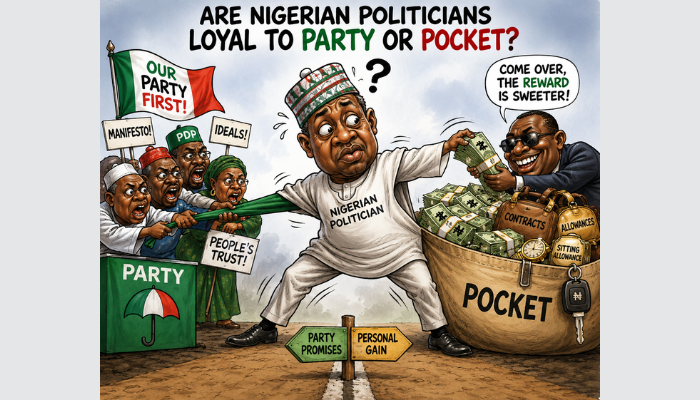
Many Nigerians no longer take public statements at face value. When a politician announces a policy, people search for the hidden agenda. When a government launches a project, many assume there is a private benefit somewhere in the background. When an institution makes a decision, some immediately ask who influenced it. Even when a public official is doing something that appears positive, many citizens suspect that there is a hidden story behind it.
The question is, why have Nigerians become so distrustful of anything that concerns government? Trust is one of the most valuable assets any society can have. It allows people to cooperate and institutions to function. It reduces conflict and uncertainty. It creates room for leaders to make difficult decisions because citizens believe those decisions are being made in good faith.