All stakeholders must do more to safeguard widows from social injustices
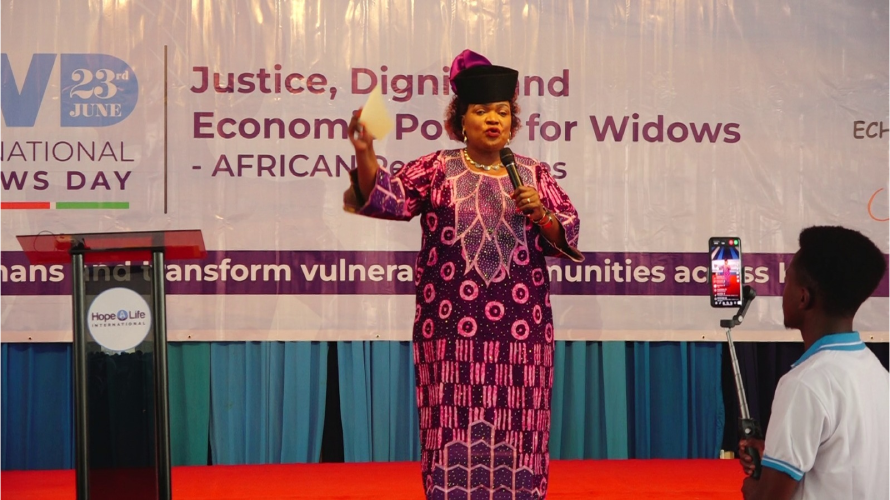
The 2026 International Widows Day (IWAD) which comes up today should compel critical stakeholders in the country to the unique challenges of widowhood, especially at a period when many women are losing their husbands to sundry criminal cartels. These challenges of widowhood include poverty, cultural stigmatisation, lack of inheritance rights and others that have been highlighted by the United Nations which has adopted the campaign message, ‘Invisible Women, Invisible Problems’. As Nigerians therefore join the rest of the world to mark the 2026 IWD, critical stakeholders must work to end the impediments against women who lose their husbands.
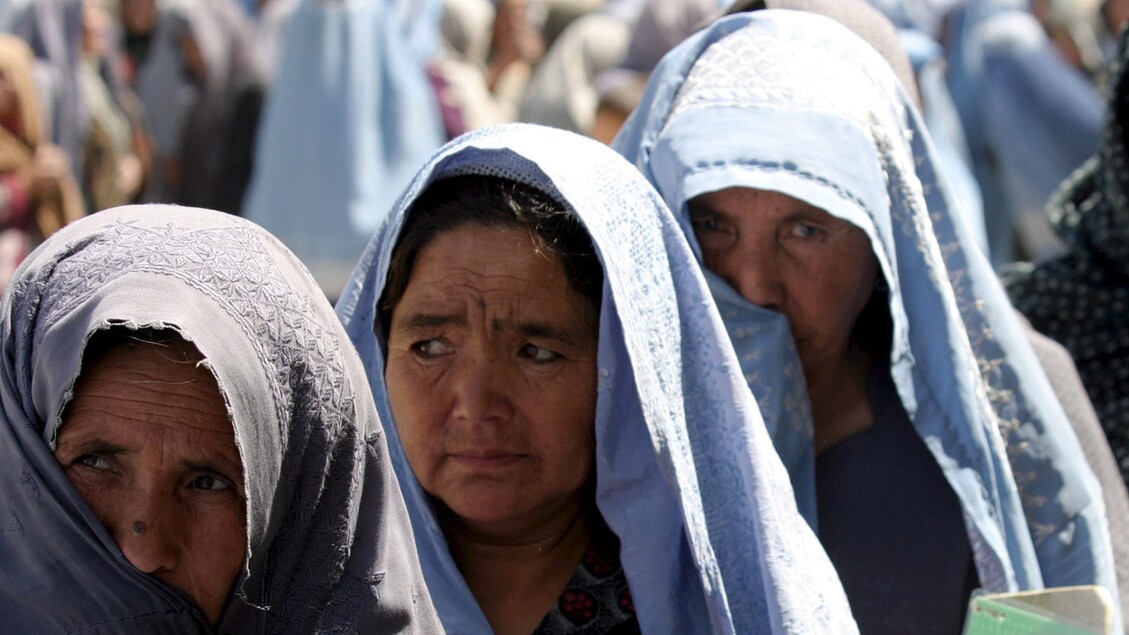
Access to justice and poverty combine to leave many widows in the country suffering from silence, stigma and shame, and education does not seem to insulate any woman. Across many communities, according to Ochiawunma Akwiwu-Ibe, a United States-based public health pediatrician with over 20 years of experience, Nigerian widows continue to suffer ritual seclusion and isolation, forced mourning rites, public humiliation, property dispossession, emotional and psychological abuse and coercive rituals to prove that they were not responsible for their husbands’ death. “The details vary. The outcome is the same,” Akwiwu-Ibe stated. “Women who are already grieving are made to suffer even more.”