The true significance of foreign reserve depends on the extent to which they support broader economic transformation and improve the welfare of citizens, argues FELIX OLADEJI
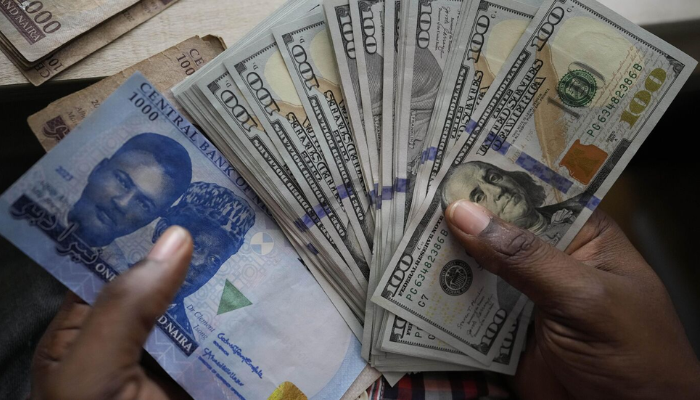
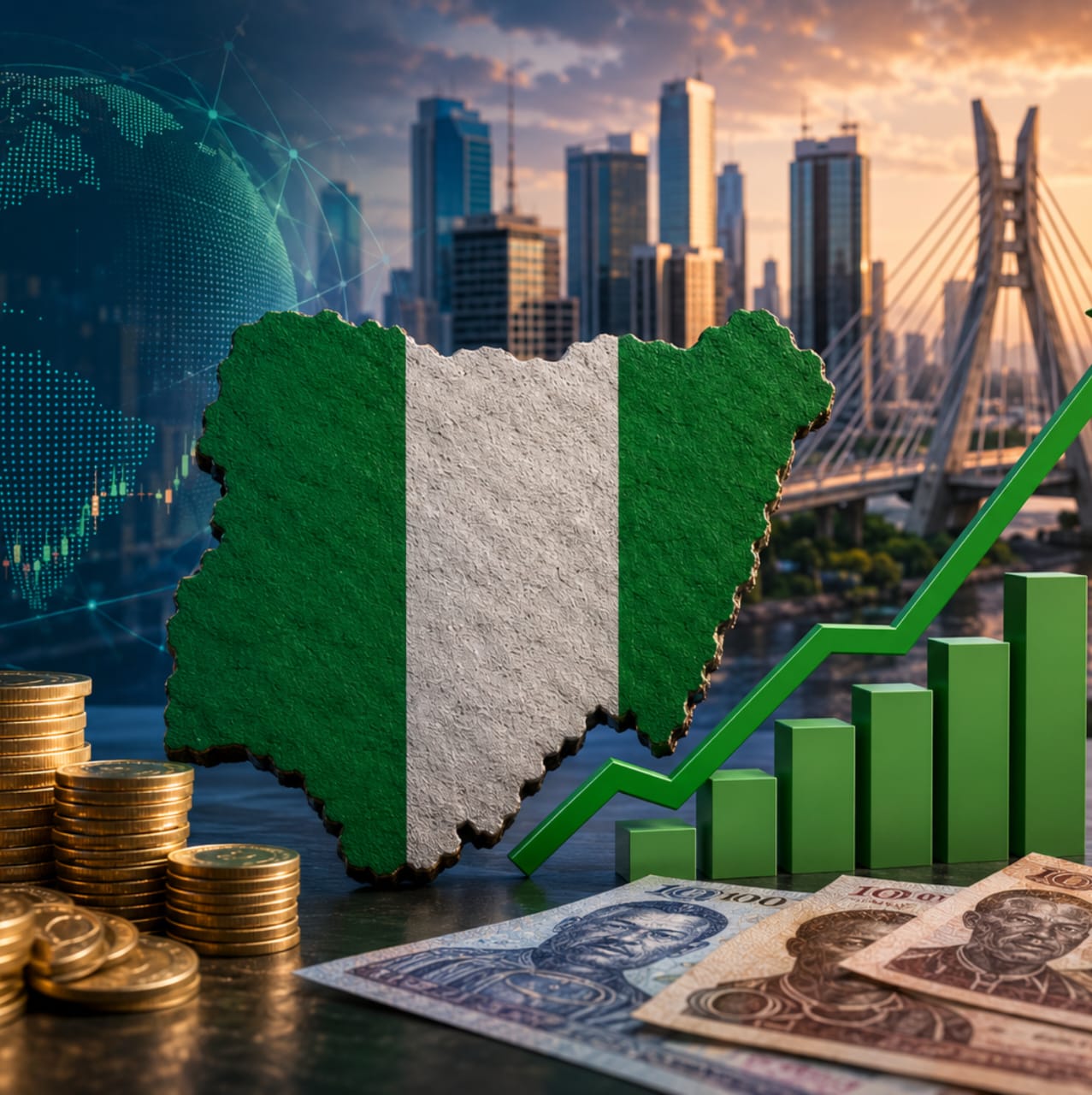
The recent announcement that Nigeria’s foreign exchange reserves have risen to $51.03 billion, their highest level since January 2009, has once again brought questions of economic stability and fiscal management to the forefront of national discourse. The development has been welcomed by policymakers and financial analysts as evidence of improving external balances and growing confidence in the economy. Supporters view the increase as a positive signal that recent economic reforms are beginning to yield results, while critics caution that reserve accumulation alone does not necessarily translate into broad-based economic progress. The development therefore raises an important question: does the growth in Nigeria’s foreign reserves signal a more resilient economy, or does it conceal deeper structural challenges that remain unresolved?
The argument in favor of rising foreign reserves is rooted largely in their role as a buffer against economic uncertainty. Foreign reserves constitute a country’s stockpile of external assets, typically held in major international currencies, which can be used to stabilize exchange rates, meet international obligations, and cushion the economy against external shocks. For developing economies vulnerable to fluctuations in commodity prices and global financial conditions, strong reserves are often regarded as a key indicator of economic resilience.