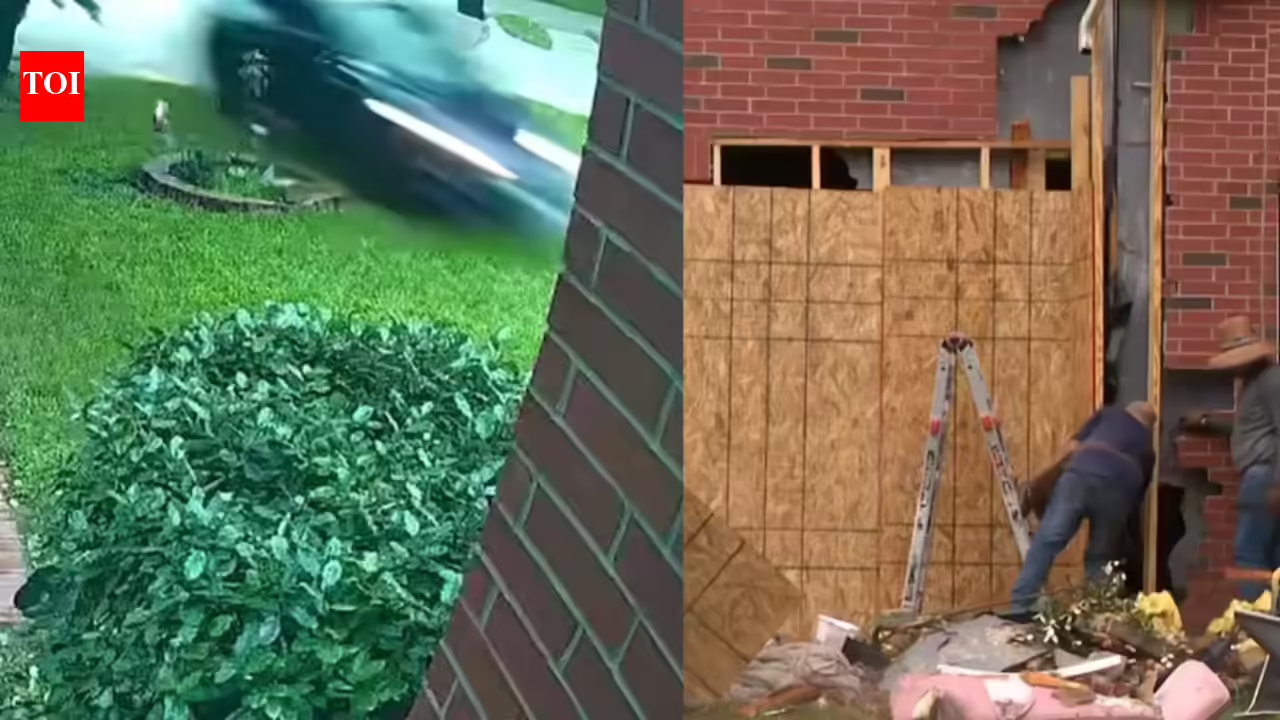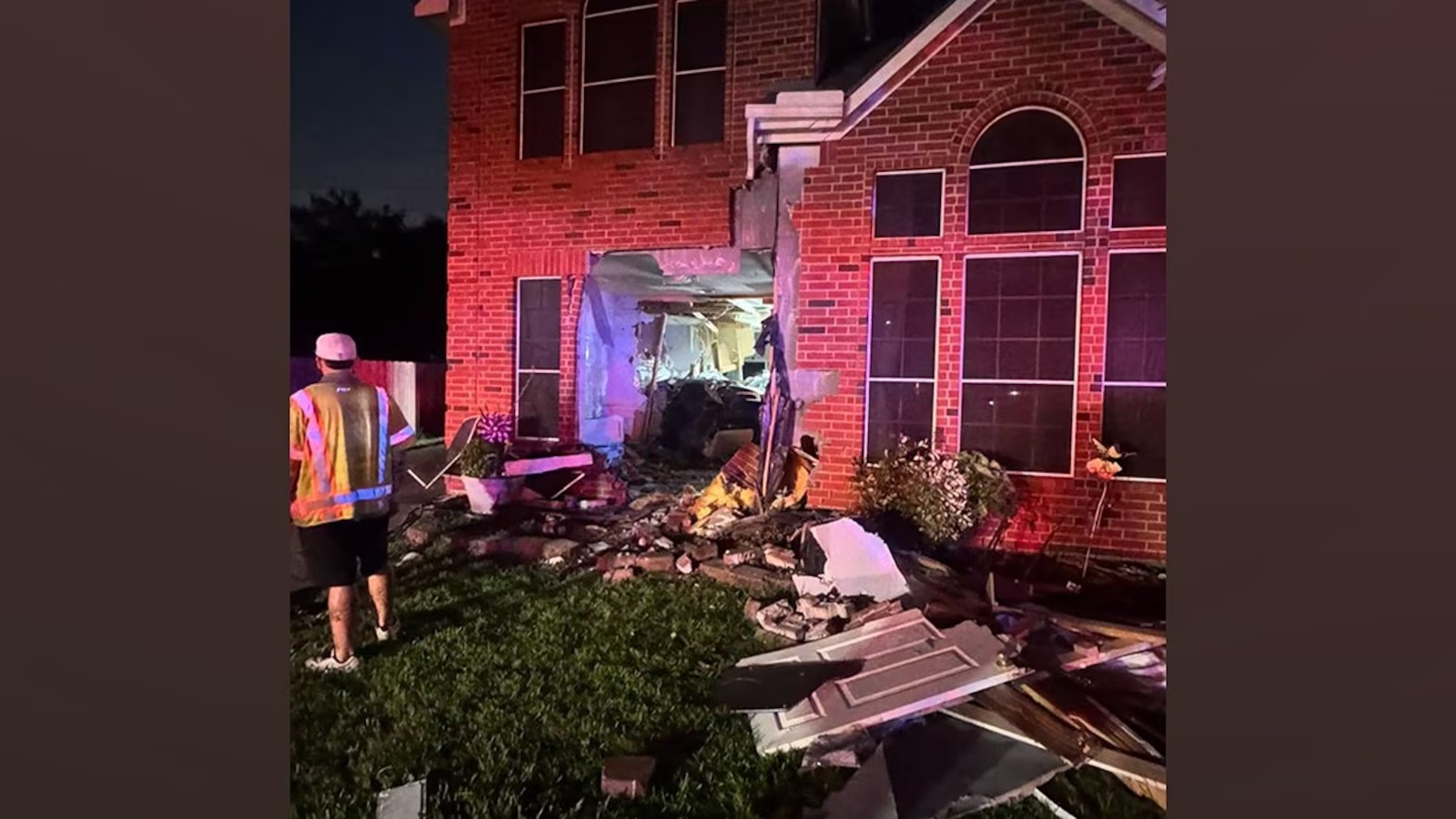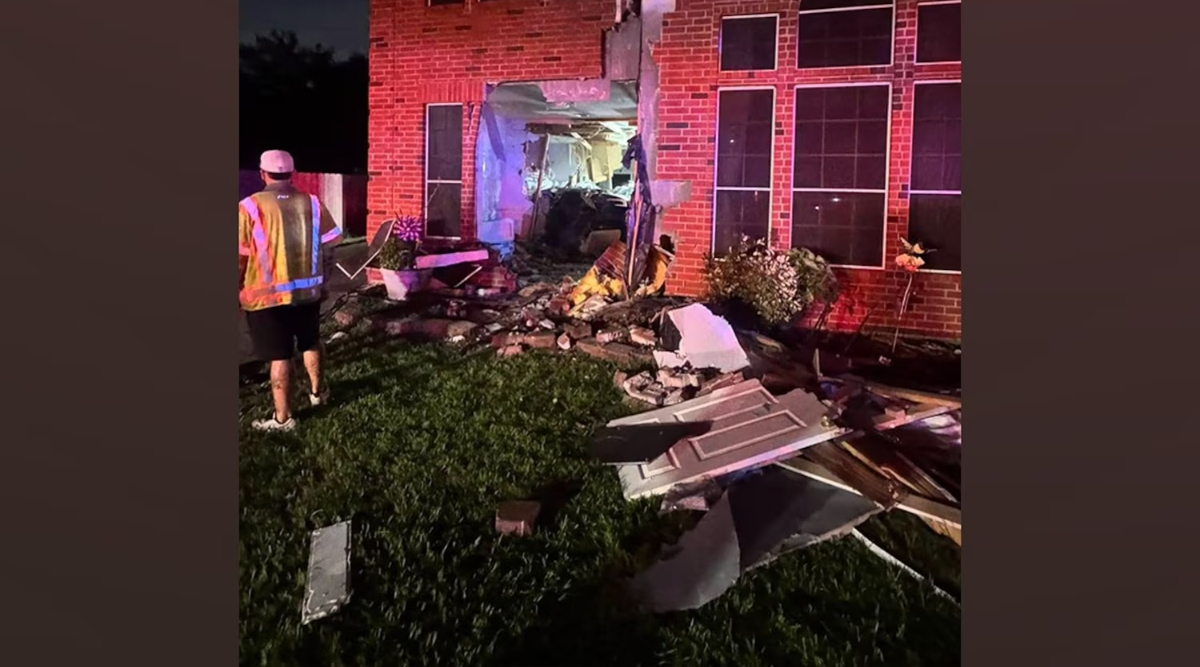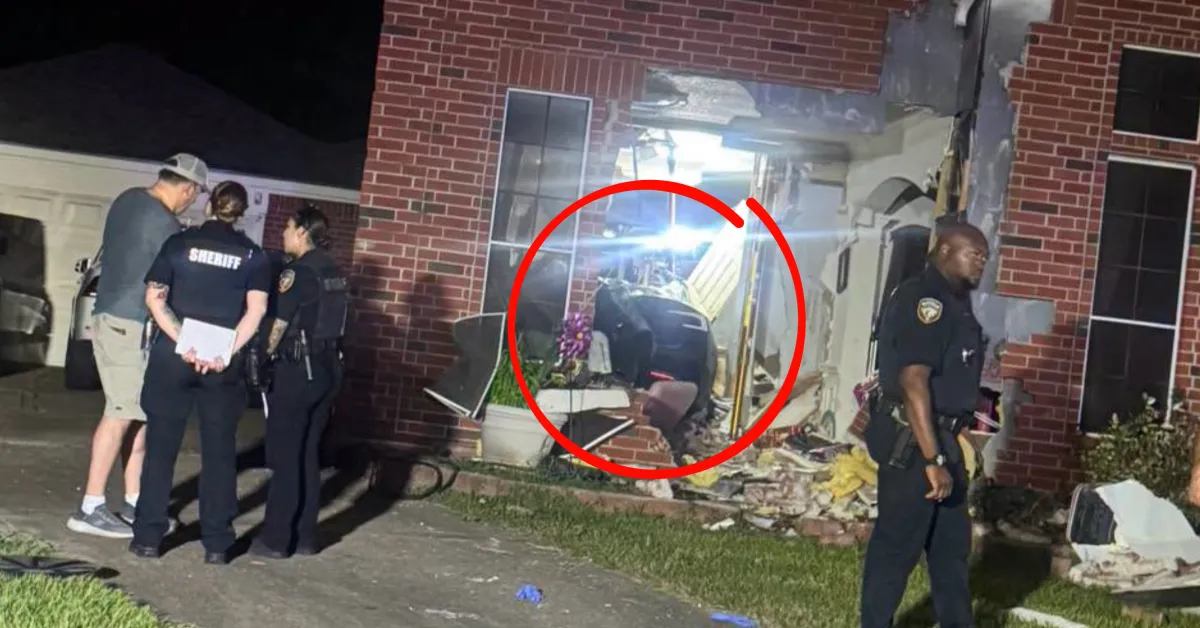
A fatal crash in which a Tesla plowed through a brick home in Katy, Texas, killing a 76-year-old woman, set off alarms about the company’s driver-assistance technology. By Monday afternoon, Tesla was fighting back against the framing.
The crash occurred Friday night when a Tesla Model 3, driven by Michael Butler, left the road and slammed into the home of Martha Avila, who was airlifted to a hospital and later pronounced dead. Butler told Harris County sheriff’s deputies that the vehicle was on Autopilot at the time. That detail spread quickly, and by the weekend the story had become the centerpiece of long-running debate over Tesla’s Autopilot and Full Self-Driving (Supervised) driver-assistance systems.
But Tesla, a company that famously dismantled its PR department years ago, broke from its usual silence Monday to push back.
Ashok Elluswamy, vice president of AI software at Tesla and the first engineer hired for the Autopilot team back in 2014, took to X to offer a very different account of what the data showed. “In this case, the driver manually overrode self-driving by pressing the accelerator all the way to 100% of the accel pedal in this residential area,” he wrote. “They reached a speed of 73 mph during the crash, and had the accelerator pressed even after the crash.”