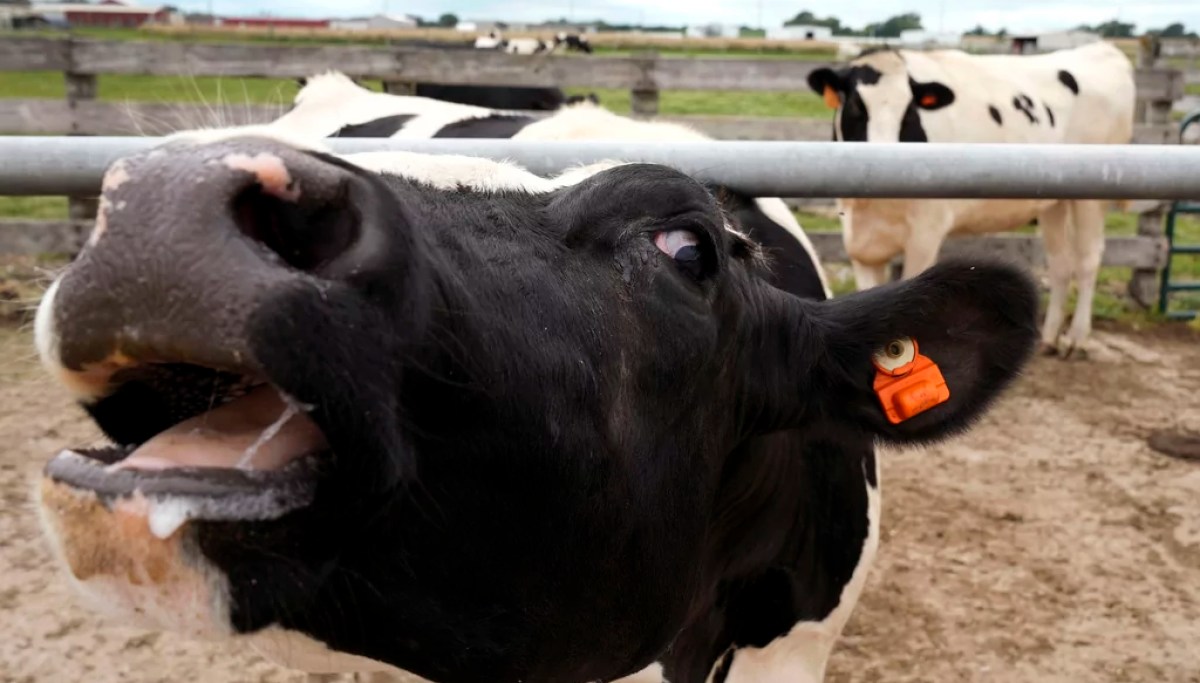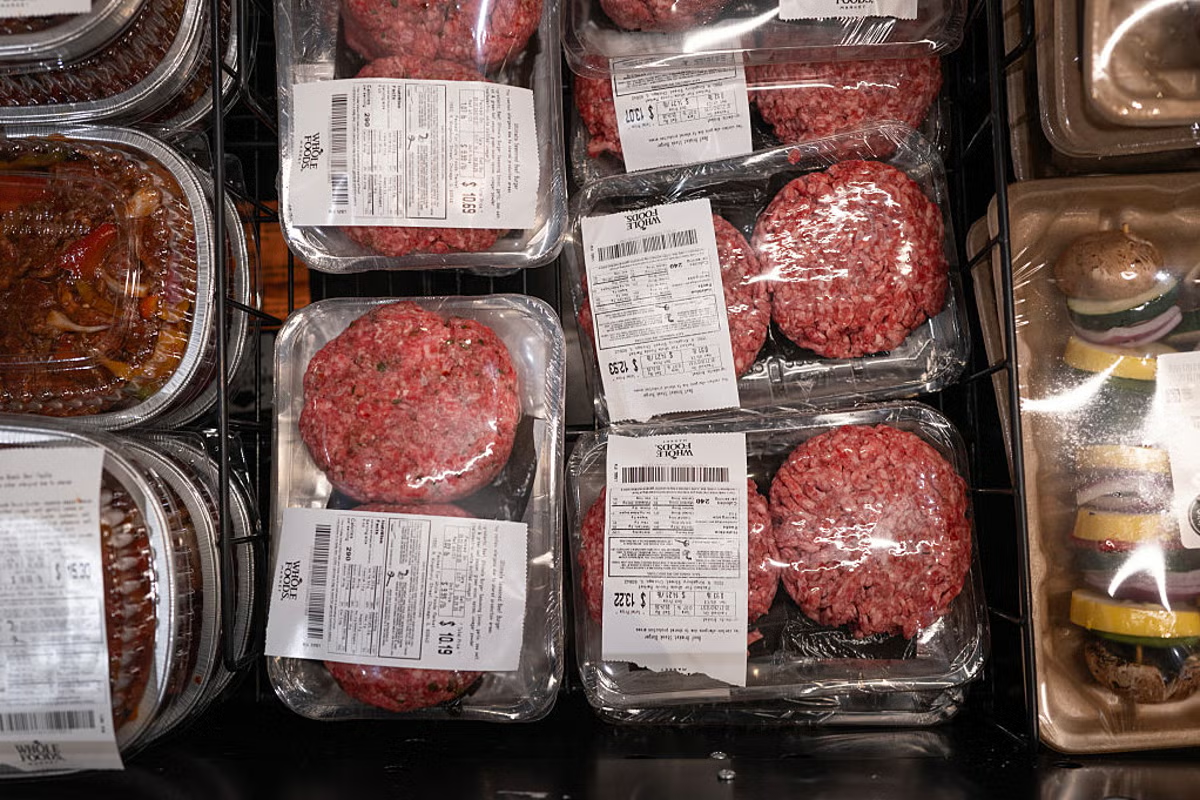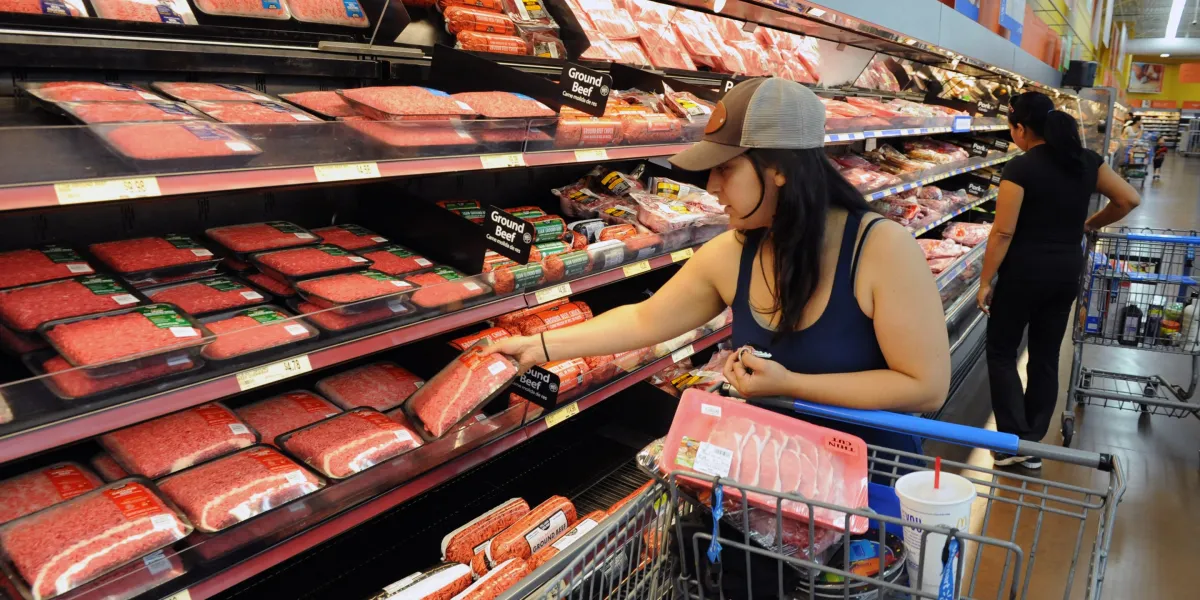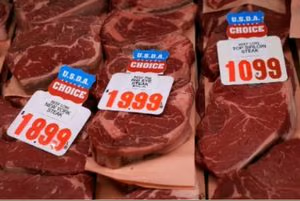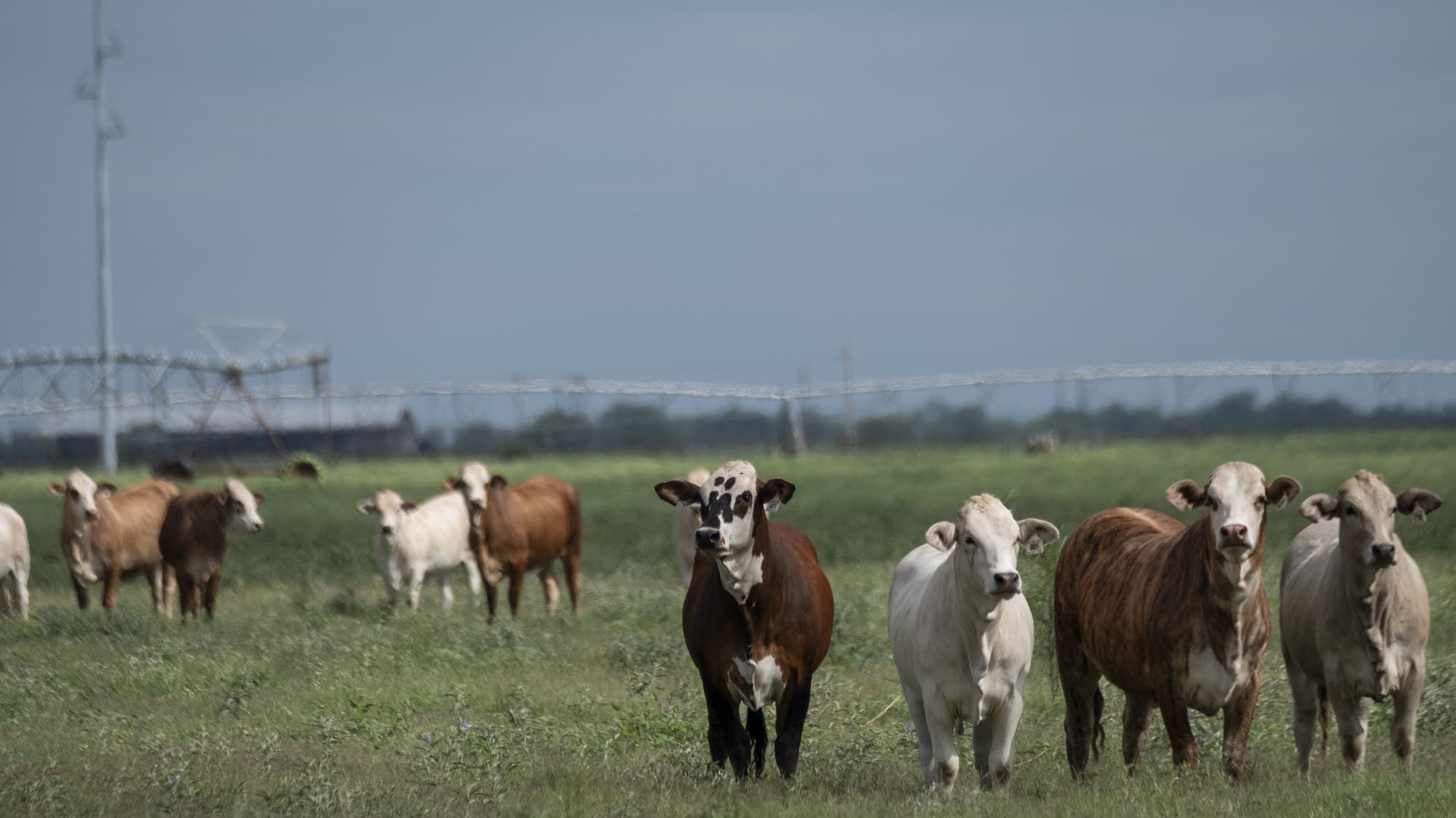
In less than two weeks, millions upon millions of Americans fire up the grill to cook up some burgers for the Fourth of July — unless they’ve decided the beef for those burgers is just too expensive.The price of a pound of ground beef is up almost 13% compared to May of last year, according to the Federal Reserve Bank of St. Louis. The cost has more than doubled over the past 15 years. The USDA predicts beef prices will go up another 10% in 2026 — much faster than the rate of inflation. High demand and low supply makes for a perfect storm, said Jamie Luke, a professor agriculture, food and resource economics at Michigan State University.“Right now we have a historically low number of beef cows in the country,” she said.War in the Middle East has made fertilizer and fuel more expensive, which makes cattle feed more expensive. On top of that, weather forecasters are predicting an especially hot and dry year in parts of the U.S. with lots of cattle.“Producers have had to make that difficult call to reduce the number of animals they have in their herd to be able to have enough forage to feed,” Luke said.And that’s just the supply side.“Personally, I think the bigger story in beef prices is the consumer demand side,” said Brian Coffey, a professor of agricultural economics at Kansas State University.“Protein is kind of all the rage now, and specifically consumers have kind of gone back to red meat as a source of protein,” he said.Normally, cattle farmers might increase their herd size to meet that consumer demand, but even in areas where there’s likely to be plenty of rain, they aren’t.“That suggests that cattle owners are not thinking that these prices will stay high and remain higher,” said William Masters, a professor of food policy and economics at Tufts University. He said it’s more attractive to sell a cow at record-high prices now, than to hope that cow’s calves will be worth more later.“It is entirely possible that people are expecting that corn and soybean prices would perhaps stay high, and that would lead them to not want to invest quite so much in feeder cattle,” he said.Even if cattle farmers do decide to make their herds bigger again, it takes about two years before a calf is ready for slaughter.More on beef prices and cattle ranchingDecember 2025: Beef prices keep rising. What will it take to bring them down?October 2025: Higher beef prices are good news for ranchers, not so much for barbecue restaurantsOctober 2025: Why is beef so expensive right now?
Why beef prices keep climbing
There’s a “perfect storm” of low supply and high demand.
435 words~2 min read