The Quest Begins (The "Why")
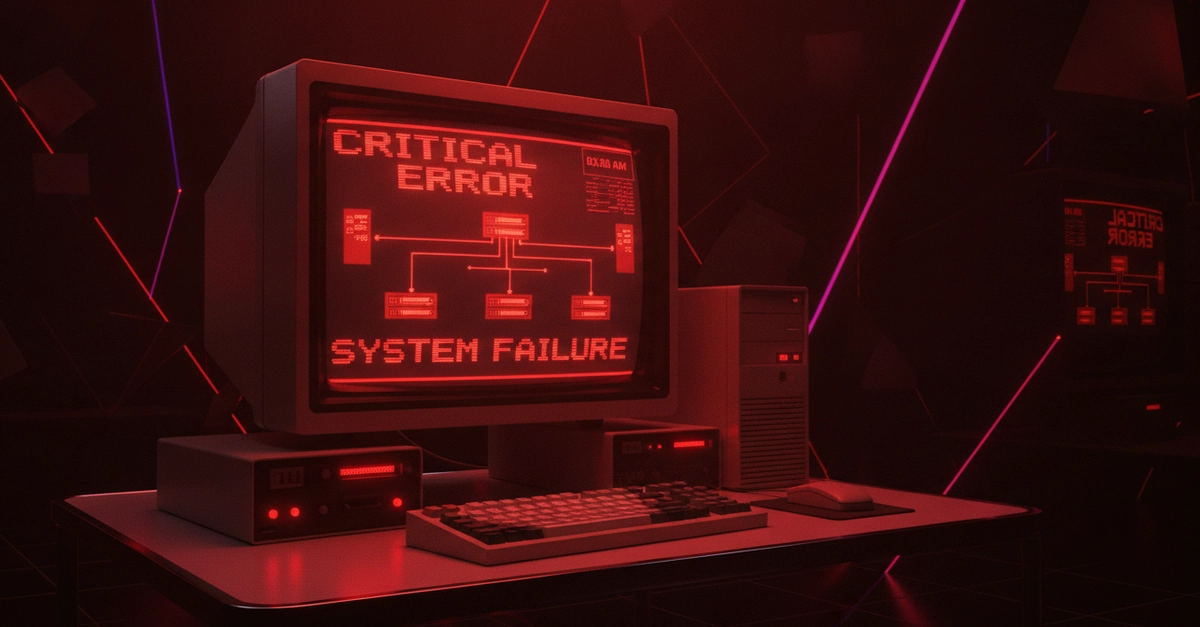
Honestly, I still remember the night our checkout service started throwing 500 errors at 2 a.m. Users were seeing generic “something went wrong” pages, and our support inbox flooded with frantic tickets. I was staring at a wall of console.log statements that looked like a toddler’s scribble — timestamps missing, request IDs nowhere to be found, and no clue which microservice had tripped over its own feet. It felt like Neo dodging bullets in The Matrix: I could see the danger coming, but I had no idea where to duck or how to fire back.
That chaotic scramble taught me a hard lesson: if you can’t see what’s happening inside your system, you’re always reacting instead of preventing. Monitoring and logging aren’t just “nice‑to‑have” ops chores; they’re the early‑warning radar that lets you spot a dragon before it breathes fire on your users.
The Revelation (The Insight)
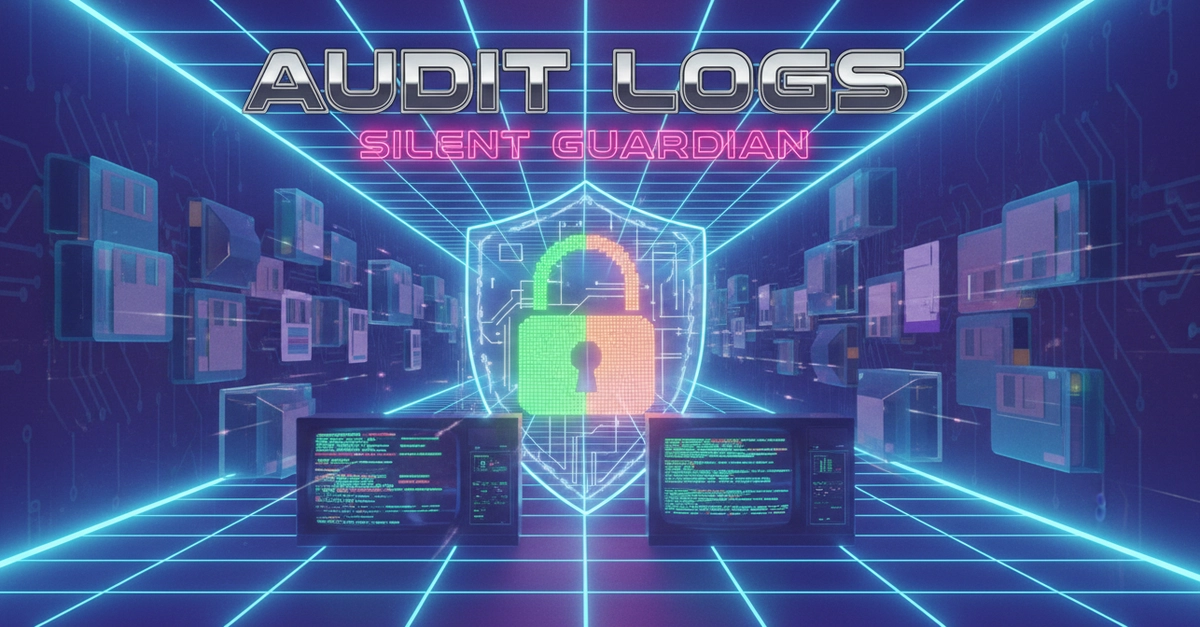
The breakthrough came when I stopped treating logs as a dumpster for console.log and started treating them as structured events — tiny, self‑describing packets of telemetry that travel with a request from edge to backend. Pair that with metrics (counters, histograms, gauges) and a tracing context (think trace‑ID hopping across services), and you get a observable system where you can: