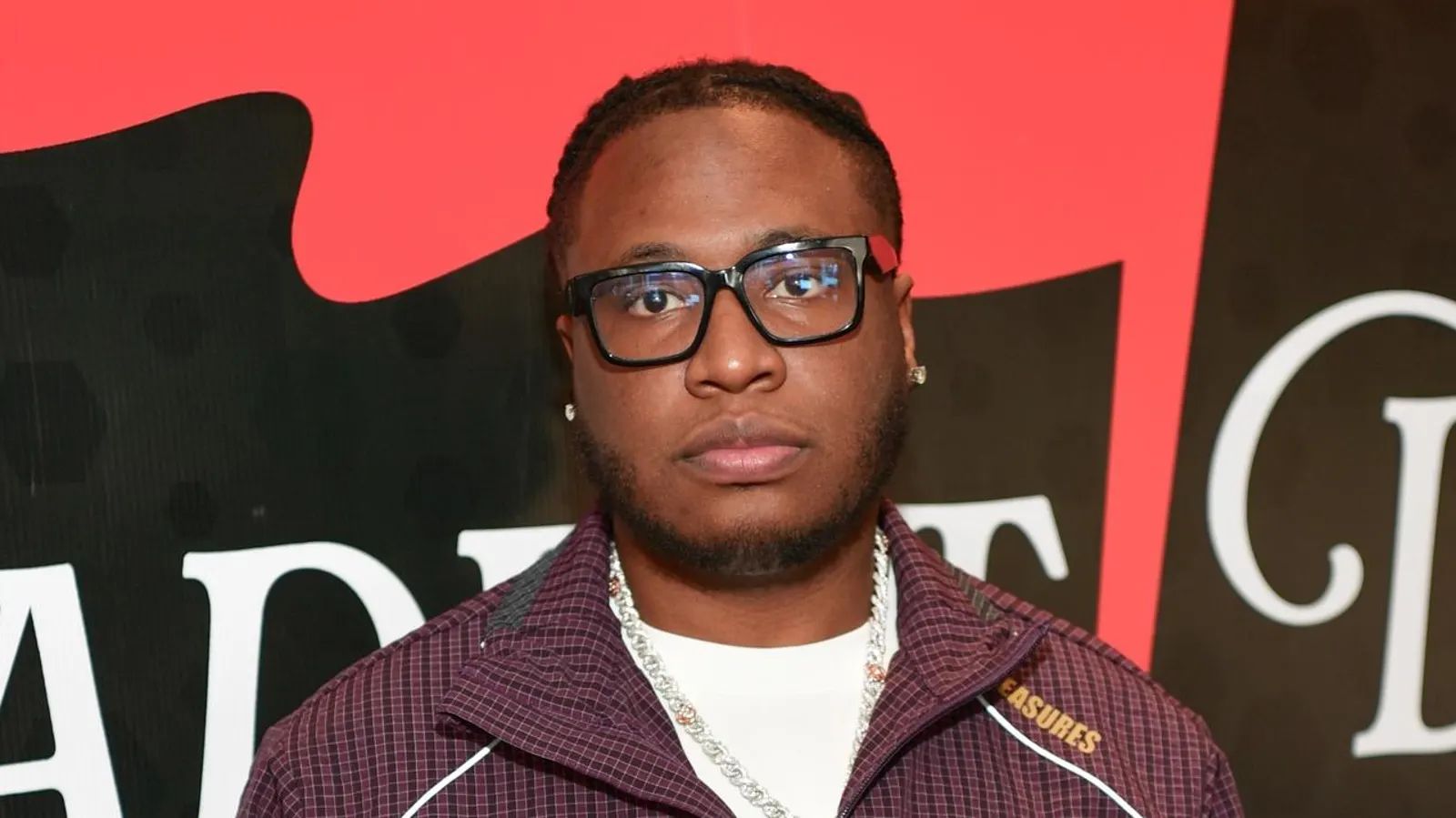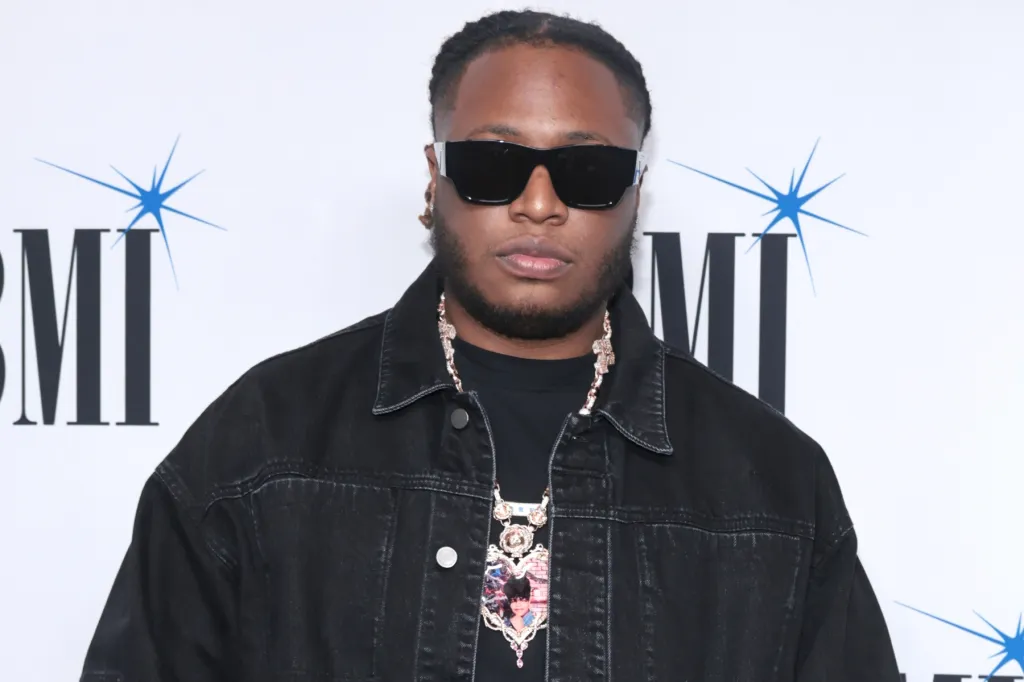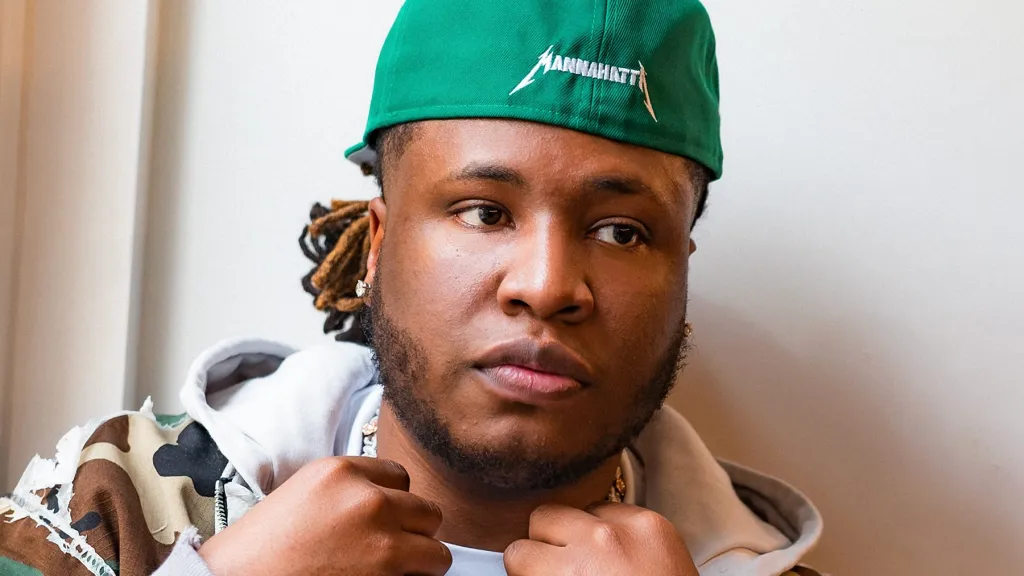
The first time I heard BlocBoy JB’s “Look Alive,” Tay Keith’s now-famous producer tagline simply sounded like background noise, hidden in the shadow of Drake’s star power. I was a college student far away from home, and the song was a little piece of my birthplace to take pride in: “901, Shelby Drive, look alive…” The biggest rapper in the world at the time was singing my area code and the name of a street I’ve driven down several times, a Memphis rapper was being newly hoisted onto the Hot 100, and a producer who would be the foundation of all the hip-hop I’d dance to for the next decade was being put on the map.
Just as J Dilla’s syncopated rhythms helped define much of the best hip-hop and R&B of the late Nineties, and the Neptunes’ bubbly sounds helped carry those genres into the 2000s, Tay Keith was building a time capsule of hip-hop’s late-2010s streaming era before his untimely death on June 18. Police found the 29-year-old producer in his Nashville apartment just hours before his imprint was to be heard again throughout fellow Memphian Key Glock’s latest album, Project X.
Music taste is often formed by one’s surroundings. Tay Keith was born and raised by a single mother in South Memphis, a neighborhood that became an incubator for hitmakers such as Moneybagg Yo, Glock, Blac Youngsta, Pooh Shiesty, producer Hitkidd, and the late Young Dolph. The same Bluff City that held the sound of Stax Records’ buttery soul artists like Isaac Hayes and Otis Redding also held the sharp snares and innovative triplet flow of Three 6 Mafia and their record label Hypnotize Minds. Encapsulated in his tag, “Tay Keith, fuck these niggas up,” is a city often overlooked in the annals of hip-hop; however, his speaker-shattering bass and quick, sharp, staccato snare, reminiscent of Memphis City Schools lunch-table beats made with Number Two pencils, became the secret formula for the genre’s success leading into 2020.