Show Caption
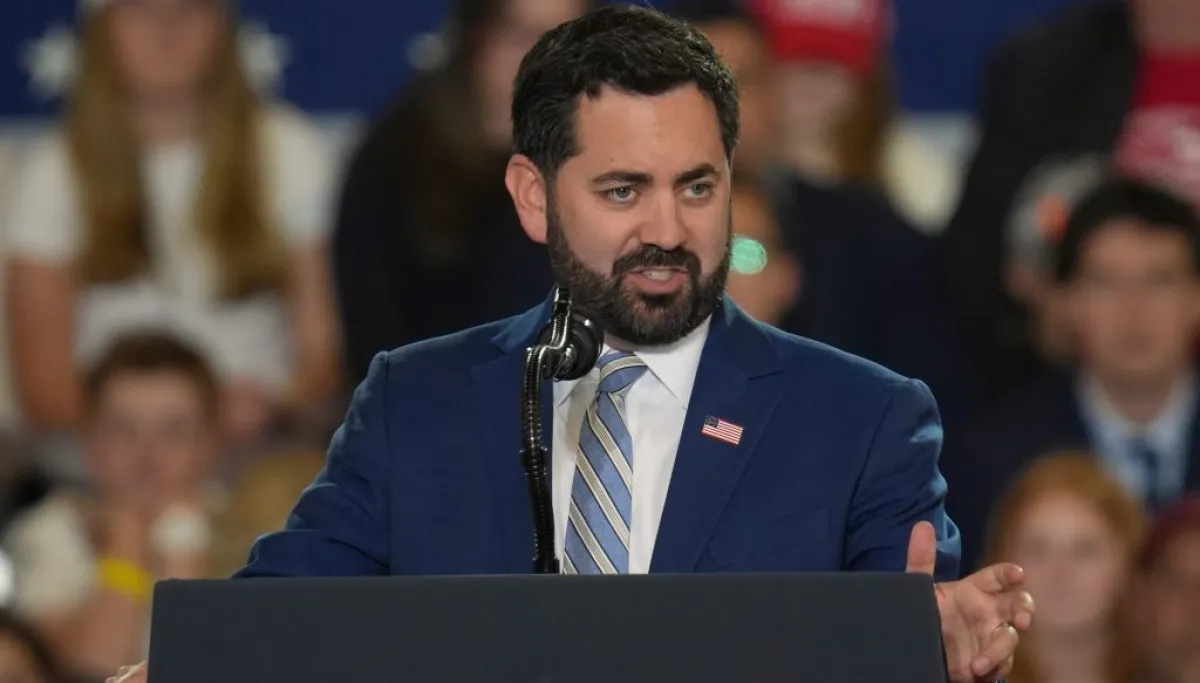
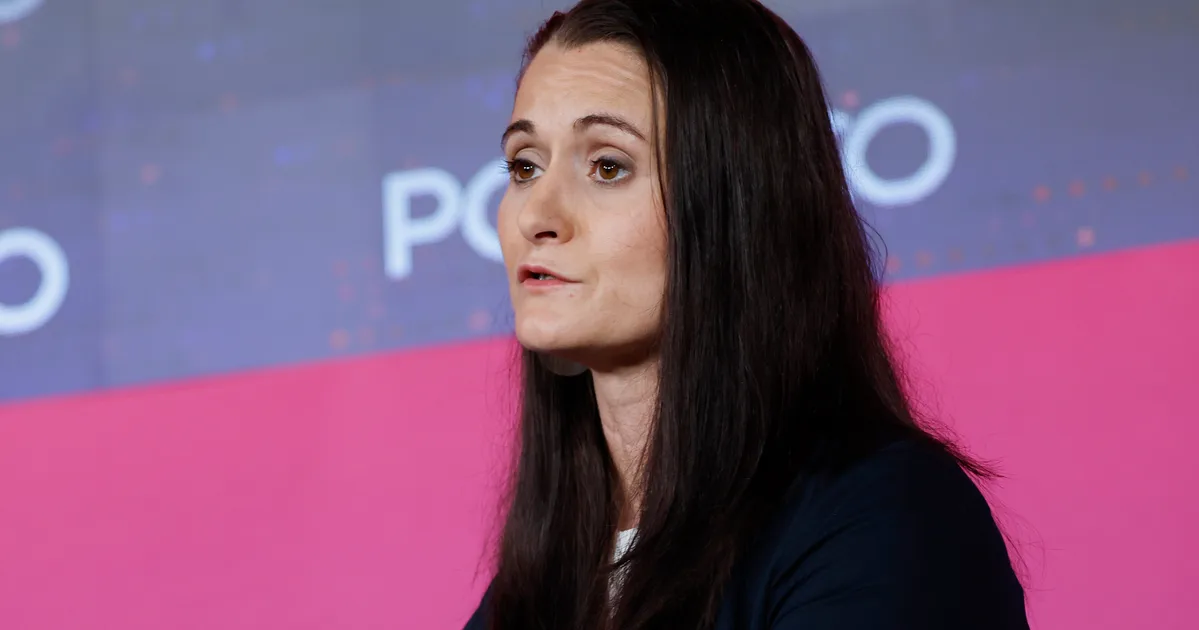
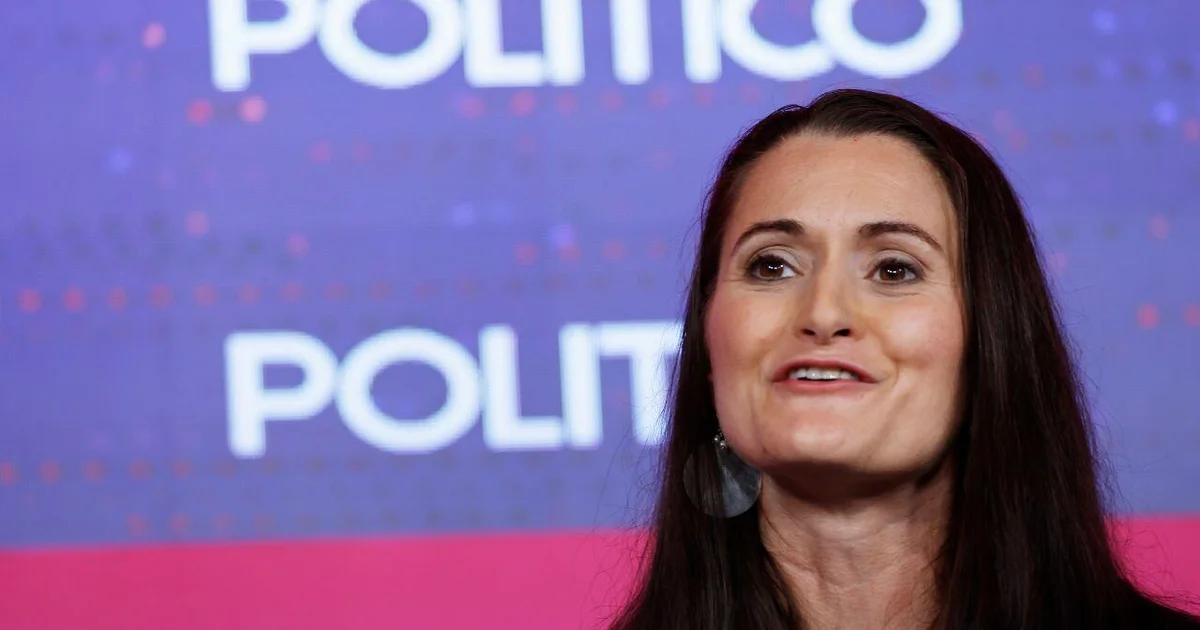
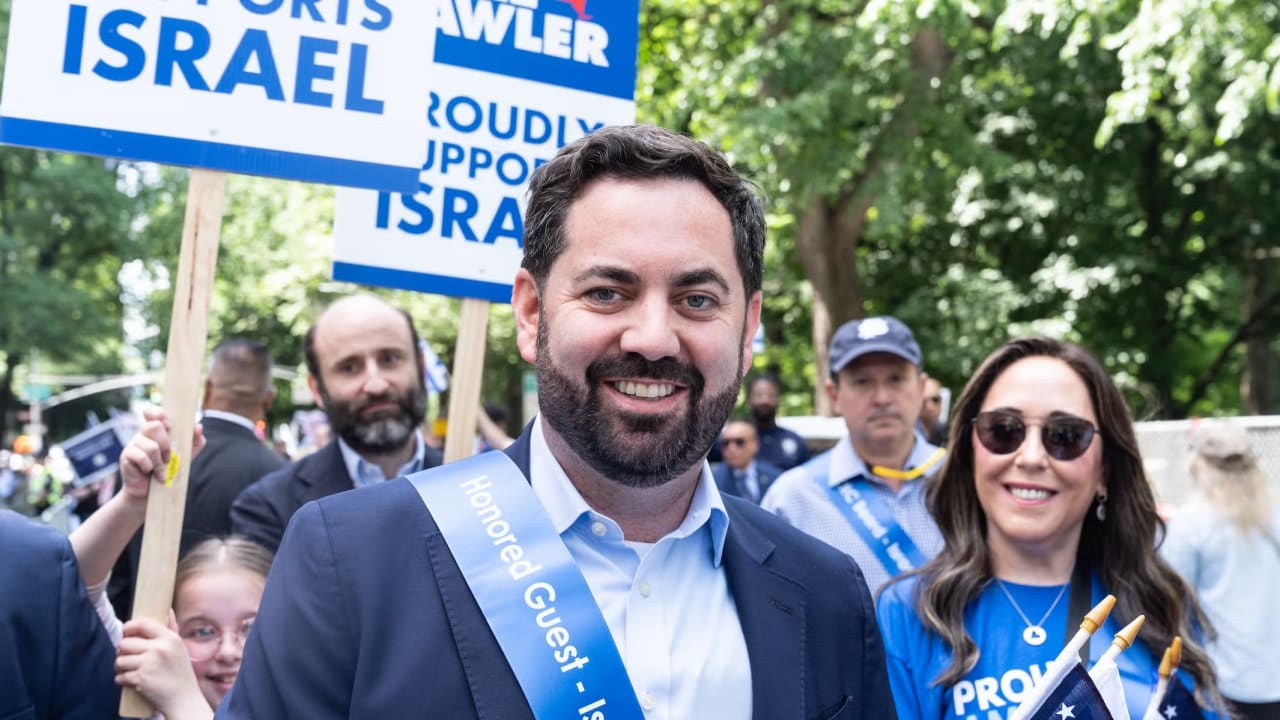
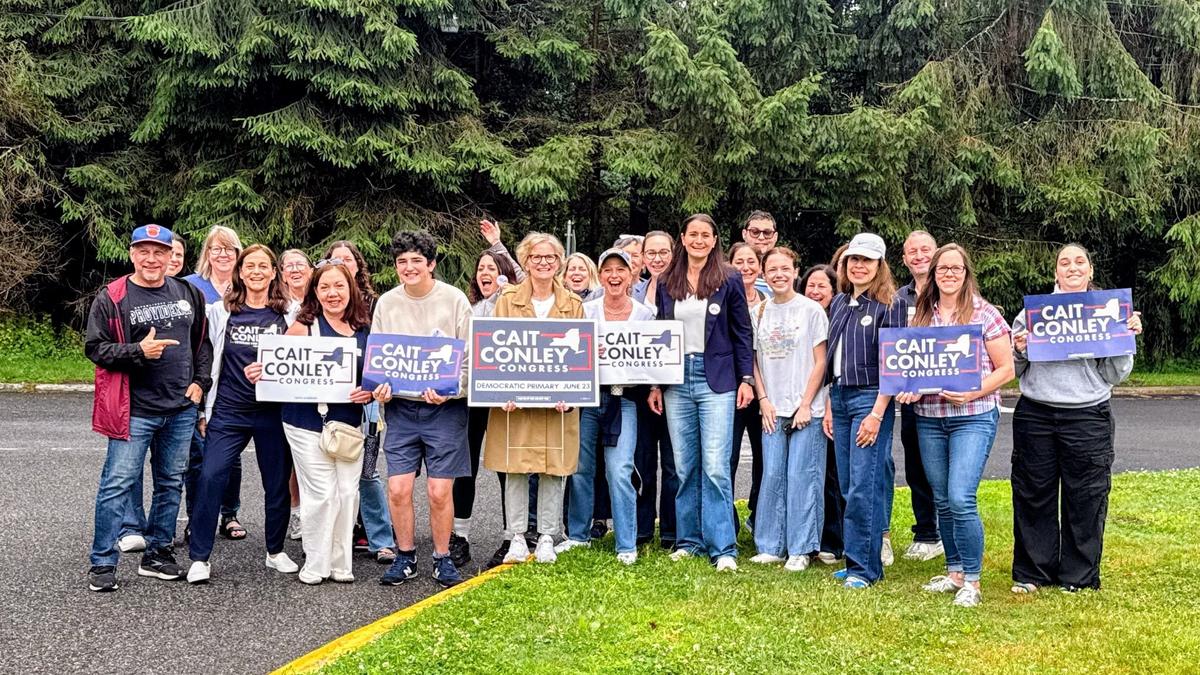
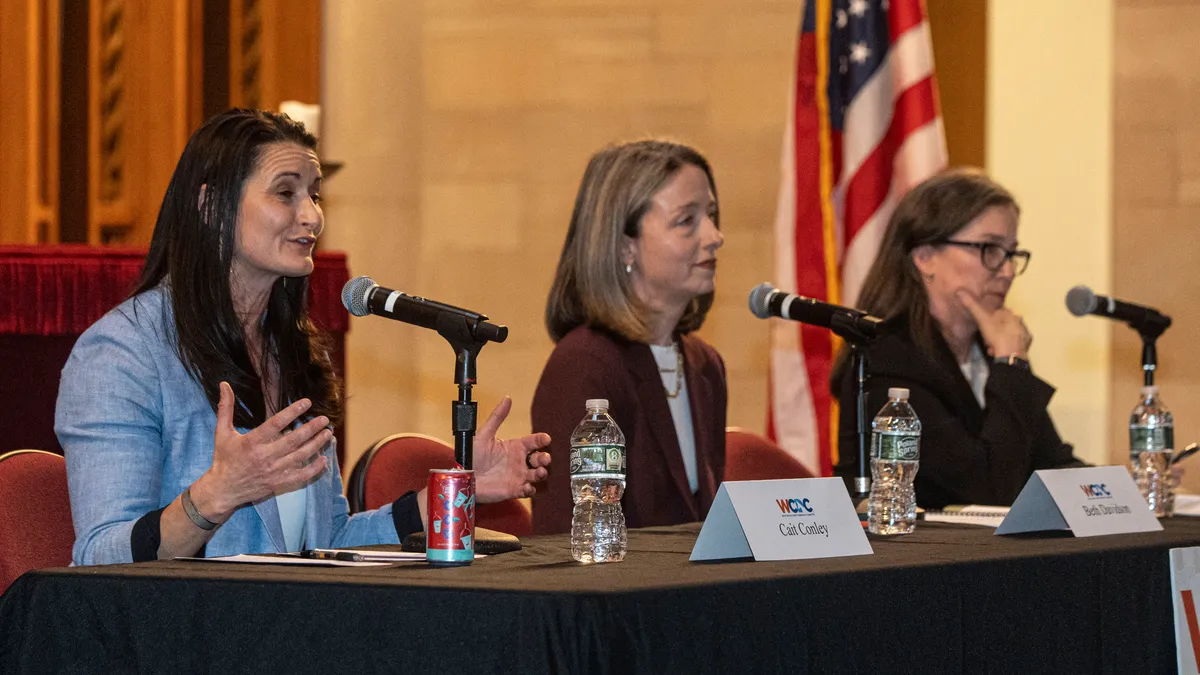
Democrats have been crisscrossing the suburbs north of New York City for more than a year, angling for support to take on Republican Rep. Mike Lawler in one of the nation's key House races.Five candidates will face off in a June 23 primary in New York's 17th Congressional District, a swath of the Hudson Valley that's up for grabs in November and crucial to the battle for House control. Whoever wins is sure to face a hard-fought, expensive contest against a two-term incumbent in an unpredictable district – a political quilt with patches of both deep blue and deep red.It's a diverse mix of voters to court. The 17th District spills into four counties on both sides of the Hudson River, a terrain that ranges from wealthy, semi-rural stretches of northern Westchester County ‒ home to Bill and Hillary Clinton and celebrities like Martha Stewart – to less-affluent, more densely populated spots such as Spring Valley, an immigrant hub in Rockland County.Meet the Democrat candidates in NY-17 House primary raceThe top contenders in fundraising, polling and endorsements are Rockland County Legislator Beth Davidson and Cait Conley, an Army veteran and former national security official in the Biden administration. A third Democrat, Effie Phillips-Staley, has run to their left and built her own support with progressive groups and voters, outraising Davidson in a recent two-month period.Sharing the ballot with them are former journalist Mike Sacks and Air Force veteran John Cappello.Lawler, the Republican they're vying to run against, won his last race by a decisive six points against former Rep. Mondaire Jones. But his first win in 2022 – when he toppled five-term Rep. Sean Patrick Maloney in a major upset – was decided by just 1,820 votes, and Democrats are hoping to unseat Lawler this time in a more favorable climate that may deliver their party a House majority.Lawler is widely viewed as a moderate, and he often touts his high ratings from neutral groups for bipartisan bills and effectiveness. Most recently, he has promoted his part in a bipartisan package of housing bills and his joining with Democrats to force a vote on a bill to speed union contracts, which the House approved on June 9.His would-be opponents paint him in bright MAGA red for siding with President Donald Trump on most things, including Trump's tariffs and the war on Iran he launched alongside Israel.Rather than distance himself, Lawler pulled closer by holding an early campaign rally with Trump in Rockland County in May – a GOP motivational event that underscored the importance of the race this fall for the 17th District.At that rally, Lawler tried to counter his critics by questioning whether any of the Democrats seeking to challenge him could set aside their differences with Trump to accomplish anything if they're elected."What so many fail to realize, if you want to get anything done, you have to be in the arena," he said. "You have to have a seat at the table. You have to engage in good faith."Conley leads latest polls, draws GOP attackDavidson led the primary field in a pair of polls in February and April. But the last two surveys have put Conley in front. Tavern Research released results on June 16 that showed Conley leading Davidson by 34% to 23%, with 13% support for Phillips-Staley and 28% of Democratic voters in the 17th District still undecided.Conley also has the most campaign cash, with $940,000 on hand. Davidson had $414,000 as of June 3.Just as nine days of early voting started June 13, Conley became the latest target of attack ads linked to Republicans, who used similar tactics to influence voters in earlier Democratic primaries this year. A newly formed super PAC dropped $1.5 million on ads painting Conley as complicit in the Trump administration's immigration enforcement push through her consulting with two tech firms.The obvious motive: damage her standing with Democratic voters.Davidson had leveled the same line of criticism against Conley in one of the primary race's few sharp clashes. She faulted Conley for working for companies that have collaborated with Palantir, a data analysis firm and federal contractor that has aided the Department of Homeland Security's immigration enforcement efforts.Conley counters that her work is focused solely on public safety and has nothing to do with immigration. She cast her employment as a continuation of her 16-year Army career and the national security posts she held in Washington for four years – the background on which she has built her campaign.Different shades of blue in NY-17 Dem fieldConley and Davidson have scooped up most of the endorsements from elected officials and party leaders, with three of the four county Democratic chairs in the district backing Conley and one endorsing Davidson.Davidson is more steeped in Democratic politics, including working for years as a political consultant and winning a county legislature seat in 2023. Conley, a political newcomer who was registered as an independent until she entered the race last year, has cast that as a strength that, along with her military service, would help her win crucial independent voters in the general election.Erin Covey, who analyzes House races for the nonpartisan Cook Political Report, sees advantages in Conley's newcomer pitch for the general election. In a USA TODAY Network interview, she noted that both Democrats that Lawler beat in his two past elections were politicians with records he could attack. Conley offers no such opening."She can't be tagged as a career politician," Covey said.Phillips-Staley has pitched herself as a grassroots candidate who can bring in disaffected voters and take bolder, more progressive positions than candidates backed by the party establishment.Among the contenders, she has been most critical of the Israeli government and outspoken in support of Palestinian rights, a cause she highlighted by visiting the West Bank in February and posting videos from her trip. She also stands apart by supporting Medicare for All – the universal health care vision – and calling to abolish and replace U.S. Immigration and Customs Enforcement rather than try to reform it.Orthodox voting bloc looms as potential big factorA major wild card in both the primary and the general election is Rockland County's large Orthodox and Hasidic Jewish population, which has enough voters to easily swing a race if its various voting blocs are aligned. That's what happened in 2024, when well over 20,000 votes from that community flowed to Lawler.What made the uniformity of that support unusual is that many of those voters are actually registered as Democrats, despite voting with near unanimity for Trump and Lawler that year. That puts those Lawler-supporting Democrats in the unique position of helping choose his next opponent by voting in the June 23 primary.Davidson has argued that she has the best chance to win over Hasidic and Orthodox voters, both because of her own Jewish faith and her strong political ties in Rockland. But some Democrats have voiced doubts that support from that community in the primary would carry over to a race against Lawler in November.Yossi Gestetner, a politically active advocate for that community, told the USA TODAY Network in May that its voters weren't very engaged by the Democratic primary and were unlikely to turn out in big numbers. He also discounted a theory circulating then that Trump was holding a rally in Rockland to lock in the Hasidic and Orthodox community's support for Lawler in November.“Lawler doesn’t need Trump’s support to get votes in the Orthodox community," Gestetner said. "He’s earned every one of those, vote by vote, block by block.”Chris McKenna covers government and politics for The Journal News and USA TODAY Network. Reach him at CMcKenna@usatodayco.com.