Comments
Before David Cameron got the job of prime minister, he was asked why he wanted it. ‘Because I’d be good at it,’ he replied. This has always been told as evidence of Cameron’s arrogance and hubris, but it was also, until the end, a defendable position. I’ve always thought Keir Starmer thought largely the same. He’d risen to the top of the law and considered politics a logical career change. He believed he could get more done that way. The Cameron quote I’ve always thought genuinely hubristic came when he told another friend questioning his desire to get to No. 10: ‘How hard can it be?’
Both Cameron and Starmer know the answer to that. Politics is bloody difficult. Our problems are deep and intractable. There are enemies everywhere (including in your own party) and you have to have a plan and the ability to execute it. Until the referendum campaign, he largely did. But Starmer was less temperamentally or politically equipped to be prime minister.
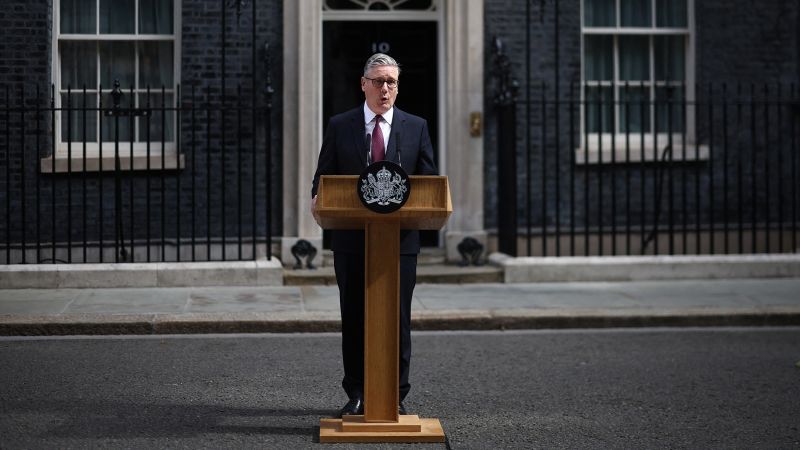
In his resignation speech, Starmer fairly boasted that he had changed his party, driven out the anti-Semites and won a landslide election victory. He also deserves credit for keeping the show on the road long enough with Donald Trump to get a tech arrangement over the line (though much of that is now in doubt) and for continuing Britain’s support for Ukraine. But his mistakes far outweigh his triumphs. How exactly did a landslide win turn into a premiership shorter than that of Theresa May and Boris Johnson?