Americans understand by now that what you see in an ad is not necessarily what you get when you buy the thing in the ad. Rarely does the burger taste as good as it looks on TV. But in pursuit of rapid growth during a period of ultra-industry-friendly federal regulation, prediction markets are exploiting the gap between the ad and the product in bold, perhaps legally shaky new ways.
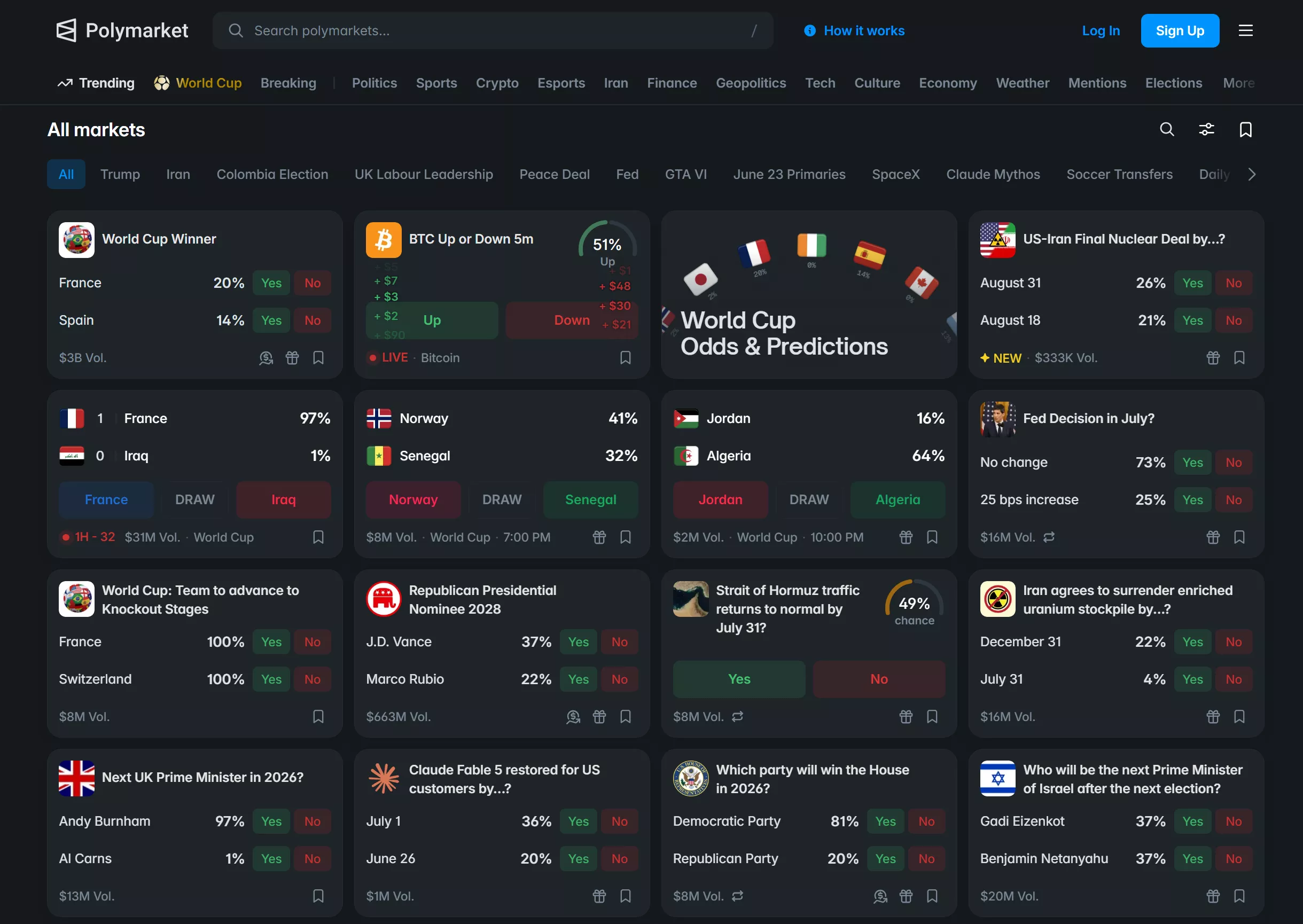
Over the weekend, The Wall Street Journal published an investigation into Polymarket’s deceptive advertising. They found that for months, the site, where you can bet on almost anything, has been paying influencers to post screenshots and videos to X of their most exciting Polymarket wins. One such ad would have you believe that a Polymarket user turned $1,000 into $100,000 by guessing that President Trump would say the word “McDonald’s” at a press conference. But the bets were bogus. The Journal found 118 paid ads in which users had posted misleading clips (old footage, manipulated headlines) suggesting they had won. In some cases, they weren’t even using Polymarket, but rather a cloned website created by the company — “poiymarket.com.” Influencers who spoke with the Journal said that Polymarket was paying them up to $3,000 per month and that the company had advised them not to disclose this financial arrangement.