Part of the proceeds will fund roughly $300 million in share buybacks, a move designed to offset the dilution that conversion would eventually cause. Robinhood is also purchasing capped call options with a cap premium of approximately 125 percent, a hedging structure that limits the number of shares the company would need to deliver if the stock rises past the conversion price. The combination of buybacks and capped calls is a standard playbook for convertible issuers aiming to raise capital without immediately expanding the share count.
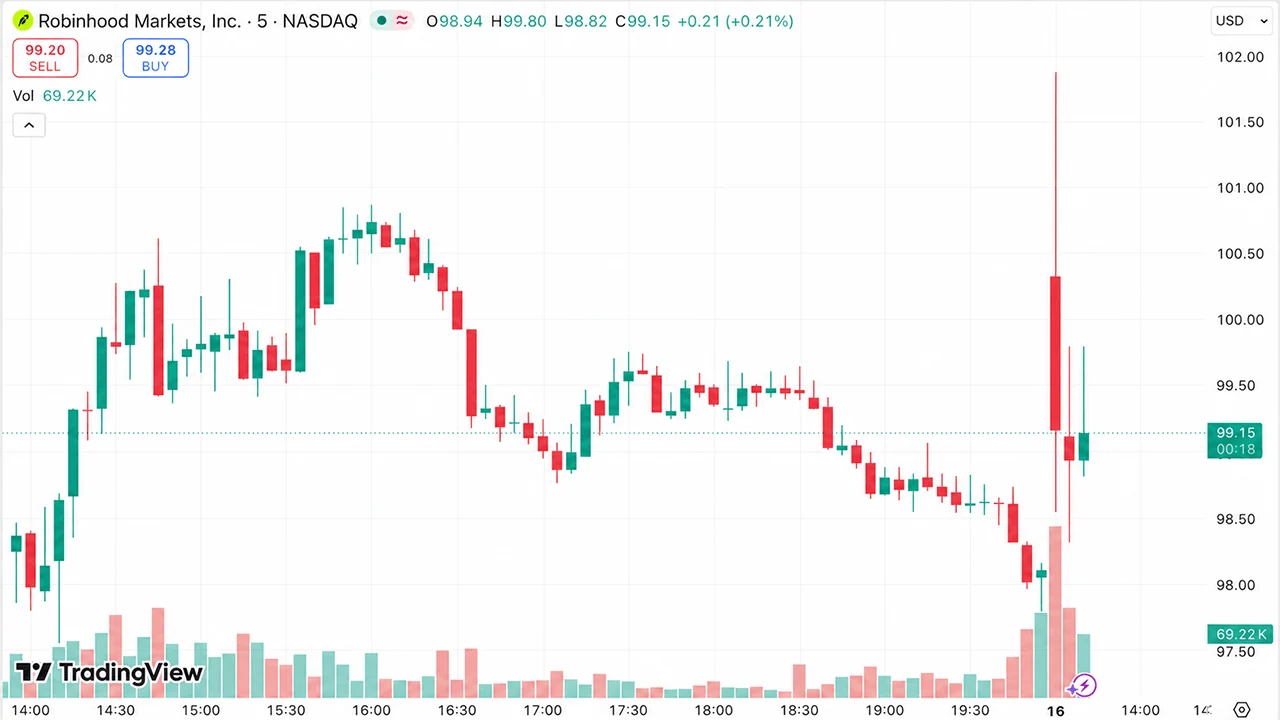
Robinhood’s stock fell approximately four percent on the announcement, a common reaction when companies issue equity-linked debt. The decline reflects the market pricing in potential future dilution, even with the hedging structures in place. Convertible bonds are, at their core, a bet by both issuer and buyer that the stock will be worth substantially more by maturity.
The timing is deliberate. The convertible bond market is experiencing its strongest period in years, with $34 billion in issuance in the first four months of 2026 alone, on track to surpass the $120 billion record set in 2025. Roughly $65 billion of pandemic-era convertible notes are maturing this year, recycling capital back into new deals and keeping investor appetite strong.