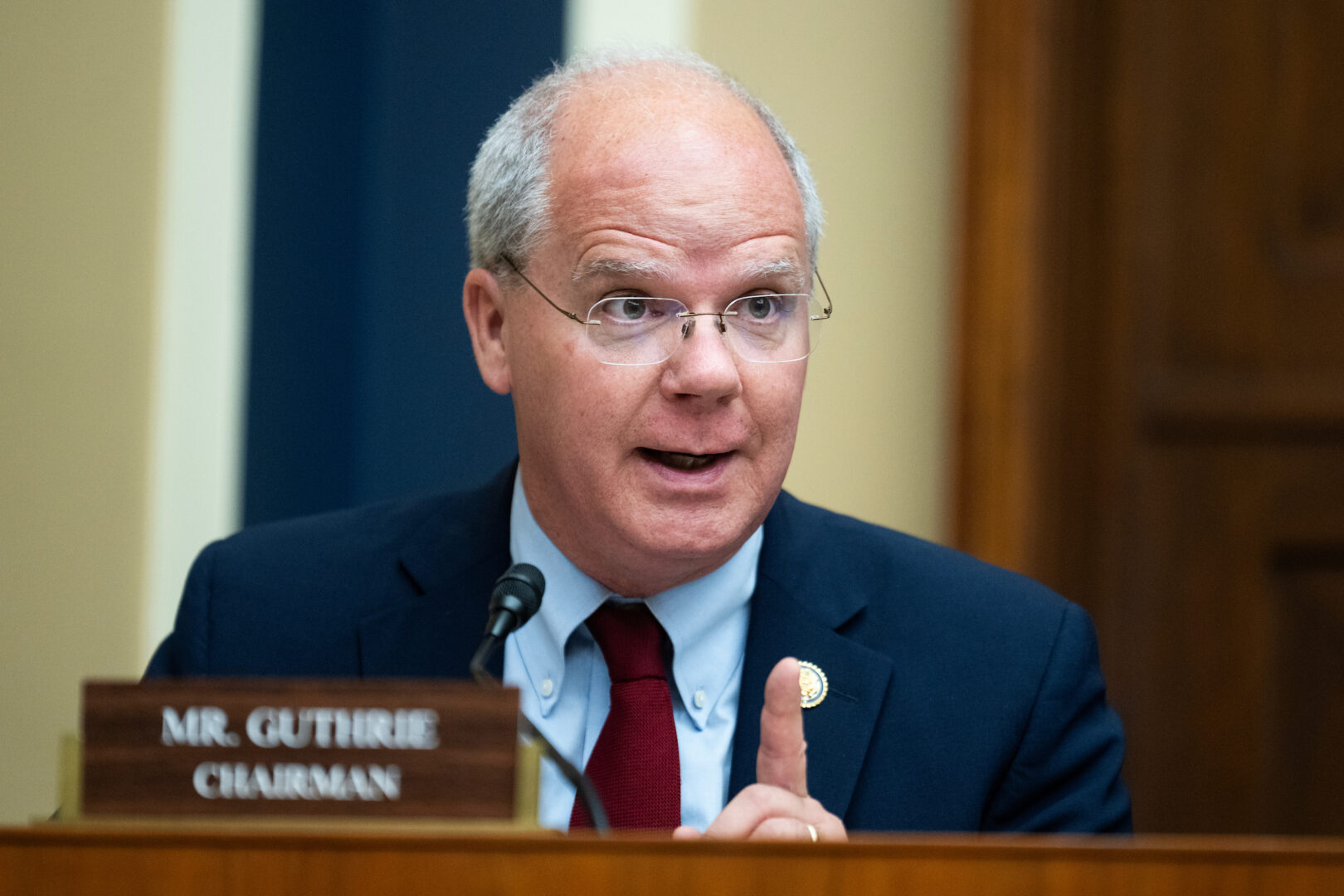
Members of both parties on the House Energy and Commerce Committee announced an agreement Monday on a legislative package meant to protect children from online harms, including pornography. It marks a breakthrough after months of discussion on a measure with strong support, but the measure has also drawn criticism from free-speech advocates on both the Left and the Right.“We worked across the aisle for many months and have now found common ground on policies to significantly improve the digital environment for kids,” said committee chairman Rep. Brett Guthrie (R-KY).
The centerpiece of KOSA would impose a “duty of care” for platforms to ensure that they do not expose children to harmful material. For example, platforms could be legally liable if children encounter content that promotes suicidal behavior, drug use, or eating disorders.Past versions of the bill would also require platforms to set privacy settings to the highest possible level by default for minors.Some liberal groups have claimed that KOSA could be used to block programs meant to provide information about gay and transgender issues to minors. On the Right, some activists have warned that the measure could facilitate the censorship of dissenting voices on social media, as happened during the COVID-19 pandemic.But some of the bill’s top proponents have also been conservatives, who argue that large social media platforms have harmed children and families, including Sen. Marsha Blackburn (R-TN), who co-authored the Senate version of the bill. Supporters argue that social media is driving a youth mental health crisis, and tech companies must be held legally accountable for addictive algorithms and predatory features.COPPA 2.0, meanwhile, would update existing law to ban targeted advertising at children, and raise the relevant age cut-off from 13 to 16. COPPA ensures parents receive a clear, easy-to-understand explanation of how their information will be used.Another of the measures included in the overall deal unveiled Monday would mandate that pornographic websites verify users’ ages to prevent access by minors. The bill would not directly require sites to scan IDs, but would require them to set up verification measures. The industry and some free-speech critics have said that such policies would amount to a soft ban on pornography for all ages.THE PITFALLS FACING THE BIPARTISAN AI REGULATION BILLThe new bipartisan deal includes several other provisions. One would limit market research on minors, while others would impose rules for minors for online games and artificial intelligence chatbots.“Coming into this Congress, we knew that protecting children and teens online would be one of the most significant challenges this committee would have to address,” Guthrie said. “The KIDS Act delivers the 21st century protections parents have demanded and our kids deserve.”