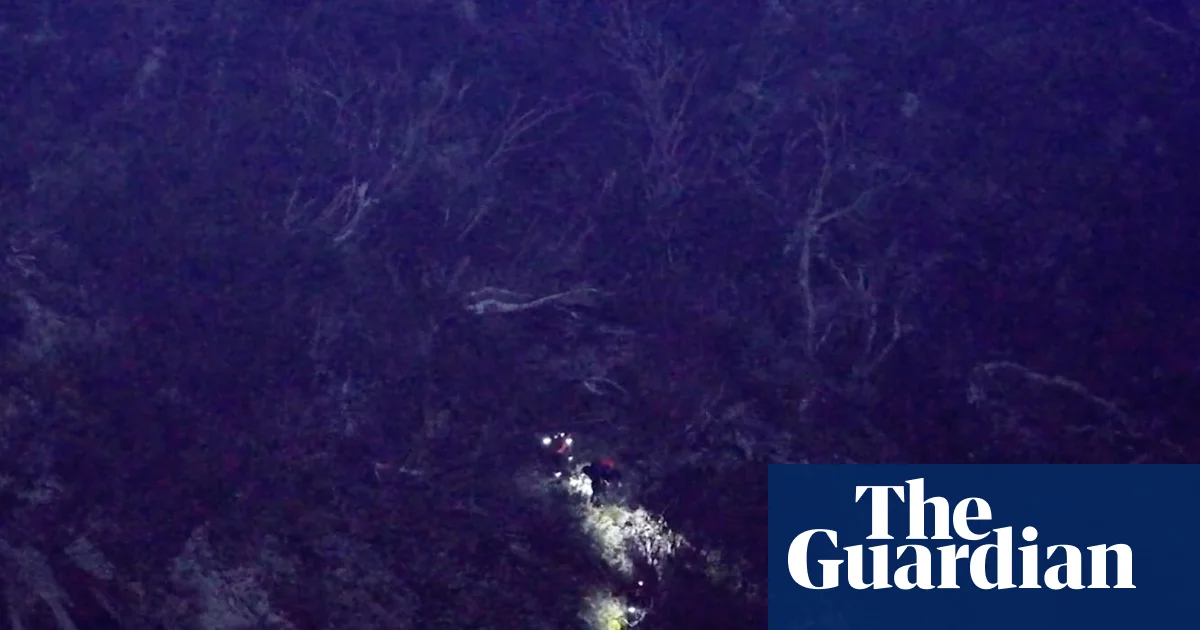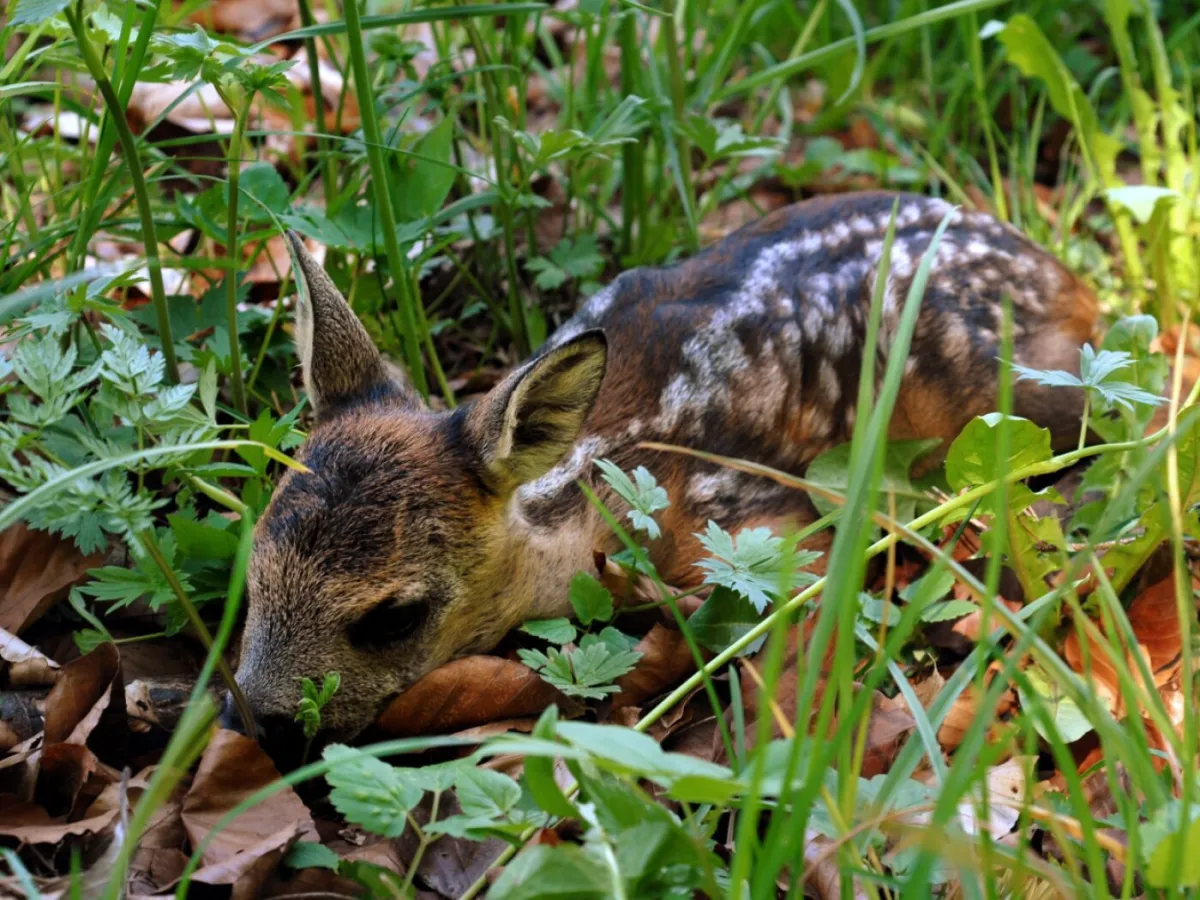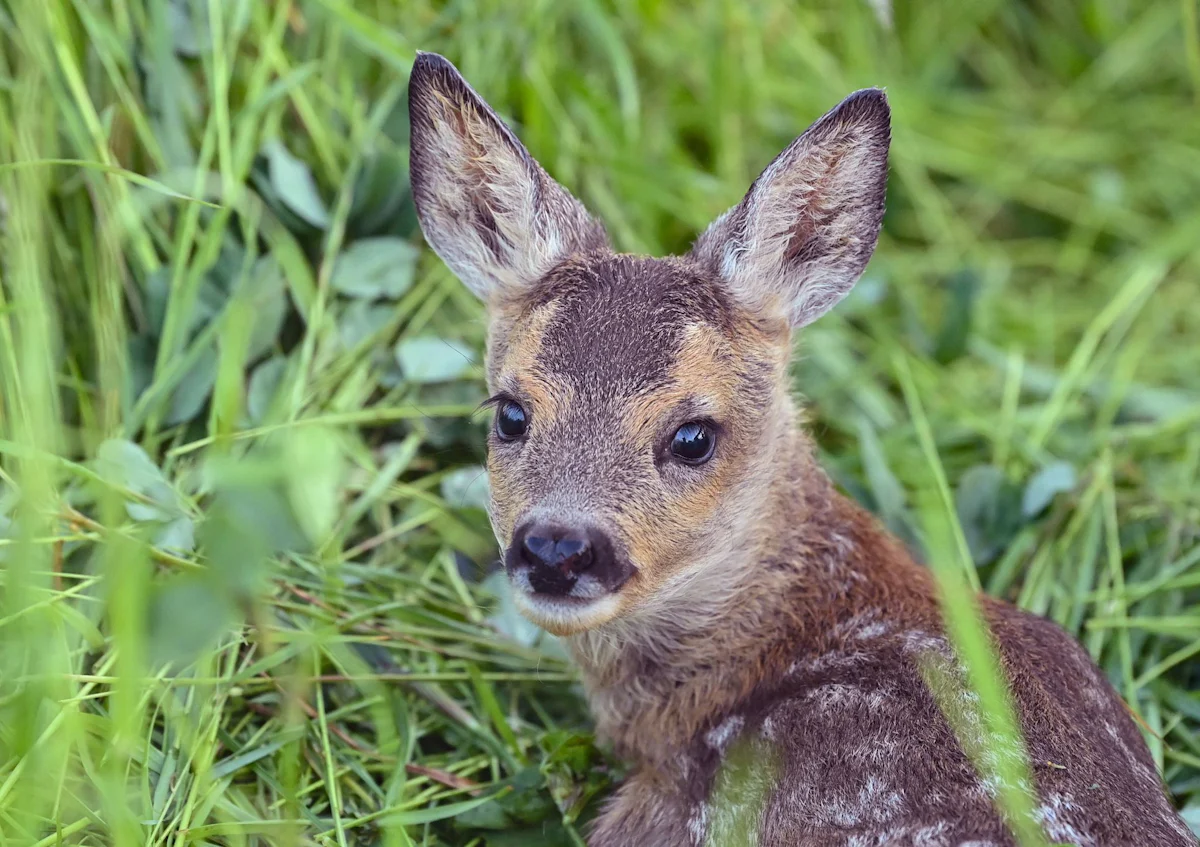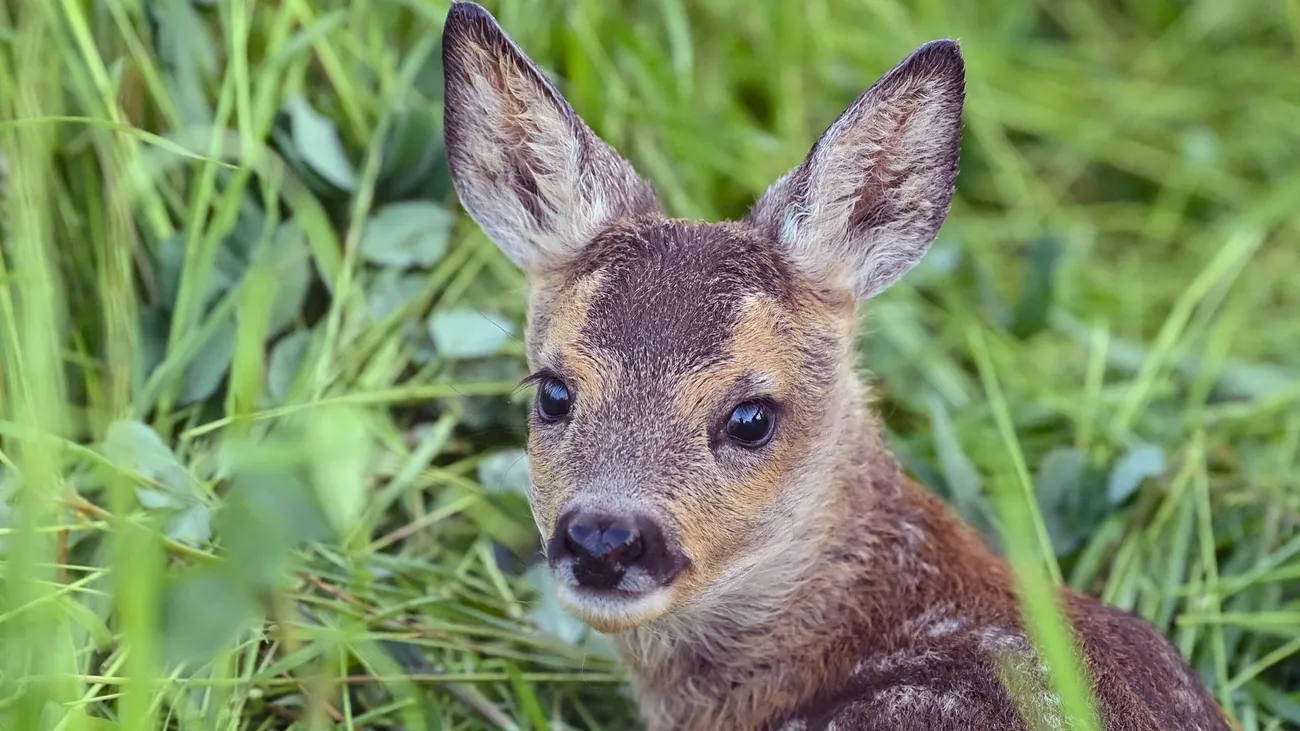
Every spring across Germany, an invisible race begins between wildlife rescuers and mowing machines. Young fawns often hide motionless in tall grass as farmers prepare to cut their fields. It’s a natural survival instinct that helps them avoid predators, but it also makes them nearly impossible to spot from the ground. For decades, rescuers relied on teams of volunteers walking shoulder-to-shoulder through meadows, searching for hidden animals before mowing began. Now, drones are dramatically changing that equation.
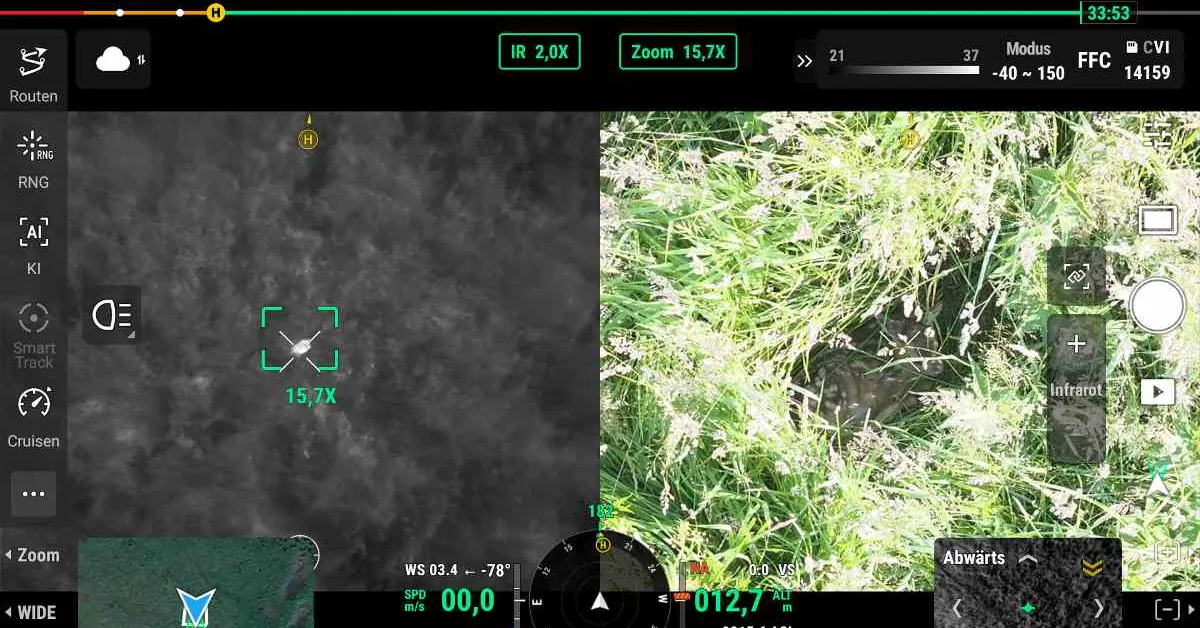
DJI has published a new video case study highlighting how Bavarian wildlife rescue organization Rehkitz-Rettung Mangfalltal is using the DJI Matrice 4T and Matrice 4TD thermal imaging drones to locate and rescue vulnerable fawns before they are harmed by agricultural equipment.
The results have been remarkable. According to the organization, annual rescues have increased from roughly 10 to 15 fawns per year to between 300 and 350 since drone technology became part of its operations.
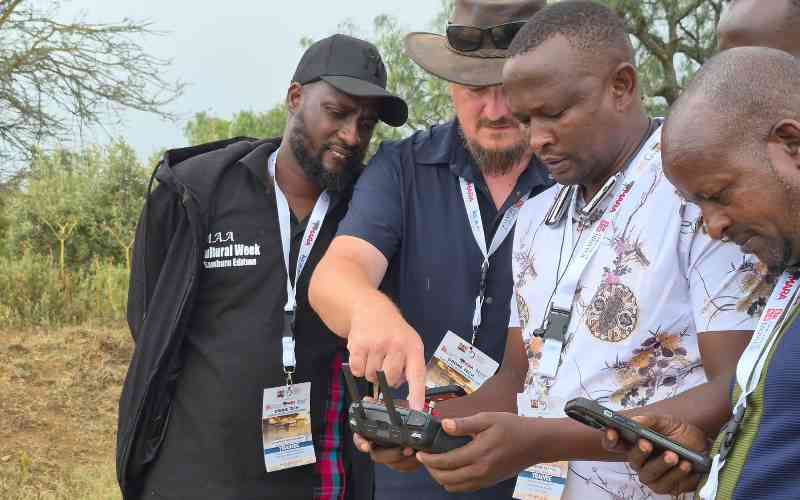
“We can keep them in the air longer, cover more ground without intermediate landings, and survey fields faster and with even more precision thanks to RTK,” says Tim Rau, pilot and chairman of Rehkitz-Rettung Mangfalltal. “Also, AI features help pilots reliably spot fawns. On an operation day, that easily adds another 50% more area coverage compared to the previous generation of drone technology.”