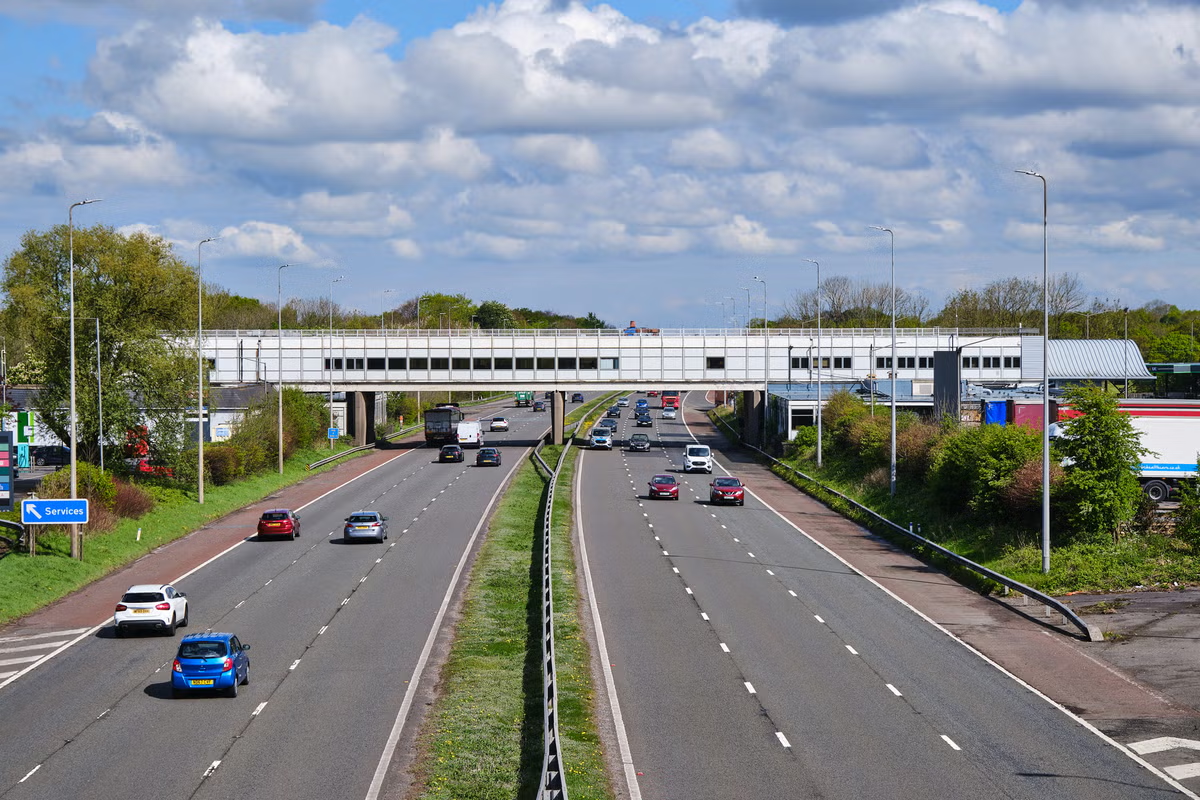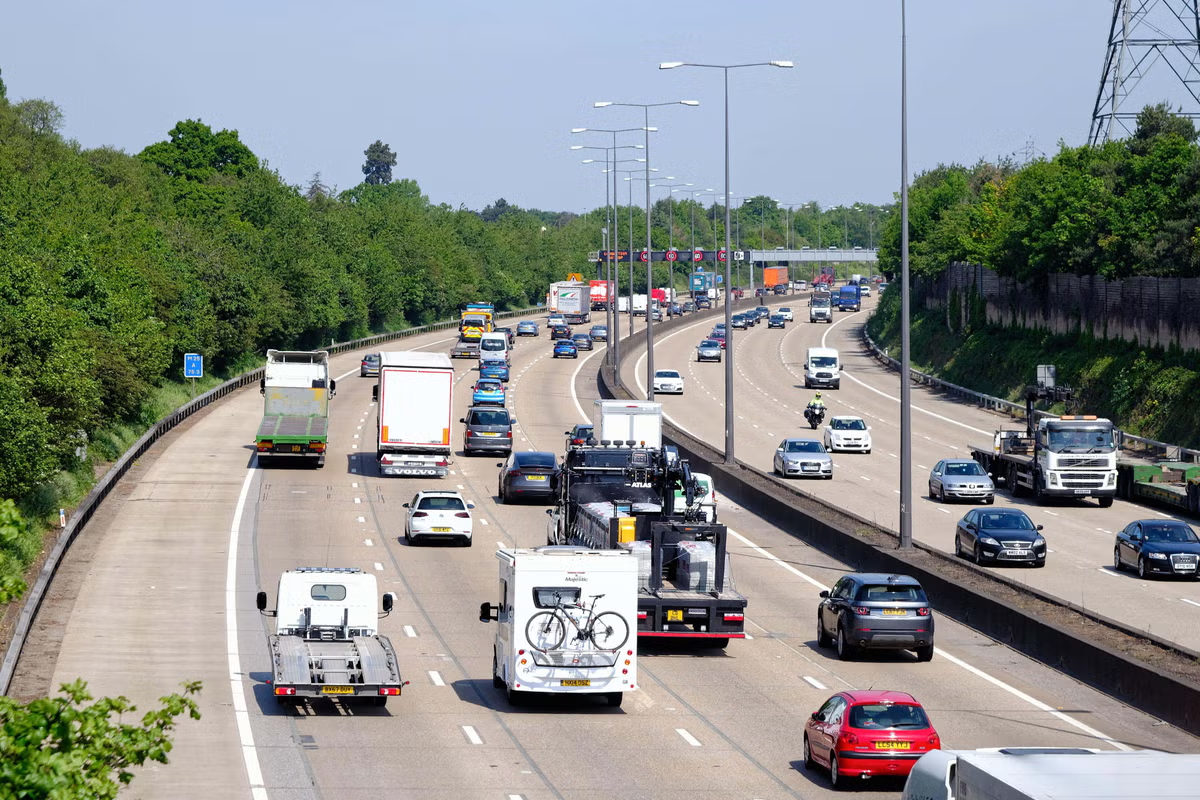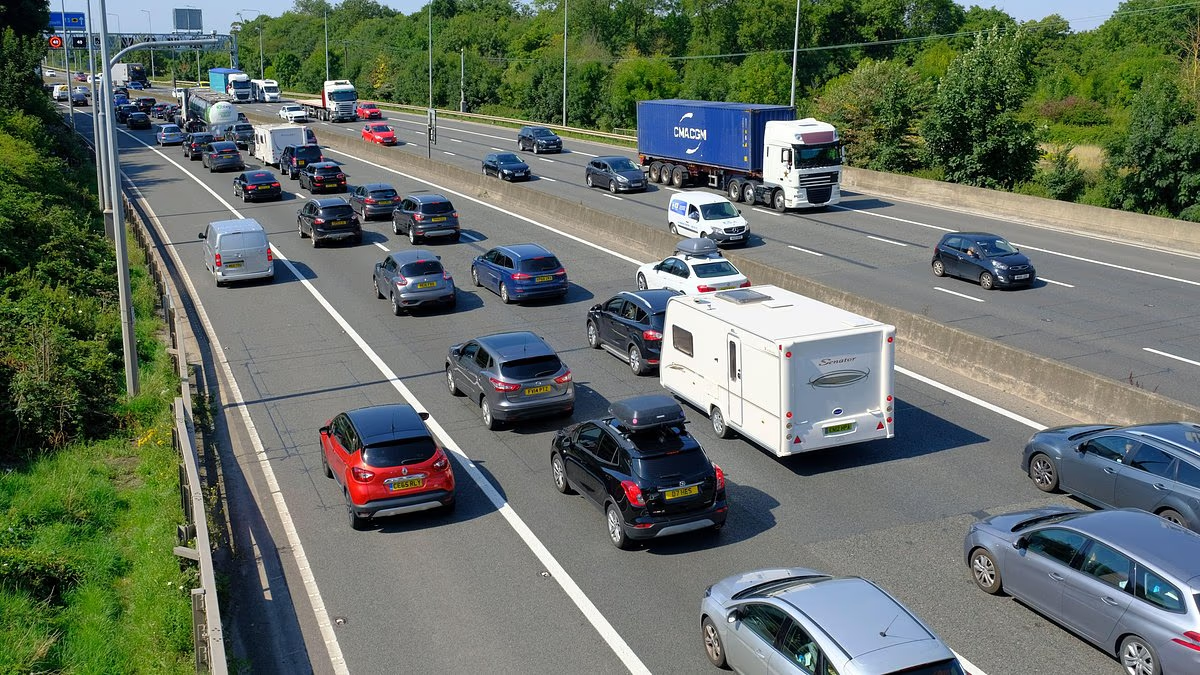
With Britain expected to be engulfed by scorching temperatures this week, motoring experts across the industry are telling drivers to prepare for a rise in breakdowns, especially involving older vehicles.A rare red weather warning for extreme heat has been issued for parts of the UK over the coming days, with record-breaking temperatures potentially reaching up to 40C.The UK Health Security Agency has issued a 'danger-to-life' alert for six regions: East Midlands, West Midlands, East of England, London, South East and South West.The heatwave will undoubtedly trigger travel disruption on rail networks and roads nationwide until the weekend, with commuters urged to take extra precautions ahead of the soaring conditions.The RAC says breakdown callouts have increased by around 20 per cent today compared with a typical Monday in late June, while the AA has told motorists to expect to see gritters out on the roads.Drivers are urged to carry emergency items in case they are caught in traffic jams, perform vehicle checks before setting off, and ensure they are using their car's air-conditioning system correctly as temperatures rise.Here are some of the best tips you need to know for this week's heatwave. Vehicle breakdown are predicted to increase by around 20% today compared with a typical Monday in late June - and could peak at record levels as the red weather warning hits this weekRise in breakdowns expectedThe nation's largest breakdown assistance providers are expecting a jump in callouts linked to this week's stifling conditions.The AA says the extreme hot weather puts added strain on vehicles, particularly older cars and vans, and those that have not been serviced recently.'Cooling systems can come under more pressure in high temperatures, making it important to monitor coolant levels and look out for signs of overheating.'Tyre pressures and oil levels should also be checked, and drivers should watch for warning lights, unusual smells, steam from the engine bay or rising temperature gauges.'Motorists should also regularly top up their car's screenwash, as hotter temperatures result in more insect splatter that can bake onto the windscreen.The RAC says its patrols are primed for record levels of activity this week.'We ask anyone who breaks down to be patient while providers prioritise the most urgent roadside jobs,' it said. When temperatures soar into the high 30s, road surfaces can reach as much as 50C, which begins to melt the tarmac. Authorities will then a fine layer of crushed stoneWatch out for loose stones on melting roads Road gritters are typically stored away at this time of year, awaiting winter duties to clear busy routes of snow and ice.However, they are likely to be deployed by authorities this week to protect roads from damage caused by the intense heat.AA president Edmund King said drivers 'shouldn't be surprised' to see gritters in action over the coming days, especially on busy stretches most likely to be affected.'Air temperatures in the low-to-mid 30s can translate into much higher road-surface temperatures because dark asphalt absorbs and stores heat,' he explained.'Some roads may begin to soften when surface temperatures approach 50C, particularly older or more vulnerable surfaces.'To prevent this, gritters are deployed to spread a fine layer of crushed stone and granite dust, providing additional protection from the sun and extra grip for tyres.'The main risk for drivers is not that the road suddenly melts everywhere, but that patches can become tacky or uneven. That can affect braking, steering and grip, especially for motorcyclists and cyclists, and can also throw up loose material,' King said.'If drivers come across a softened or damaged surface, they should slow down, avoid harsh braking or steering, and leave extra space from the vehicle in front.'Drivers should also increase the distance to the vehicle ahead to prevent loose stones from damaging their car's bodywork and windscreen. Don't be surprised to see gritters out on the roads this week. Councils will use them to spread loose stones onto melting tarmac Cover your car's seats with a jacketThe RAC has shared its best tips for keeping cars as cool as possible during the soaring temperatures.Parking in the shade where possible is always recommended, but it also suggests using a blanket or jacket to cover the vehicle's seats, especially if they are leather, which can quickly become extremely hot during a heatwave.Drivers are also urged to carry water and soft drinks at all times, ideally in an insulated bottle to keep liquids cool.If you have a cool box or cool bag used for summer holidays, it is worth putting it in the boot and filling it with cold beverages and snacks in case you are caught in traffic or your car suffers a breakdown.Motorists are also urged to carry spare hats and umbrellas to shield themselves and passengers from the sun, as well as sun cream.Making sure your phone is fully charged - or as charged as possible before journeys - is also recommended in case of emergencies.Drivers should also download and log in to their breakdown provider's dedicated smartphone app, which patrols can use to locate them if their vehicle develops a fault.Storing a spare clean pair of sunglasses in the car is also advised.Your car interior quickly becomes dangerous, even during quick stopsThe AA is reminding drivers that parked vehicles can become dangerously hot very quickly. Children, vulnerable passengers and pets should never be left inside a parked vehicle, even briefly.This is especially important during school runs, work stops, deliveries, supermarket trips or quick errands, where drivers may underestimate how quickly the temperature inside a vehicle can rise.Lee Morley, AA patrol expert, said: 'Vehicle interiors can become dangerously hot very quickly, and even a short stop can become a serious risk.'The air recirculation button can reduce cabin temperature more quickly in heatwaves, help those with hay fever and save fuelGet tactical with air-con When temperatures reach high 20s, the 30s or even the 40s, the temptation is to turn the air conditioning to maximum as soon as you get into your car. But doing this increases the strain on your car's electrical system, wastes fuel and makes the interior even hotter initially.This is because it can take time to circulate properly, as the system needs to cool the air before pushing it through the vents.Motorists should open the doors for a minute or two to first let the extreme hot air that's built up inside escape and be replaced with cooler fresh air. This also helps release toxins that can be emitted from interior materials - such as formaldehyde, a preservative used in seats and dashboard plastics - during prolonged heat exposure.When driving away, it's best practice to activate the air recirculation button which shuts off airflow from outside and treats the air that's already in the vehicle.The air-con can then maintain cooler air more efficiently, rather than working harder to cool warmer air that's drawn in from outside when the system isn't at its optimum operating conditions.After a few minutes of driving, you can then switch to the mode that draws fresh air from outside, which is passed through a pollen filter and significantly lowers its temperature before pumping the air into the cabin.Using air conditioning in this way reduces strain on your car's 12-volt battery, lowering the likelihood of a breakdown, particularly in older vehicles.It can also delay the need for an air-con re-gas or recharge, which typically costs between £50 and £200, according to the RAC and Kwik Fit CARS & MOTORING: ON TEST
Top tips to get drivers through the red heatwave warning this week
The RAC says breakdown callouts have increased by around 20% today compared with a typical Monday in late June, while the AA has told motorists to expect to see gritters out on the roads.
1,236 words~6 min read