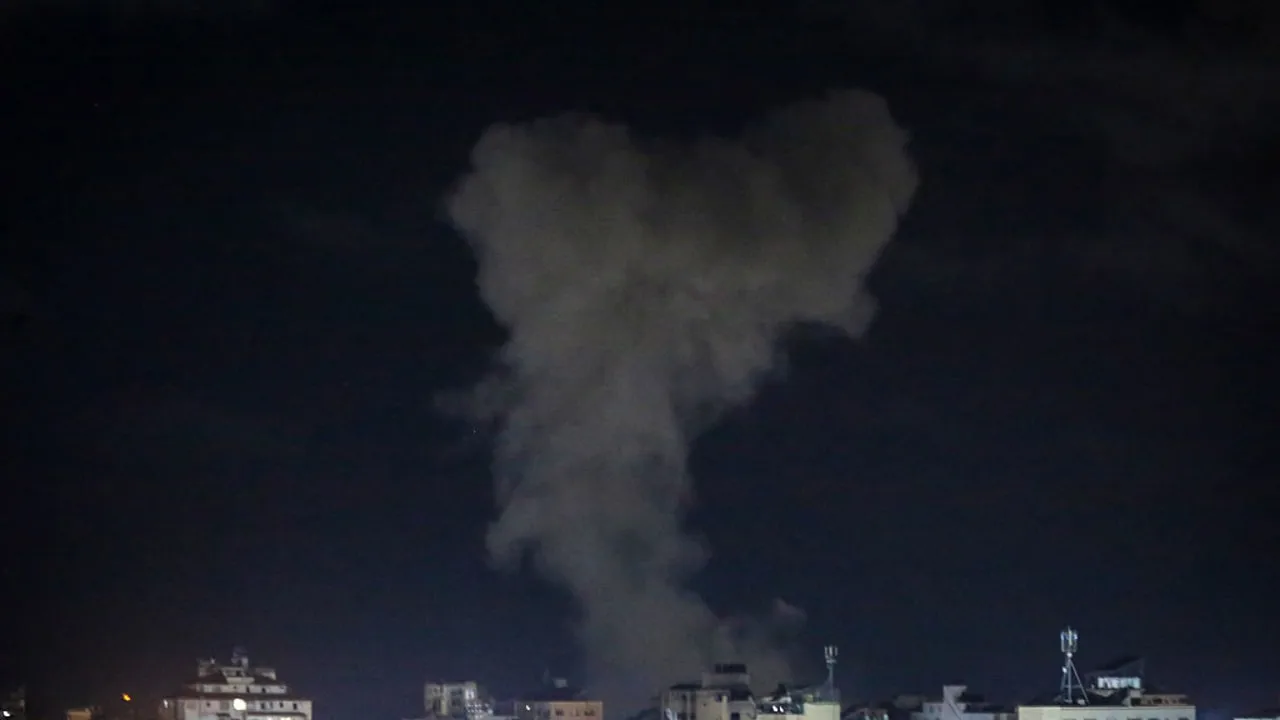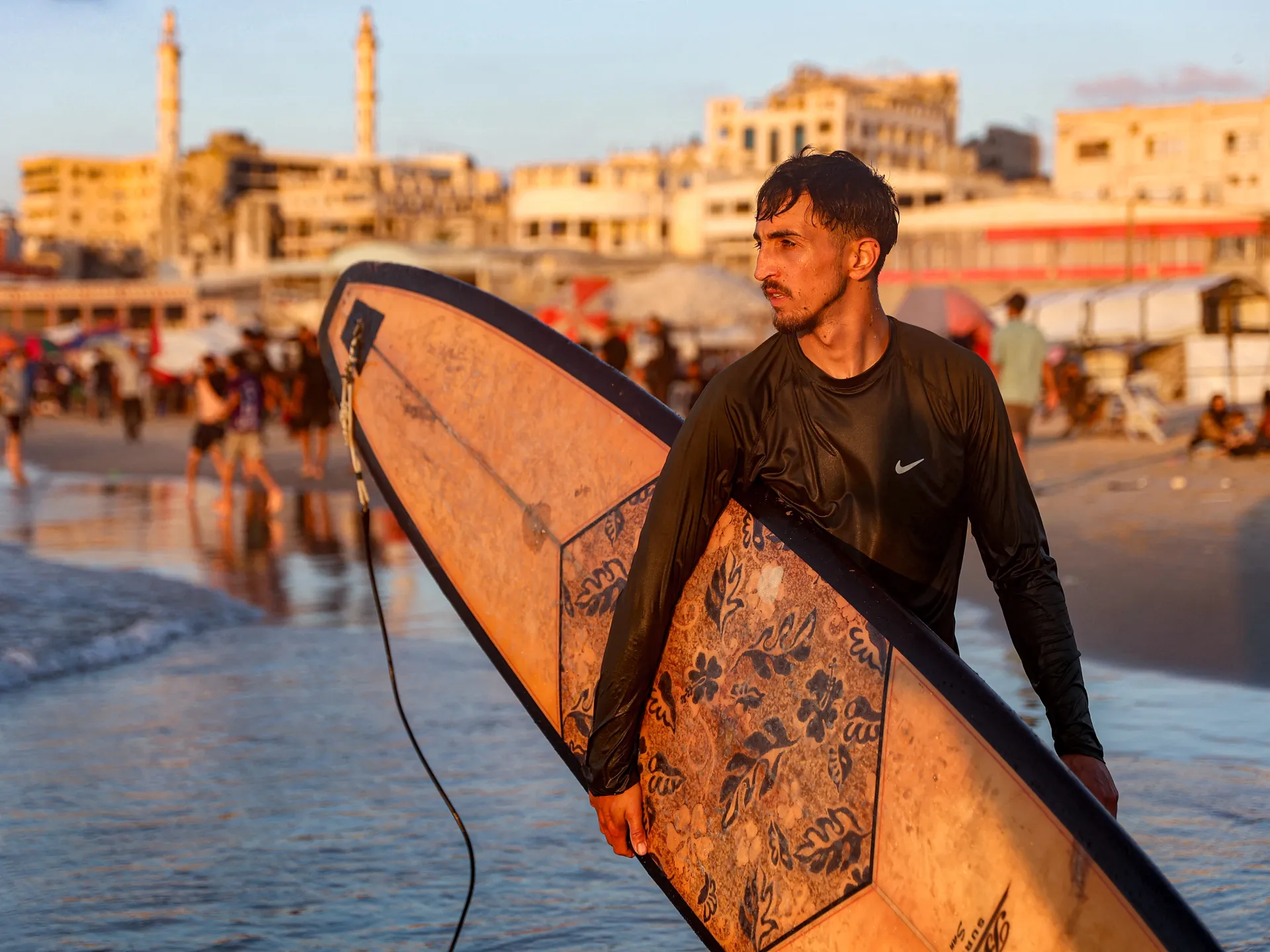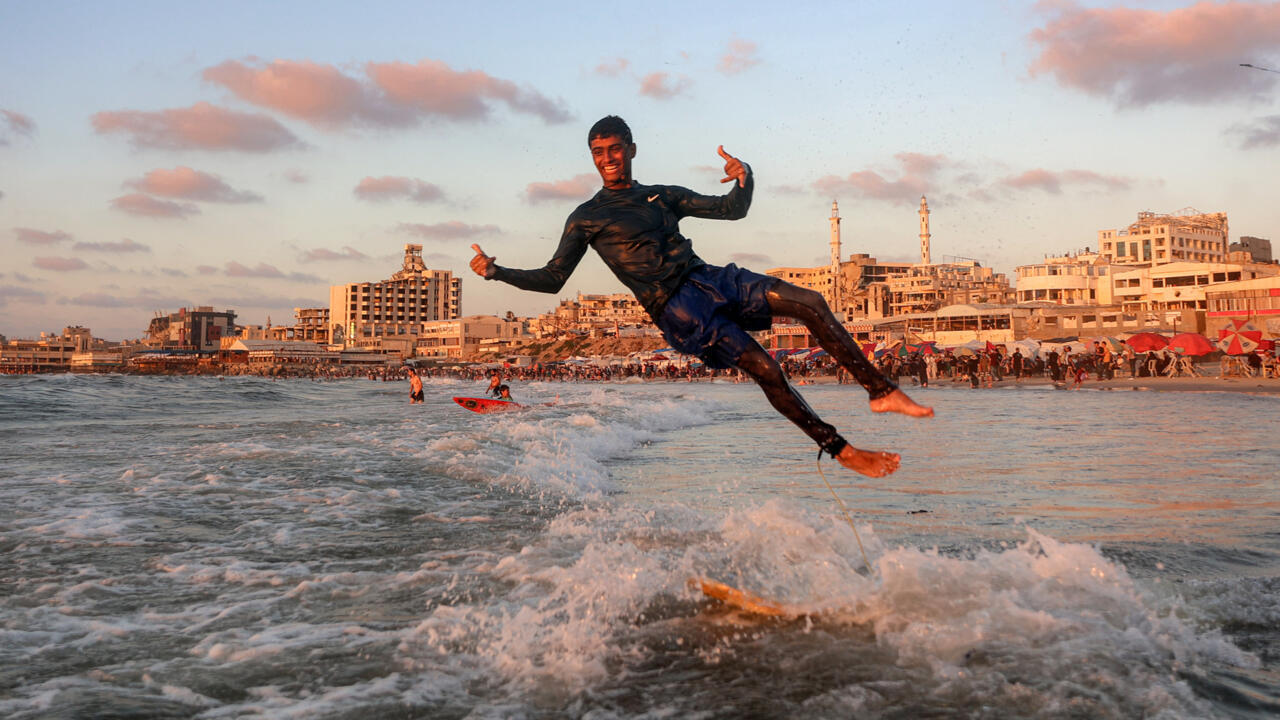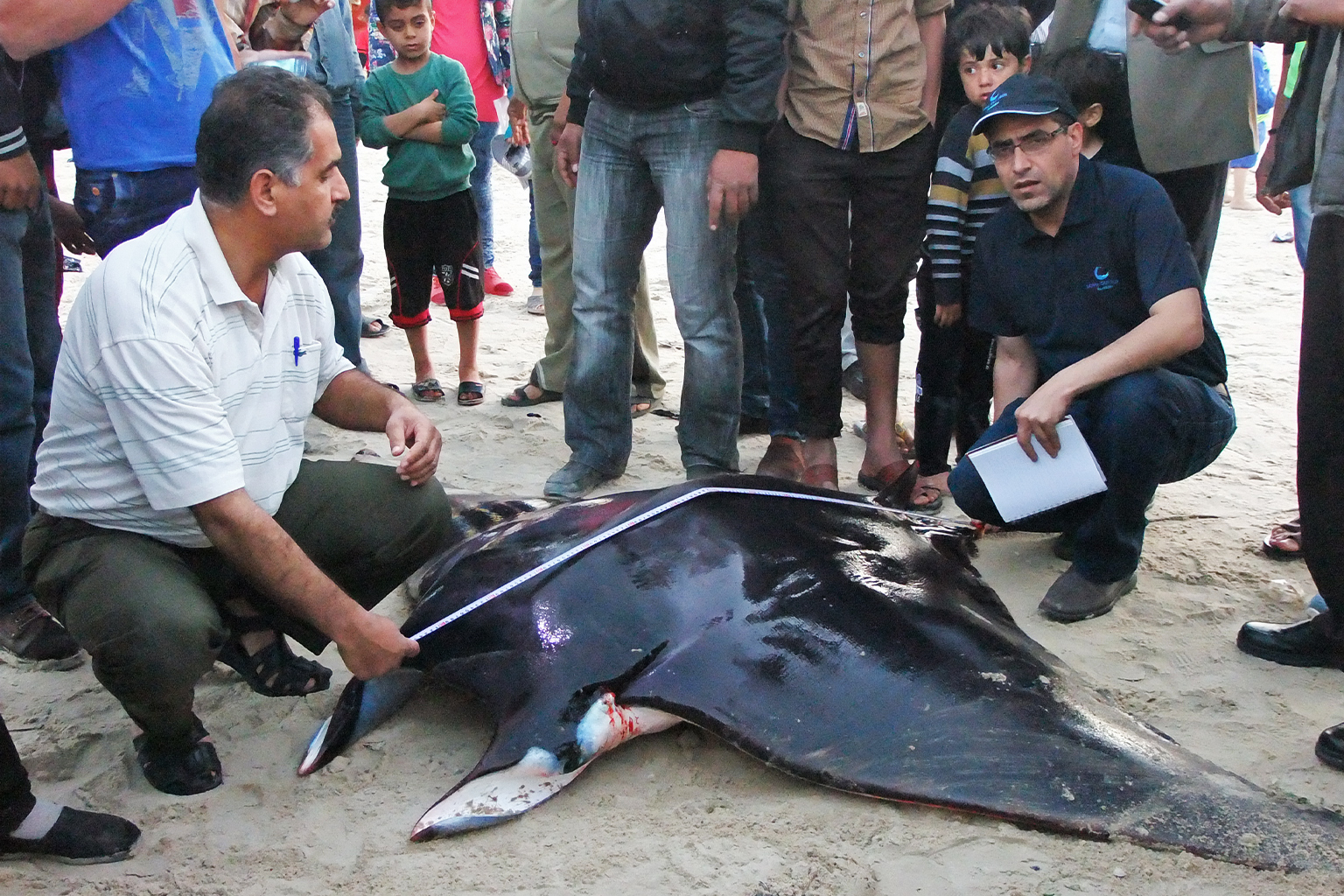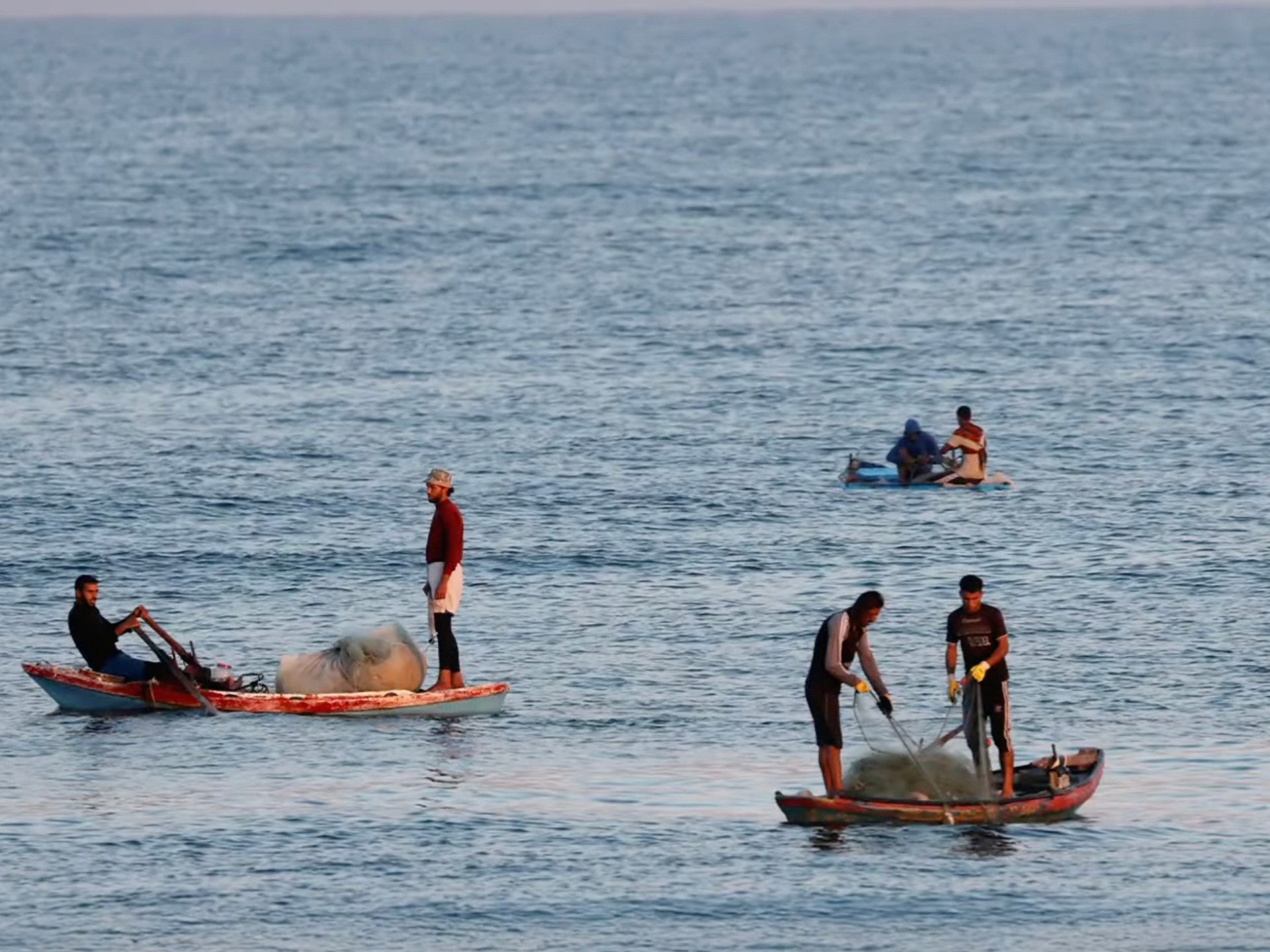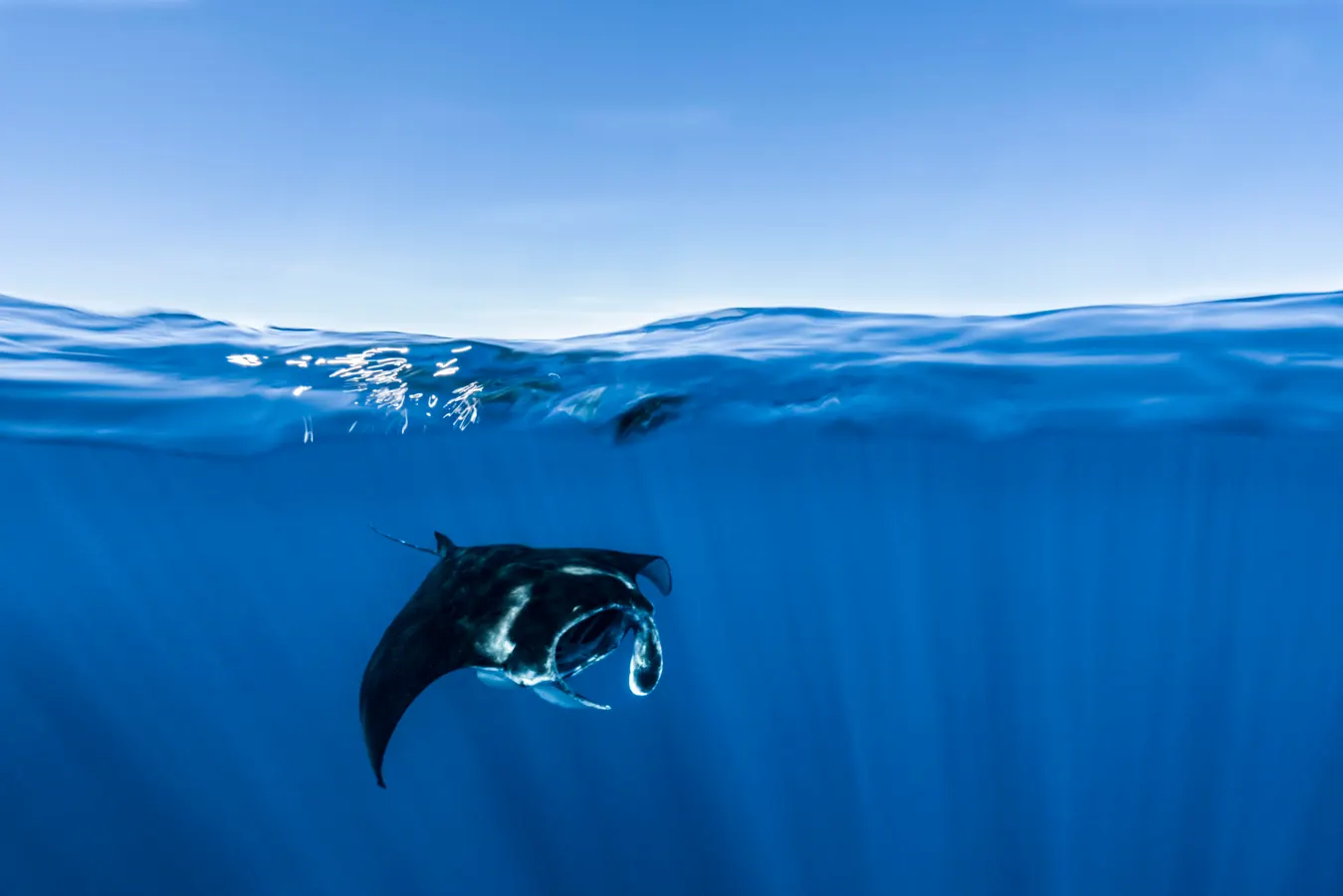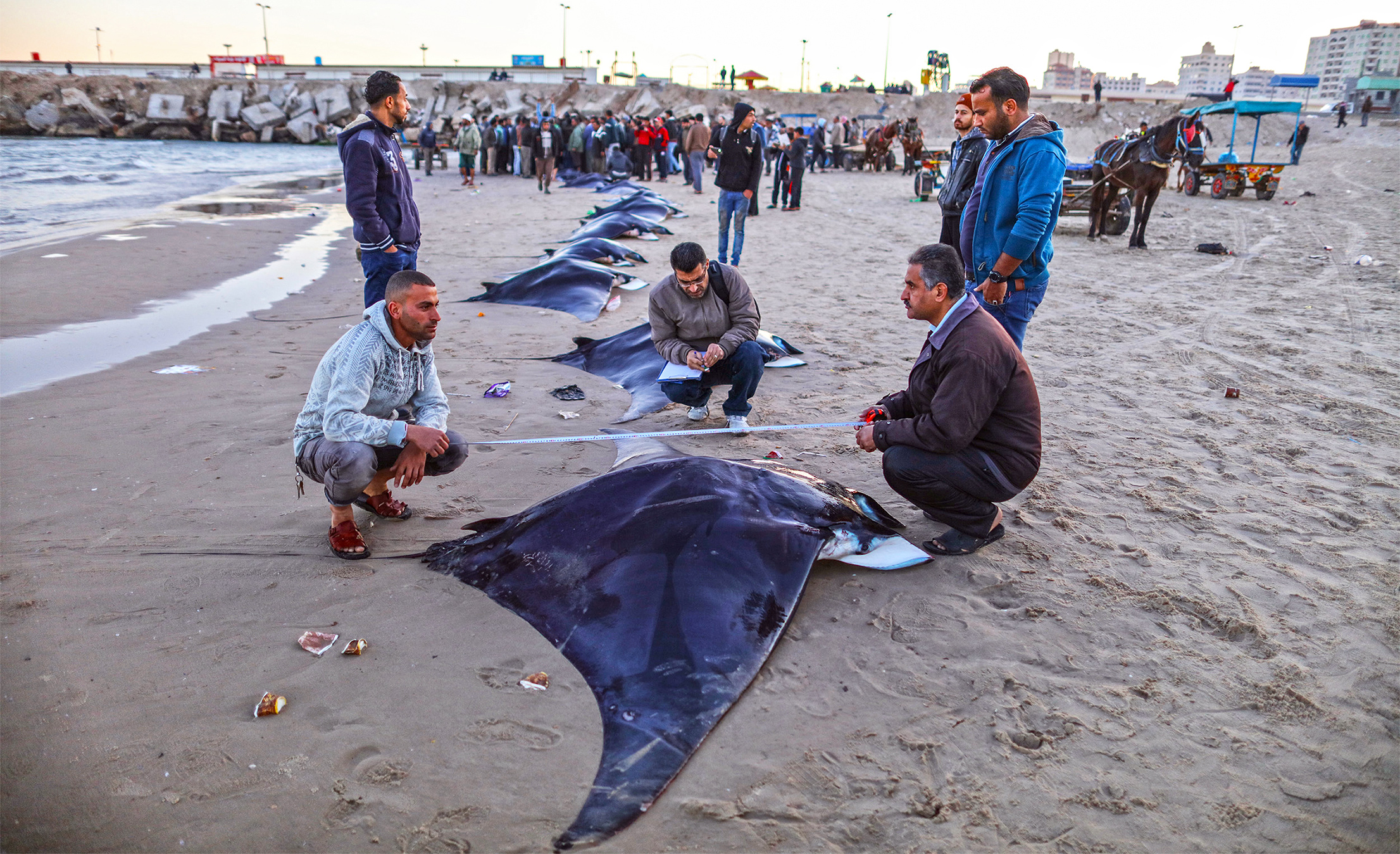
Mohammed Abu Daya is a marine ecologist in Gaza. His research focuses on spinetail devil rays, a large-bodied species of ray that roams the Mediterranean Sea and beyond.Since 2013, Abu Daya has monitored the impact that local fisheries have on spinetail devil rays, which are listed as “critically endangered” on the IUCN Red List. Palestinian fishers occasionally target the rays when they stray into Gaza’s coastal water, as other fishing resources in the area have been depleted due to longstanding Israeli restrictions.Displaced by Israeli bombings during the war in Gaza that began in 2023, Abu Daya now lives in a tent, with limited access to basic necessities like food and drinking water, or to the internet. His university office has been destroyed, and he can no longer conduct research at sea. Yet he continues to carry out his scientific work, in the hope that it will help improve the conservation of devil rays globally.In 2025, at the height of the war, Abu Daya co-authored an international research paper documenting the behavior of spinetail devil rays and showing the importance of the Levantine region for the conservation of this species.
On the messaging platform WhatsApp, Mohammed Abu Daya’s profile picture features an aerial view of Gaza City before the current war. A clutter of high-rise buildings rises against the sky; at their feet, a strip of sandy beach, bathed by the sun, and the dark blue sea, dotted with small fishing boats.