(Image credit: XanderSt/Shutterstock)
It is practically impossible to log onto any social media platform today without being immediately greeted by content that was obviously generated by artificial intelligence.For me, it has become an absolute chore. When I log into Facebook, I am bombarded with ads for Meta’s free AI creation tools. When I hop over to Instagram, older family members are routinely filling my inbox with unfunny AI video loops. But that glut of low-effort digital filler—colloquially known as "AI slop"—has become an especially massive problem on TikTok.Typically, TikTok's hyper-tuned algorithm curates your "For You" page based on what you have liked, watched, and interacted with. But a glaring problem arises before TikTok even figures out your taste.According to a June 2026 new research report by the video-editing platform Kapwing, new accounts and children are being treated to an overwhelming deluge of machine-made junk.New users and children are being overloaded with AI slop the most
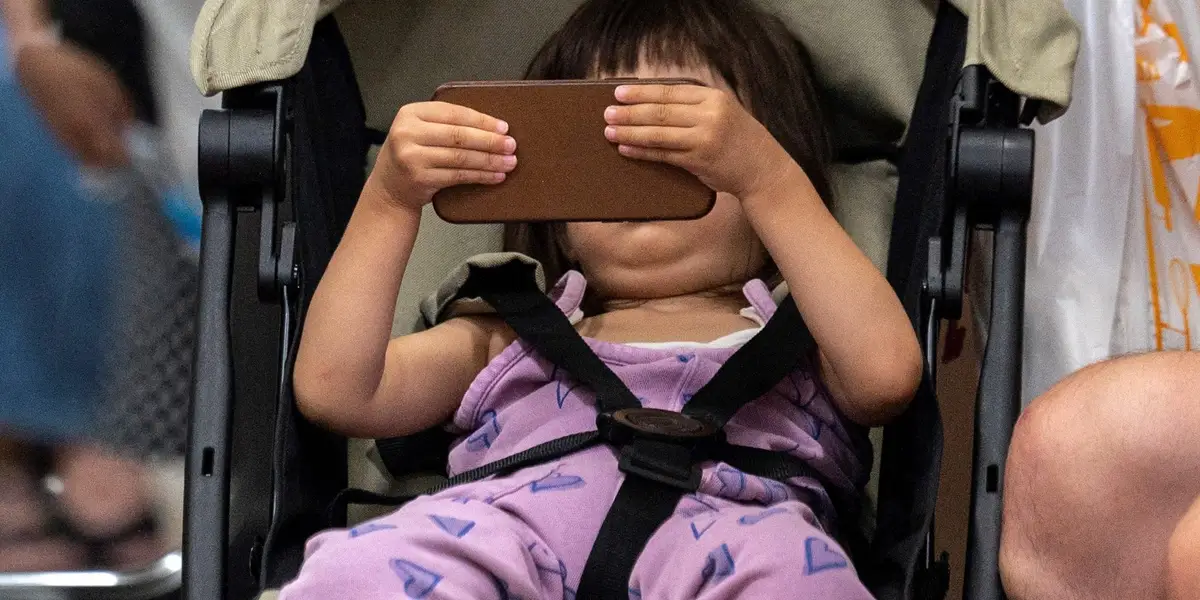
(Image credit: Future)Kapwing’s report posted up some pretty shocking statistics that pointed to TikTok’s increasingly evident AI slop problem:Some 59% of the videos shown to a brand-new TikTok account’s “For You” page are classified as AI slop (that’s considered three times as much AI slop as a new YouTube account is served).As for children, 57.4% of all the TikTok videos aimed at them are also AI slop.97% of videos that are tagged with #cartoonkids fall under the category of AI slop74% of TikTok videos tagged as #healthtips are mostly AI slop.35% of educational TikToks tied to the Science & Education, as well as 33.8% of the Health and 33.5% of the History categories, are considered AI slop.It’s worth noting that in 2025, TikTok introduced controls that give users the power to reduce the amount of AI-generated content they see, plus the company has invested in initiatives meant to improve users’ AI literacy.Speaking of AI literacy, it’s definitely worth keeping the following tips in mind when you’re talking to your kids about how to recognize TikTok or any other social media AI slop:Get instant access to breaking news, the hottest reviews, great deals and helpful tips.If it seems too weird to actually be real, pause it before believing it: AI-generated videos often thrive on serving up shock value, such as celebrities doing out-of-character things or major historical figures giving speeches they never gave. For any instances of videos that seemingly deliver fake news or showcase animals doing the impossible, you might be getting exposed to AI-generated content.Check to see if other legit sources are talking about the information being fed to you: Before trusting a video and the information it’s presenting as factual, check to see if it's being reported by any reputable news sources. If that major claim of event only exists through a viral video, then that’s a huge warning sign that you’re being treated to AI slop.Keep a close eye out for the common signs of AI-generated content: AI video generators have gotten noticeable improvements, but the content they serve still comes with some common signs that expose them. Those signs include fingers/hands/teeth appearing in strange ways, backgrounds that unexpectedly change while in motion, humans blinking in unnatural ways, robotic/unnatural voices and objects randomly appearing/disappearing.Follow creators who explain how content is made: It’s especially helpful to tell your kids to follow content creators who do a good job of explaining the ins and outs of AI content. Creators who delve into the topics of AI image/video creation, deepfakes, video editing and fact-checking are worth checking out.Check the comment section: Simply pausing the video before it even gets going to check the comments section will tell you if you’re watching something real or viewing an obvious AI slop presentation.Bottom lineKapwing’s report is troubling, as it shows just how much AI slop overwhelms the feeds of brand-new accounts and children. But with the proper knowledge and just good old-fashioned common sense, your children will have a much easier time skipping over AI-generated content as soon as they see it and exposing themselves to the sort of videos that feed their brain instead of polluting it.