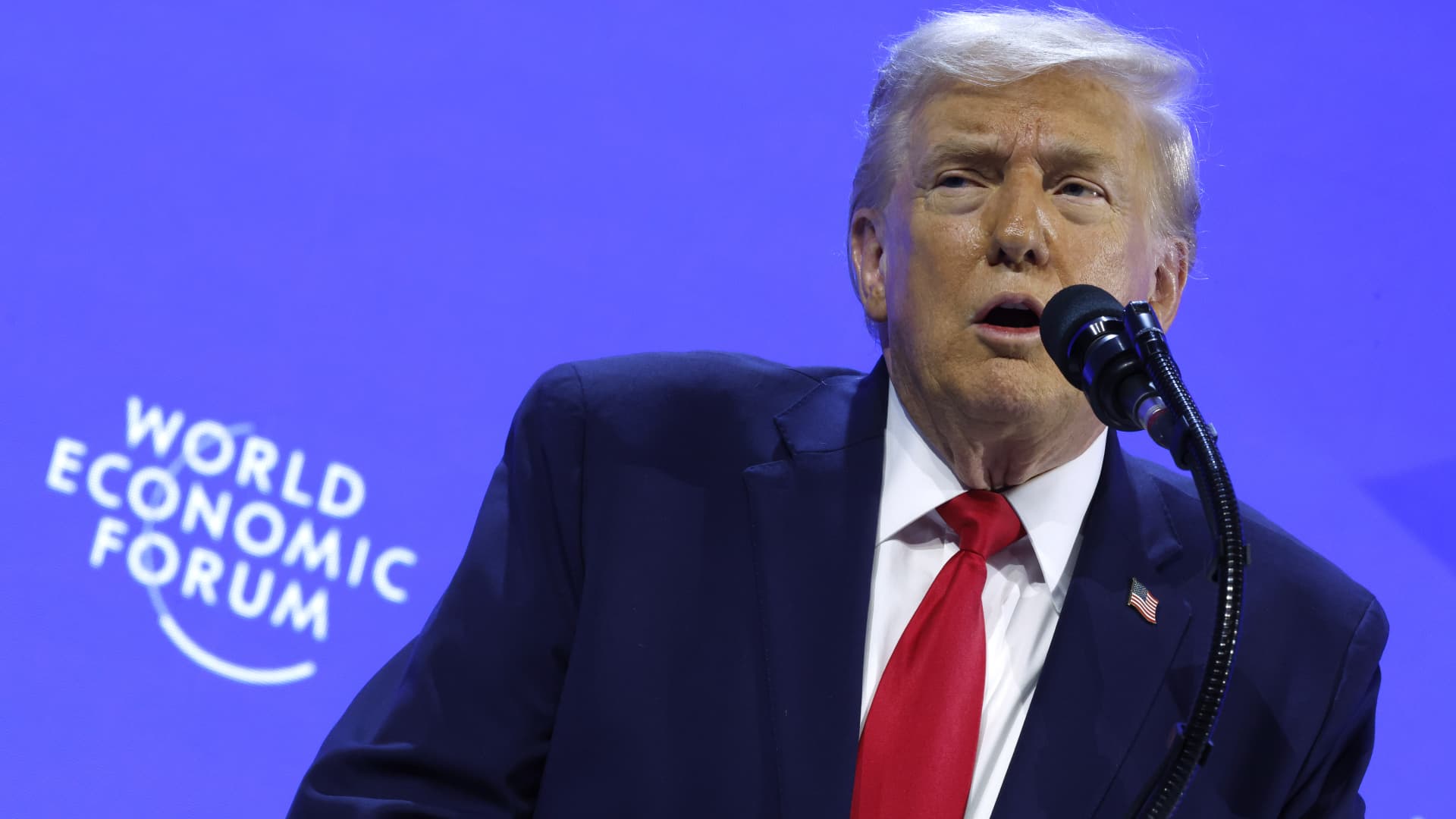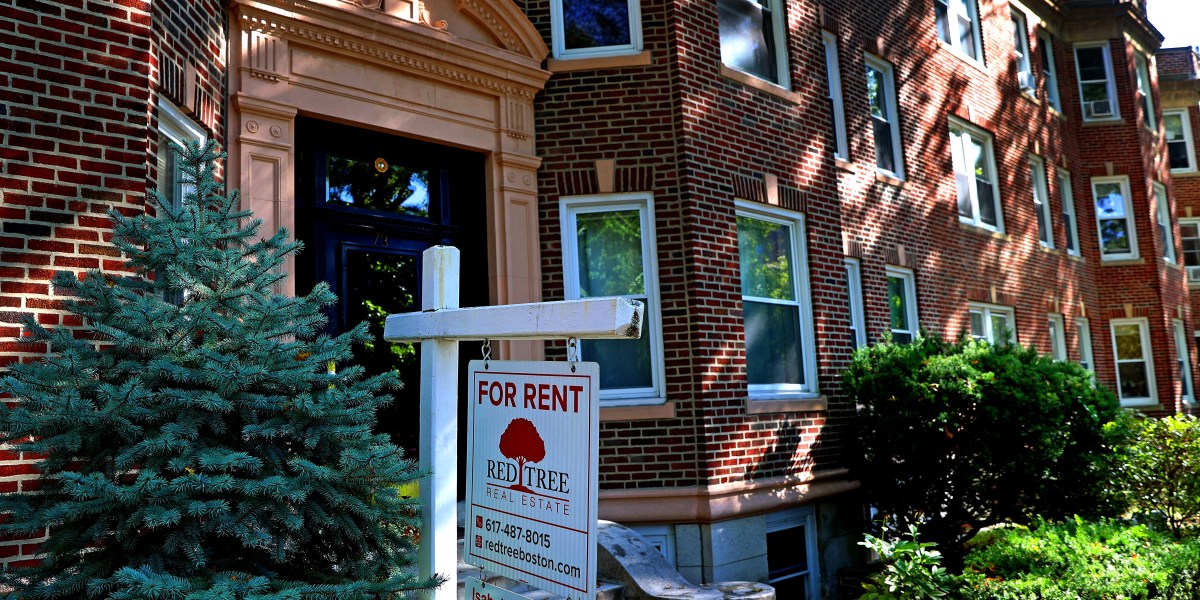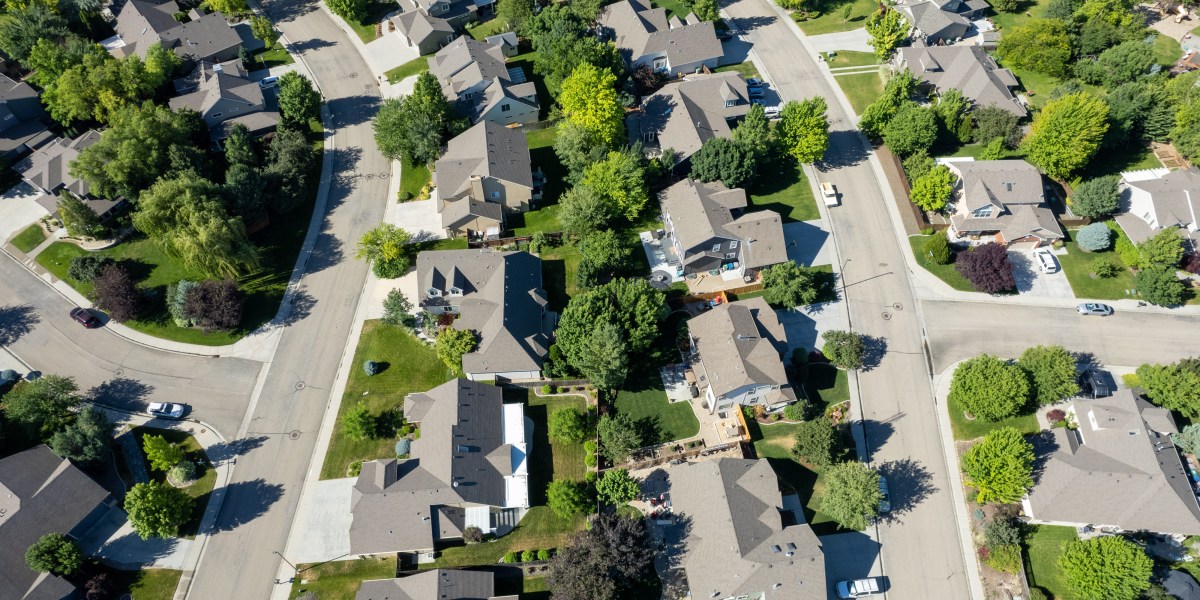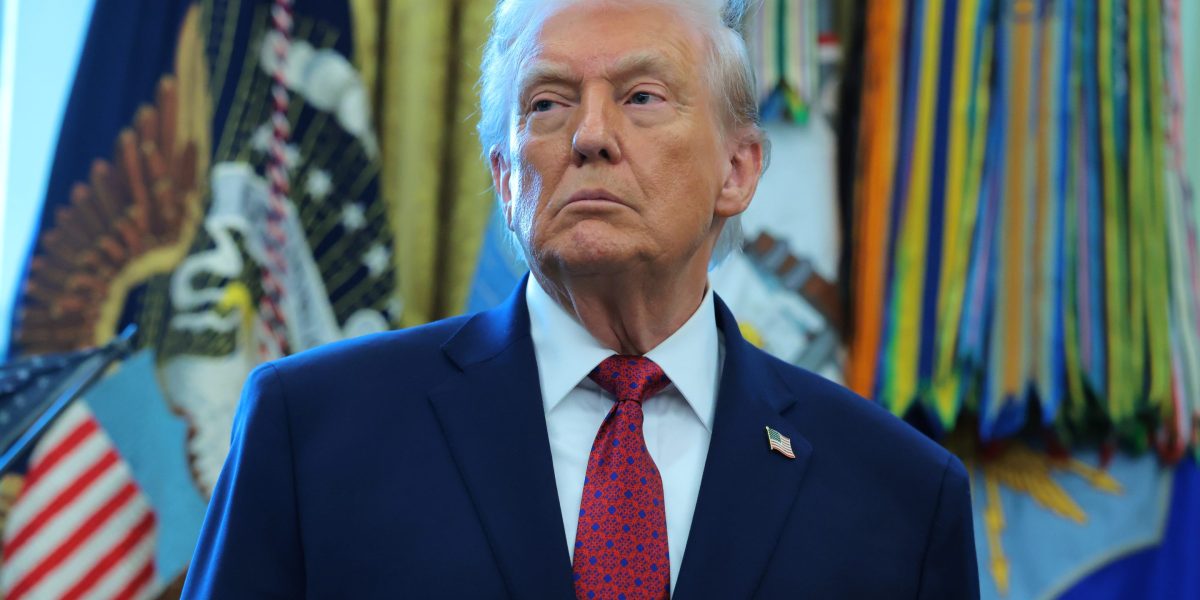
President Trump's latest command economy performance is aimed at large institutional investors in single-family homes, pledging to block them from buying more.Why it matters: This is his first public break with private equity since returning to office, and a rare time when he might find common ground with Democrats.It's also a direct shot at Blackstone, whose CEO Steve Schwarzman is a longtime Trump supporter.State of play: Trump is expected to lay out details of his plan later this month during a speech at the World Economic Forum in Davos, and would then need Congress to take up the mantle.We've not yet heard any details on how "large institutional investor" would be defined, nor if Trump's plan would include required divestiture of existing assets.The big picture: Housing costs are a major driver of America's affordability problems — the ones Trump refers to as a "hoax" — but institutional investors own relatively few single-family homes.Private equity first entered the market after the financial crisis, led by Blackstone, buying up distressed supply.Since then, its interest has ebbed and flowed. For example, Blackstone says that last year it sold more single-family homes than it purchased and that it's been a "net seller of homes over the last decade."Brookings estimated in late 2023 that around 3% of America's single-family homes were owned by "large institutional investors," noting that they were more active in the multifamily housing space.It added that such ownership was concentrated in select geographies, where the market shares were therefore higher (up to 12% in some cases). Examples included Charlotte, Indianapolis, and Tampa.Look ahead: It's unclear how institutional investors will react, although public equity investors hammered some of their stock prices yesterday.Do they just keep buying when opportunities emerge, expecting Trump's effort to stall? Do they pause? Do they begin selling, worried about becoming distressed sellers themselves?The bottom line: Few private equity firms own homes, either to flip or to rent. But almost all of them are invested in sectors that impact affordability — so they may not want to get too comfortable.
Trump housing plan likely won't help the affordability crisis that much
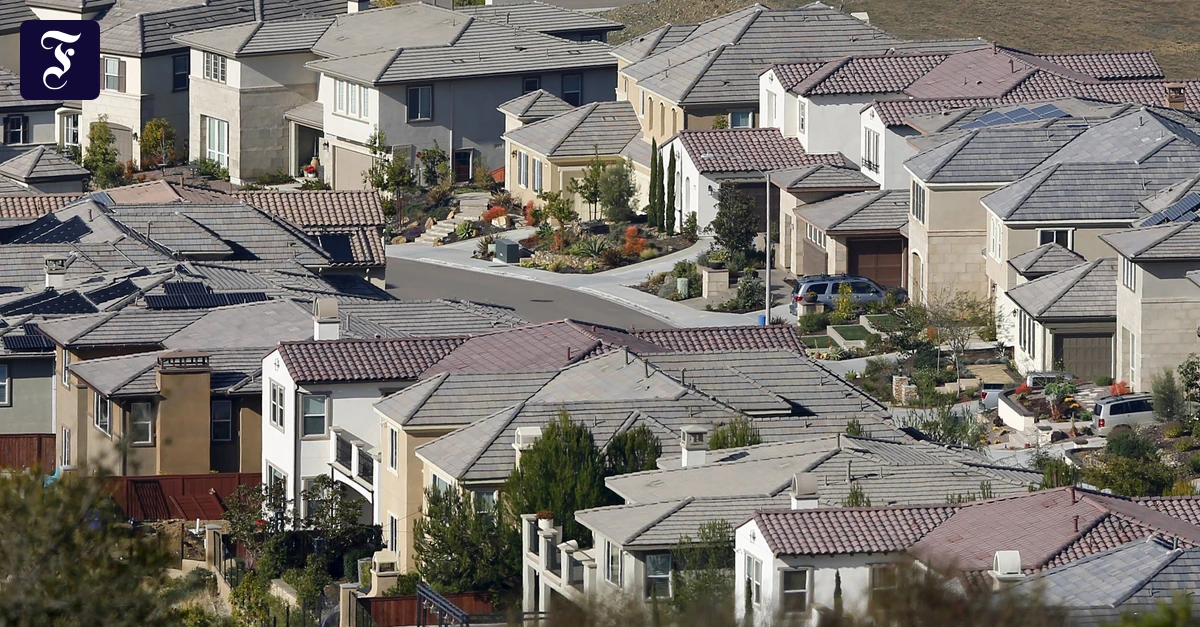
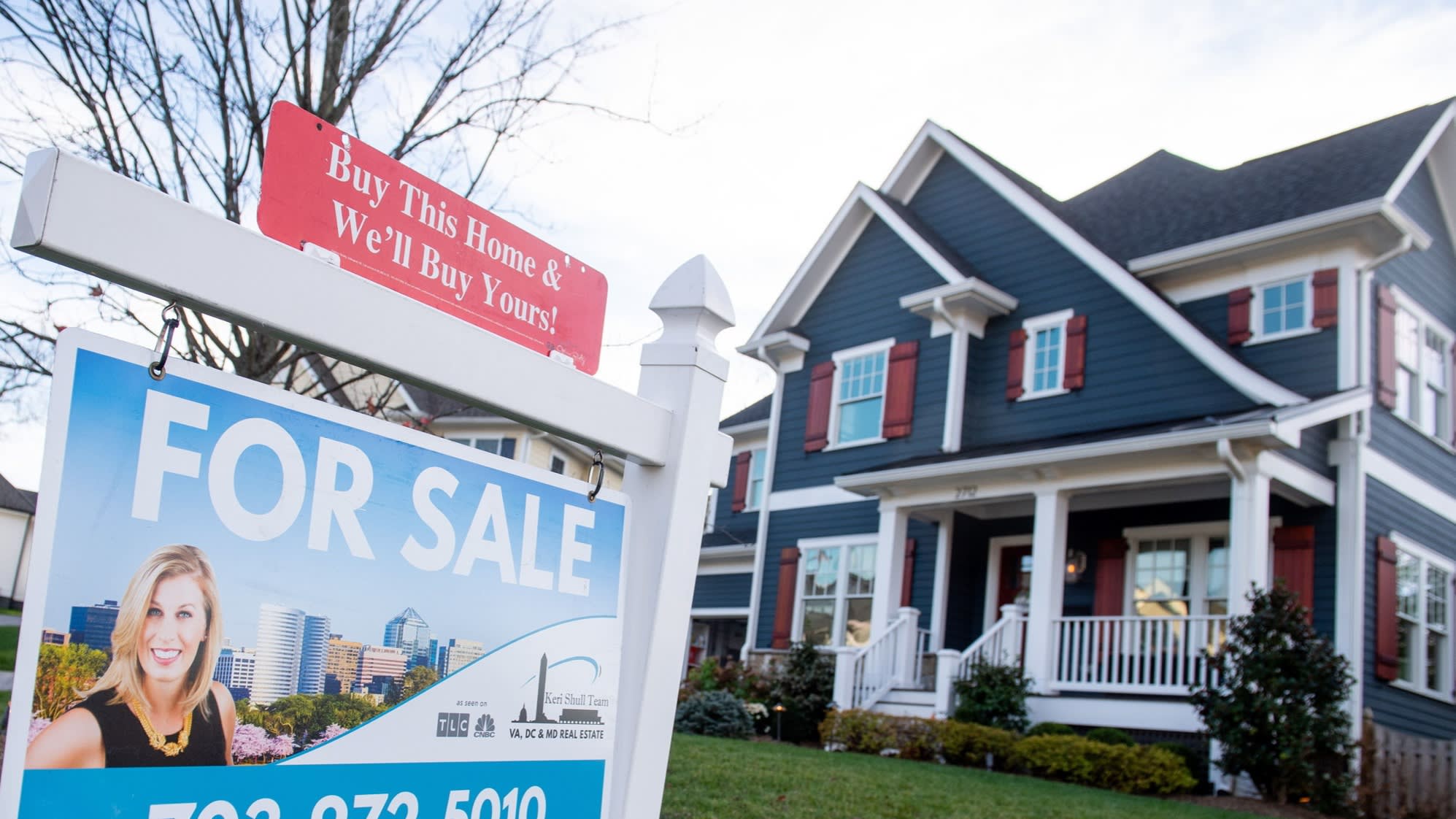
Brookings estimates that only around 3% of America's single-family homes are owned by "large institutional investors."
340 words~2 min read