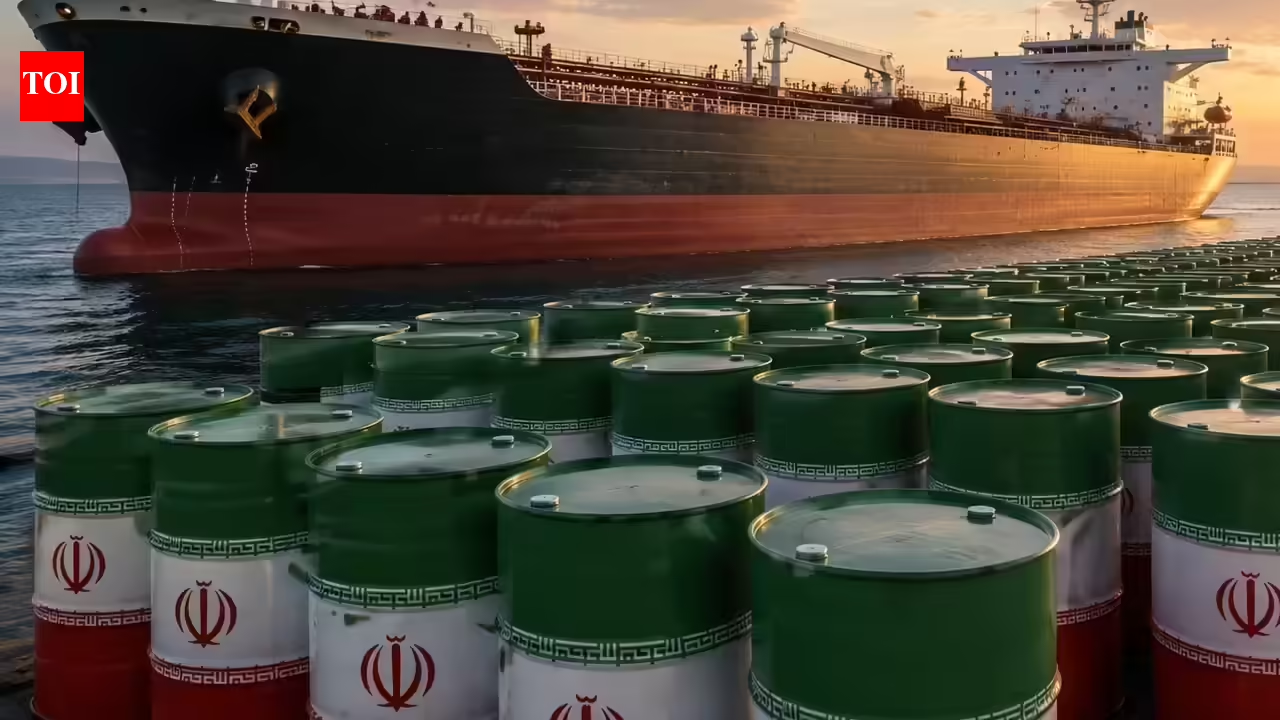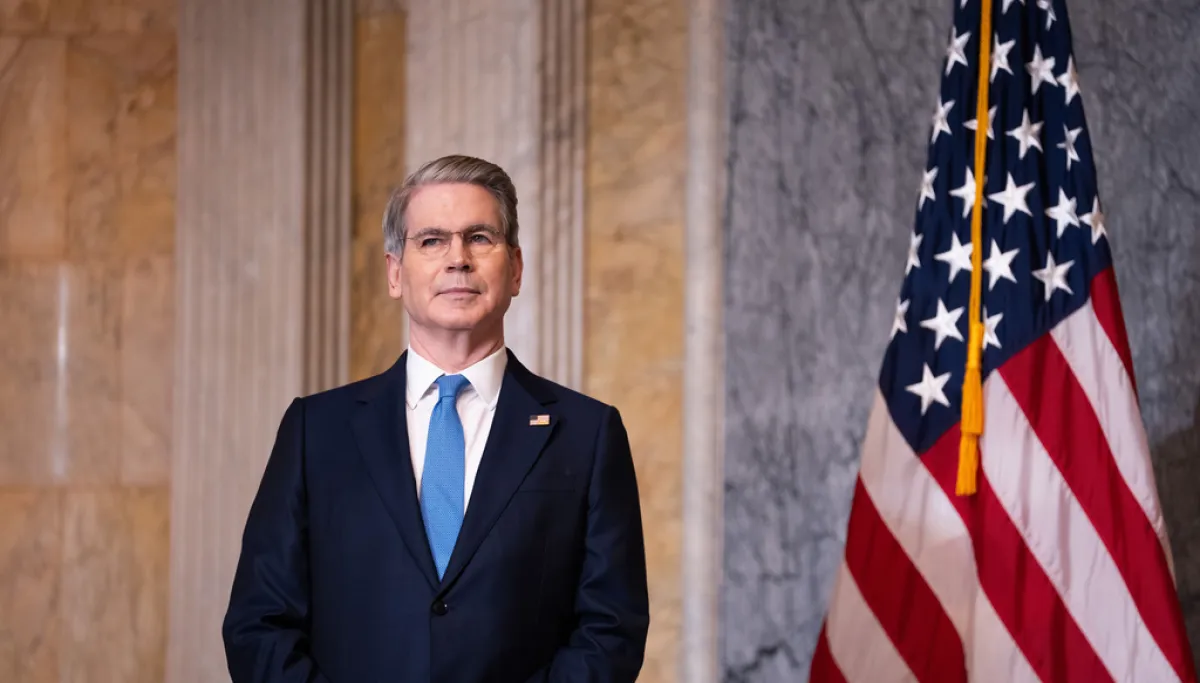
The Treasury Department temporarily waived sanctions on Iranian oil on Monday as part of the Trump administration’s deal with Tehran to end the war in the Middle East.“In line with the ongoing productive talks in Switzerland, Iran has committed to free and open transit in the Strait of Hormuz and to permit International Atomic Energy Agency (IAEA) inspectors into their country,” Treasury Secretary Scott Bessent said in a post on X.“As part of the framework, Treasury has issued a temporary 60-day general license authorizing the production, delivery, and sale of Iranian oil,” he added.
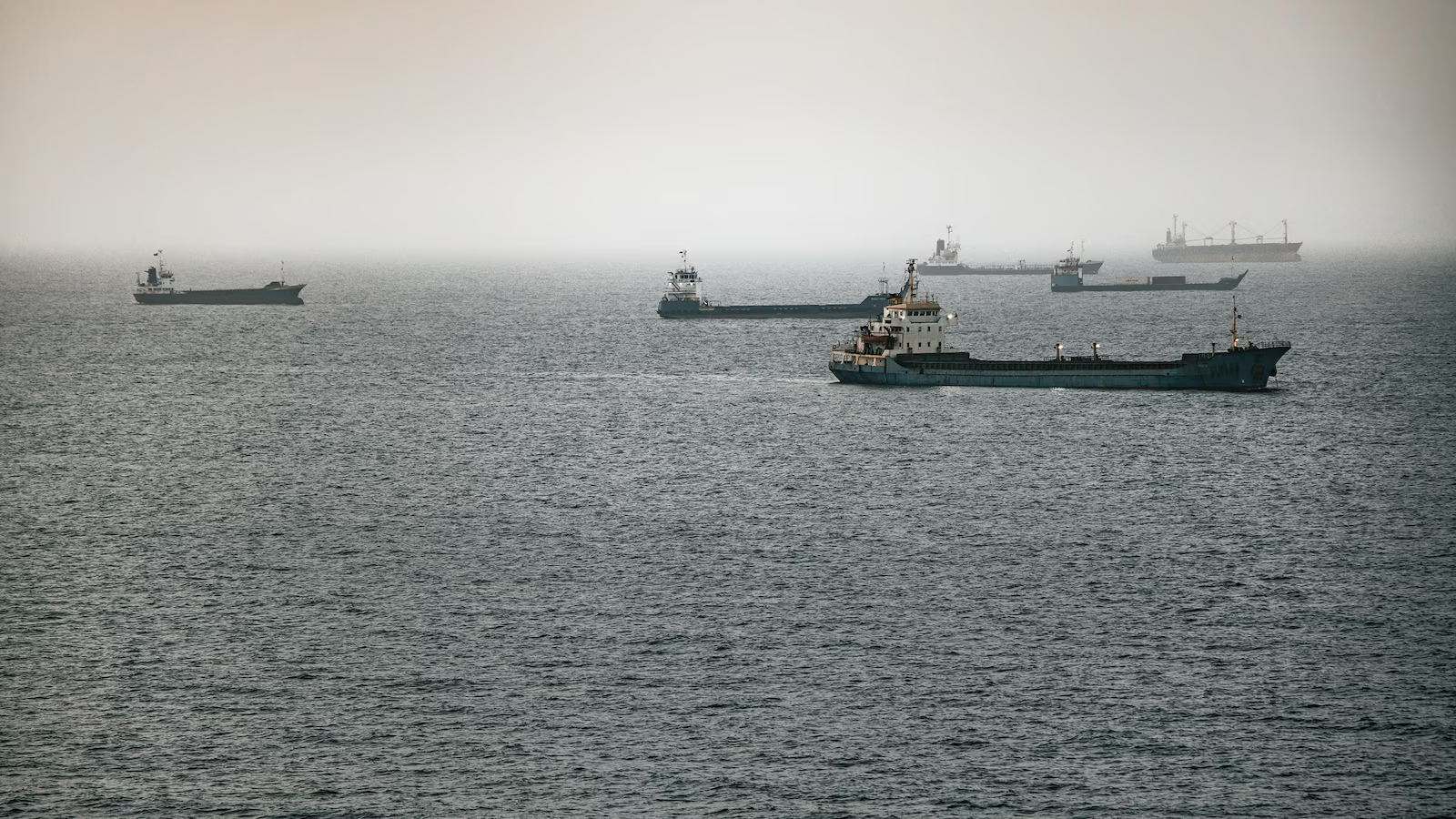
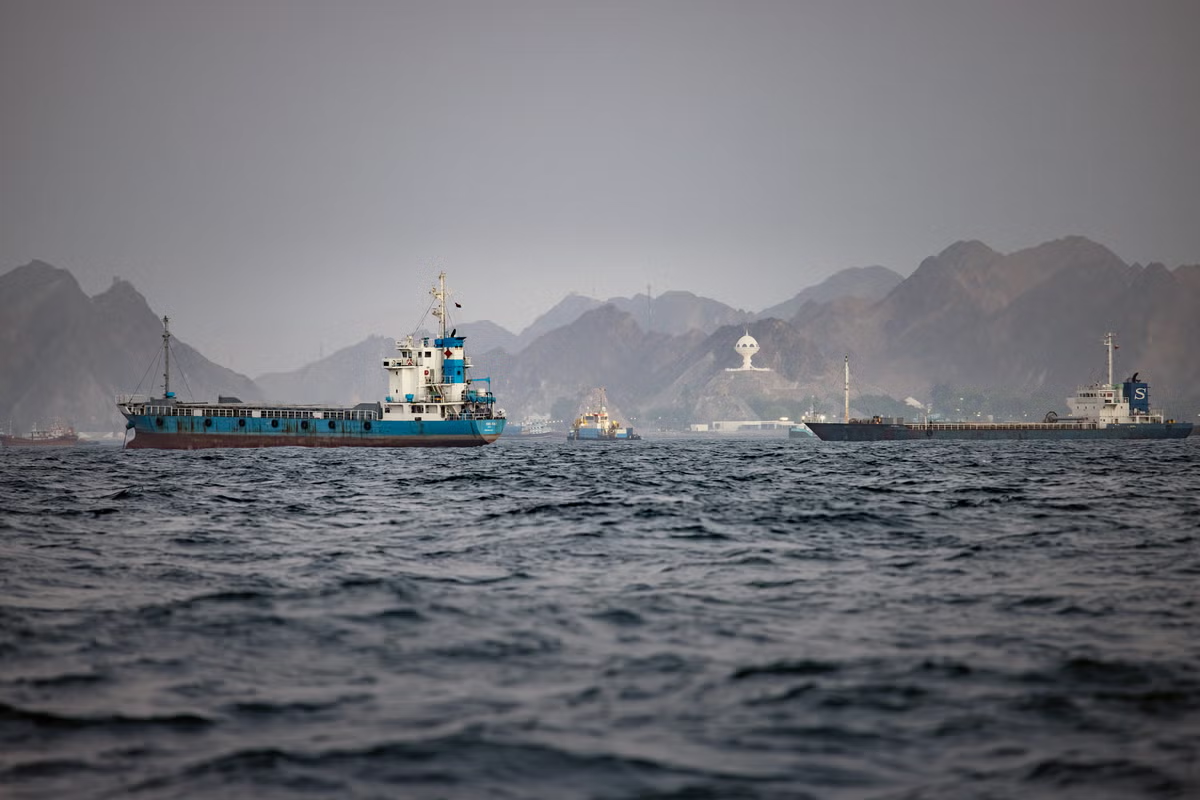
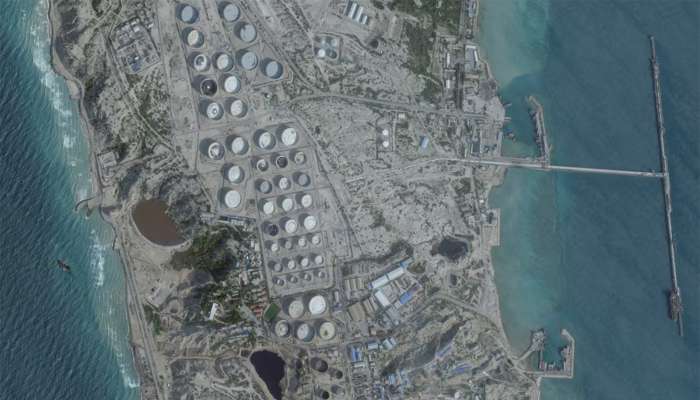
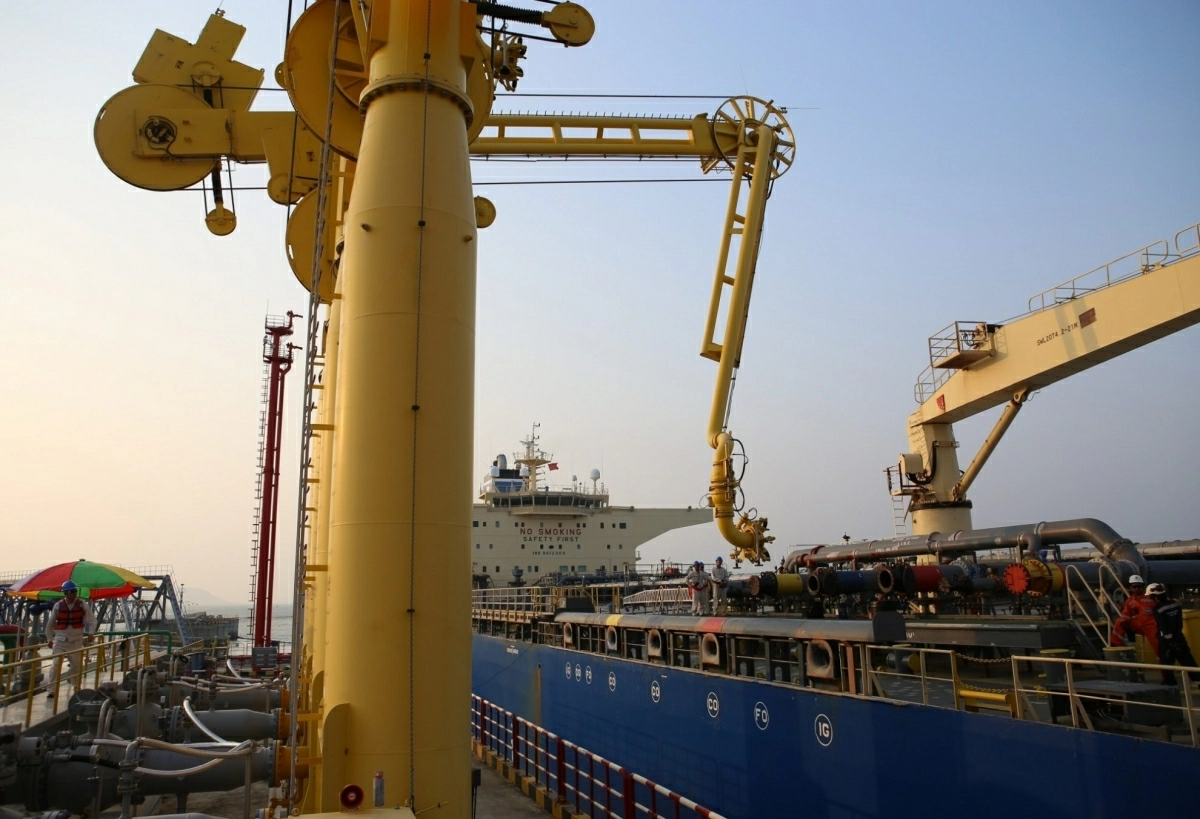
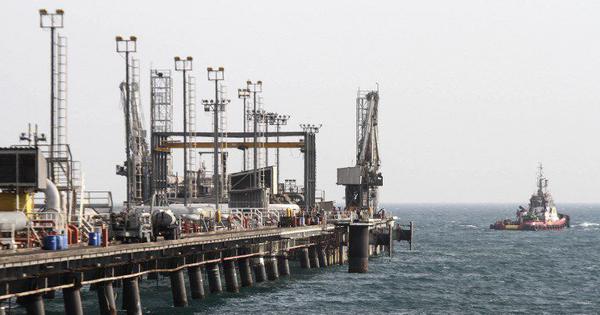
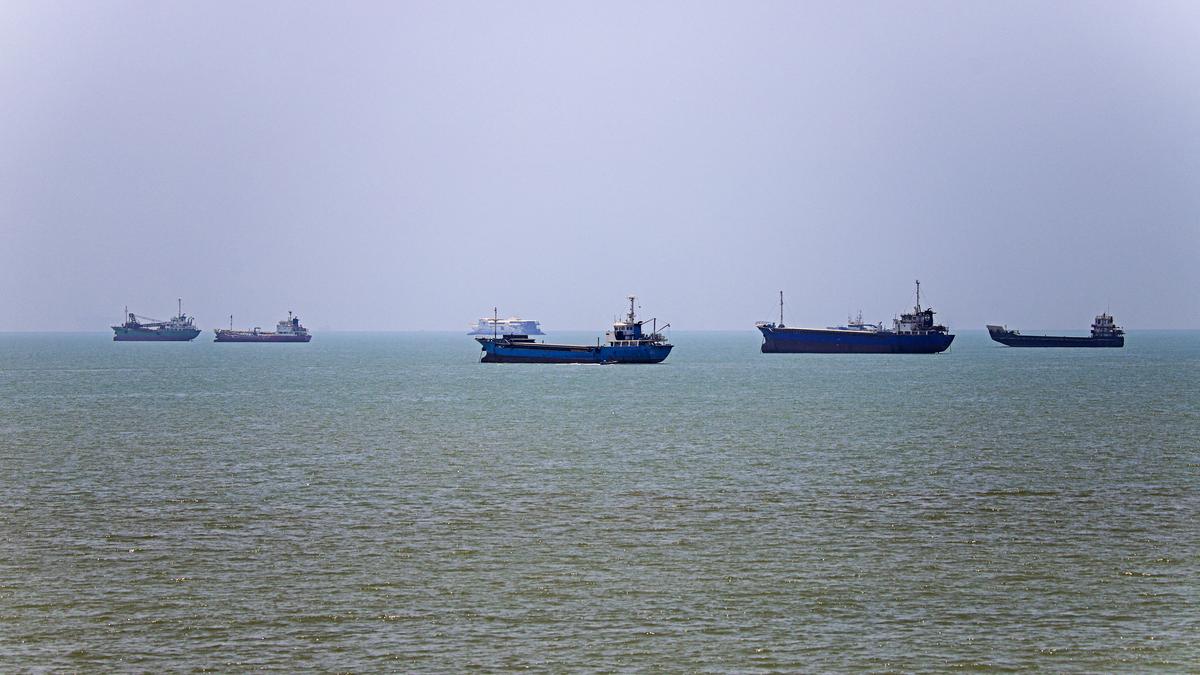
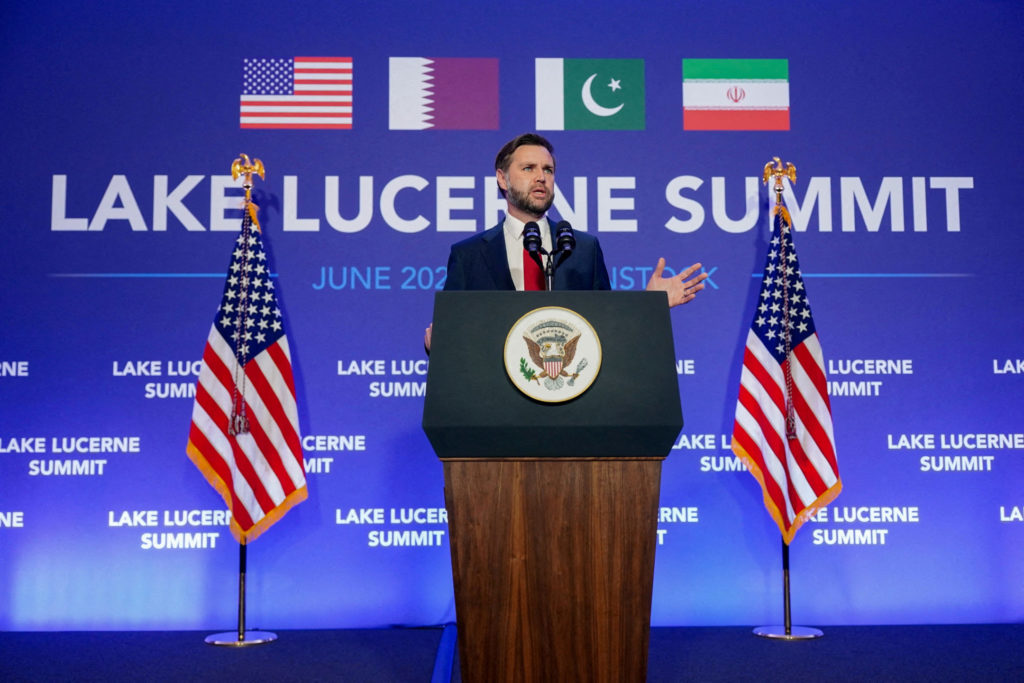
The Treasury’s general license allows Iran to produce, deliver, and sell its crude oil and other petroleum products until Aug. 21. It also authorizes the importation of Iranian-origin crude oil and petrochemical and petroleum products to the United States when it is necessary to complete its sale or delivery.The sanctions have forced Iran to export much of its oil to China, but the 60-day waiver would allow Tehran to access the global market and scale up its exports. Sanctions relief could allow Iran to earn $8 billion in two months, according to one outside estimate.The general license is part of the memorandum of understanding reached between Washington and Tehran last week, which gave the two countries 60 days to negotiate the final terms of the agreement.Vice President JD Vance was in Switzerland over the weekend, where he joined high-level talks with Iranian officials and mediators on reaching a final agreement. On Monday, Vance said “we made a lot of good progress” in these negotiations.He added that the U.S. wants to build a mechanism to keep the Strait of Hormuz open and ensure oil and natural gas continue to flow through the waterway. The war in Iran caused the closure of the strait, a key trade route, leading to high fuel prices around the world. SHIPS FACE UNCERTAINTY IN THE STRAIT OF HORMUZ, SLOWING OIL RECOVERYThe durability of the agreement was tested over the weekend as Iran launched attacks against Lebanon, resulting in Iran re-closing the Strait of Hormuz.The Financial Times reported on Monday that more than 400 large ships remain at a standstill as they wait for the waterway to reopen.