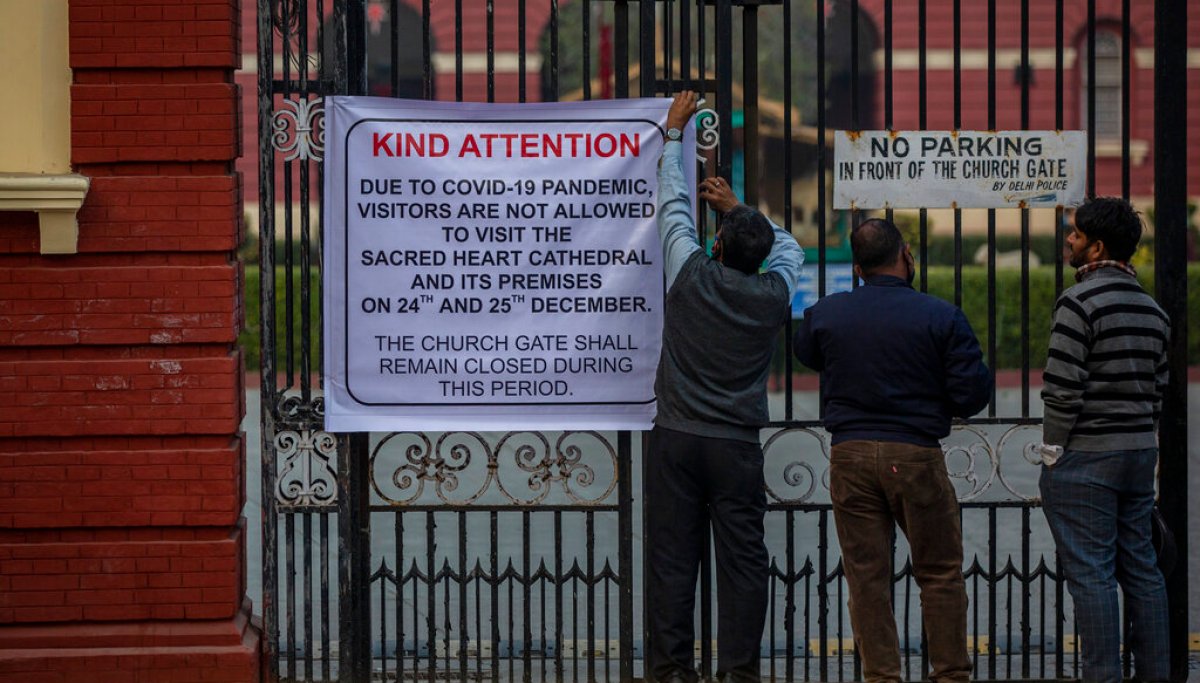
Gabriel Rench didn’t expect to be arrested for singing hymns. On September 23, 2020, he and two fellow congregants from Christ Church joined roughly 150 people at a Moscow, Idaho, parking lot for a 20-minute outdoor “psalm sing” — a peaceful protest of the city’s mask mandate. Police arrested all three. In July 2023, the city paid $300,000 to settle its First Amendment lawsuit. The federal judge didn’t mince words: the city had “indisputably erred in interpreting its own Code,” wrongfully arrested the plaintiffs, and misadvised its officers. He told the parties to settle. They did.Moscow is just one data point in a national pattern. During COVID lockdowns, governments across America shut down churches while liquor stores, marijuana dispensaries, and big-box retailers stayed open. Courts struck the restrictions down. And the Supreme Court established a free exercise precedent that will constrain emergency powers for decades. I’ve spent thirty years in institutional investment management watching administrative authorities expand to fill every available space.COVID church shutdowns were that dynamic in its most constitutionally stark form.
IN WAR ON BIBLE, PASTOR CONVICTED FOR PREACHING GOSPELThe shutdowns and the asymmetry