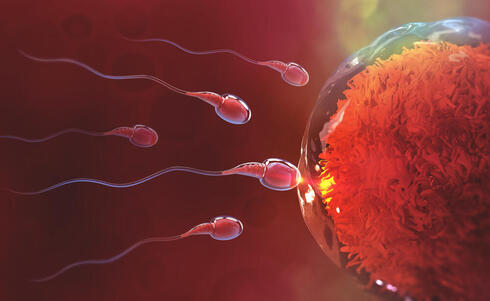
In a patriarchal society, fertility issues with men are often a less-discussed phenomenon. However, that does not negate its presence and the need to be addressed. Speaking with HT Lifestyle, Dr Monika Gupta, IVF and fertility specialist, and centre head at Kailash IVF, Noida, shared the factors that are increasingly becoming the factors in male infertility, and what can be done about them.The daily lifestyle has a significant impact on male fertility. (Pexel)Also Read | Reproductive endocrinologist shares 7 questions you should ask before choosing a fertility clinic: ‘What will it cost…’“Most conversations about fertility circle around diet, age, or an underlying medical condition. Stress rarely comes up, nor does sleep, nor the hours spent sitting still each day,” she stated. “Yet these habits shape male reproductive health more than people tend to assume.”The doctor revealed that chronic stress, inadequate sleep, and prolonged inactivity have been increasingly linked with measurable changes in sperm quality, hormone balance, and fertility outcomes.The effect of chronic stress on fertilityModern working life rarely allows for true downtime. Constant connectivity and demanding schedules have made stress a near-permanent backdrop for many professionals, noted the physician.“While occasional stress poses little risk, sustained psychological strain is a different matter,” highlighted Dr Gupta. “Several studies have linked elevated stress to reduced sperm concentration, weaker motility, and abnormal morphology.”“Cortisol appears to play a role here, disrupting the hormonal signals that regulate both sperm production and testosterone levels,” she added. “Stress also tends to erode sleep quality and dietary discipline, which only deepens the underlying problem over time.”Why sleep matters for fertility“Sleep is when the body performs much of its hormonal regulation, not simply when it rests. Persistent sleep deprivation has been associated with lower sperm quality, reduced motility, and weaker reproductive function in general,” shared Dr Gupta.Insufficient sleep elevates oxidative stress, which likely interferes with the processes supporting healthy sperm production, she pointed out. While it is recommended that a person gets seven to eight hours of sleep every night, sleeping considerably more has also been associated with negative outcomes in certain studies, cautioned the physician.How does sedentary lifestyle affect male fertility?While sitting for long hours at a desk or behind a wheel has become unavoidable for many, the human body is poorly suited to such prolonged stillness, shared Dr Gupta.According to the physician, “Extended sitting may drive inflammation and metabolic disruption, both of which can influence sperm quality indirectly. Regular moderate activity, by comparison, has consistently correlated with stronger semen parameters and improved reproductive health.”How to make a positive differenceAs per the fertility specialist, issues regarding fertility rarely trace back to a single cause. Biology, environment, and daily habits all play a role in it.“Reducing stress, improving sleep, maintaining a healthy weight, and staying active will not resolve every case, but together they give the body a genuine chance to recover function,” stated Dr Gupta.“Where concerns persist despite these efforts, timely medical evaluation remains the more reliable path, since identifying the root cause early improves treatment outcomes,” she advised.Note to readers: This article is for informational purposes only and not a substitute for professional medical advice. Always seek the advice of your doctor with any questions about a medical condition.
Doctor explains how lifestyle issues like stress and poor sleep impact male fertility
While fertility issues are not usually the result of a single cause, the regular lifestyle of a man plays a significant role in it, explains Dr Monika Gupta. | Health
TL;DRAI
Chronic stress, poor sleep, and sedentary behavior reduce sperm quality and testosterone via elevated cortisol. IT managers working long sedentary hours with irregular sleep face measurable fertility risks; exercise and stress management are direct preventives.
531 words~2 min read