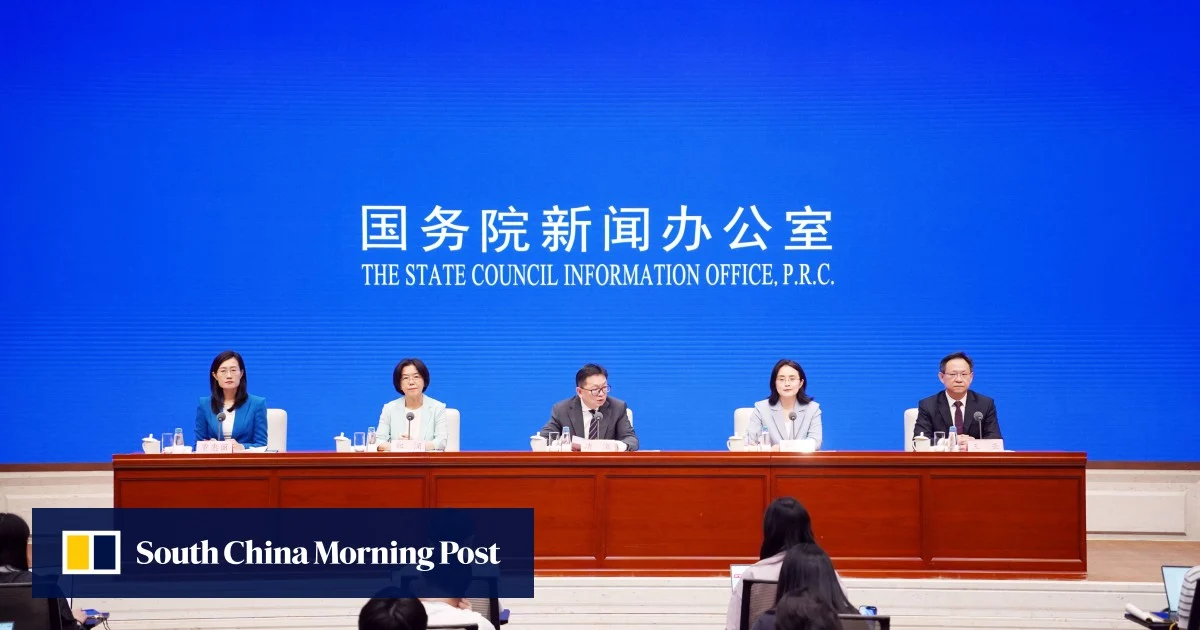
China is doubling down on efforts to attract and retain foreign investment with a new, comprehensive action plan aimed at stabilising the scale of inbound capital amid a sustained decline in inflows and mounting global uncertainty.Issued on Monday by the Ministry of Commerce, the Ministry of Finance and the top economic planner, the National Development and Reform Commission, the plan outlined 15 measures to expand market access across services, finance, healthcare and other sectors while improving the quality and structure of foreign investment.The central government would open the door wider to foreign firms seeking opportunities in these sectors, the ministries stated, including allowing overseas participation in vocational training institutions and top-tier universities specialising in science, engineering, agriculture and medicine.Investors from Hong Kong and Macau would be granted earlier and broader access to mainland China’s services market, they said.Beijing has repeatedly pledged to expand market access for foreign investors, with President Xi Jinping and other top officials urging “high-level opening up” in speeches and articles. The messaging comes as members of several foreign chambers of commerce in China have expressed growing pessimism about their prospects in the country in recent surveys.Under the new plan, Beijing said it would further open its financial sector by allowing more foreign institutions to use risk management tools, including treasury bond futures, and by supporting foreign firms in providing fund investment advisory services. “Key foreign firms” would also be encouraged to go public and raise funds on mainland stock markets and would be offered quotas to ease cross-border financing, according to the plan.
China steps up push to revive foreign investment. Will it be enough?
The measures include greater market access in services, finance and healthcare, though analyst says it remains unclear how the reforms will be implemented.
TL;DRAI
China announced 15 measures to attract foreign investment: opening financial markets, STEM universities, and mainland stock exchange access to overseas firms. For tech leaders, this opens capital-raising and market routes, but regulatory complexity and geopolitical risk remain critical expansion factors.
257 words~1 min read