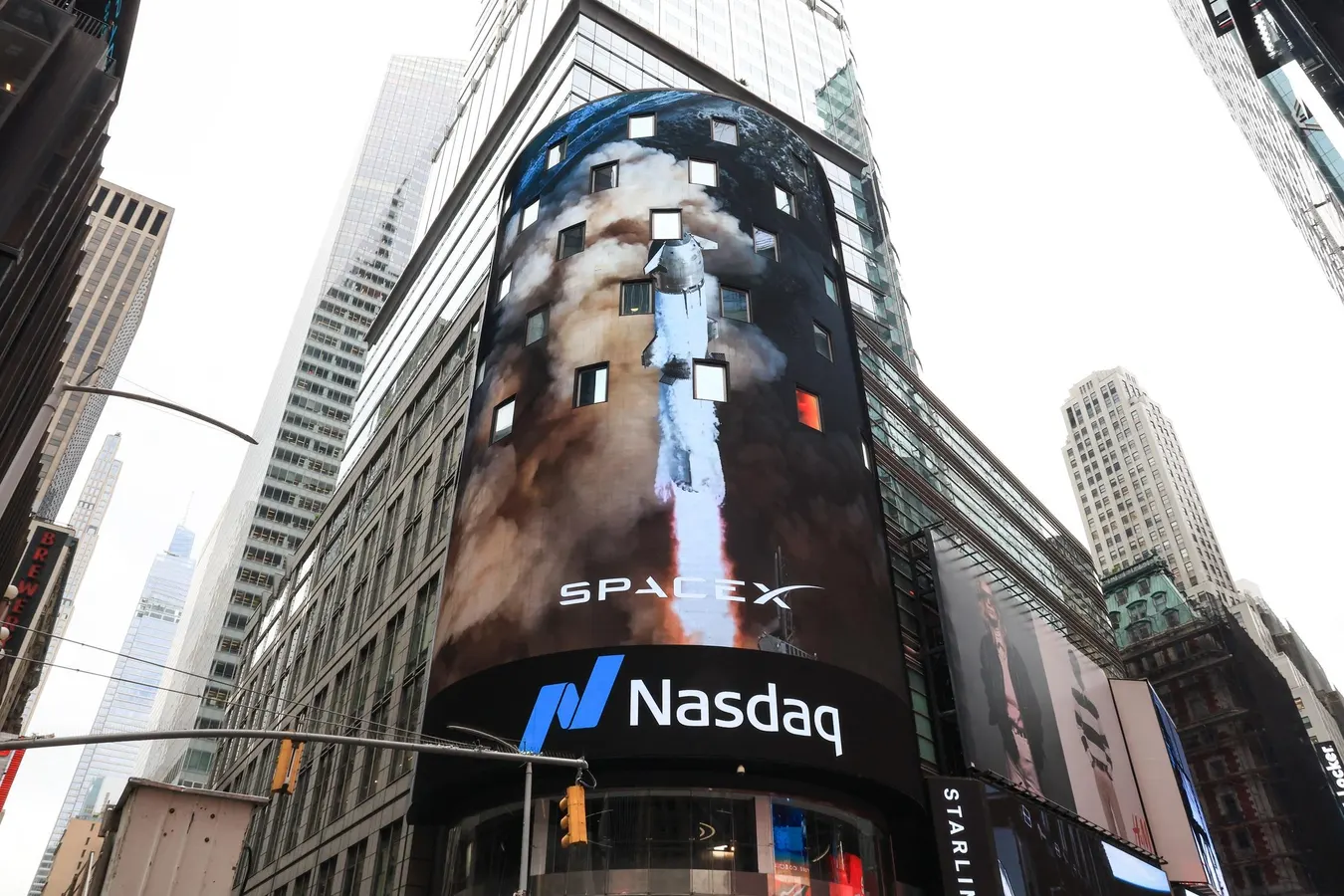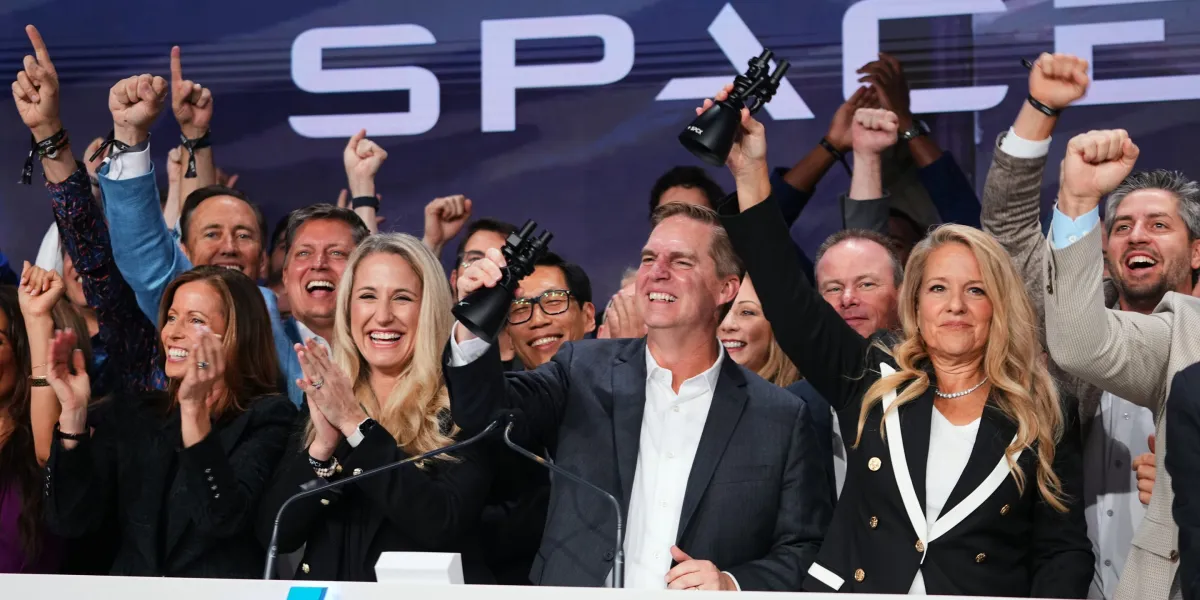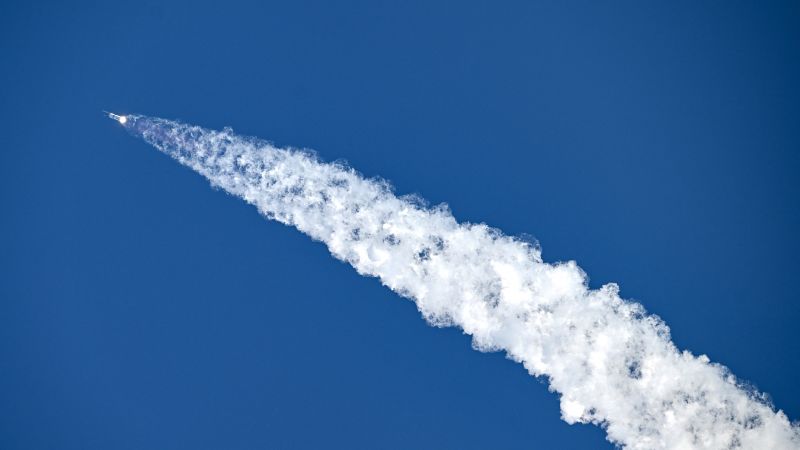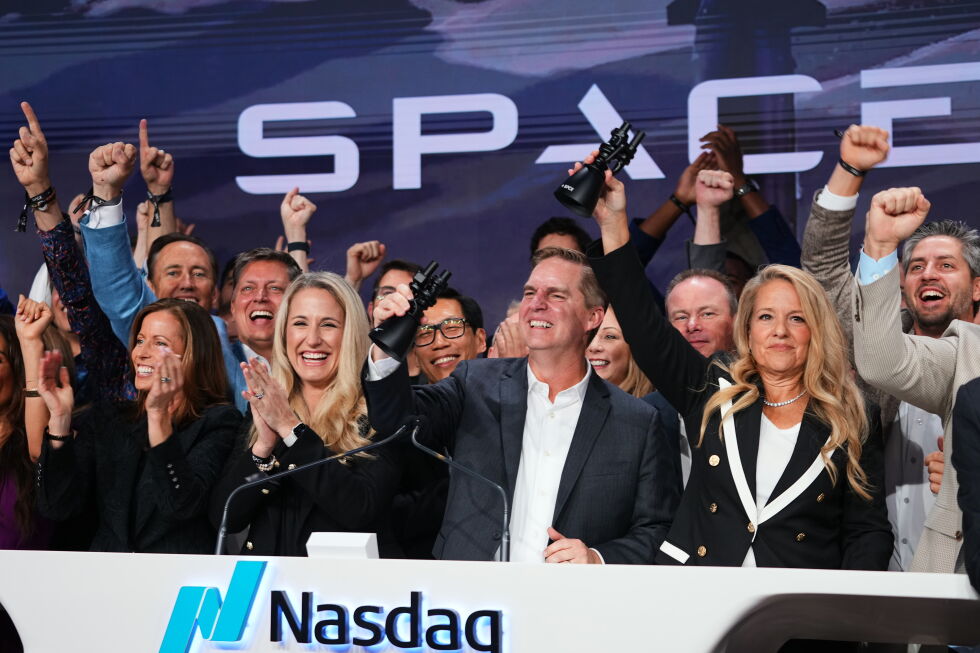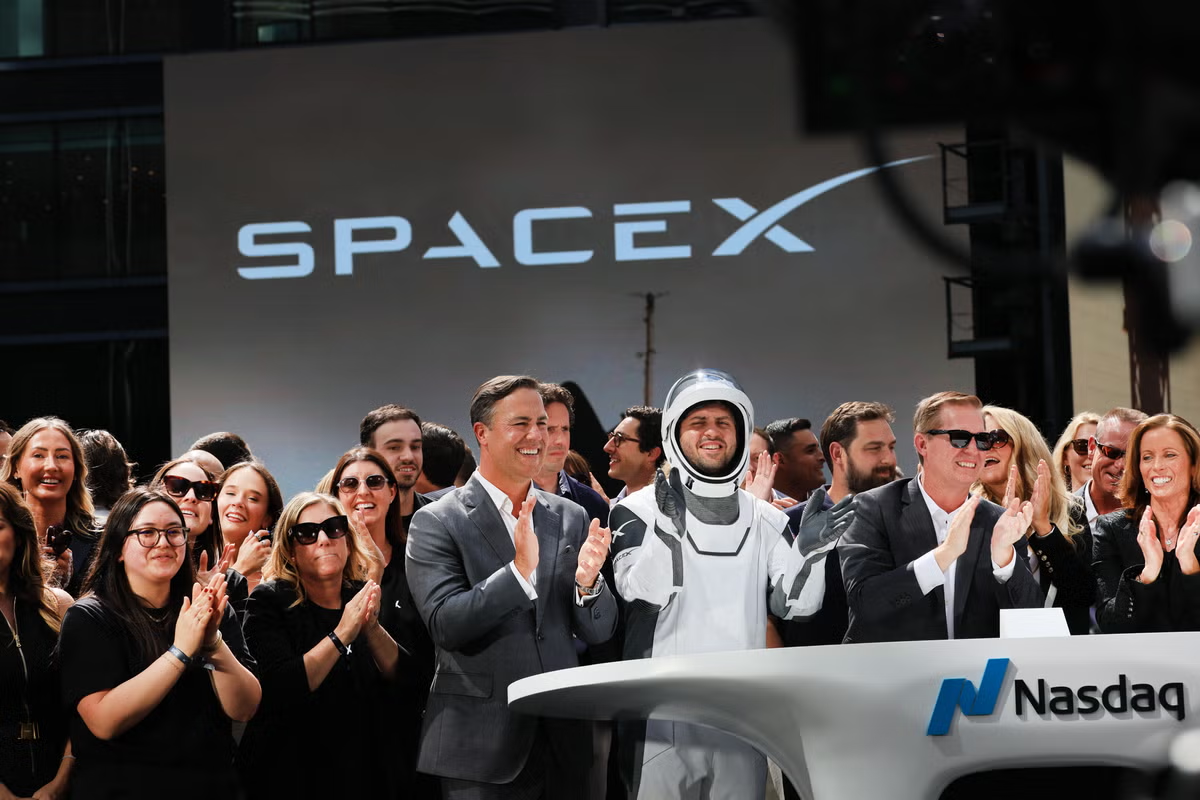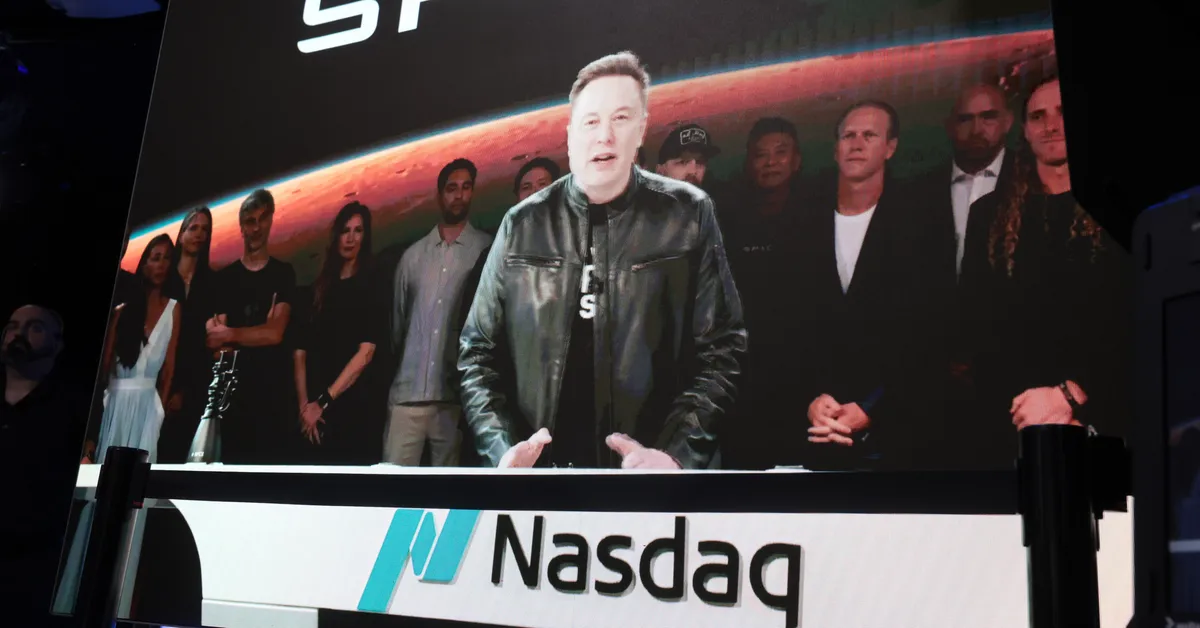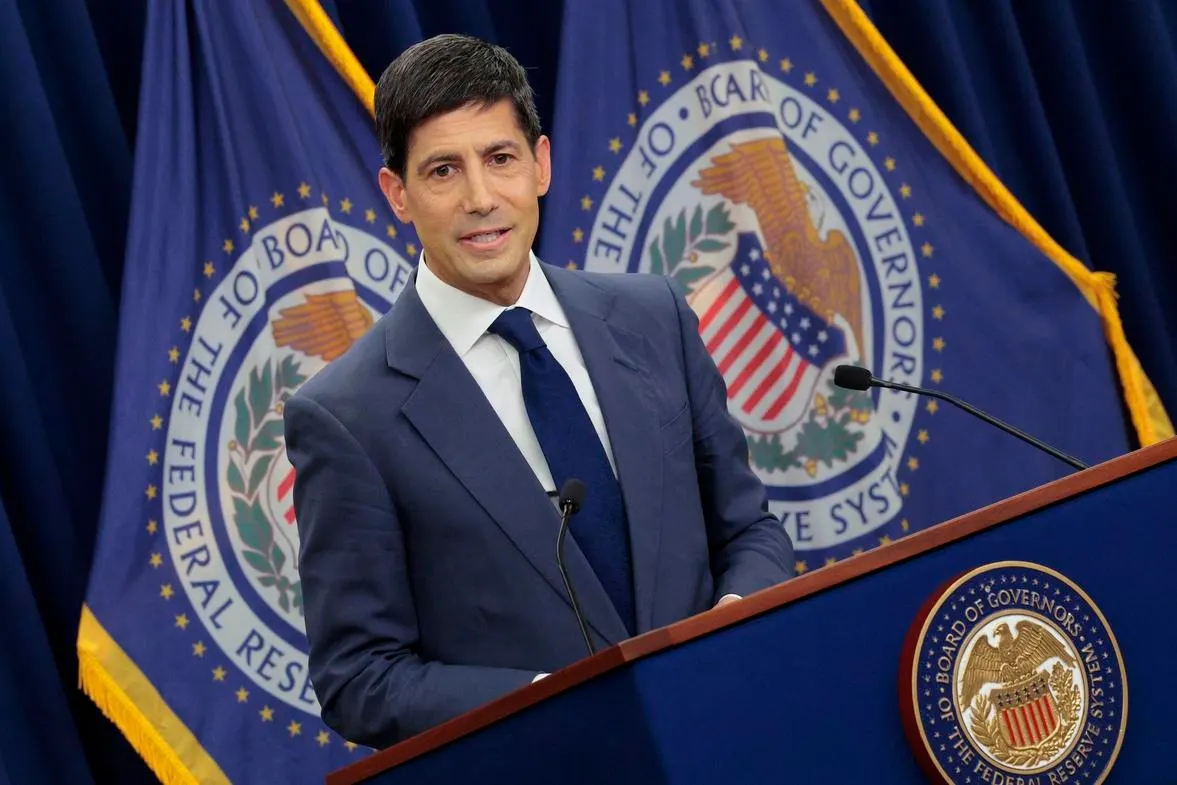
SpaceX could eventually become part of your 401(k), but how soon that will happen depends on what kind of funds you are invested in.The newly-public firm will join the Nasdaq-100, an index with 100 of the largest non-financial companies, as soon as early July. That will mean SpaceX is also included in any funds that track the Nasdaq-100, like the popular Invesco QQQ Trust. But it will be at least a year before the company becomes part of the S&P 500, and possibly longer since the index requires positive earnings across four quarters combined. SpaceX reported a loss in its latest quarter.This is a published version of the Forbes Daily newsletter, you can sign-up to get Forbes Daily in your inbox here. First UpBoth President Donald Trump and Iranian President Masoud Pezeshkian have signed an interim peace agreement that will allow for the Strait of Hormuz to be reopened, while Iran is allowed to sell its oil without sanctions.SpaceX shares dipped on Wednesday for the first time since the company’s record IPO, ending a three-session winning streak.Warsh’s First Big TestFederal Reserve Chair Kevin WarshChip Somodevilla/Getty ImagesThis was expected to be a year of long-awaited interest rate cuts. But the Iran war has not only crushed those hopes, now, Federal Reserve officials expect a hike at some point this year.The Federal Open Market Committee opted to keep interest rates steady at between 3.5% and 3.75%, but half of the 18 officials favored at least one rate increase in 2026. The S&P 500 faltered on the news, shedding 1.2%.One submission was notably absent from the “dot plot” of each member’s interest rate projections, which newly-appointed Fed chair Kevin Warsh confirmed was his, as he has long criticized forward guidance.Warsh seeks to curb the central bank’s communications, arguing that projecting too much can box in policymakers. At Wednesday’s press conference, Warsh unveiled a series of task forces around overhauling the Fed’s communications, balance sheet, and inflation frameworks, to name a few. But having less forward guidance could cause market volatility, explains Preston Caldwell, Chief U.S. Economist at Morningstar Research Services. Still, he says as long as the Fed releases its Summary of Economic Projections (which includes the dot plot), “the market’s not going to be left totally in the dark in terms of what the Fed is thinking.”Of course, hanging over Warsh’s press conference were concerns about the central bank’s independence as President Donald Trump has demanded rate cuts, though the president said “it’s alright” when asked about Wednesday’s decision.“I think in the end, Chair Warsh is going to see his legacy judged on the extent to which he maintained the independence of the Fed, delivered on the 2% inflation target and maintained stability in financial markets, rather than his capacity to provide the White House with the rate cuts that it’s looking for,” says Brett House, a professor of economics at Columbia Business School. Wealth + EntrepreneurshipDell Chairman and CEO Michael DellJustin Sullivan/Getty ImagesMichael Dell surpassed Oracle cofounder Larry Ellison as the fifth-richest person in the world, with his net worth climbing 3.3% to reach $234 billion. Dell shares got a boost on the stock market Wednesday, while Oracle has plummeted since hitting their highest point of the year on June 1.Money + Politics Critics on both sides of the political aisle blasted the U.S. deal to end the war in Iran, as what has been released of the secretive agreement so far suggests it would make the regime more powerful than it was before the conflict. Sen. Bill Cassidy, R-La. called President Donald Trump’s handling of the conflict “the worst foreign policy blunder in decades.”President Trump downplayed Americans’ economic woes in a speech at the G7 summit on Wednesday, calling affordability a “fake word”—even as inflation surged to its highest level in three years in May. Though the president has been blasting the ongoing affordability crisis as a hoax since late last year, polls show Americans largely blame him for skyrocketing prices.Daily Cover StoryCustodians Are Crypto’s Boring Backbone. Now They’re Taking OverBefore cofounding BitGo in 2011, Mike Belshe helped build Google Chrome and served as lead author of HTTP/2.0, the internet protocol responsible for loading web pages today.BitgoCrypto custody, traditionally about as unglamorous as financial services gets, has been undergoing a massive shift in the past couple of years. The largest custodians, such as BitGo, Anchorage and Fireblocks, have expanded their remit of safeguarding coins into wider institutional franchises, adding trading, staking, derivatives, settlement networks, stablecoin infrastructure and other software for banks and asset managers that want digital-asset exposure without building the machinery themselves.Grand View Research estimates the global digital-asset custody market was $683 billion in 2024 and projects it will reach $4.4 trillion by 2033. However, the rapid expansion of leading custodians has made the market more difficult for everyone else, causing smaller firms like Andreessen Horowitz-backed Entropy and Prime Trust to pivot, seek buyers or wind down altogether. This, plus the onslaught of traditional banks, in addition to Fidelity and BNY, has created an intensely competitive environment. Citi has said it plans to launch a crypto custody service later this year and Morgan Stanley has recently applied for a de novo national trust bank charter that would allow it to custody crypto.WHY IT MATTERS “Custodians' push to move up the value chain is arriving as crypto’s narrative is finally attempting to move from speculation to operations,” says Forbes deputy editor Nina Bambysheva. “More than $80 billion in spot ETFs, raised in the last two years, have already turned crypto custodians into Wall Street’s vendors. Stablecoins, tokenized securities and AI agents could make them central to the next version of financial plumbing.”MORE Coinbase Expands Into Tokenized Stocks, New Prediction Markets Contracts And DerivativesFacts + CommentsThe U.S. Open tees off on New York’s Long Island on Thursday, and a victory would give the world’s top-ranked golfer Scottie Scheffler titles at all four majors. There’s also a hefty winner’s check at stake:$22.5 Million: The total prize money available at the 2026 U.S. Open2,999,900%: The increase in the $4.5 million winner’s check, compared to the $150 prize at the first U.S. Open in 189512: The number of past U.S. Open champions in this year’s fieldStrategy + SuccessMany of us have been taught that moving up the corporate ladder is the marker of career success—but more workers are instead choosing to step away from high-pressure roles, known as “job dropping.” Before jumping to or continuing in a less demanding position, think about whether it’s a short-term move during a major life event, like becoming a new parent, or something more permanent. And be prepared to explain your decision to your boss or a hiring manager.VideoQuizA company formerly known as Allbirds surged on the stock market Wednesday after announcing a name change and new CEO. What is the company now called? A. AIBirdB. ShoebirdC. NewbirdD. SmartbirdCheck your answer.Thanks for reading! This edition of Forbes Daily was edited by Sarah Whitmire.
Forbes Daily: The Fed Signals It Could Hike Interest Rates This Year
Today’s Forbes Daily covers when to expect SpaceX in your 401(k), SpaceX shares dip, Michael Dell surpasses Larry Ellison, critics blast U.S. Iran peace deal and more.
1,155 words~5 min read