See more Daily Mail on Google - save us as a Preferred SourceBy ELEANOR HARDING, EDUCATION EDITOR Published: 14:51 BST, 22 June 2026 | Updated: 14:58 BST, 22 June 2026
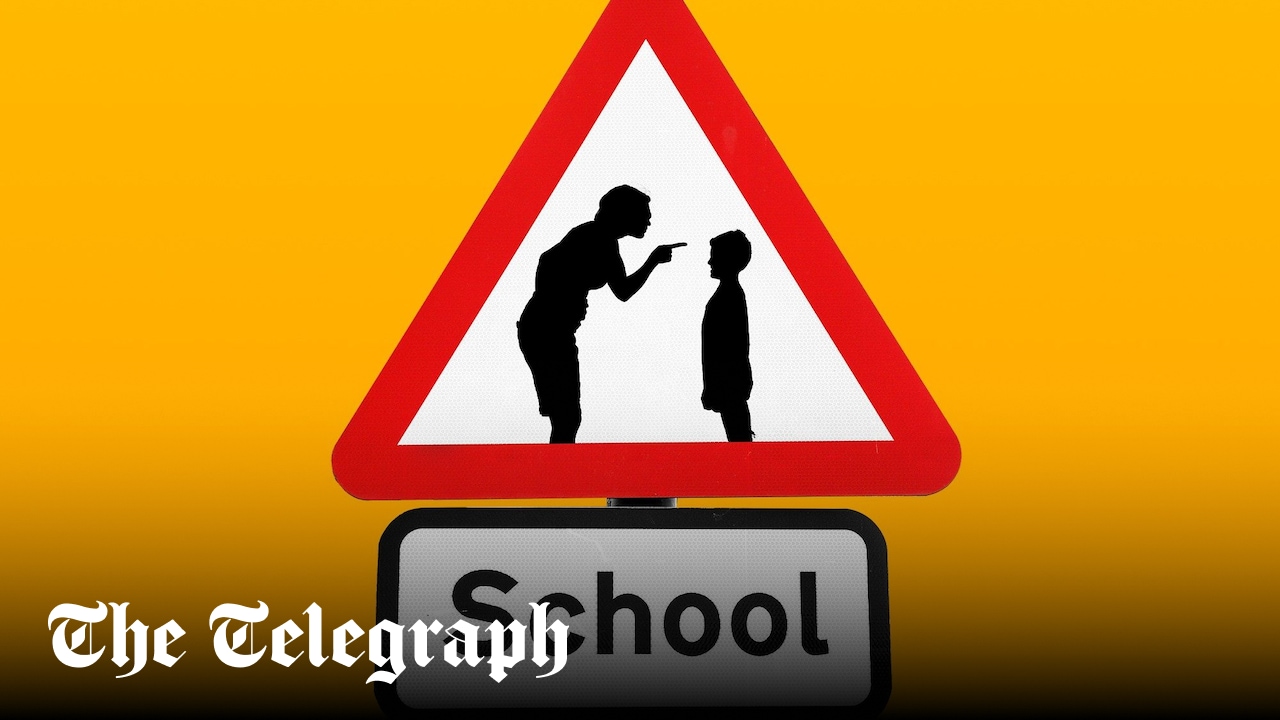
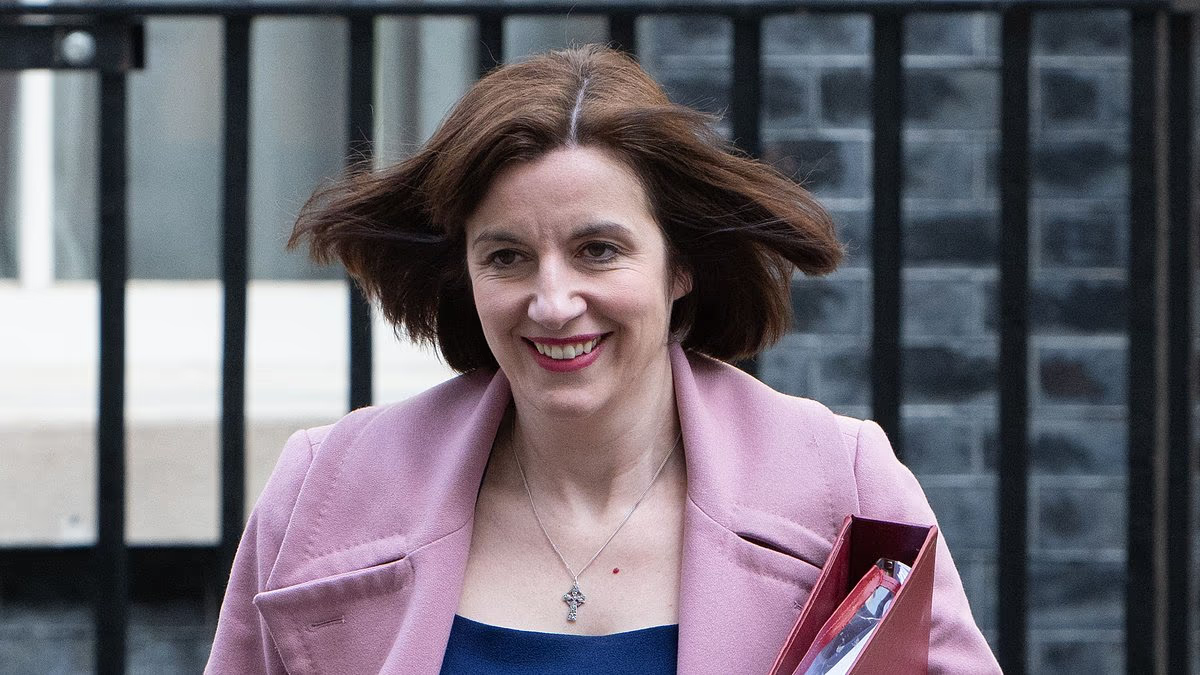
Badly behaved pupils should not be banished to special needs areas as a punishment, Bridget Phillipson has warned teachers.The Education Secretary believes too many schools are misusing 'inclusion bases', which are supposed to cater for those with special educational needs and disabilities (Send).New guidance due to be published tomorrow says schools must stop sending challenging pupils to these areas as a sanction.In February, a Government white paper said all mainstream schools should have an inclusion base, to provide more Send support.It is part of a strategy to place more pupils with Send into mainstream education, reducing the need for expensive special needs schools.Inclusion bases typically lay on individual or small group teaching, or support such as speech and language therapy.Mrs Phillipson said: 'Every child deserves to walk into school feeling like they belong there, and confident they will get the help they need to succeed. Inclusion bases, used properly, will be pivotal. The days of using these spaces as a sanction are over.'They are not a place to send children when they are difficult, and having Send is not the same as bad behaviour.' Badly behaved pupils should not be banished to special needs areas as a punishment, Bridget Phillipson (pictured) has warned teachersMore than a third of respondents to a survey of nearly 1,000 parents, conducted by the Department for Education (DfE), said their child did not feel part of the wider school community when using the inclusion base.Many described their child's time in a base as segregation rather than inclusion.The DfE reports around a third of schools which have a base do not have a close working relationship between the unit's staff and mainstream teachers.Mrs Phillipson told The Times: 'Bases are specialist environments where children with complex needs can thrive, progress, and belong. This guidance sets the standard we expect – and we are investing billions so that schools have what they need to meet it.'Tomorrow's guidance will also state that children must still take part in mainstream lessons, trips and activities, and that bases should act as a bridge to school life rather than a barrier from it.Children with complex needs should get the most expert support and day-to-day responsibility for a base must sit with a qualified teacher.It comes amid plans for a radical overhaul of the Send system to save councils from bankruptcy due to ballooning costs.The number of children with an education, health and care plans (EHCP) - which entitles them to expensive council-funded support – has rocketed by 11.6 per cent since last year.The total is now 538,500, making up 6 per cent of all schoolchildren.The latest figures also show a rise in the proportion of children receiving Send support without a plan, from 14.2 per cent to 14.8 per cent.In total, the number of children receiving Send support, both with and without an EHCP, has reached nearly 1.9 million.