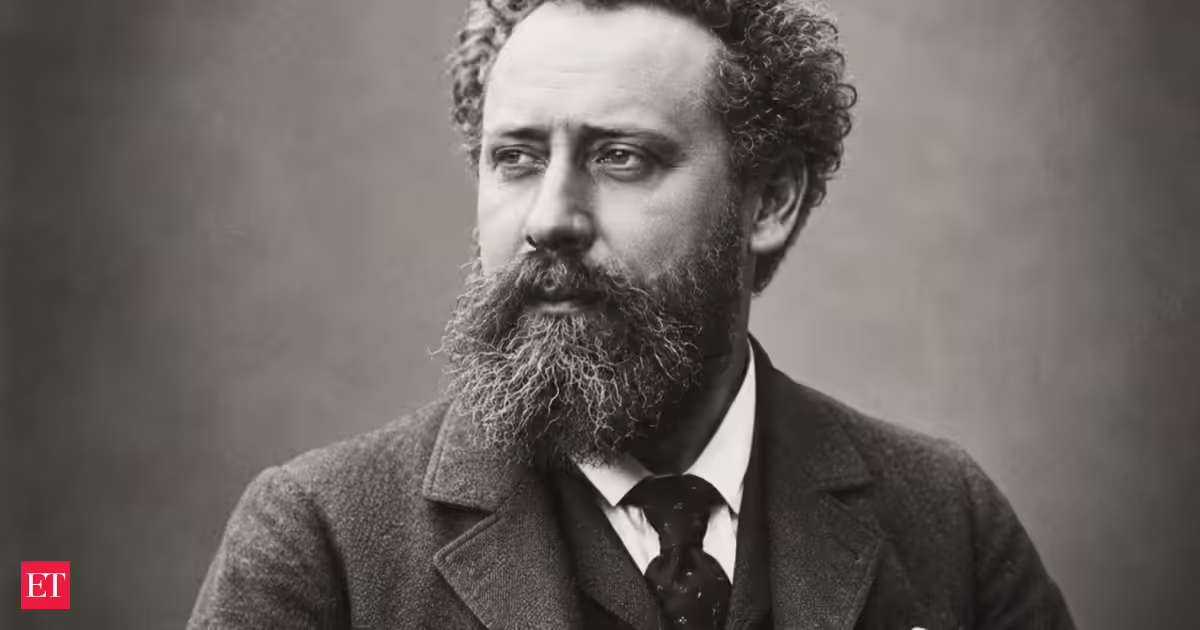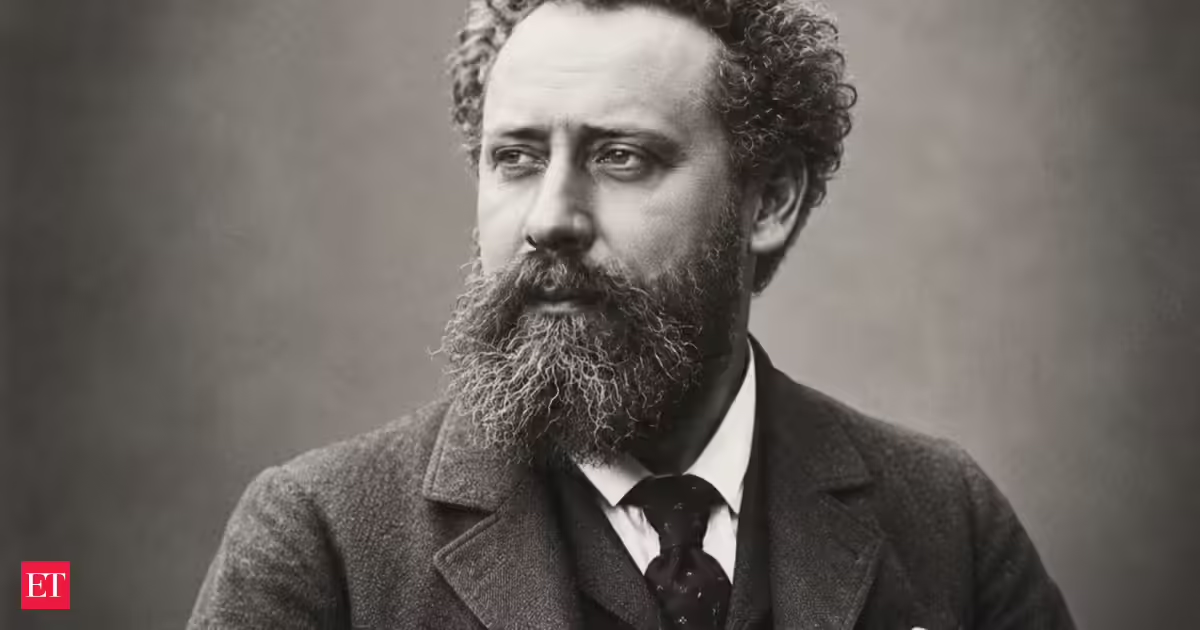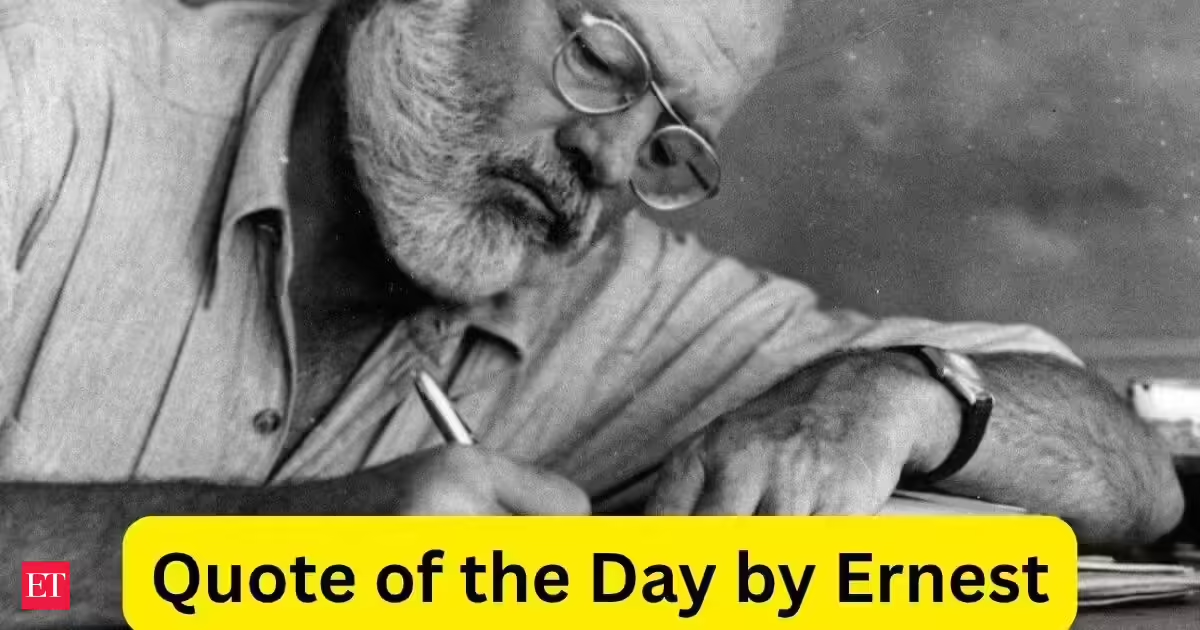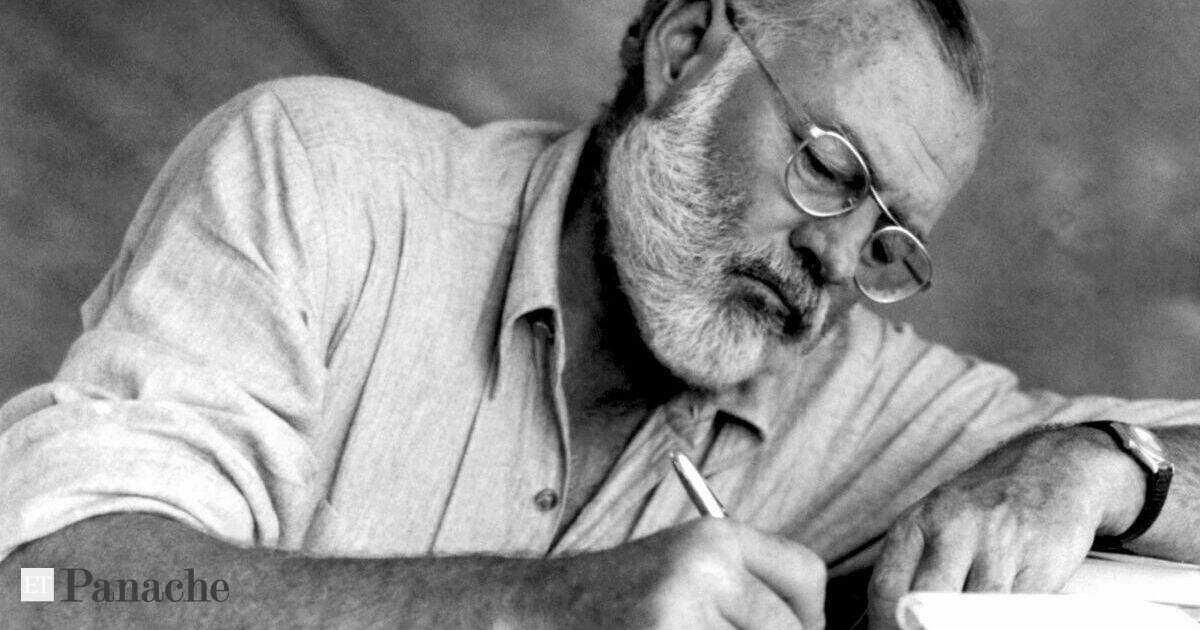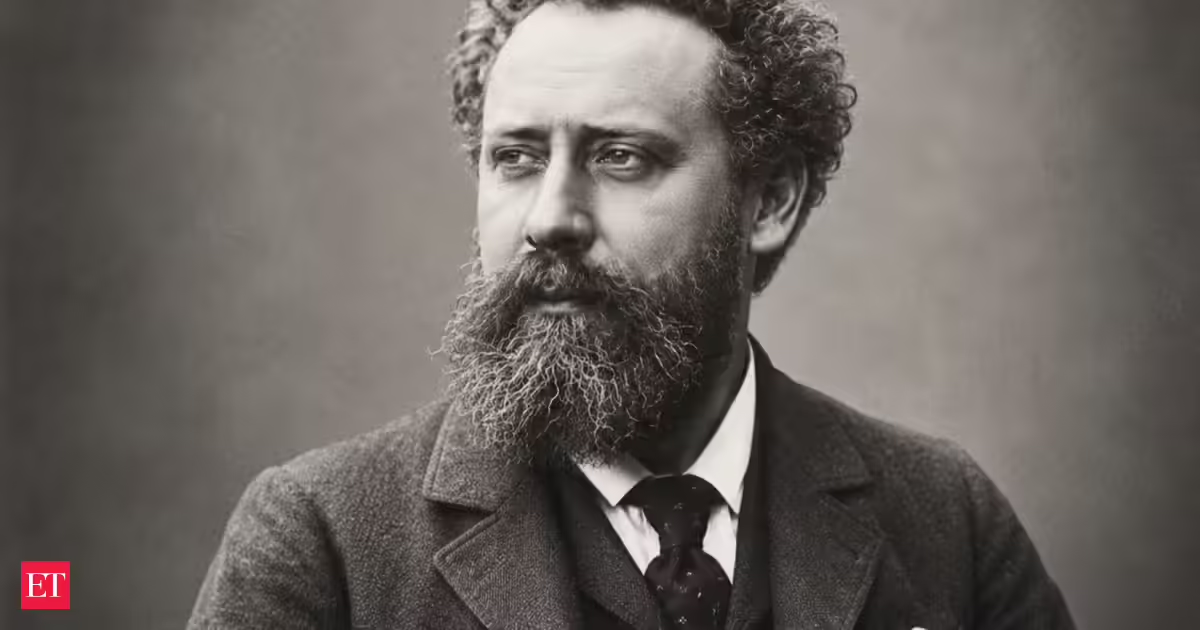
Best quote of the day by William Ernest Henley offers a powerful reflection on the emotional struggles that shape every human life. His words, "So many are the deaths we die before we can be dead indeed," remind us that people often experience many emotional endings long before physical death. These "deaths" can include heartbreak, grief, broken dreams, failed ambitions, unexpected losses and major life changes. Each experience leaves a lasting impact and changes how a person thinks, feels and moves forward. The quote encourages readers to accept these difficult moments instead of fearing them. It also highlights the importance of resilience, personal growth, self-discovery and human perseverance. Even after painful experiences, people can rebuild their lives, find new purpose and begin another chapter with greater understanding.The quote is,"So many are the deaths we die before we can be dead indeed." Many people experience moments in life that change them forever. Some lose relationships. Others lose dreams, careers, friendships or confidence. These moments may not end life, but they change the person completely. William Ernest Henley captured this experience in the quote. The quote explains that emotional pain can feel like a small death. At the same time, it reminds readers that every ending creates room for another beginning. Henley's words continue to inspire discussions about existential truth, resilience, grief, heartbreak, human perseverance and self-discovery. His message remains meaningful because every person experiences change, loss and recovery during different stages of life.You Might Also Like:Understanding the meaning behind the quoteThe quote, "So many are the deaths we die before we can be dead indeed," does not refer to physical death alone. It speaks about emotional and psychological experiences that permanently change people. Every person faces moments when a part of life comes to an end. A relationship may break. A career may fail. A lifelong dream may not come true. Someone close may pass away. These events create emotional pain that can feel overwhelming.Henley compares these experiences to small deaths because they change identity and perspective. After every loss, people are no longer exactly the same. They learn, adapt and continue living with new understanding. The quote also reminds readers that life is made up of many chapters. Every ending closes one chapter while another begins.How the quote reflects existential truth?The quote explores existential truth by showing that suffering is part of human life. No person escapes disappointment or unexpected loss. Many people spend years building hopes and expectations. Sometimes these plans succeed. Sometimes they fail without warning. These moments force people to rethink who they are and what they want from life.Instead of pretending that pain does not exist, Henley encourages people to accept that emotional struggles are part of the human experience. Accepting this truth allows people to move forward instead of remaining trapped in sadness.You Might Also Like:Life lessons on resilience and human perseveranceWilliam Ernest Henley is remembered for writing about resilience. His works often focused on facing hardship without giving up. This quote teaches that people cannot always control what happens around them. However, they can control how they respond.Unexpected losses may bring disappointment. Heartbreak may create emotional pain. Broken dreams may require a person to change direction. Resilience means accepting these realities while continuing to move forward. Human perseverance is not about avoiding pain. It is about continuing despite pain.Why endings can become new beginnings?Many people fear endings because they represent uncertainty. However, the quote suggests that endings often make personal growth possible. Leaving an unhealthy relationship may open the door to healthier connections.You Might Also Like:Losing one career may encourage someone to discover another passion. Giving up an old identity can help people become more confident and self-aware. Every ending removes something from life, but it also creates space for something new. Growth usually begins after change.Grief, heartbreak and emotional healingGrief affects every person differently. Some people recover quickly, while others need more time. Henley's words explain that grief should not be ignored. Heartbreak, loss and disappointment become heavier when emotions remain hidden.Acknowledging pain allows healing to begin. Talking with trusted people, accepting emotions and allowing time for recovery help people rebuild their lives. The quote reminds readers that emotional healing is an important part of living fully.Personal growth through difficult experiencesChallenges often teach lessons that success cannot. People who experience setbacks frequently discover patience, strength and self-awareness. Broken dreams sometimes lead to different opportunities.Unexpected losses often change priorities and help people appreciate relationships, health and time. Personal growth does not erase painful memories, but it changes how people understand them. Henley's quote encourages readers to view every difficult experience as part of their life journey.The background of William Ernest HenleyWilliam Ernest Henley was born on August 23, 1849, in Gloucester, Gloucestershire, England. He was the son of a bookseller and studied under poet T. E. Brown. During his youth, he developed tuberculosis that affected his bones. The illness later led to the amputation of one foot. His second leg was saved by surgeon Joseph Lister, whose medical methods were considered new at the time.Henley spent nearly twenty months in an infirmary in Edinburgh between 1873 and 1875. During this period, he began writing poems inspired by hospital life. These poems later appeared in A Book of Verses in 1888 and helped establish his literary reputation.His best-known poem, "Invictus," written in 1875, ends with the famous lines:"I am the master of my fate; I am the captain of my soul."The poem became a symbol of determination and resilience. Henley later published other collections including London Voluntaries (1893), Poems (1898), Hawthorn and Lavender (1899) and For England's Sake (1900).Henley's influence beyond poetryHenley also worked as an editor and literary critic. He edited The Magazine of Art between 1882 and 1886. During this period, he supported artists including James McNeill Whistler and Auguste Rodin. Later, he became editor of the Scots Observer, which later moved to London and became the National Observer.The publication introduced readers to writers including Thomas Hardy, George Bernard Shaw, H.G. Wells, James Barrie, William Butler Yeats and Rudyard Kipling. Henley also shared a close friendship with Robert Louis Stevenson. Stevenson based part of the famous character Long John Silver in Treasure Island on Henley. Henley died on July 11, 1903, in Woking, near London, at the age of 53.Why the quote remains relevant today?Modern life continues to bring uncertainty, personal challenges and emotional change. People experience career setbacks, relationship struggles, financial problems and personal disappointments. Henley's quote reminds readers that these moments are part of life rather than the end of life.Every emotional loss changes a person. Every recovery creates new understanding. By accepting change, grieving honestly and choosing resilience, people continue writing the next chapter of their lives. His words remain meaningful because they acknowledge suffering while encouraging hope, responsibility and human perseverance.
Best quote of the day by William Ernest Henley: 'So many are the deaths we die before...' Life lessons on existential truth, resilience, endings, unexpected losses, grief, heartbreak, broken dreams, human perseverance, personal growth and self-discovery
Best quote of the day by William Ernest Henley reminds readers that life is filled with emotional endings before physical death. The quote explores grief, heartbreak, broken dreams, resilience, personal growth and self-discovery. It explains how people change after every setback and why accepting loss helps them move forward. The words remain relevant because they encourage people to face difficult moments instead of avoiding them.
1,132 words~5 min read