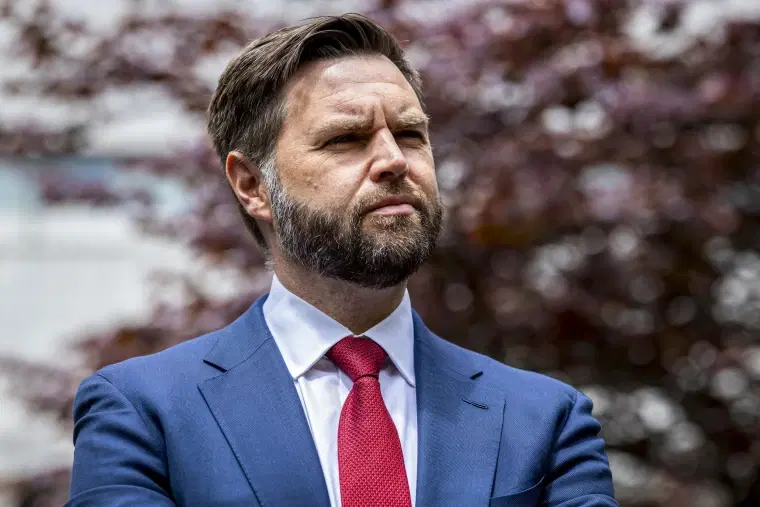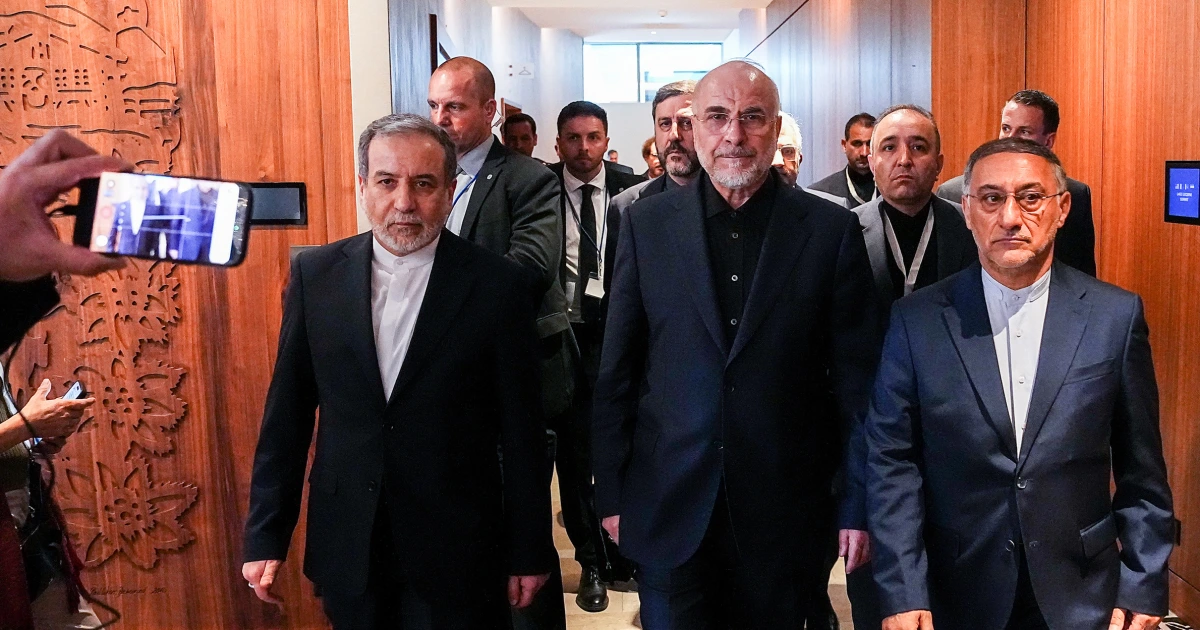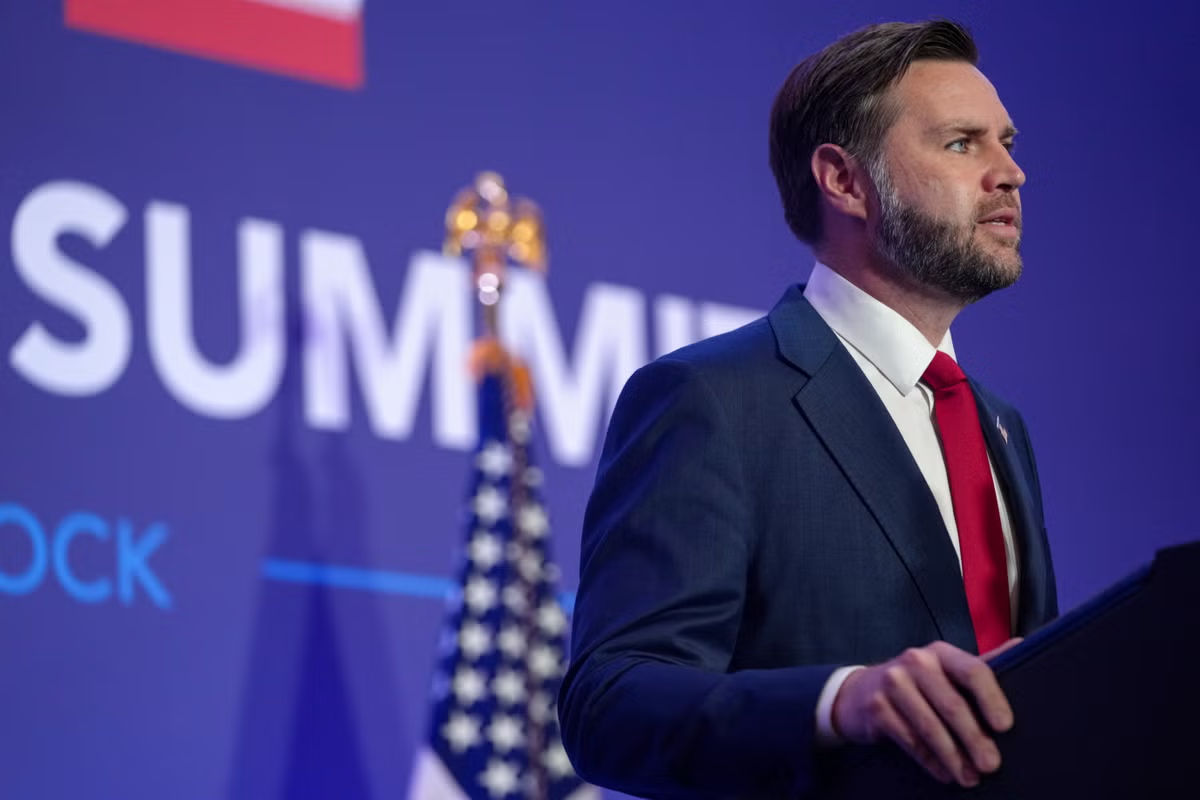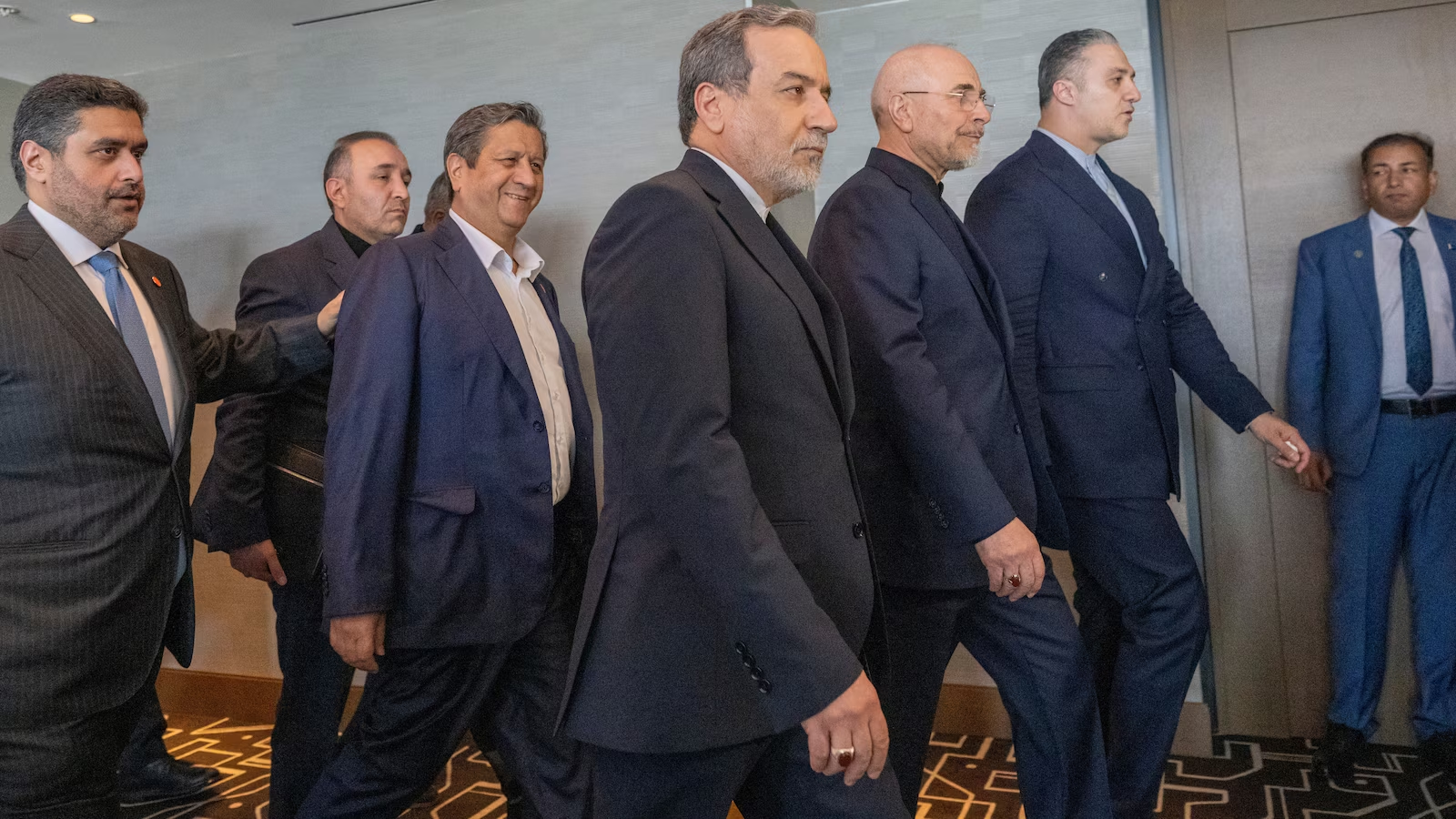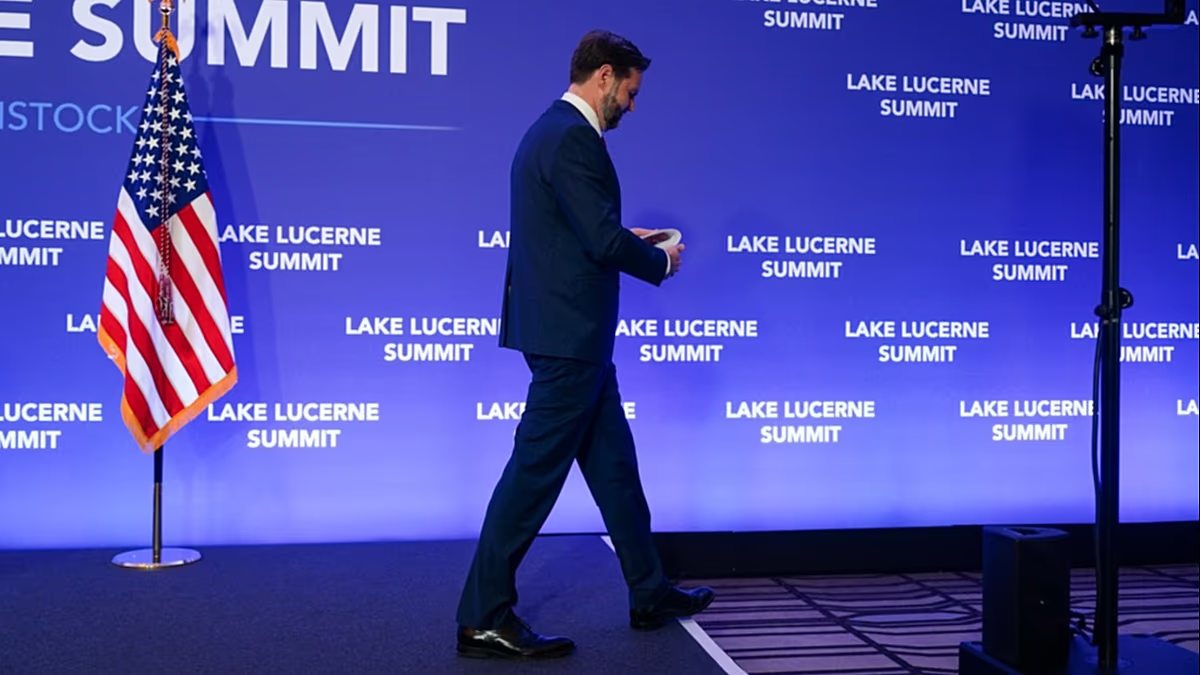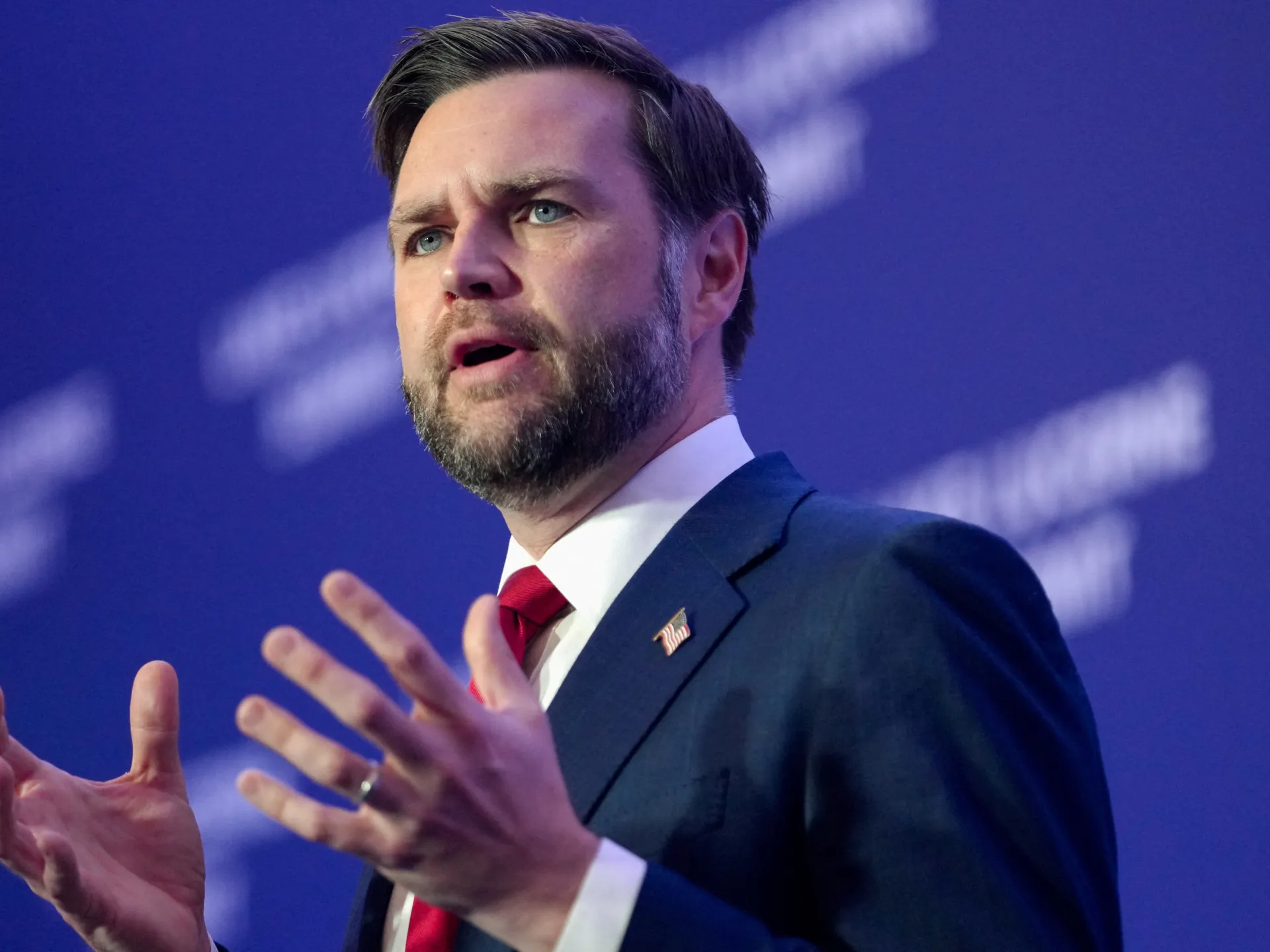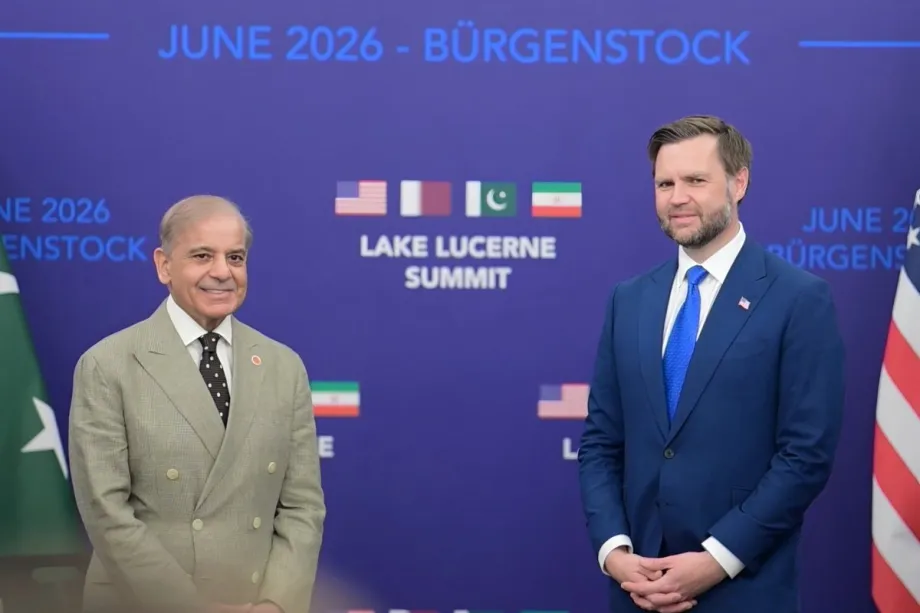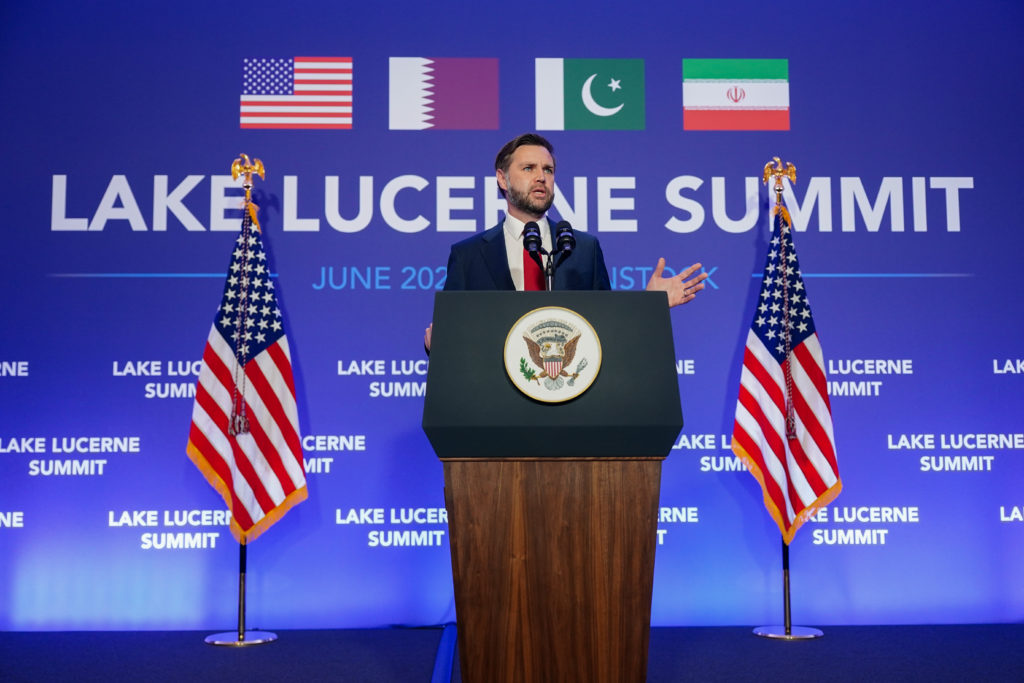
US President JD Vance declared Monday that a "very good foundation" had been laid for negotiations towards a final deal with Iran, after a marathon session of direct talks at a mountain-top resort Switzerland.Tehran has agreed for inspectors from the UN's nuclear watchdog to return to the country, Vance said, a year after Iran suspended some cooperation and blocked inspectors from key nuclear sites bombed by the US and Israel in 2025's 12-day war.Last week, Tehran and Washington signed a memorandum of understanding laying the groundwork for the negotiations, after nearly 40 days of fighting that was followed by weeks of an inconclusive and oft-breached ceasefire.Bern said conditions had been set for technical talks to immediately follow in Switzerland, with the two sides at the beginning of a 60-day period to secure a long-term settlement."We laid a very good foundation for a successful final deal," Vance told reporters at Switzerland's luxury Burgenstock resort, adding that "the final deal is the house... We haven't built the house, but we've laid a successful foundation to get to a good place for the American people".
The negotiators aim to tackle some of the most intractable issues that have dogged US-Iranian relations for decades, including Tehran's nuclear programme, including its stockpile of enriched uranium and its right to enrich more.Foreign Ministry spokesman Esmaeil Baqaei said on Monday that "a very brief discussion took place regarding the nuclear issue, but there was no discussion of details" and that nuclear talks had not begun.Vance, meanwhile, said Tehran had agreed to invite International Atomic Energy Agency inspectors "back to their country", calling it "a major milestone... and the first step in permanently denuclearising" Iran.- 'Roadmap' -In the weeks and days before the US-Iran talks, the war in Lebanon between Israel and Iran's close ally Hezbollah has threatened to collapse the ceasefire, though the country has been relatively calm since Sunday.Israeli leaders have expressed deep misgivings over the deal signed last week and have insisted that their troops will continue to occupy southern Lebanon and are free to respond to any threats there.Tehran and Washington, meanwhile, have set up communication lines to end the fighting in Lebanon and to keep the vital Strait of Hormuz open, mediators said.Iran closed the strait, through which much of the world's oil and gas travels in peacetime, early in the war, sending economic shockwaves across the globe.