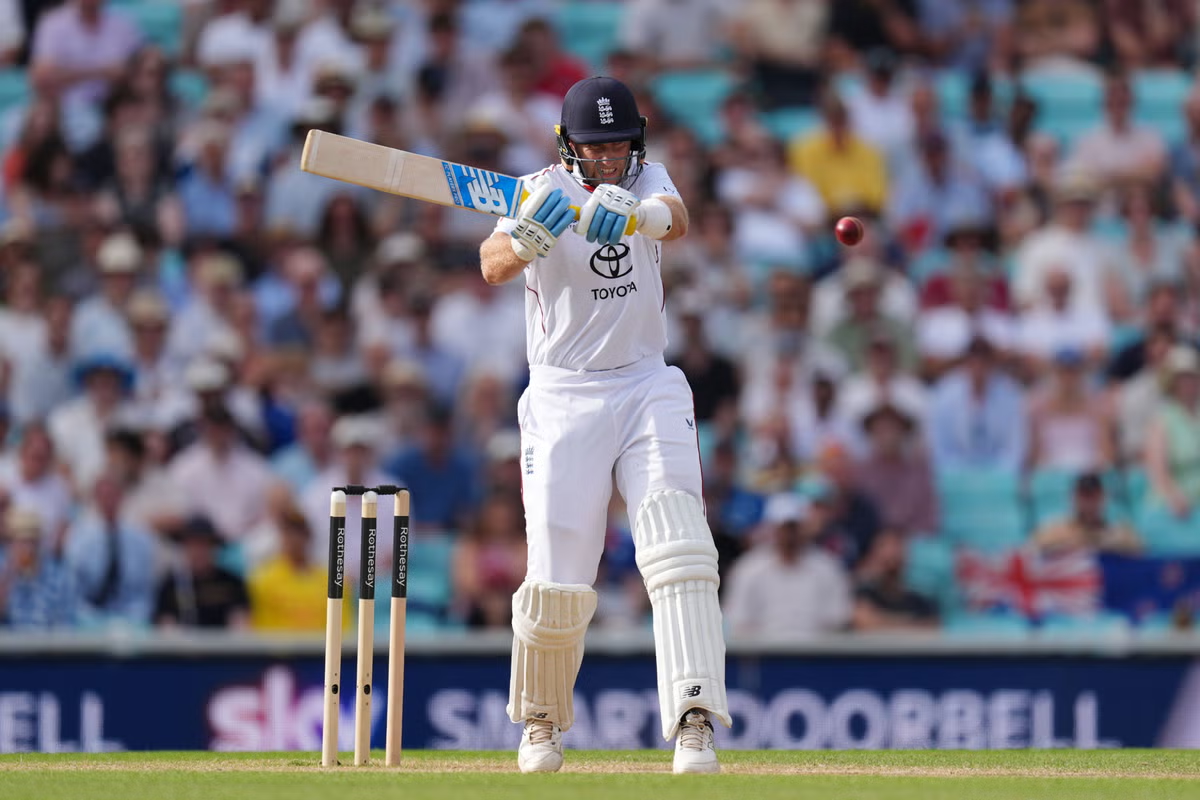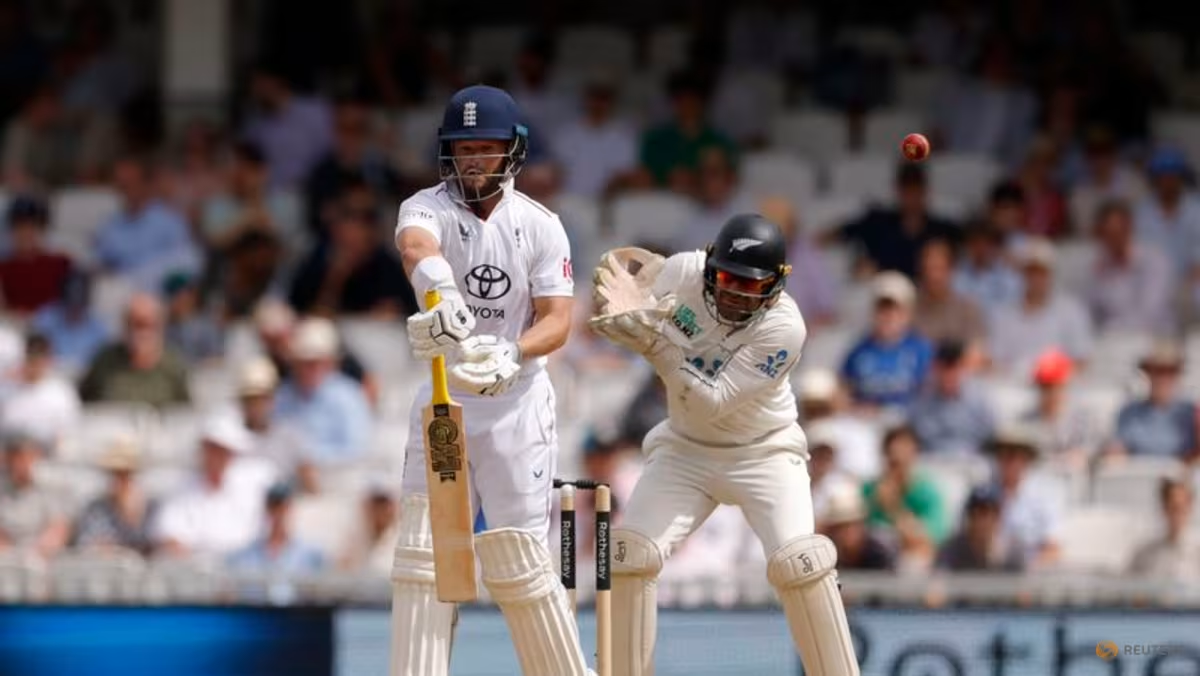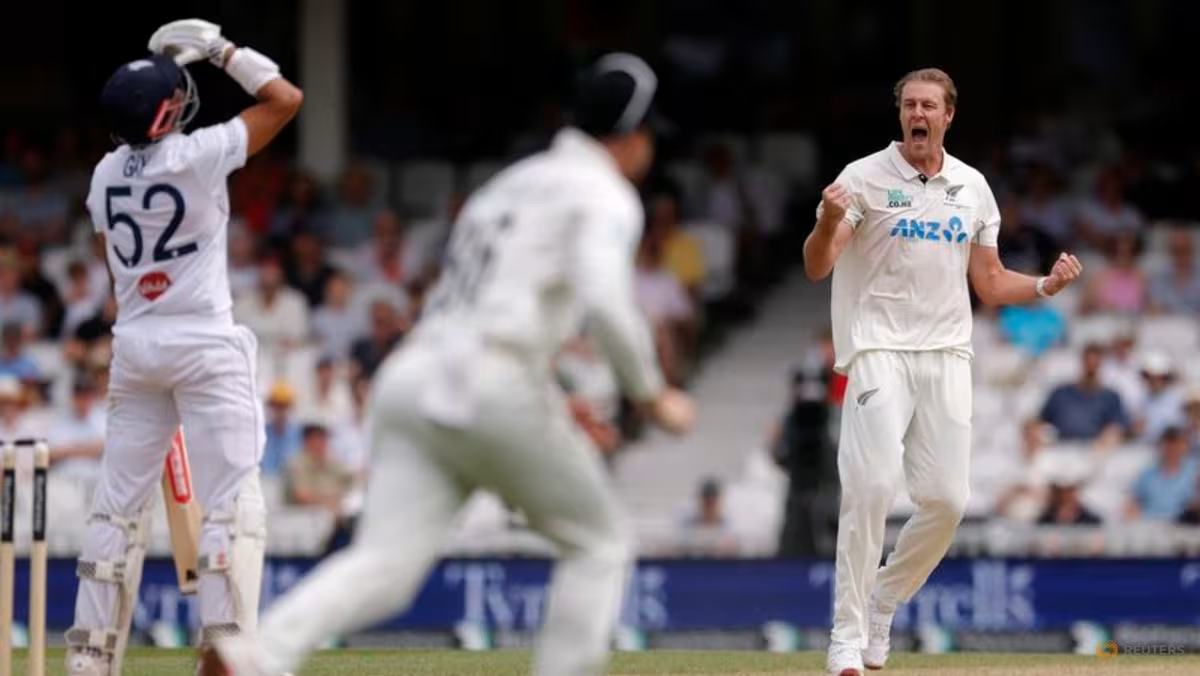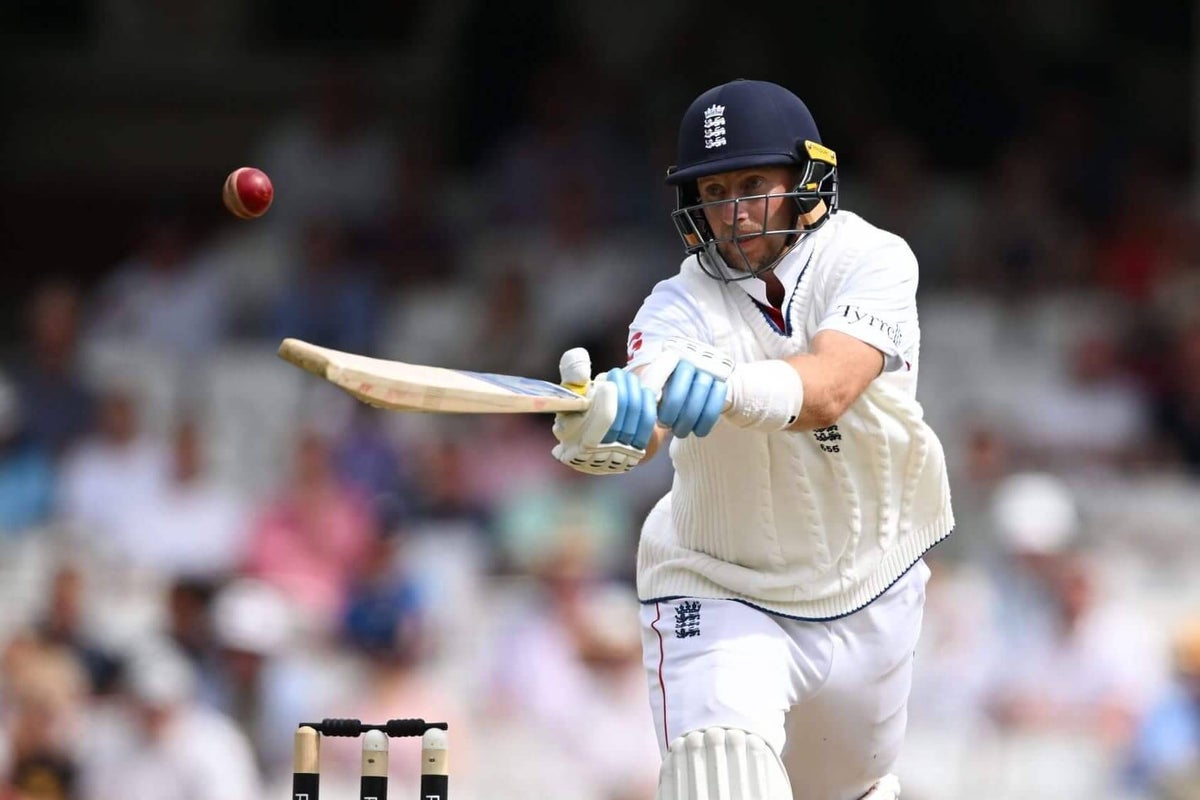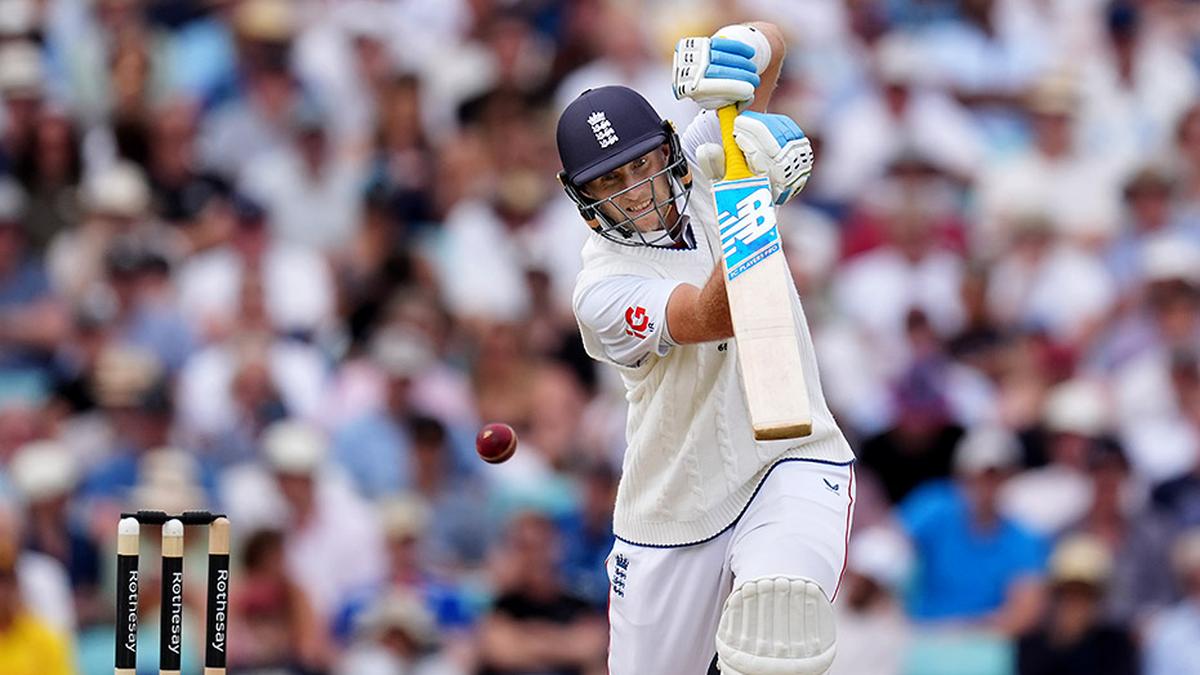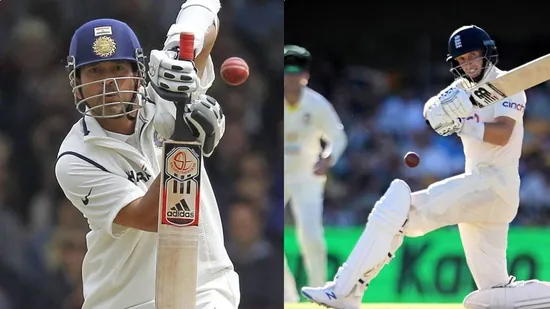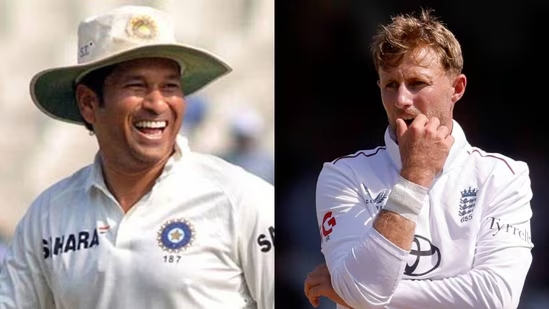
Joe Root's chase of Sachin Tendulkar's record has entered the final stretch. We estimate when and where the historic moment could arrive. The Hail Mary move in the wake of the London nightclub scandal involving Ben Stokes has not gone according to plan for England. With Stokes sidelined amid an ongoing ECB investigation, Joe Root's return to the captaincy has coincided with a difficult phase for the team.Can Joe Root break Sachin Tendulkar's Test record?New Zealand bounced back impressively in the second Test at The Oval, forcing England into a do-or-die final match of the series. For Root, the situation feels eerily familiar. The leadership pressures that contributed to his decision to step down as captain in 2022 have resurfaced, at least temporarily.Yet while England's fortunes remain uncertain, the conversation around Root himself has taken a very different direction.Scores of 46 and 77 in the second Test saw the 35-year-old become only the second batter in Test history after Sachin Tendulkar to cross the 14,000-run mark. And once again, the inevitable question emerged: when can Root surpass Tendulkar's seemingly untouchable tally of 15,921 Test runs?How Root changed the conversation from 'if' to 'when'When Tendulkar retired in 2013 with 15,921 runs from 200 Tests, the record appeared virtually unbreakable.Alastair Cook was initially viewed as the most likely challenger, but he retired more than 3,000 runs short. Virat Kohli and Steve Smith were later tipped to threaten the mark, yet Kohli retired from Tests with 9,230 runs, while Smith, now 37, has only recently crossed 10,000.For much of his career, Root wasn't even considered part of that discussion.Between 2012 and 2019, he scored 7,359 runs in 84 Tests at an average of 49.1, registering 14 centuries. Outstanding numbers, but not the profile of someone expected to chase down the greatest batting record in Test cricket.Everything changed after 2020.Following averages of 37.00 and 42.18 in 2019 and 2020 respectively, Root exploded in 2021, scoring 1,708 runs at 61.00 — the most prolific year of his career. More importantly, he sustained that level, averaging above 55 across the next four years.His conversion rate improved dramatically as well. In the latter phase of his career, he has scored 24 centuries in 68 Tests, compared to 14 hundreds in his first 84 matches.The result has been a remarkable increase not just in average, but in runs per match. Gradually, the debate stopped being about whether Root could challenge Tendulkar's record and became focused on when he might get there.When could Root overtake Tendulkar?Root's latest innings at The Oval took his career tally to 14,075 runs, leaving him 1,846 runs shy of Tendulkar's record.For context, Root required just 42 innings to score his previous 1,900 Test runs. That's roughly 25 Tests at a rate of 76 runs per match.England's upcoming schedule, however, is slightly lighter than previous cycles.After the final Test against New Zealand, England will host Pakistan for a three-Test series starting in August. That will be followed by a three-Test tour of South Africa later this year.In 2027, England are scheduled to play: Two Tests in Bangladesh, the one-off 150th Ashes anniversary Test in Australia in early March, a home Test against Bangladesh in late May, followed by a five-Test Ashes series against AustraliaThat amounts to 16 confirmed Tests, potentially 17 if England qualify for the World Test Championship final.
Joe Root is climbing the Test summit faster than you think: Why early 2028 could be when he beats Sachin Tendulkar
Joe Root's chase of Sachin Tendulkar's record has entered the final stretch. We estimate when and where the historic moment could arrive. | Cricket
876 words~4 min read