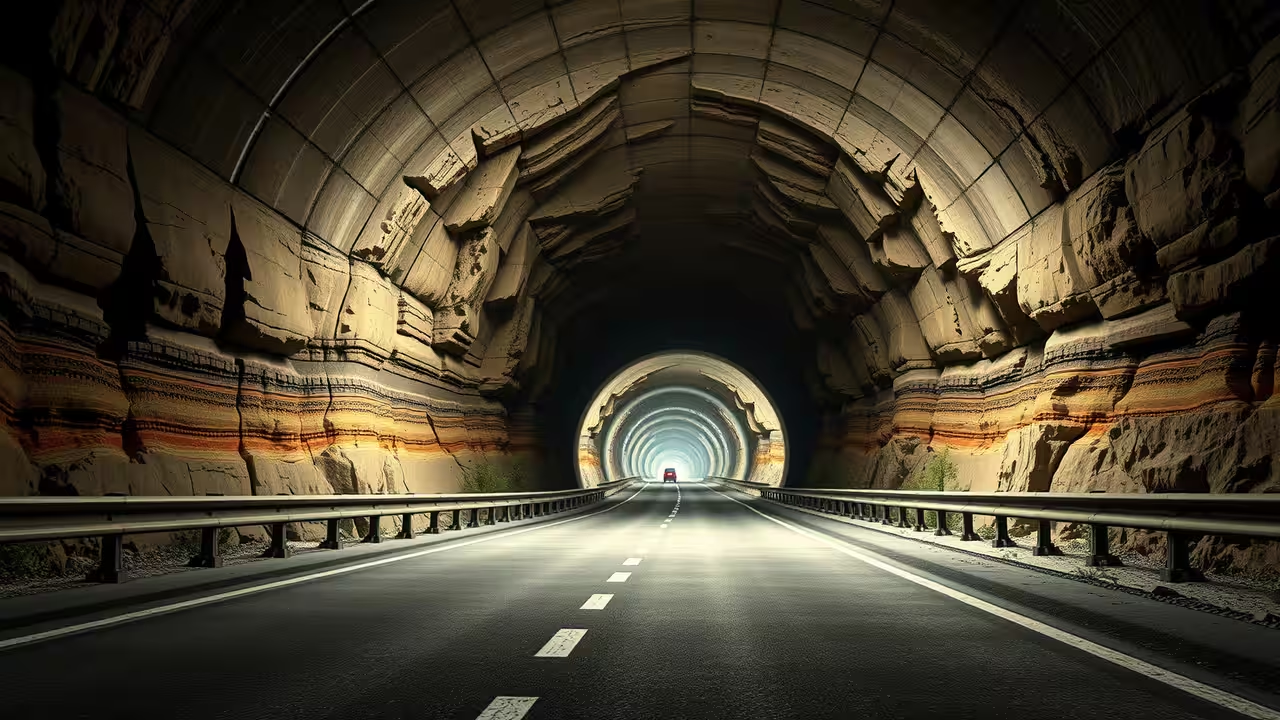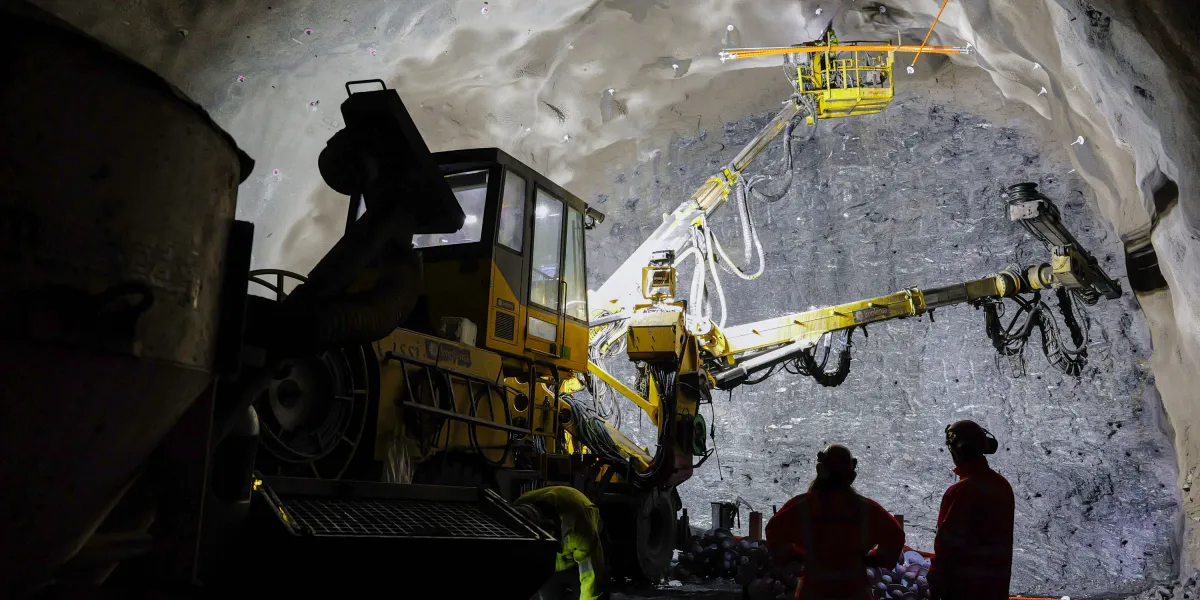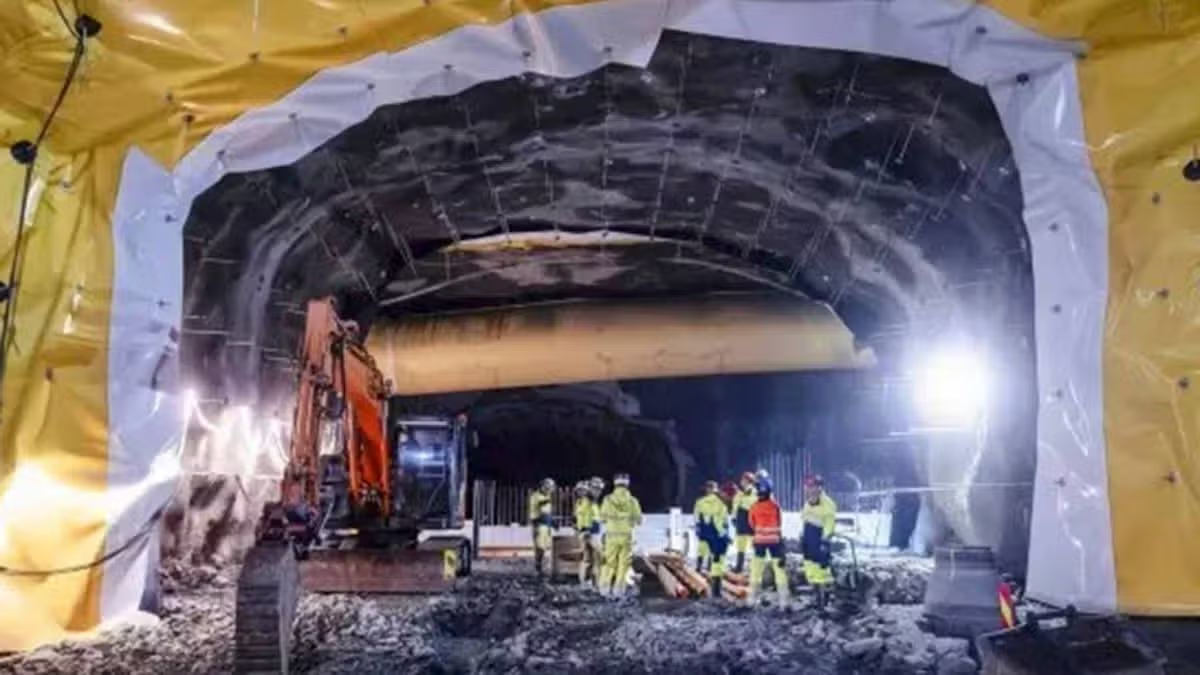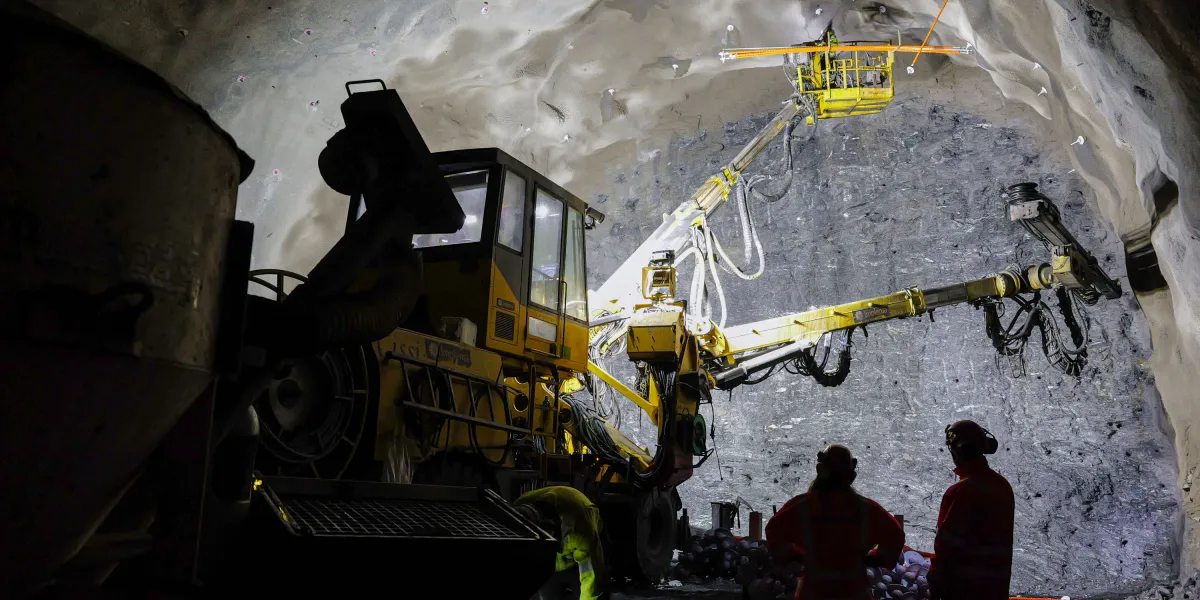
This is today's edition of The Download, our weekday newsletter that provides a daily dose of what's going on in the world of technology. Inside the world’s deepest and longest subsea road tunnel —Niall Firth I’m currently around 1,000 feet beneath the North Sea, in a dark, dank cave. It smells weird. And I’m increasingly aware of the pressure from millions of tons of seawater just above my head. I’m under the iconic fjords of Norway to visit what will soon become the world’s longest and deepest subsea road tunnel—an exceptional engineering feat that will carry drivers deep beneath the North Sea.
I’m here to understand how you make a 16.6-mile highway that sits 1,280 feet below the sea at its deepest point. And also—at a time when it can feel hard to get anything done—to reassure myself that ambitious engineering is still possible. That we can still make things. Step inside Norway’s Rogfast tunnel and see how engineers are making it happen.
This story is from the next edition of our magazine, which is all about engineering. Subscribe now to get a copy when it lands on Wednesday! Want to get a data center online quickly? Give it some flex. The AI boom is putting unprecedented pressure on the electric grid. But rather than rushing to build new power plants, companies could find part of the solution right under our noses—or, more precisely, in the transmission lines under our feet and above our heads. If data centers can limit the power they draw during high-demand stretches, they won’t need to wait for big infrastructure upgrades or build their own off-grid generation. The idea of flexibility isn’t entirely foreign to grid operators. But a new generation of software could make the process faster, smarter, and more precise for the AI era. Find out how the challenge of powering AI could lead to a smarter, more flexible grid. —Amos Zeeberg The must-reads I’ve combed the internet to find you today’s most fun/important/scary/fascinating stories about technology.