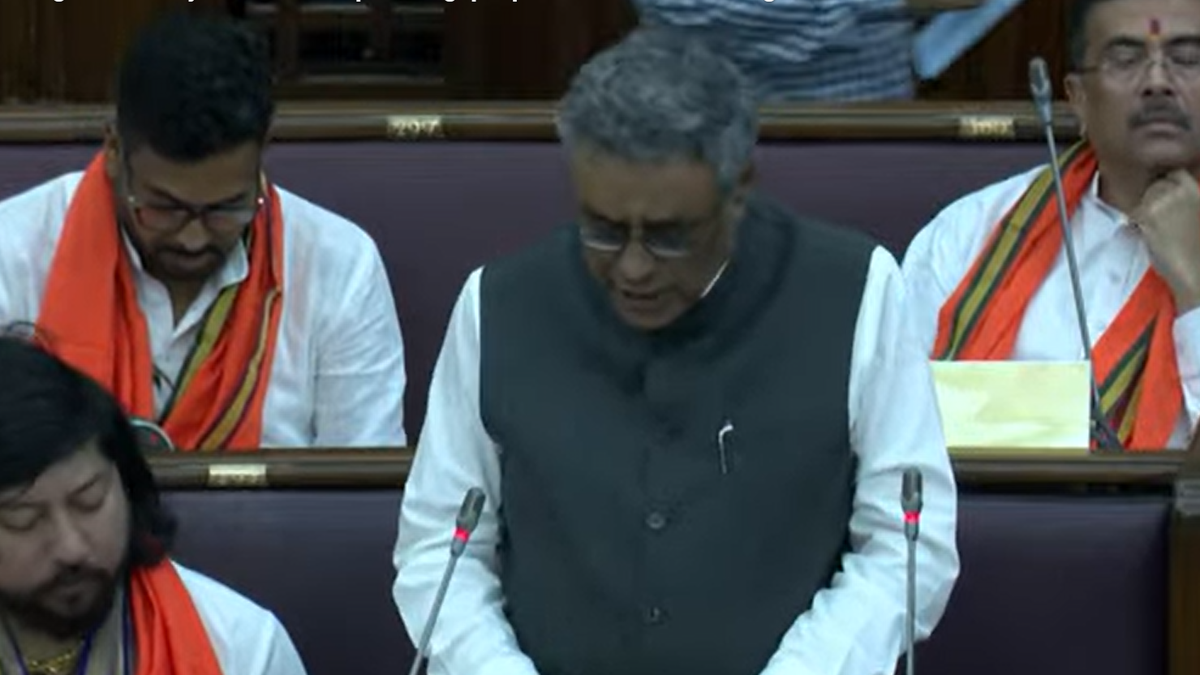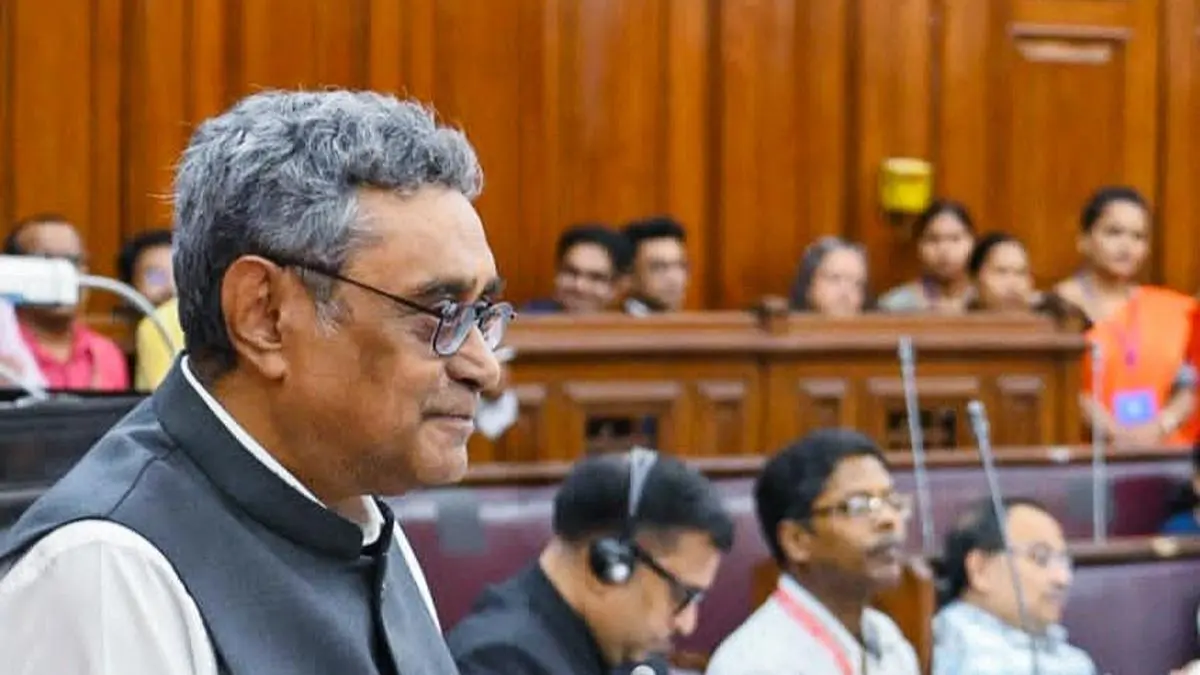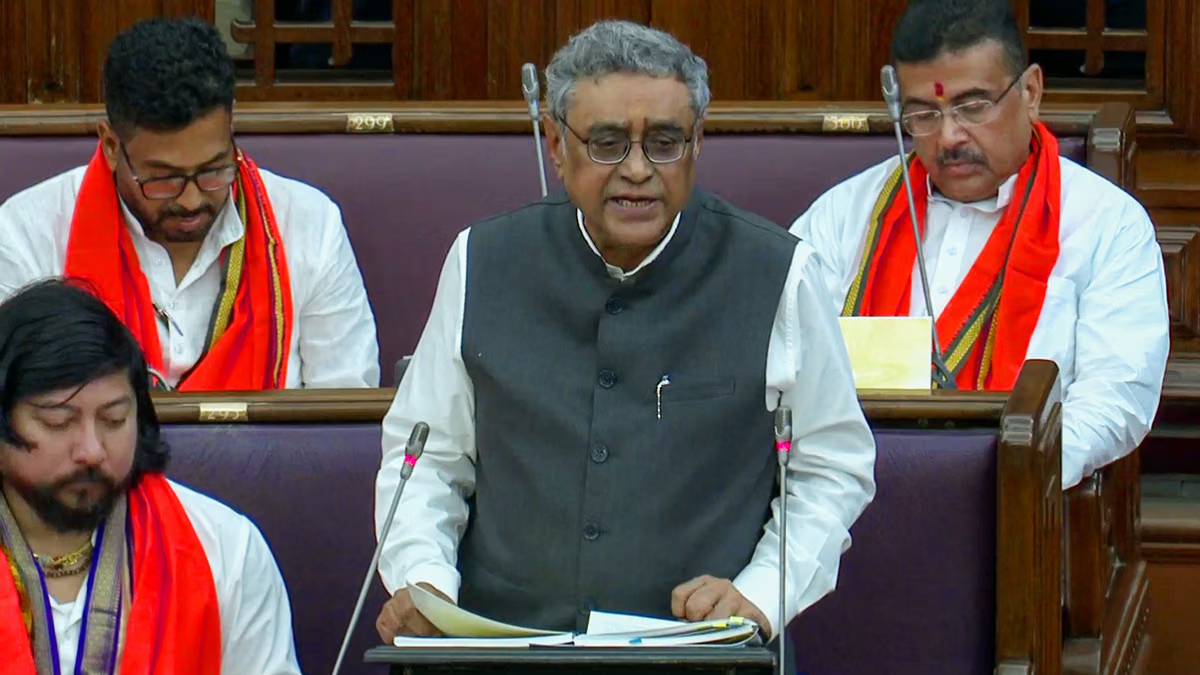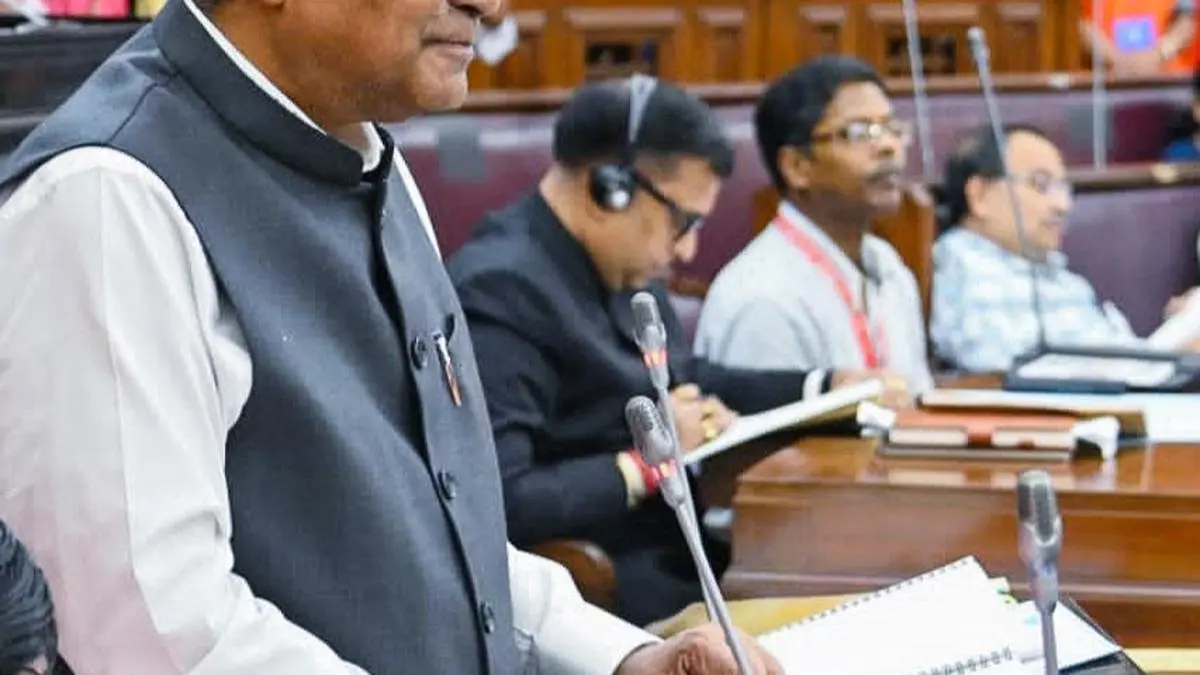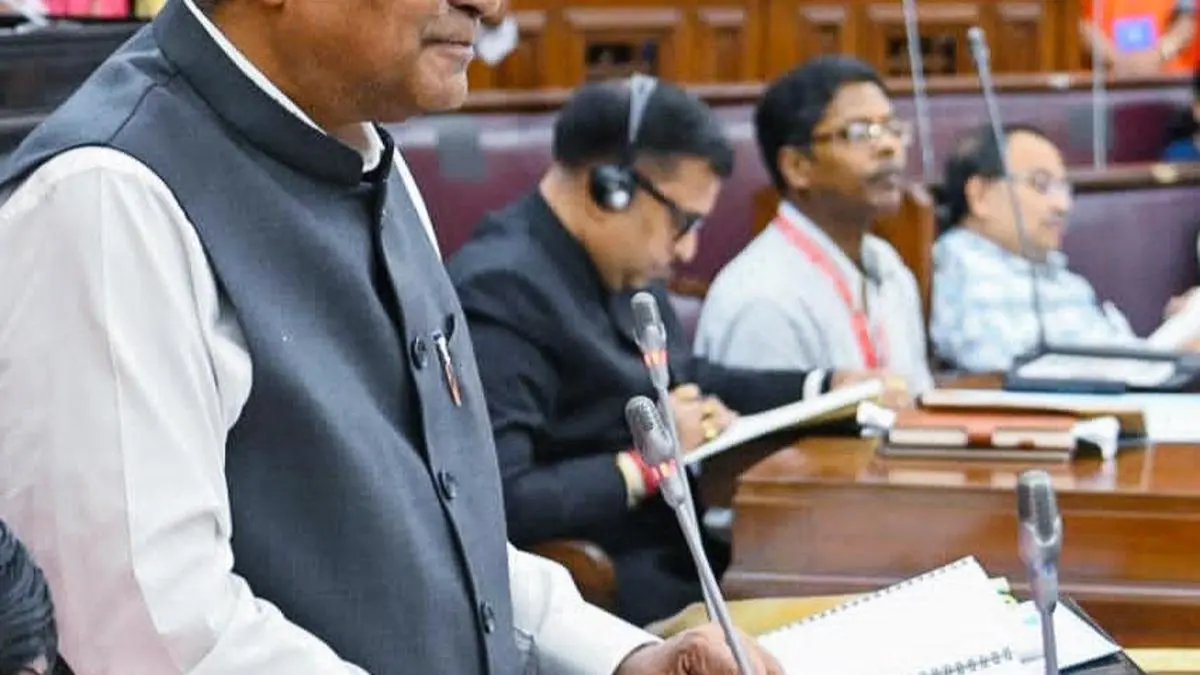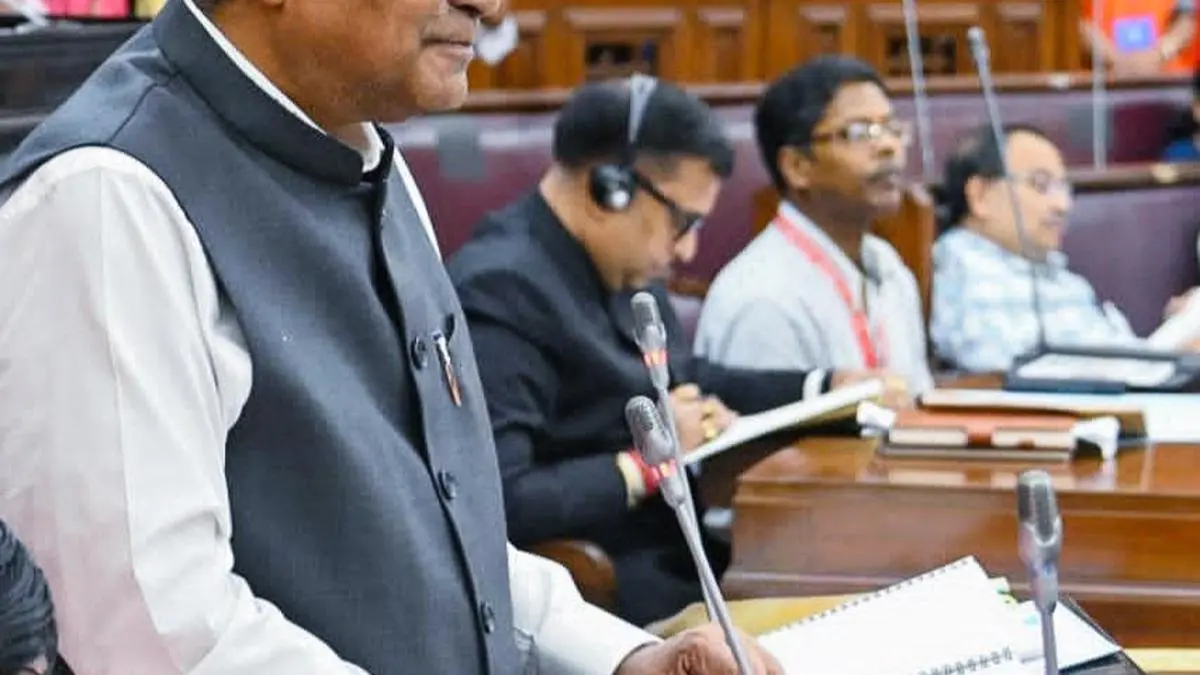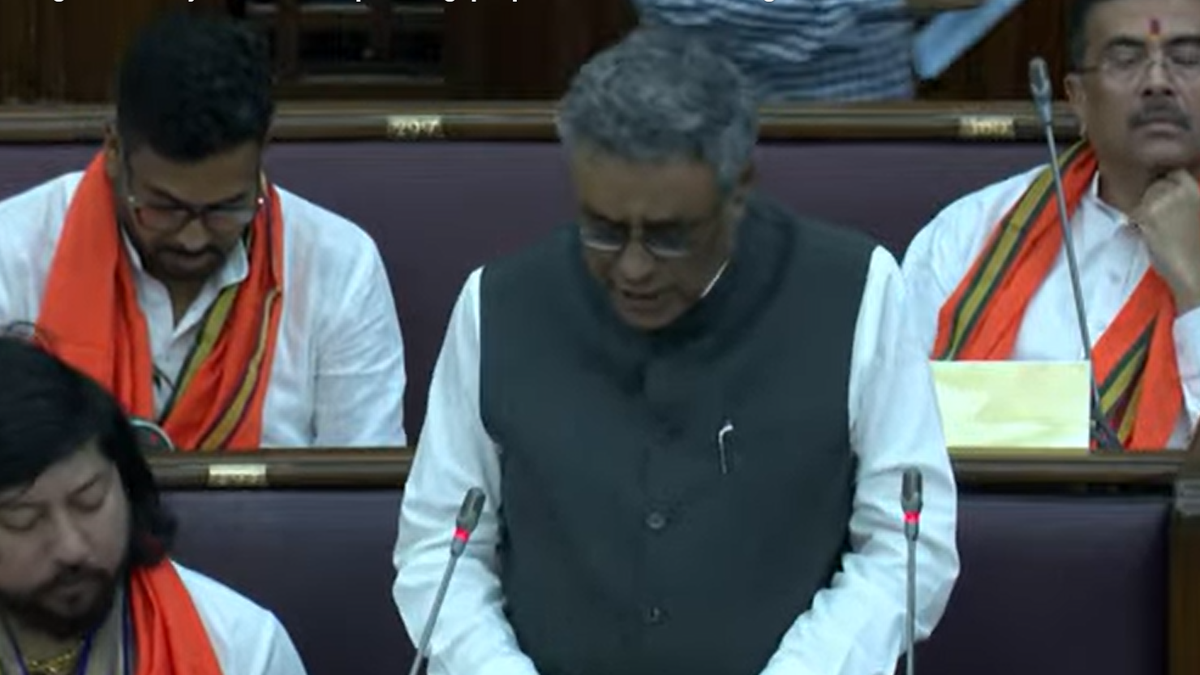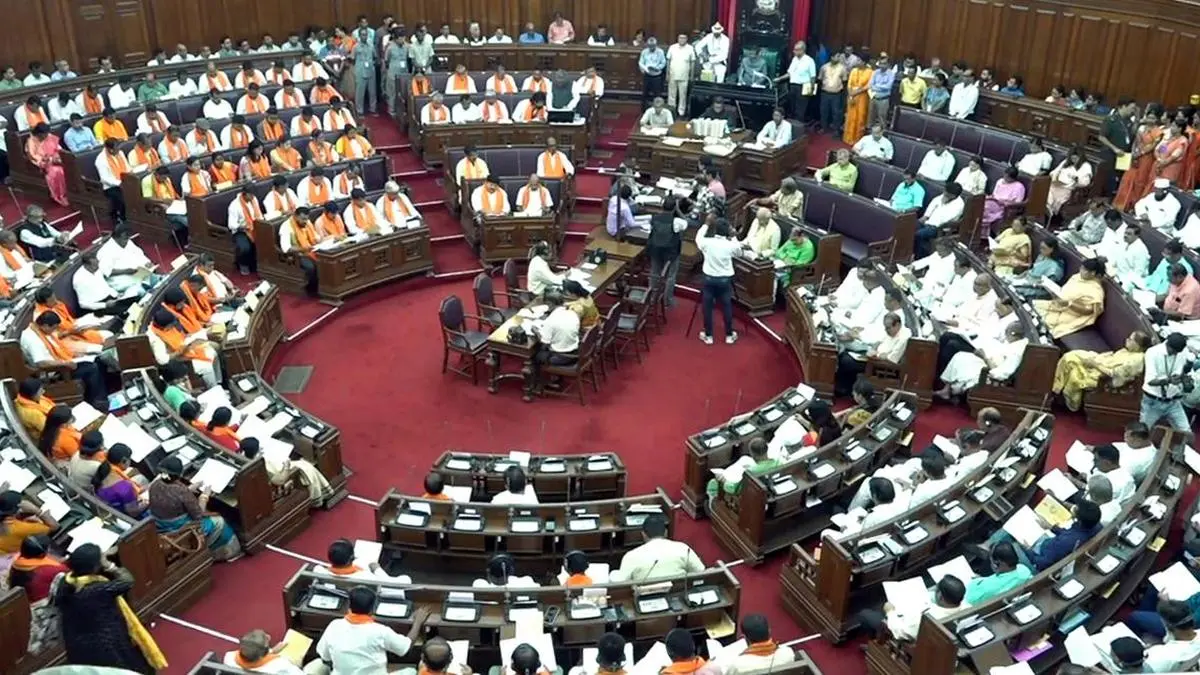
West Bengal government will bring a legislation to safeguard "lawful businesses" from ‘syndicate charges' and other extortion, West Bengal Finance Minister Swapan Dasgupta on Monday presented a Rs 4.38 lakh crore (net) budget for 2026-27, with a major focus on North Bengal, tourism, the agri-sector, social welfare, industry, and infrastructure development in West Bengal. In a bid to make the investment climate free from ‘syndicate charges’ and extortion, the budget laid emphasis on “an urgent need to significantly improve the investment climate by reducing the 'cost of doing business' caused by extortion and interference” by bringing a new legislation. The budget mentioned that the new legislation will “boost investor confidence, encourage expansion and new setups (especially in manufacturing, MSMEs and IT), protect supply chains and operations from disruptions, and enhance employment generation.” “Our Government will bring legislation to safeguard lawful businesses from 'syndicate charges' and other informal extortions. By enabling faster redressal and personal accountability for offenders, it addresses long-standing industry grievances, potentially attracting more domestic and foreign investment while promoting rule of law without undermining legitimate regulatory oversight,” the budget said. Prime Minister Narendra Modi, during his poll rallies, vowed to eradicate the syndicate and extortion raj that prevailed in the state under the previous Trinamool Congress government. The Chief Minister Suvendu Adhikari-led government presented its first budget. The budget file was made of traditional Bengali mats and jute. Adhikari and Swapan Dasgupta performed a puja ahead of presenting the budget in the Assembly.
West Bengal plans new law to curb ‘syndicate charges’ and improve ease of doing business
West Bengal's new government has unveiled a budget prioritizing North Bengal, tourism, and industry, with a significant move to combat 'syndicate charges' and extortion. A new legislation aims to protect lawful businesses, boost investor confidence, and enhance employment. This initiative seeks to create a more favorable business environment, addressing long-standing grievances and attracting domestic and foreign investment.
245 words~1 min read