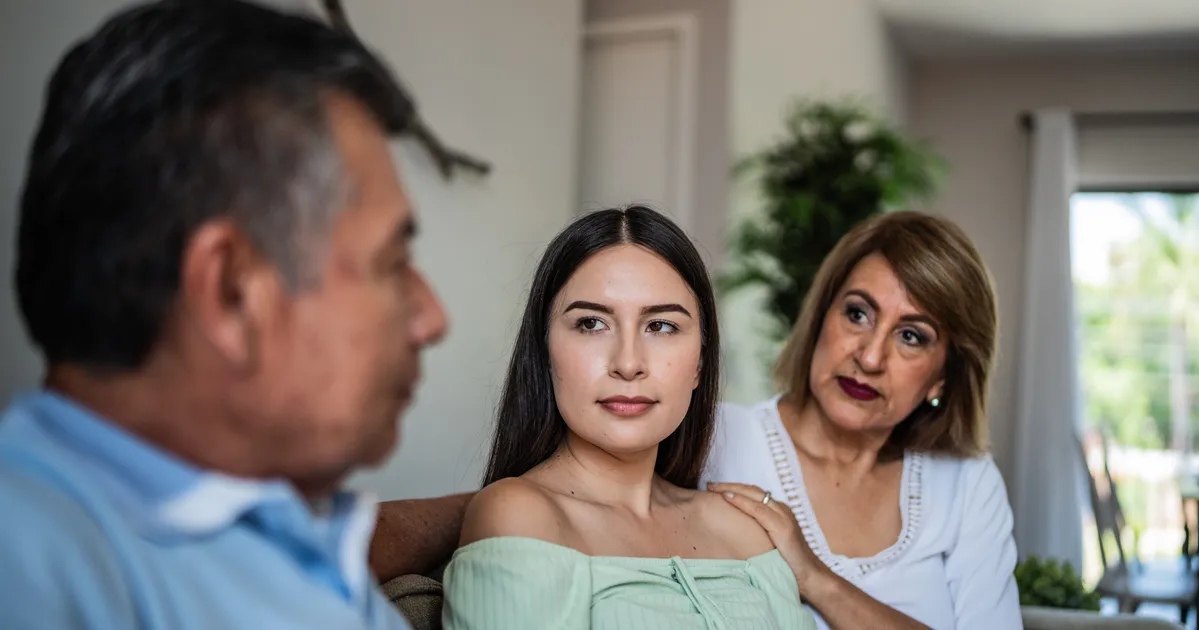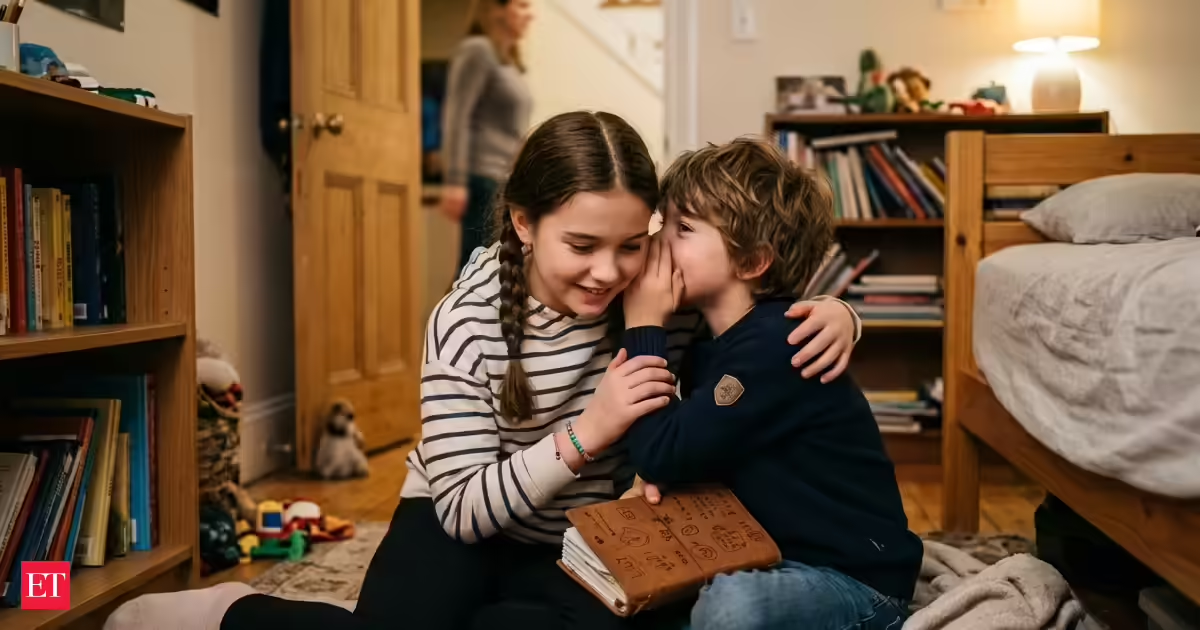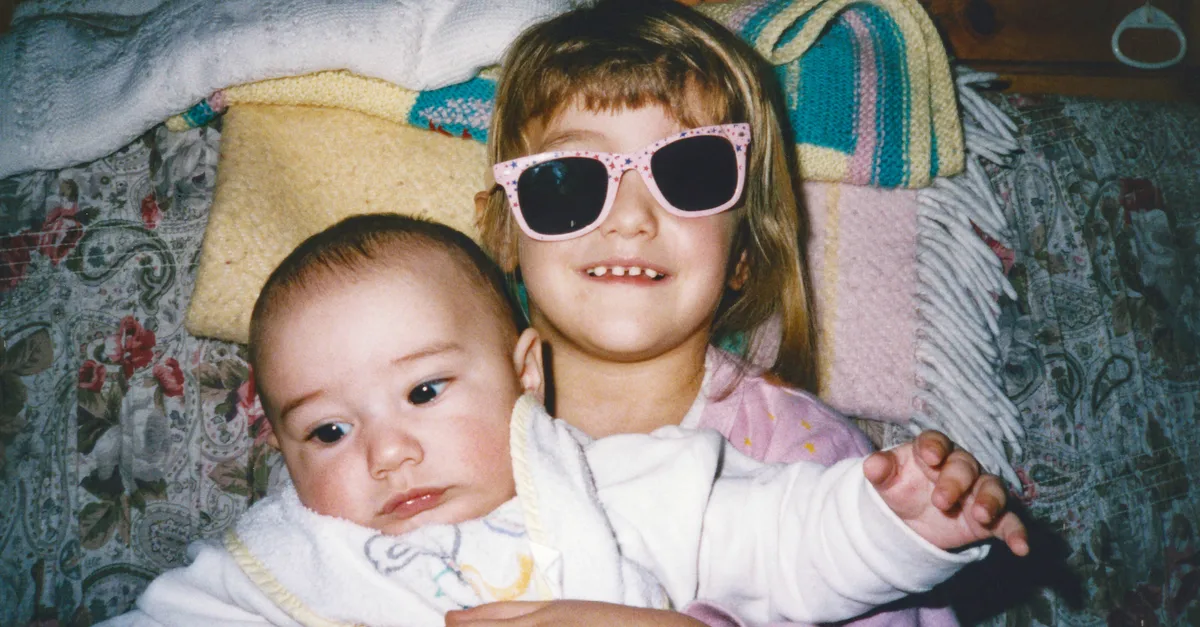
Almost every family has one. The sister who reminds everyone to eat. The one who asks if everyone reached home safely. The one who notices when someone is sad before they say a word. She remembers birthdays, family problems, and everyone's favorite food. Sometimes, she even scolds her siblings the way a parent would. To outsiders, this behavior can appear overly protective or controlling. Psychology suggests something different. For many women, this role develops naturally over years of family experiences, emotional expectations, and learned responsibilities. In many ways, some sisters do not simply become older siblings. They quietly become second mothers.Why Birth Order Can Influence Caregiving BehaviorsOne explanation comes from Birth Order Theory, introduced by psychologist Alfred Adler. Although birth order is not destiny, older children often receive responsibility earlier than younger siblings. Parents may unconsciously rely on them to help with younger brothers and sisters. Over time, this responsibility becomes part of their identity.They begin to think: "I need to make sure everyone is okay."That protective instinct can continue well into adulthood.Why Some Sisters Experience ParentificationPsychologists also discuss Parentification Theory. This occurs when children take on caregiving responsibilities that are usually handled by adults.You Might Also Like:For example:Looking after younger siblings.Helping manage household routines.Providing emotional support.Mediating family conflicts.Many children adapt quickly. What begins as helping eventually becomes a permanent role. Even years later, they may still feel responsible for everyone around them.Why Women Are Often Socialized To Become CaregiversPsychologists also point to Social Role Theory, developed by psychologists Alice Eagly and Wendy Wood. Society often encourages girls to become nurturing and emotionally attentive from a young age.Girls are frequently praised for being:HelpfulCaringResponsibleProtectiveOver time, these expectations shape behavior. Many sisters learn that caring for others is part of who they are.Why They Notice Small Emotional Changes Before OthersPsychologists also connect this to Emotional Intelligence Theory, popularized by psychologist Daniel Goleman. Some sisters become highly skilled at reading emotions. They notice:Changes in tone of voice.Body language shifts.Signs of stress.Emotional withdrawal.This ability often develops because they have spent years paying attention to family members' needs. Their brains become trained to scan for emotional cues.Why They Feel Responsible For Everyone's HappinessPsychologists also discuss Family Systems Theory, developed by psychiatrist Murray Bowen. Families operate like interconnected systems. When one person struggles, everyone feels the impact.Certain family members naturally become stabilizers. These individuals often absorb emotional burdens to maintain harmony. The sister who behaves like a mother frequently fills this role. She may become the person everyone calls during a crisis.Why Modern Examples Are EverywhereMany young adults recognize this pattern immediately. Older sisters often:Remind siblings to drink water.Ask whether everyone ate dinner.Organize family events.Manage group chats.Help parents with responsibilities.Even after moving out, they continue doing it. The role follows them because it has become part of their identity.Why This Can Become Emotionally ExhaustingThere is also a hidden downside. Psychologists discuss Role Engulfment, where one role becomes so dominant that it overshadows personal needs. Some sisters become so focused on caring for others that they forget themselves.They may struggle to:Ask for help.Set boundaries.Prioritize rest.Express vulnerability.Eventually, emotional fatigue can appear.Why Younger Generations Are Finally Talking About ItMillennials and Gen Z are increasingly discussing the concept of the "family caretaker." Many women are recognizing that their caregiving role began much earlier than adulthood. Social media discussions about emotional labor have helped normalize these conversations.People are beginning to realize that being "the responsible one" can sometimes be both a strength and a burden. Psychology suggests sisters who behave like mothers are rarely trying to control everyone. More often, they are responding to years of learned responsibility and emotional attachment. Humans crave connection. Humans crave belonging. Humans crave protecting the people they love. The most important insight is that these sisters are not simply giving advice. They are often carrying invisible emotional responsibilities. Perhaps that is why their care can sometimes feel overwhelming. Because for many of them, looking after others stopped being a task long ago. It quietly became part of who they are.FAQsWhy do some sisters behave like mothers?Psychology suggests early responsibility, family dynamics, and caregiving expectations often shape this behavior.Why do older sisters feel responsible for everyone?Birth order, parentification, and family roles can create a long-term sense of responsibility.
Psychology says sisters who behave like mothers are not controlling: Why some girls naturally become the second parent in the family
Psychology suggests that sisters who often behave like mothers are rarely trying to control everyone around them. More often, they are responding to years of learned responsibility, emotional attachment, and a deep sense of protectiveness. Humans are naturally wired for connection, and for some sisters, caring for others becomes one of the ways they express love and maintain that bond.
TL;DRAI
Sisters develop maternal caregiving roles via birth order, parentification, and socialization—not control. This pattern applies to tech teams: understanding Role Engulfment in senior engineers helps prevent burnout.
702 words~3 min read