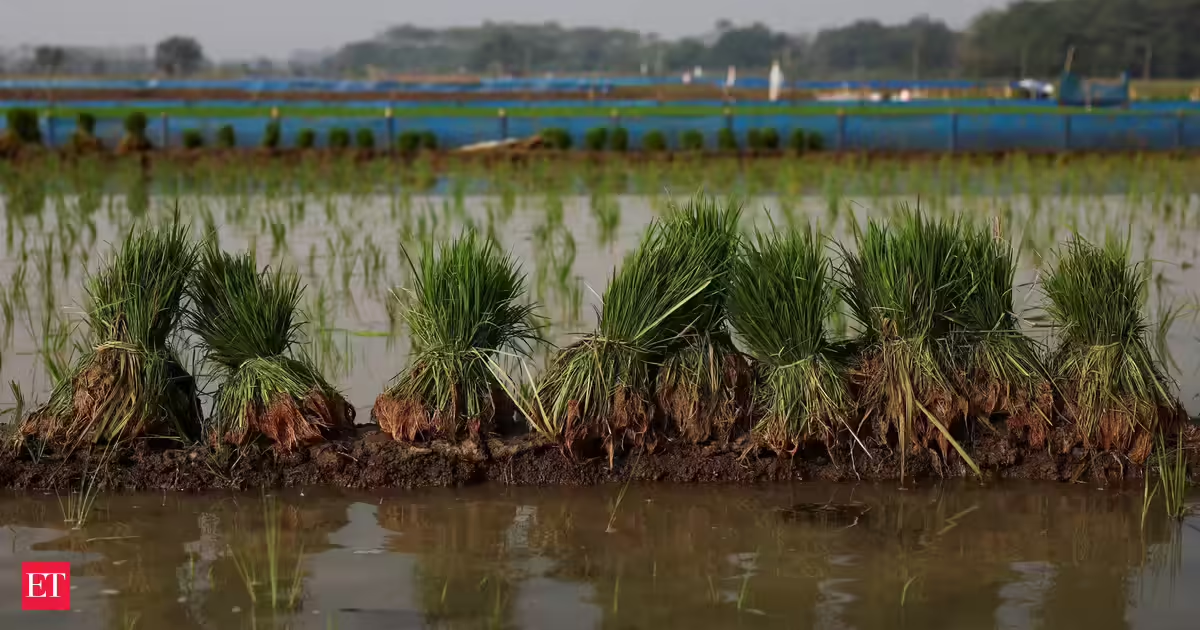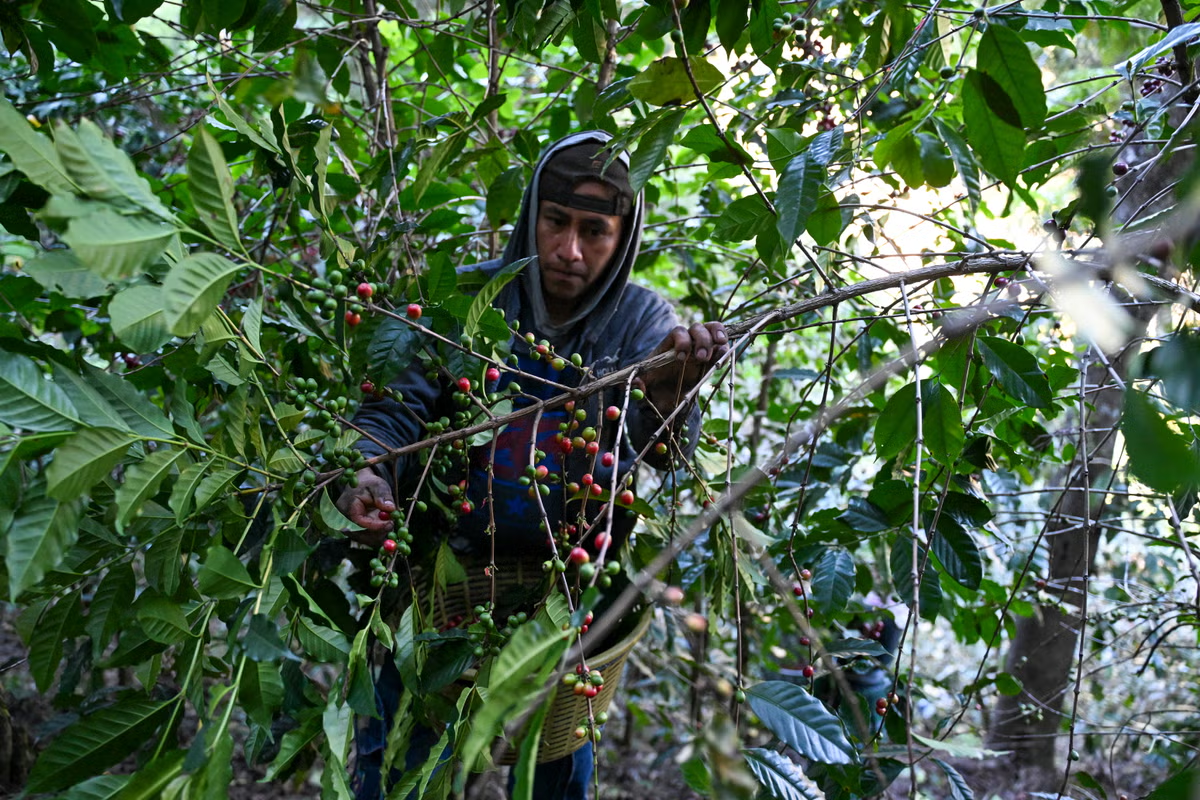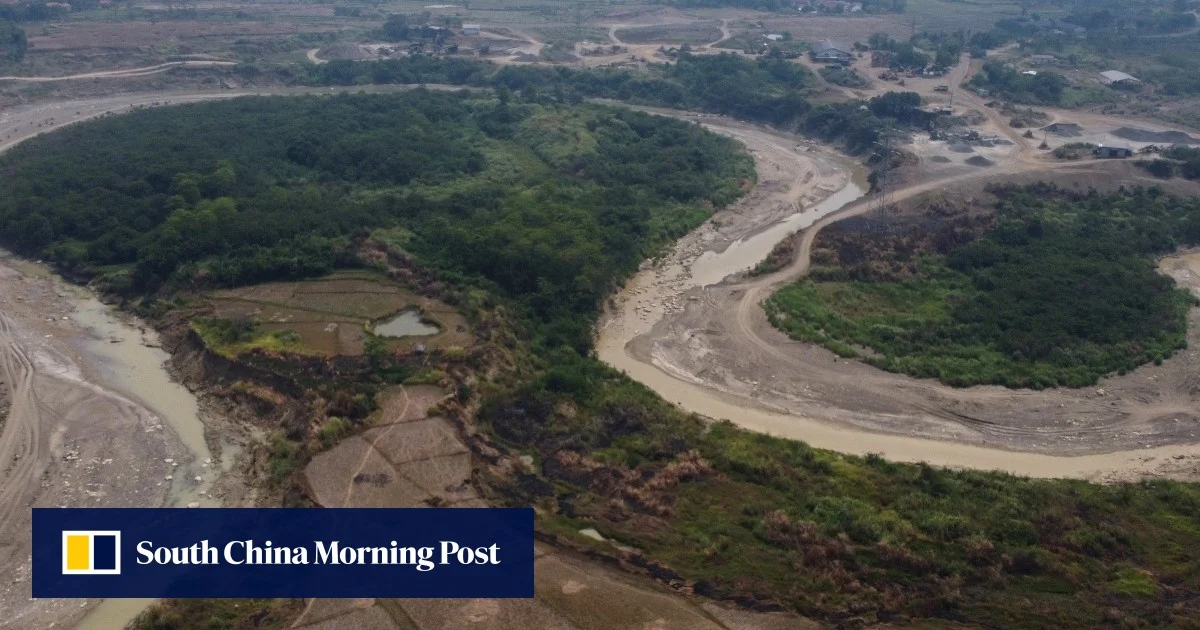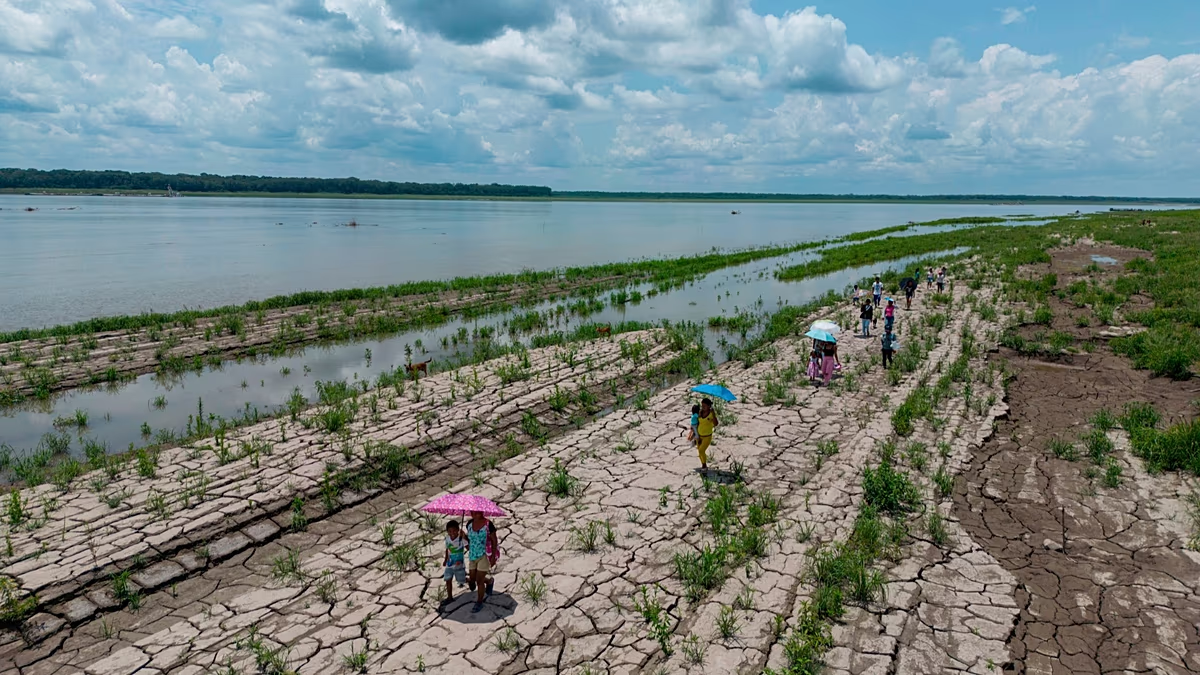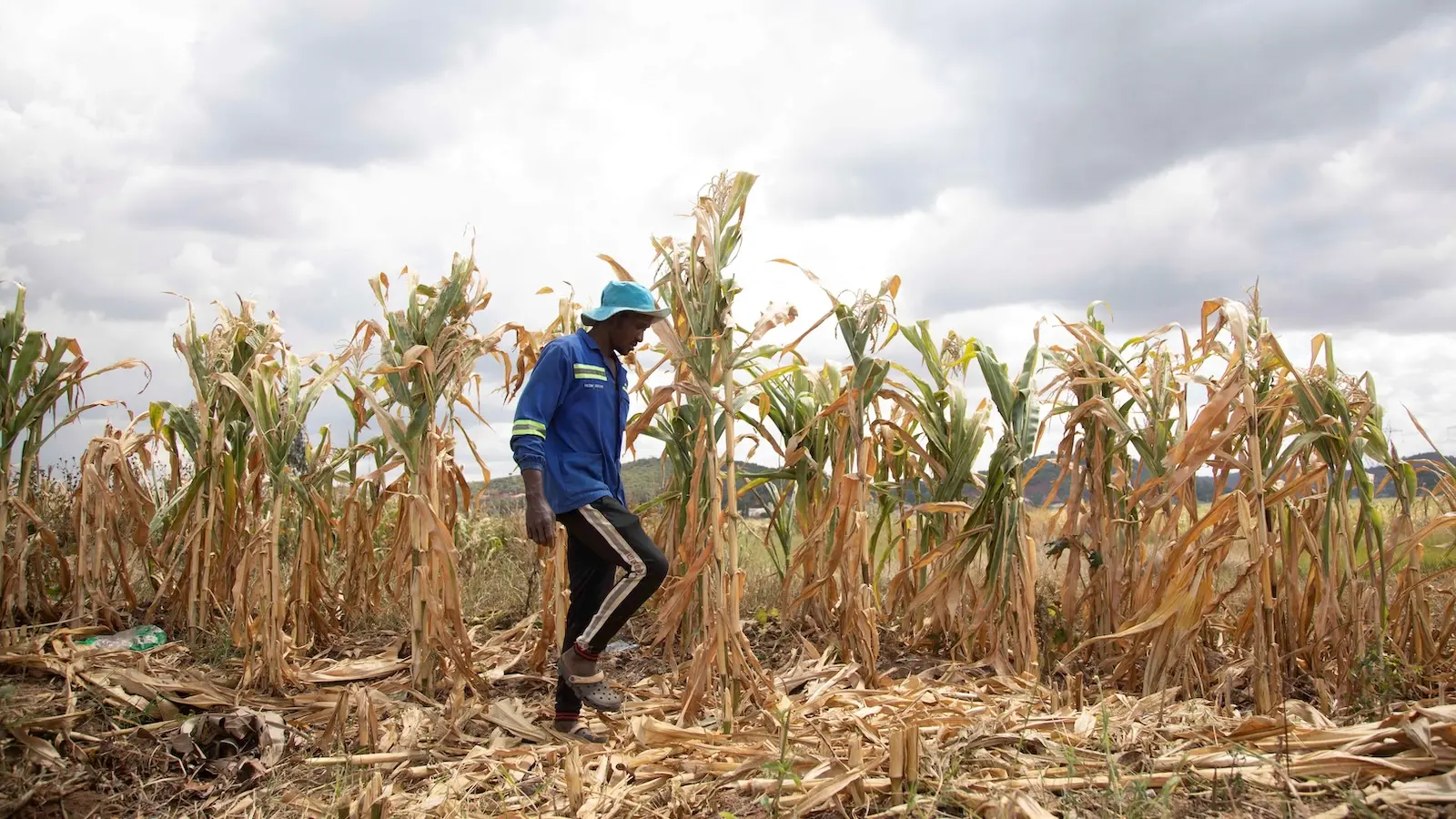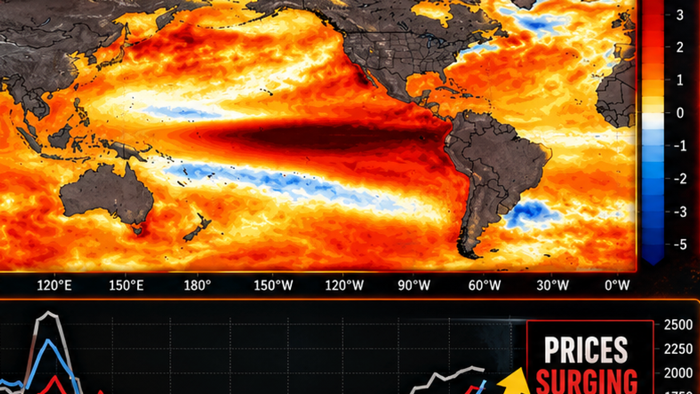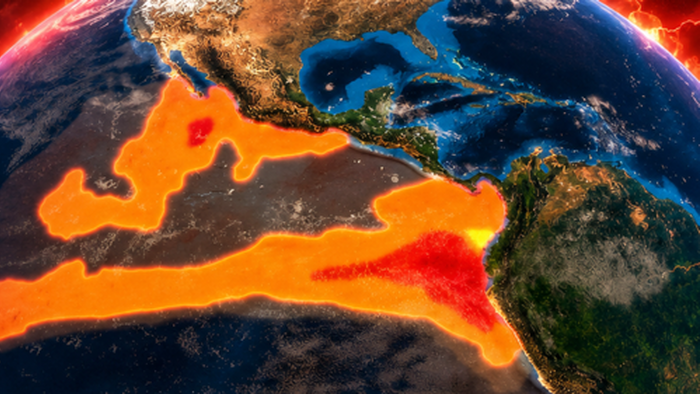
The El Niño of 1877 and 1878 was one of the strongest on record. This event was a key driver of concurrent, multiyear droughts in Asia, Brazil, and Africa that caused widespread crop failures and catalyzed a global famine, killing millions.
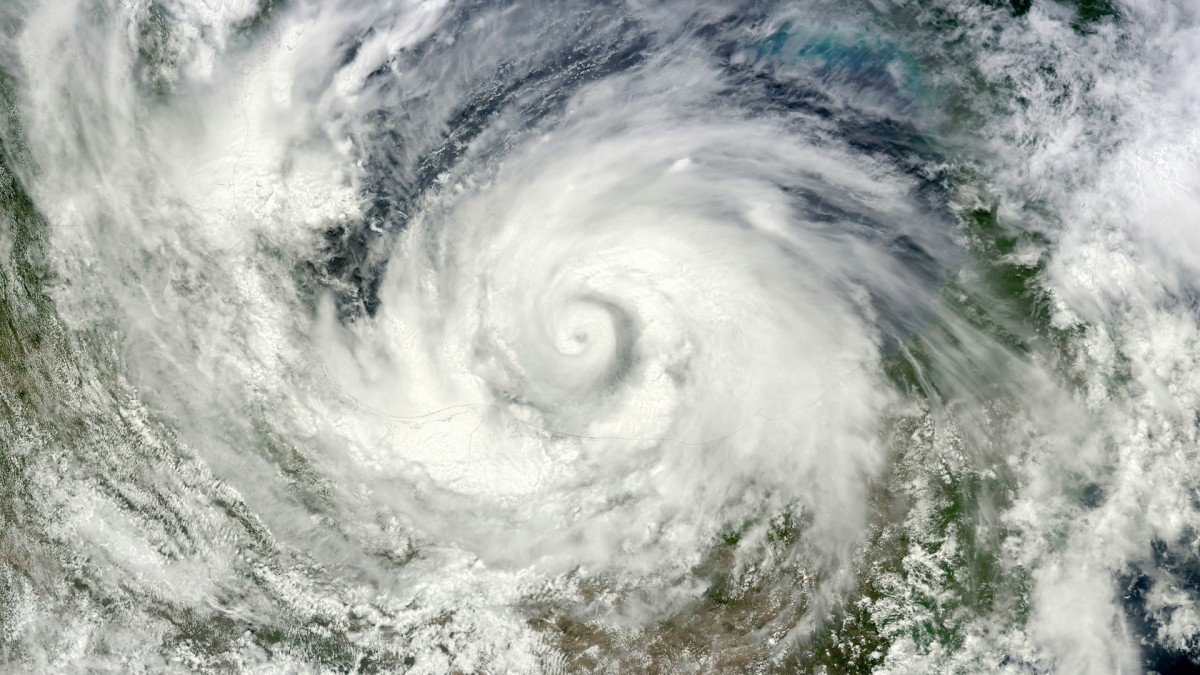
Now, El Niño is back again, and it’s rapidly strengthening. It’s still early days, but climate scientists are already comparing this event to the 1877-1878 El Niño. If it becomes as severe as forecast models suggest, we can expect an intense increase in Pacific sea surface temperatures that will push the global average temperature to new heights and shift weather patterns across the globe. But could this cause another global famine? For this Giz Asks, we posed this question to several experts. While they highlighted certain risks, they emphasized that even exceptionally strong El Niño events cannot trigger a severe food shortage in isolation—social, political, and economic factors must also play a role.
Benjamin Selwyn Professor of international relations and international development at the University of Sussex. Selwyn teaches about global supply chains, food systems, and development. El Niño is a cyclical climatic event—periodic warming of the Pacific—that disrupts rainfall patterns across the globe. In the context of climate breakdown, however, its effects are intensified as it interacts with hotter oceans, degraded soils, and already stressed food systems. What might once have been a severe shock now has a greater capacity to propagate food crises through the global economy. It is misleading, though, to treat any resulting famine as a natural outcome. Famines are produced socially. As Amartya Sen showed in his analysis of the Bengal famine, starvation is rarely the result of an absolute decline in food availability. It stems from failures of entitlement: People lose the means to command food through markets, production or state support. The late nineteenth-century El Niño events—what Mike Davis called the “Late Victorian Holocausts”—coincided with drought, but it was colonial extraction, export imperatives and the systematic impoverishment of rural populations that converted climatic stress into mass mortality. The contemporary global food system reproduces comparable vulnerabilities. It operates effectively for profit-making but poorly for human need and ecological stability. Current responses to food and fertilizer shocks, intensified by geopolitical tensions such as the ongoing war on Iran, focus on restoring supply chains. Yet such measures defer crisis while entrenching dependence on fossil-fuel-based fertilisers and volatile global markets. A severe El Niño could precipitate acute food crises. Whether these become famines will depend less on aggregate supply than on inequality, debt burdens, conflict and state priorities. The material capacity to prevent famine exists. Oxfam’s estimate that a small fraction of G7 military spending could address the present food crisis makes that clear. The absence of such commitments is a political choice. Avoiding famine requires more than repairing supply chains. It requires treating food as a right and reorganizing production around social need and ecological limits rather than the imperatives of profit. Jennifer Burney Professor of global environmental policy and earth system science at Stanford University’s Doerr School of Sustainability. Burney’s research focuses on the coupled relationships between climate and food security.