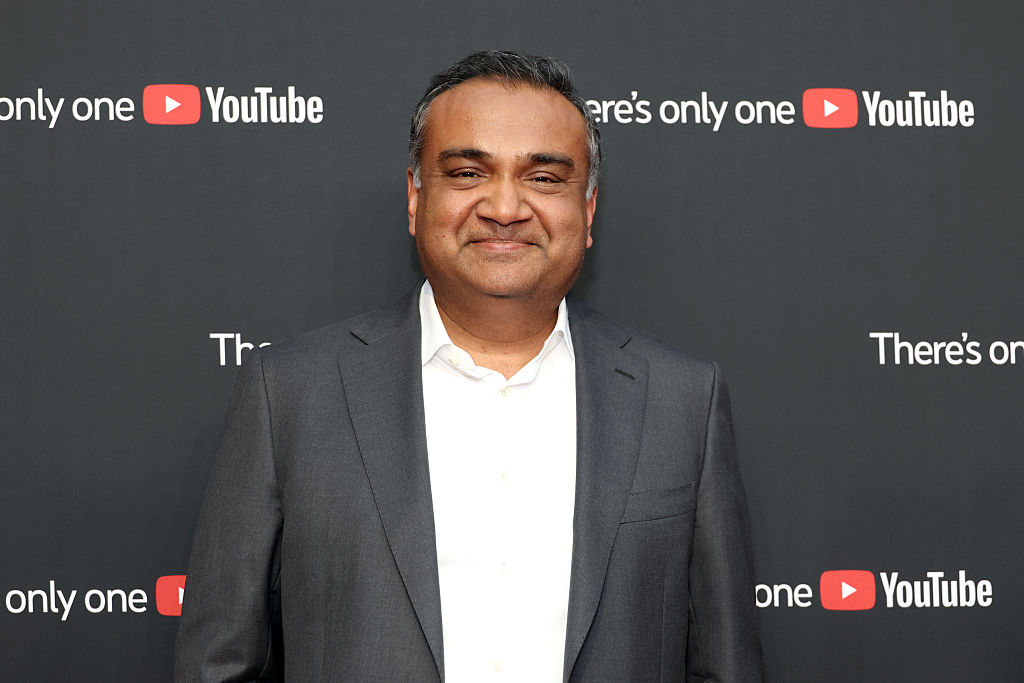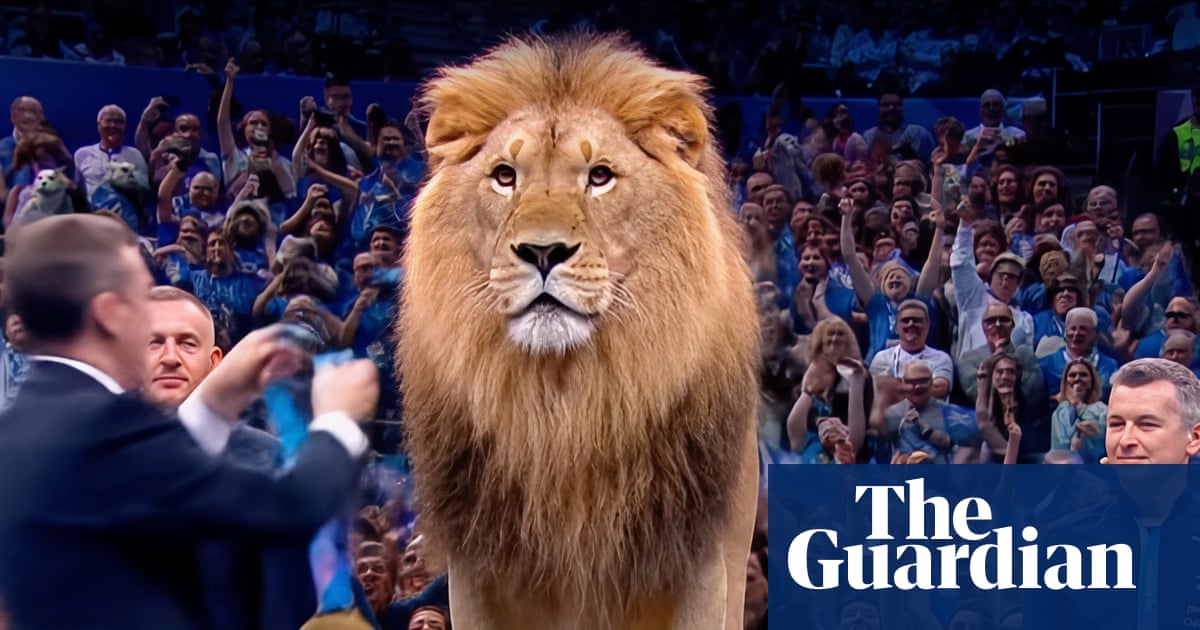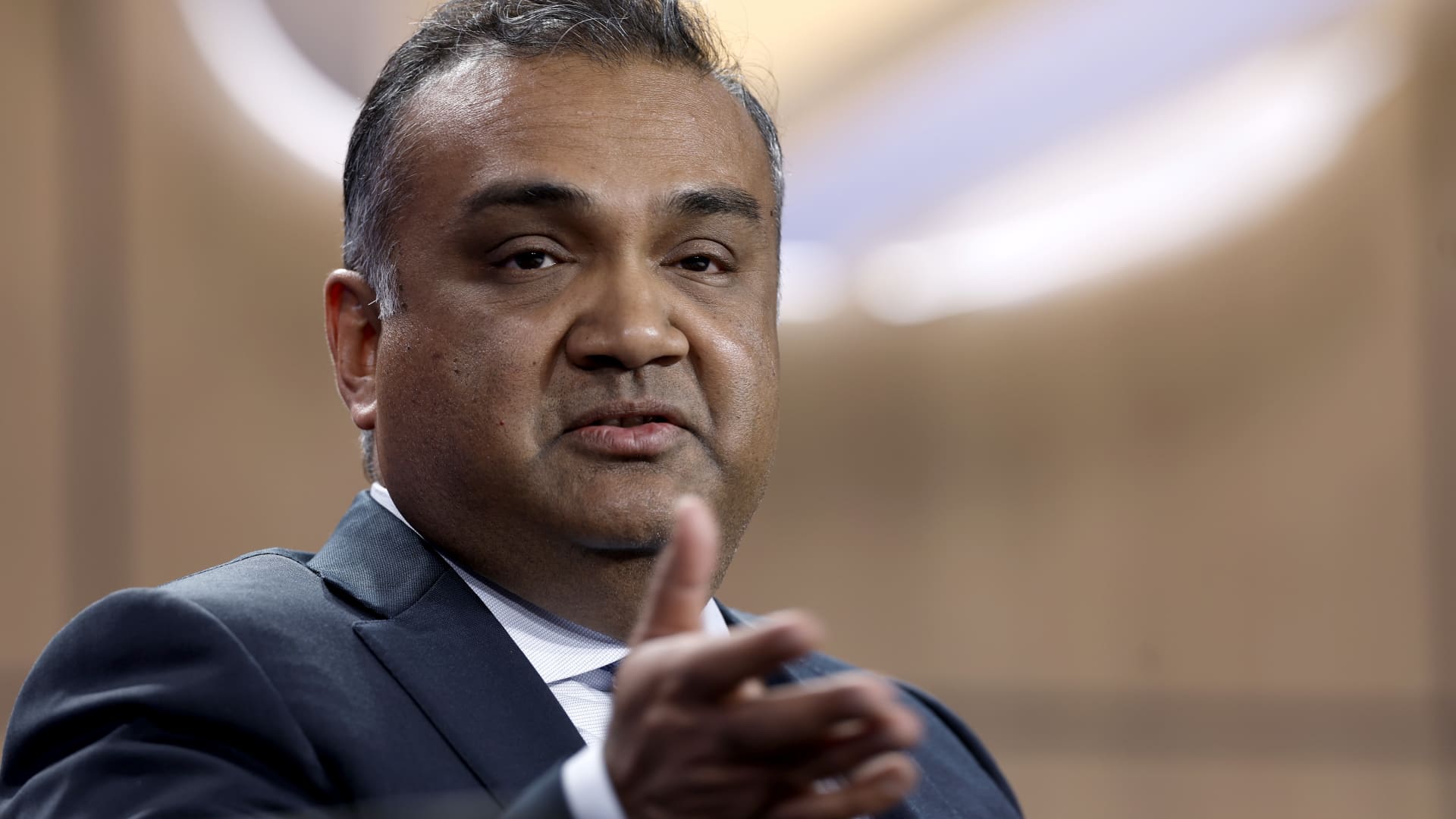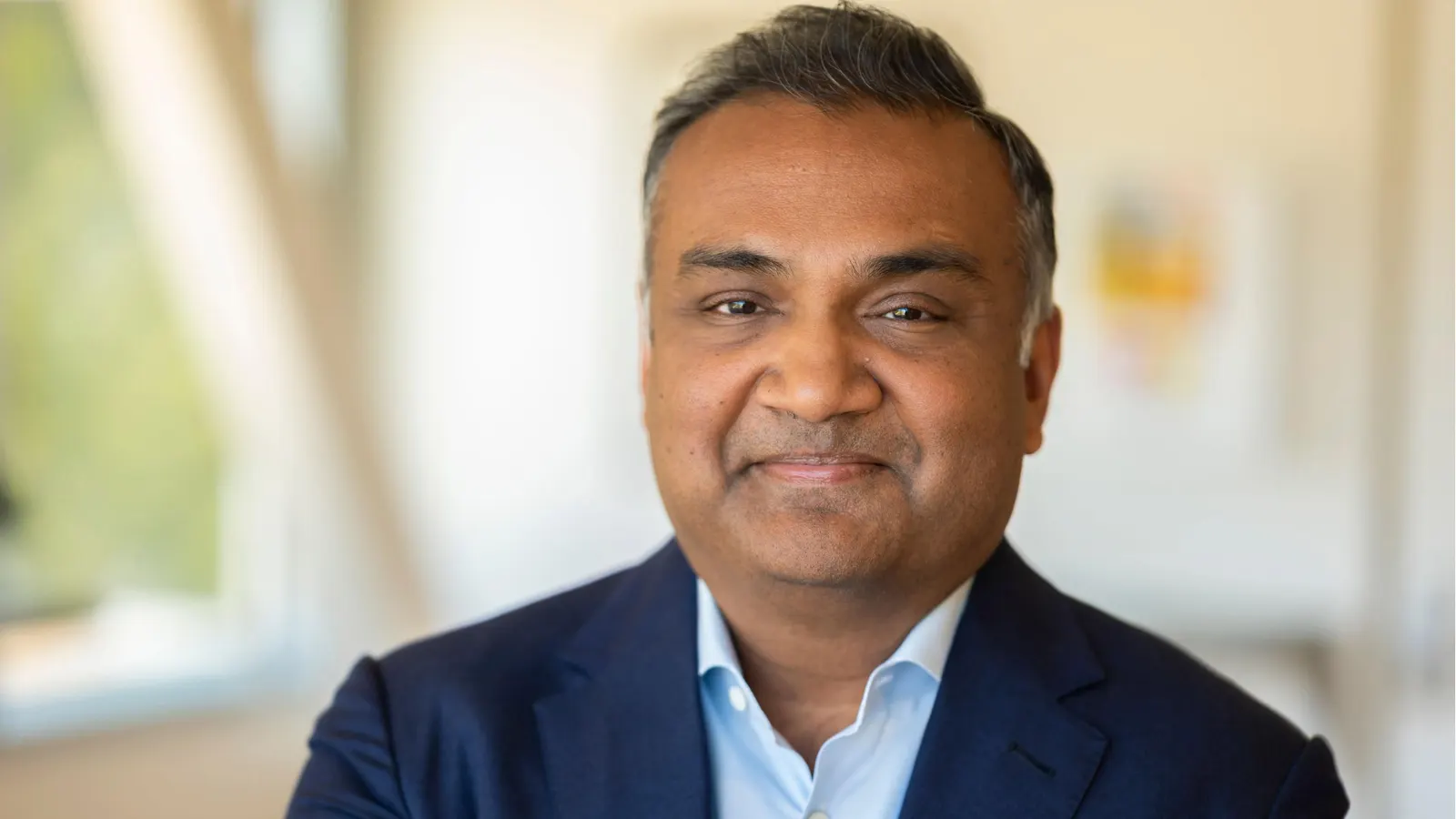
In a conference room at YouTube headquarters in San Bruno, California, CEO Neal Mohan chuckles. A week earlier, OpenAI had unceremoniously announced it was shutting down Sora, its popular app for creating AI-generated video clips. Once seen as a flagship product and the future of AI video — it attracted a $1 billion investment from Disney — the sudden shuttering had rippled through the AI industry like a bombshell. “Oh boy,” Mohan tells Forbes when asked about the shutdown. “Well, I was as surprised to hear about it as maybe you were.”YouTube is the indisputable king of online video. With 2.7 billion users, it's also hooked into one of the biggest, most important AI companies in the world: Google. That makes Sora's shut down, from arch-rival OpenAI, something of a blessing for a business navigating the rapidly shifting AI landscape. One less rival — YouTube Shorts released its own version of Sora’s most viral feature in April, which lets users create digital avatars of themselves — but also a harbinger of how fraught it is to generate, host and share AI videos. For more than a decade, YouTube has faced its fair share of scourges, like accusations of radicalizing users or harming their mental well-being. But AI is a radically different challenge. It has the power to transform the site completely, from how people make content to what they consume. Mohan doesn’t downplay it. “This is a profound paradigm shift, and the technology is going to dramatically change how things are done,” he says. The AI explosion, first and foremost, means more content — and more money for YouTube’s $60 billion annual revenue business. AI is already supercharging what creators can make, bringing down production costs and unlocking new ideas and business prospects. How-to videos, a mainstay of YouTube, can now be generated with a few simple prompts. And AI is also revolutionizing how quickly and cheaply marketers make the ads that are the site’s economic engine. There are now an estimated 29 billion videos in total on the platform, according to a January report from the research firm Omdia, with accelerating growth driven by factors like AI-generated video and the popularity of Shorts. At the same time, AI means spammers flooding the zone with unbelievable efficiency. There’s the menace of deepfakes, which have already become a problem: Last year, an AI-generated version of Nvidia CEO Jensen Huang hawking a cryptocurrency scam during a keynote racked up more views on YouTube than the actual event. YouTube is also facing a growing mountain of slop, according to a November report from video editing company Kapwing, which estimated that more than 20% of the content the YouTube Shorts algorithm was showing to new users was AI-generated. In response to the study, YouTube terminated several channels that violated its spam policies. “This standalone and unverified study is not an accurate representation of what’s on our platforms,” a YouTube spokesperson said in a statement. “When users first join YouTube, they see a wide variety of content as they start to express their interests, which helps tune their feeds.” In Forbes’ own testing, after playing 200 YouTube Shorts videos on an already-established account, 17.5% of them were AI-generated.“What happens when someone sees Mickey Mouse spitting a Kendrick Lamar line that Disney may not want?”
AI Slop Is Transforming YouTube. Its CEO Wants To Keep It Human
How YouTube’s CEO Is Trying To Combat AI Slop
1,811 words~8 min read