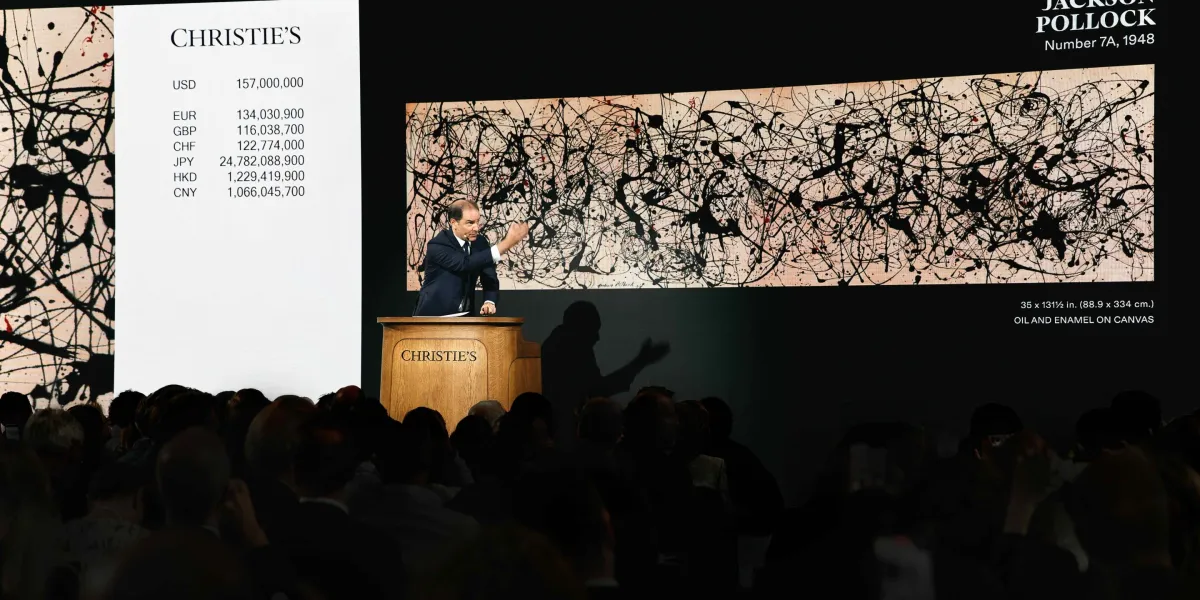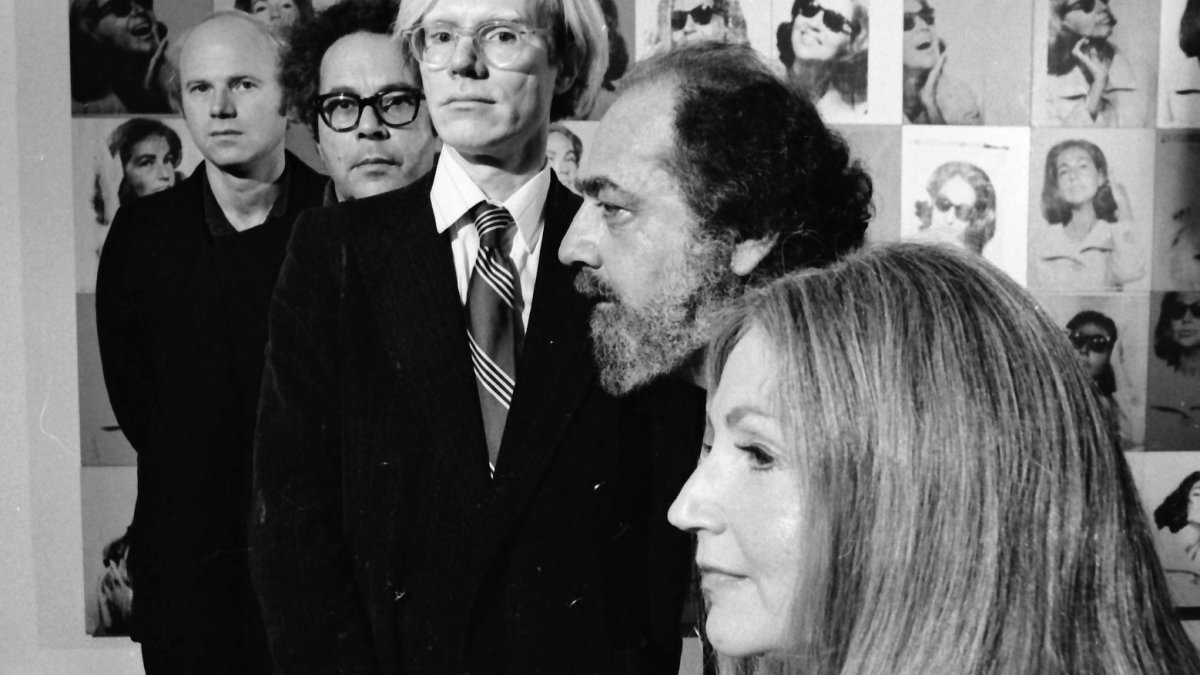
There are certain moments in art history that do not look revolutionary at first. They do not begin with a manifesto, a new technique, or a radical exhibition. Sometimes they begin in an auction room, with a catalogue in hand, a room full of collectors, a few nervous artists and one painting selling for far more than anyone expected.
The Robert Scull auction of 1973 was one of those moments.
It was not simply a sale. It was a public rupture. It exposed, perhaps for the first time with such theatrical clarity, the strange and often uncomfortable triangle between artists, collectors and money. Before that night, contemporary art had of course been bought and sold. Collectors had made profits. Dealers had built markets. Artists had watched their reputations rise and fall. But the Scull sale made the machinery visible. It showed, in one evening, that living artists could become financial history while still standing in the room.
And that was new.
New money, new taste