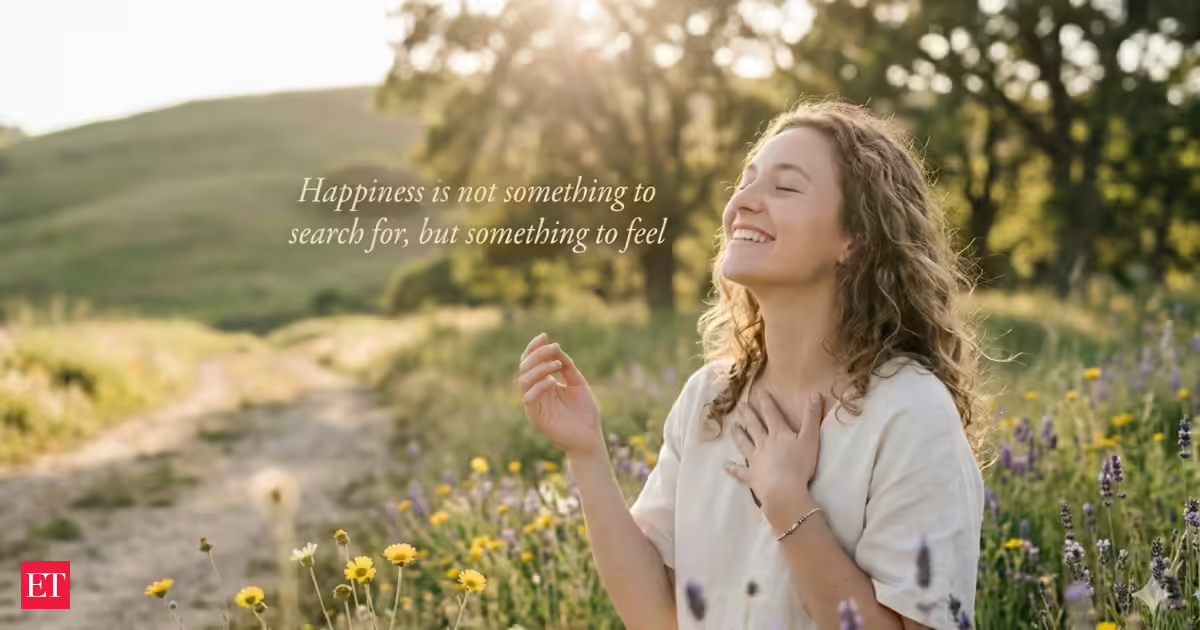
Some quotes make people stop and think. Others gently challenge the way we look at life. One of the most powerful sayings about happiness is: "Happiness is not something ready-made. It comes from your own actions." At first glance, the quote sounds simple. Yet its message is far deeper than it appears.Many people spend years searching for happiness in the future. They believe they will finally be happy when they get a better job, earn more money, find the perfect relationship, buy a bigger house or achieve a long-awaited goal. But this proverb suggests something different.Read more: Psychology says if you keep craving sweets even after a full meal, your brain may not be asking for sugar at all, it may be crying out for reliefIt reminds us that happiness is not a product waiting to be found. It is not hidden somewhere in the future. Instead, it is something we create through our daily choices, habits and actions.That simple idea has changed the way millions of people think about success, fulfilment and the purpose of life.What does the proverb really mean?The proverb teaches that happiness is not handed to us by luck, wealth or circumstances. Many people assume happiness arrives automatically after reaching certain milestones. Yet countless examples show that success alone does not guarantee contentment.Some people have wealth but feel empty. Others have fame but struggle with loneliness.Meanwhile, many individuals with ordinary lives experience deep joy and satisfaction.The proverb suggests that happiness comes from what we do every day rather than what we own.Our actions, attitudes, relationships and choices play a much bigger role in happiness than most people realise.Why people often misunderstand happinessOne reason people struggle to find happiness is because they look for it in external things. Society constantly tells us that happiness is connected to achievement. Advertisements suggest happiness comes from buying something new. Social media often creates the impression that everyone else is living a perfect life. As a result, many people start chasing happiness instead of creating it.The problem is that every achievement eventually becomes normal.The new phone becomes old. The promotion becomes routine. The excitement fades.Psychologists sometimes call this the "hedonic treadmill", the tendency for people to quickly return to their usual level of happiness after positive events.The proverb offers an alternative approach. Rather than constantly searching for more, it encourages people to focus on how they live each day.Happiness grows through small actionsMany people imagine happiness as one big moment. In reality, happiness is often built through small actions repeated consistently.Helping someone. Spending time with family. Taking care of your health. Learning something new. Showing kindness. Expressing gratitude.These simple actions may seem ordinary, but they have a powerful impact on emotional wellbeing.Over time, they create a life that feels meaningful and fulfilling. The proverb reminds us that happiness rarely arrives all at once. It grows gradually through everyday behaviour.Why gratitude plays a major roleOne of the most important actions linked to happiness is gratitude. Human beings naturally focus on problems and shortcomings. We often notice what is missing before appreciating what we already have.This habit can make even successful people feel dissatisfied. Gratitude helps break that cycle.When people regularly appreciate their relationships, health, opportunities and experiences, they often feel happier regardless of their circumstances.The proverb encourages this mindset because happiness grows when attention shifts from what is lacking to what is already present.The connection between helping others and happinessMany studies have found that helping others can increase personal happiness. Acts of kindness often benefit both the giver and the receiver.Whether it is helping a friend, supporting a family member, volunteering or simply listening to someone who needs encouragement, these actions create a sense of connection and purpose.This is one reason why people often report feeling happier after contributing to something larger than themselves.The proverb reminds us that happiness is often found through action rather than consumption.Why comparison steals happinessOne of the biggest obstacles to happiness today is constant comparison. Social media exposes people to carefully selected highlights from other people's lives. It becomes easy to believe everyone else is happier, wealthier or more successful. But comparison rarely creates contentment. Instead, it encourages feelings of inadequacy and dissatisfaction.The proverb offers a different lesson. Rather than comparing your life with someone else's, focus on your own actions, growth and progress. True happiness comes from living according to your values, not competing with others.Happiness is closely linked to purposePeople often feel happiest when they believe their life has meaning. Purpose does not have to involve changing the world. For some people, it comes from raising a family. For others, it comes from teaching, creating, learning or helping others. Purpose gives direction to daily actions.When people feel their actions matter, happiness often follows naturally.The proverb highlights this connection by suggesting that happiness grows out of what we do rather than what we possess.What modern psychology says about happinessModern psychology supports much of the wisdom behind this proverb. Research consistently shows that lasting happiness is strongly influenced by habits and behaviours.Factors such as gratitude, social connection, physical activity, meaningful relationships and helping others contribute significantly to overall wellbeing.Interestingly, many of these factors involve actions rather than possessions.This aligns closely with the proverb's central message. Happiness is not something people receive. It is something they actively create.Why this proverb remains relevant todayTechnology has transformed the world, but human nature remains remarkably similar. People still search for happiness. They still worry about success, relationships and the future. They still wonder what truly leads to a fulfilling life. This proverb continues to resonate because it provides a simple yet powerful answer. Happiness is not waiting somewhere ahead. It begins with the choices we make today.Moral of the proverbThe moral of the proverb is clear: happiness is not a destination or a reward that suddenly appears after success.It is created through everyday actions, positive habits, meaningful relationships and a grateful mindset.People who wait for happiness may spend years searching for it.People who create happiness through their actions often discover it was within reach all along.That is the enduring wisdom behind the saying: "Happiness is not something ready-made. It comes from your own actions."The quote reminds us that happiness is not found. It is built, one choice at a time.
Best proverb of the day: 'Happiness is not something ready-made. It comes from...' What this powerful quote means, and what you may need to change in your daily life to feel truly happy
Forget waiting for happiness to arrive; it's crafted through your daily deeds. This powerful idea challenges the notion that happiness stems from future achievements or external possessions. Instead, it emphasizes that contentment is built through consistent small actions, gratitude, helping others, and living with purpose. True joy blossoms from within, cultivated by your own choices and habits, not found ready-made.
1,039 words~5 min read