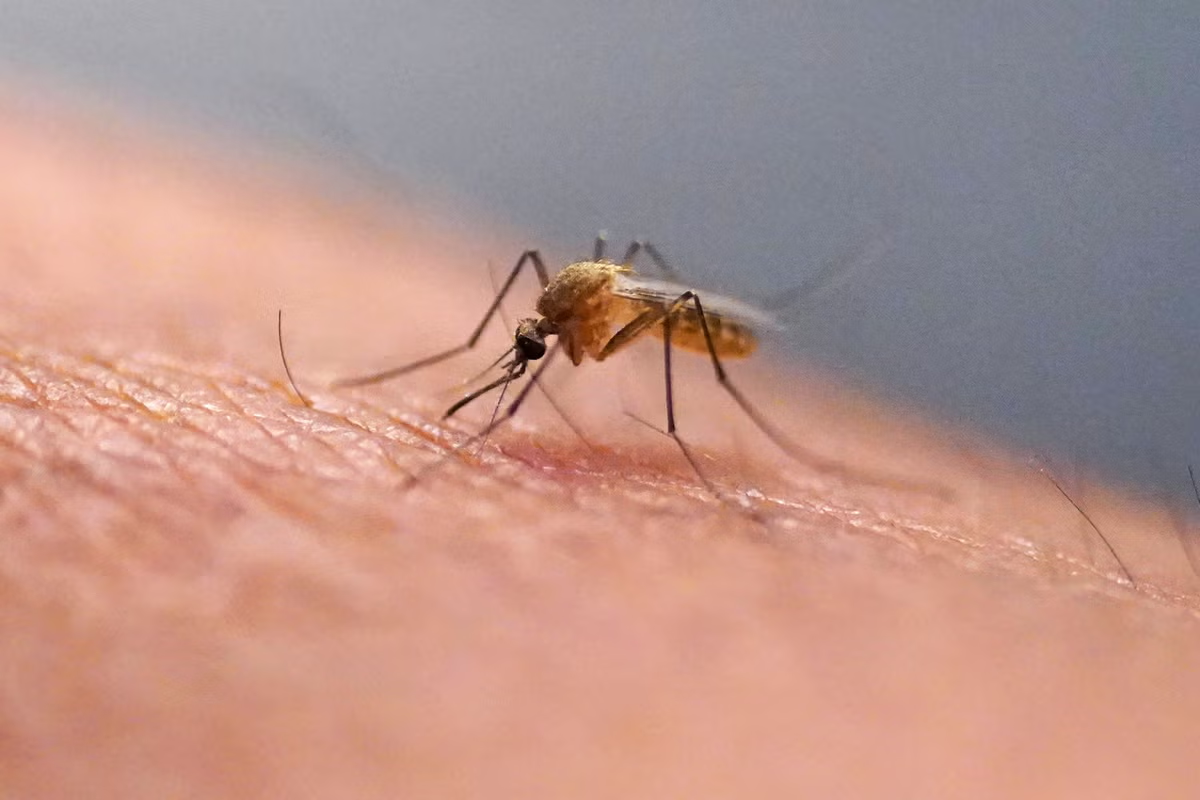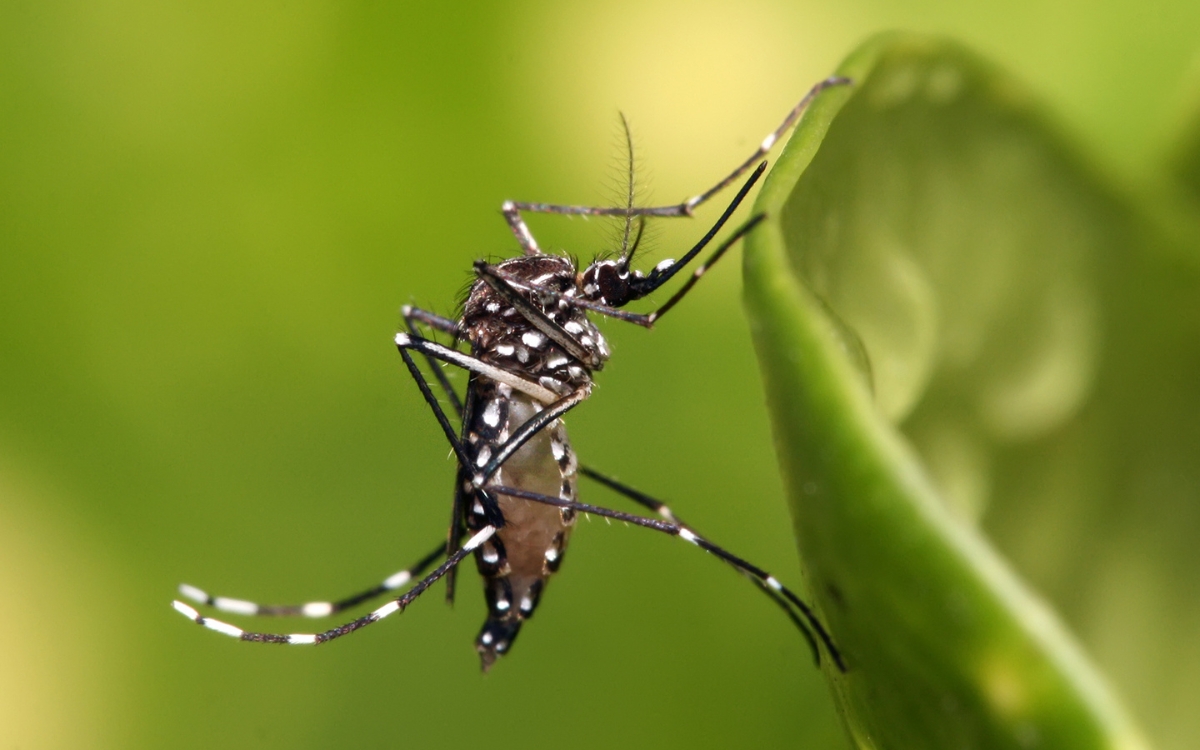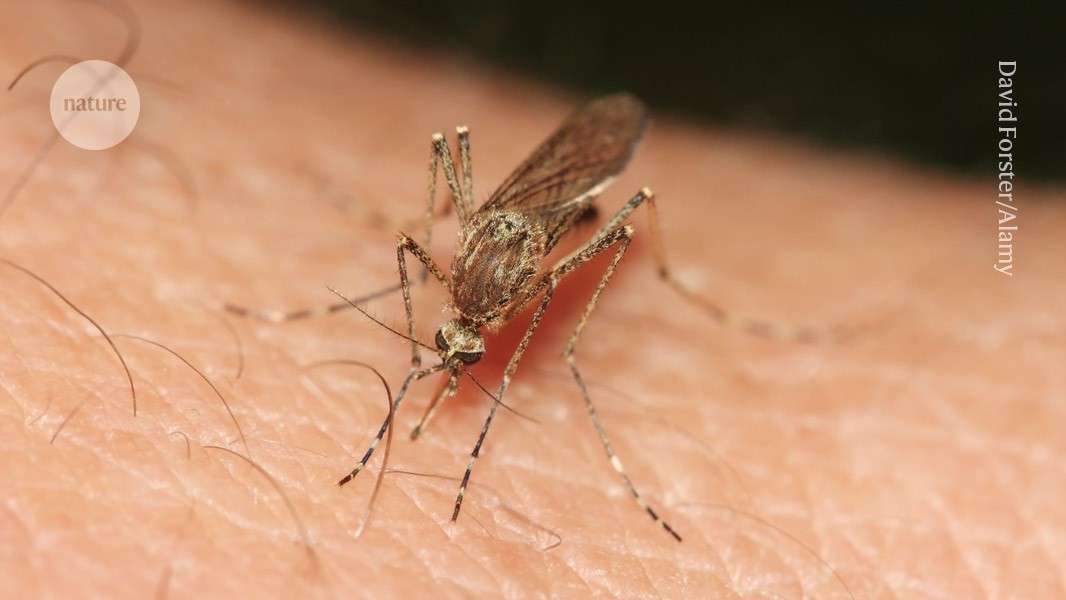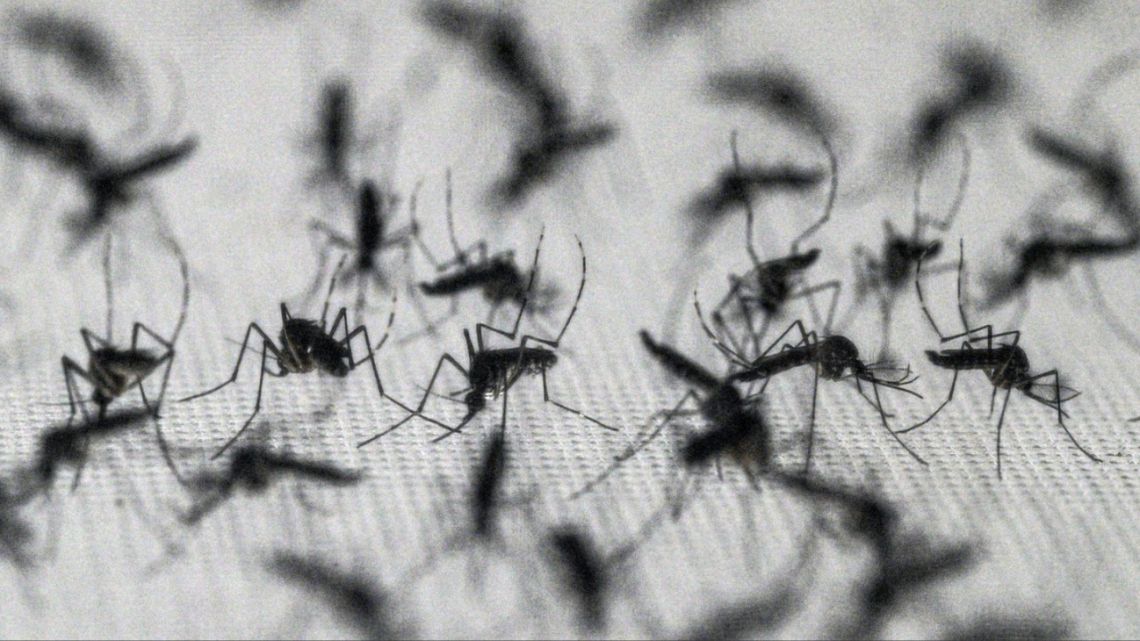
Despite weighing only a few milligrams, mosquitoes have proven that some of the world's biggest challenges can come in very small packages.
This week marks Insect Week (June 22-28), and amidst the celebration of the incredible diversity of insects, scientists are shedding light on one of the smallest yet most impactful: the mosquito. Although they weigh only a few milligrams, mosquitoes have shaped human history in ways that are both profound and alarming, making them one of the most researched insects on the planet.
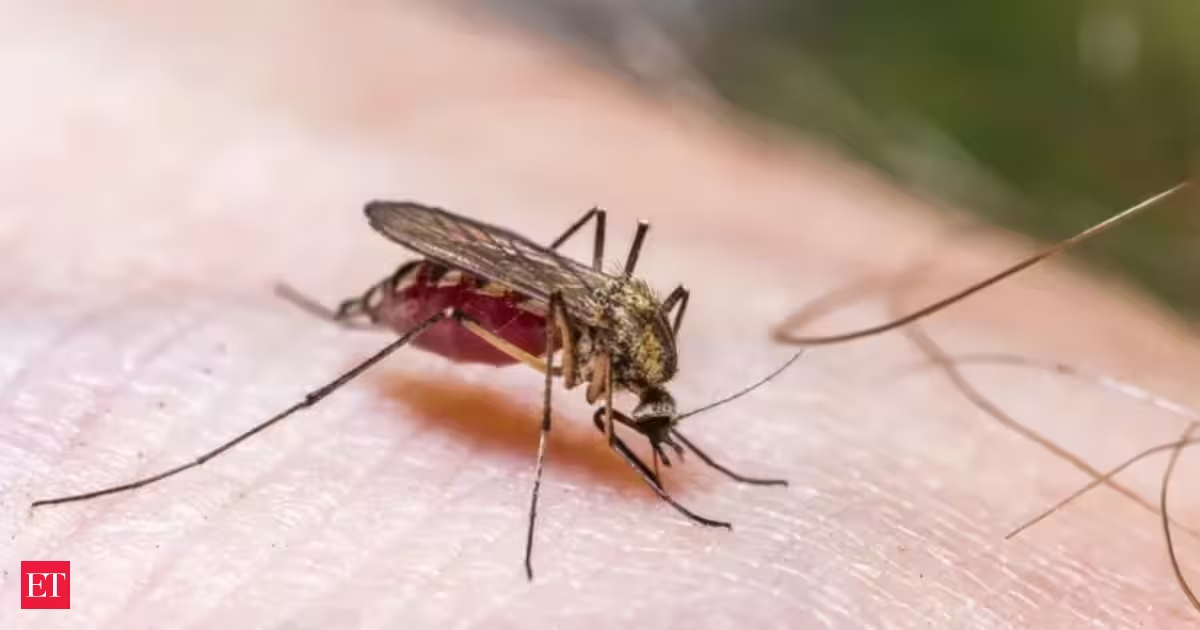
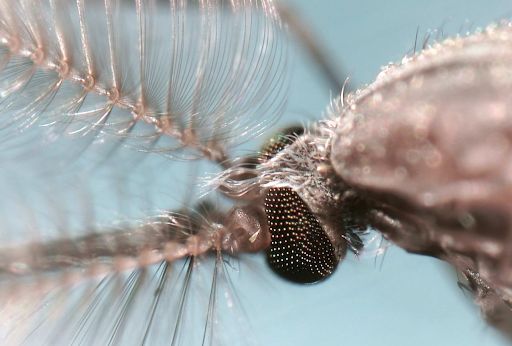
Mosquitoes are infamous for being the primary vectors of serious diseases, particularly malaria, which continues to affect millions, especially in sub-Saharan Africa. Among the over 3,500 species of mosquitoes worldwide, it is the Anopheles gambiae species complex that stands out as a key player in the transmission of this deadly disease. Known for their alarming efficiency in feeding on humans, these mosquitoes contribute significantly to the malaria burden in vulnerable communities.
Rogers Atugonza, a field entomology officer and member of the Young Scientist Network (YSN) for Target Malaria at the Uganda Virus Research Institute (UVRI), highlights the impressive adaptability of these insects: “Malaria mosquitoes have evolved alongside humans for thousands of years. They are highly specialised, exceptionally resilient, and have developed behaviours that make them incredibly successful at finding human hosts and reproducing.”