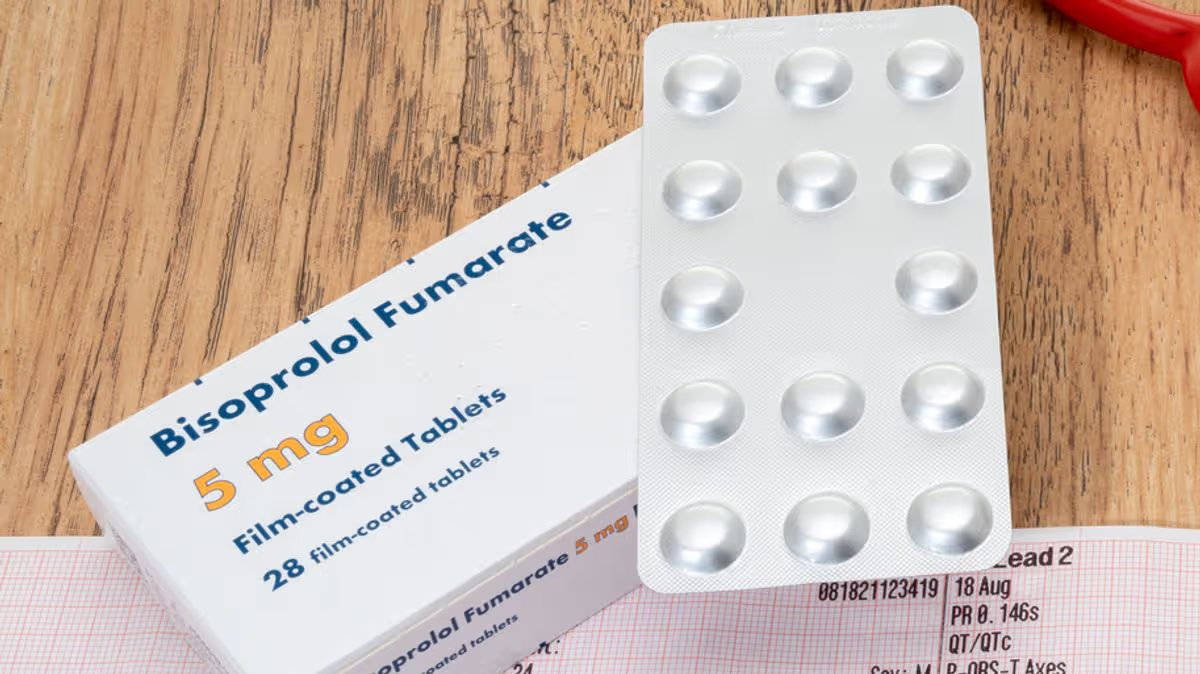
A pharmacist has issued a warning to anyone with a history of high blood pressure and take certain medications09:53, 22 Jun 2026Millions of people who have been diagnosed with high blood pressure and are taking prescribed medication, like beta blockers and diuretics, have been issued a warning by a pharmacist. With the UK set to swelter in a major heatwave as temperatures rise above 30C in many parts of the country, people who are more at risk of health complications have been made aware of certain issues.An extreme heat alert has been issued by the Met Office, with some places expected to reach highs of 38C. The weather agency said: "Met Office Amber Extreme Heat Warnings have been issued from Monday through to Thursday with temperatures widely exceeding 35C."In the UK, millions of people take beta-blockers and diuretics. According to the British Heart Foundation, more than 50 million prescriptions for beta-blockers are written each year, with around two million people using them to manage hypertension and other circulatory problems.It states: "Each year there are more than 50 million prescriptions for beta blockers in the UK." Diuretics are also commonly prescribed for conditions like heart failure and high blood pressure, frequently in combination with beta-blockers.Superintendent pharmacist Robert Bradshaw, of Oxford Online Pharmacy, has warned people with high blood pressure to "watch out" for various health problems caused by hot weather. "UK temperatures are expected to soar this weekend, and Brits need to keep their wits about them, ensuring they’re aware of the necessary steps to take if faced with any heat-related health risks", he said.Content cannot be displayed without consentWhat do people taking high blood pressure medication need to know?Robert Bradshaw says: "High temperatures and humidity can be a bad combination for anyone who suffers from high blood pressure, as the hot weather causes the heart to beat faster, circulating twice as much blood around the body. Also, some blood pressure medications like beta blockers and diuretics can affect the body’s ability to stay hydrated or respond to high temperatures."He urges anyone with a history of high blood pressure to drink plenty of fluids to stay hydrated. He also advises staying out of the sun and in a cool environment where possible, and wearing a hat if venturing outside.When the weather heats up, your body has to work harder to maintain a normal core temperature, which can put additional strain on your heart, lungs, and kidneys. This can increase your risk if you already have a heart condition.It's crucial to keep cool and stay hydrated. Staying well hydrated by drinking plenty of fluids can help replace the extra sweat you lose and prevent your blood pressure from dropping too low.The pharmacist added: "You should also monitor your blood pressure regularly during the heatwave. If it’s high or you are experiencing any worrying symptoms like extreme tiredness or confusion, a rapid pulse, excessive sweating, headaches, swelling in your arms and legs or nausea, seek urgent emergency medical advice."How does hot weather impact people with angina and heart failure?The British Heart Foundation says: "If you use a GTN spray to control your angina, you should take extra care in hot weather. GTN spray can dilate your blood vessels quickly, which causes your blood pressure to suddenly drop and you may feel faint."It adds: "It’s particularly important to stay cool if you have heart failure - where your heart doesn't pump blood around your body as well as it should. If you’ve been told to restrict your fluid intake, speak to your GP about other ways to keep cool during summer. If you take water tablets and are dizzy or light headed let your doctor know. Your medication can then be reviewed or adapted as necessary."Article continues belowWhat are the tell-tale signs of heat stroke?Dehydration can raise your internal body temperature, which can be dangerous if not addressed. Signs of heat stroke include sweating, cold, clammy skin, dizziness, fainting, muscle cramps, heat rash, swelling in the ankles, rapid or shallow breathing, nausea, and vomiting. If you think you or someone else is experiencing heat stroke, seek medical help right away.
High blood pressure medication warning for millions issued Monday
A pharmacist has issued a warning to anyone with a history of high blood pressure and take certain medications
686 words~3 min read