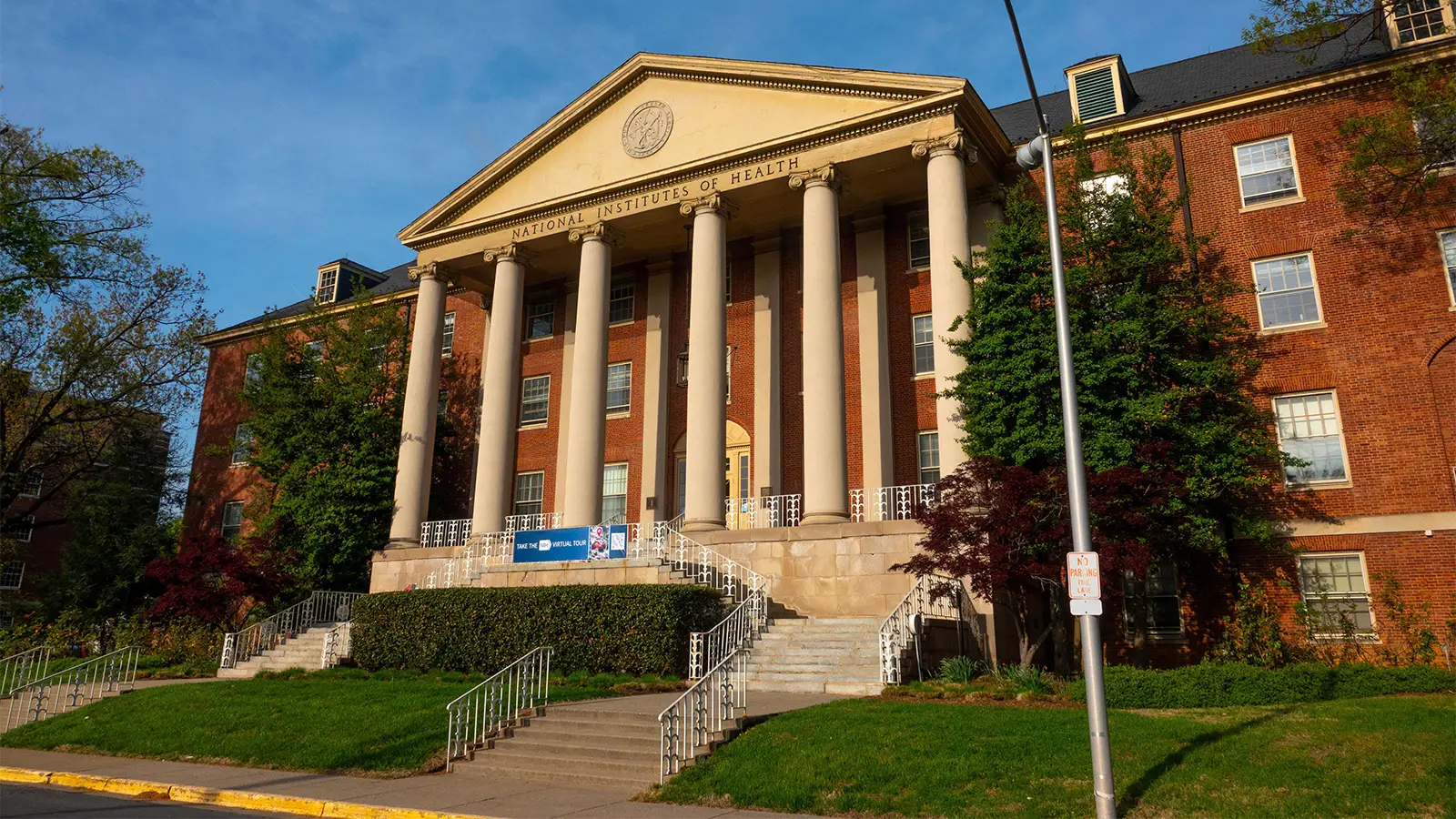
Deep inside a White House proposal to overhaul how the government awards grants is a short section that health disparities researchers say could disqualify much of their work from federal funding — perhaps the most serious threat yet to the future of their field.
Since it was issued last month, the 412-page proposal has drawn thousands of public comments, in large part because it would diminish the power of peer review in determining which grants are funded, and place that authority with political appointees. Less attention has been given to how the proposed changes could affect efforts to eliminate health disparities research.
At the height of the Covid-19 pandemic, which dealt a disproportionate blow to Black, Latino, and Native American populations, research on health disparities saw a groundswell of support: new funding opportunities, declarations that racism amounted to a public health crisis, and newfound interest from academic journals to publish articles on the topic.
But since the start of the second Trump presidency, health disparities researchers have found themselves in the crosshairs of the administration. As part of a campaign against anything it deems related to “DEI,” projects investigating health disparities have been terminated, and as researchers scramble to apply for new funding from the National Institutes of Health, they are being forced to avoid certain terms that get their grant proposals flagged, or to apply for increasingly competitive private dollars.