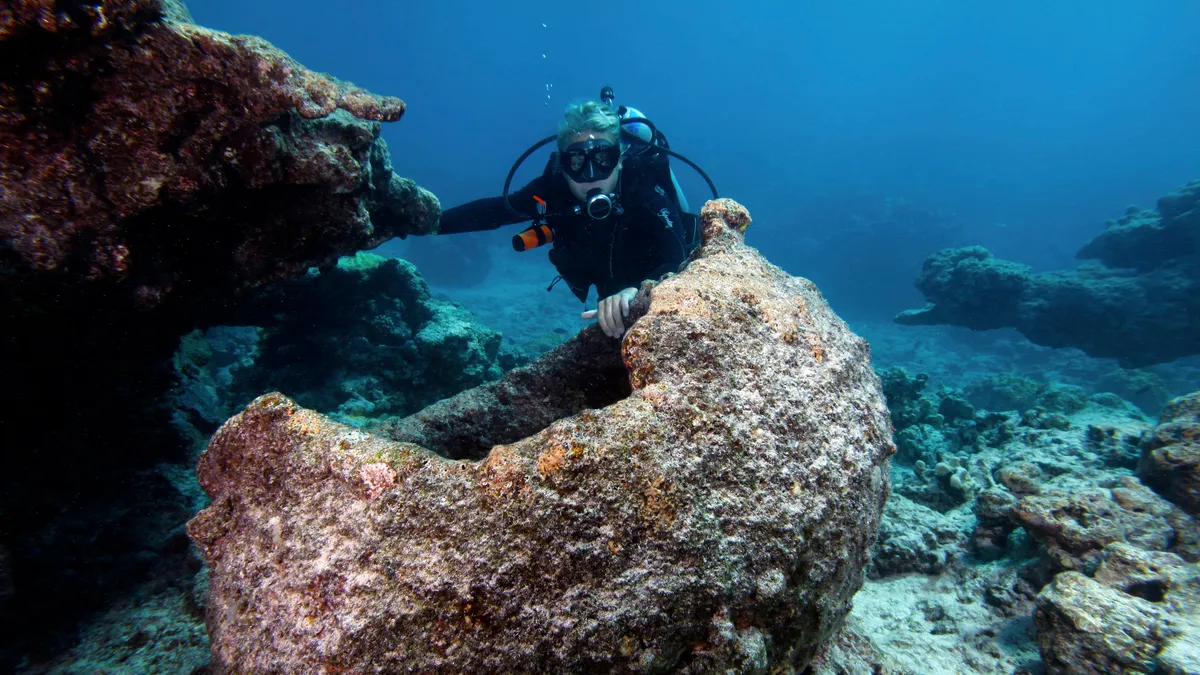
When Kekuewa Kikiloi boarded a research vessel to visit the northwestern Hawaiian islands in 2002, he didn’t know what to expect. Kikiloi grew up on O‘ahu, but like a lot of Native Hawaiians, he had never had the opportunity to visit the uninhabited islands and atolls scattered to the west of the main islands.
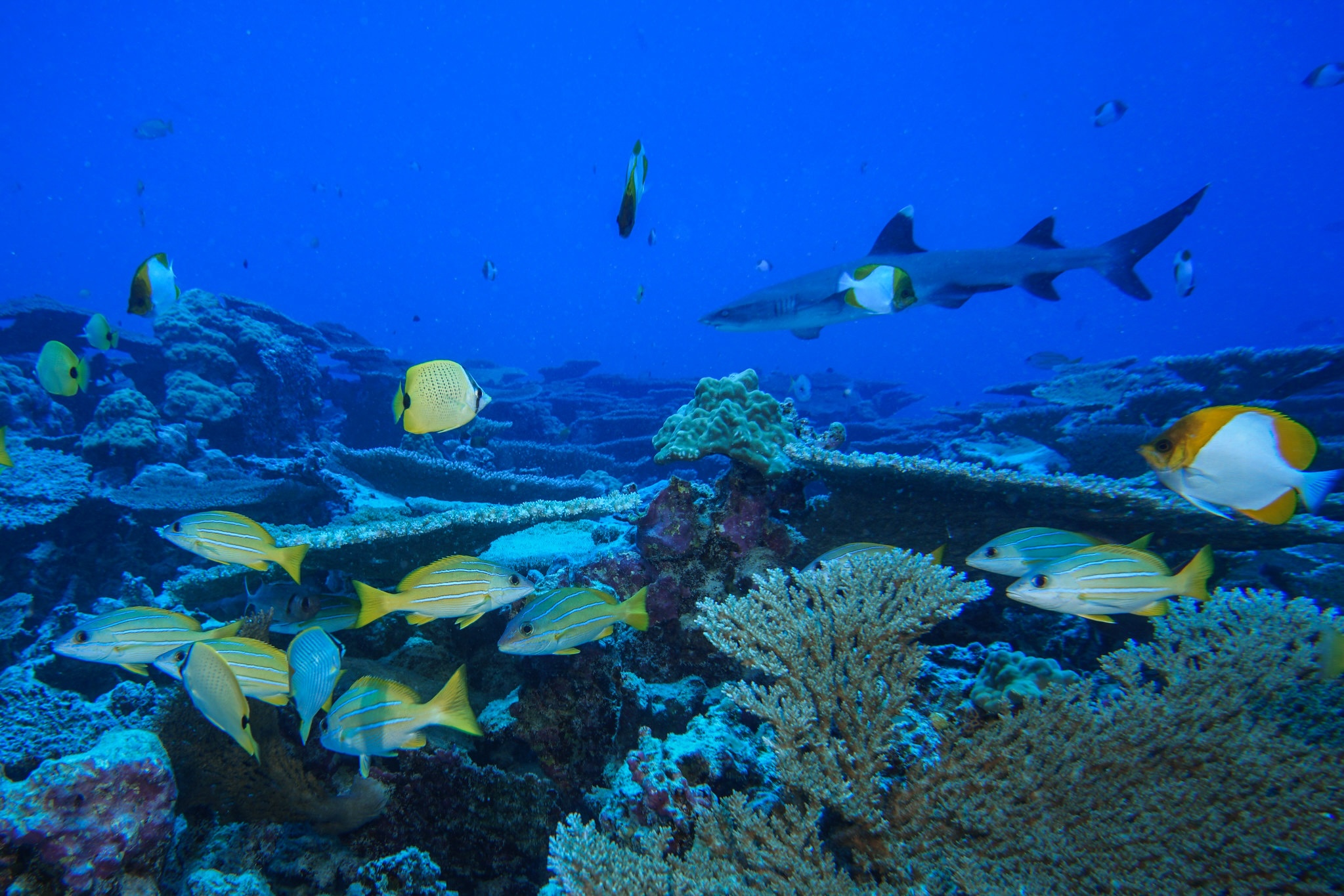
What he saw changed his life. “There’s no places left in Hawai‘i, or very few places, where the environment is so wild and intact that you have your ancestors who are embodied in the environment communicating with you every second: Birds hovering over you, monk seals swimming up to you, fish trying to bite you,” he told Grist. “It’s so raw, the experience up there.”
The trip, a monthlong research expedition with scientists and Native Hawaiians, sparked decades of advocacy within the Hawaiian community for the protection of the Papahānaumokuākea. “It ended up being this amazing journey of rediscovery for a lot of us. When we came back to the main Hawaiian islands, we started telling the community about how thereʻs a whole other side of our house that we didnʻt know about. We have to know about this place,” Kikiloi said. That support helped establish Papahānaumokuākea as both a marine sanctuary and a marine national monument.