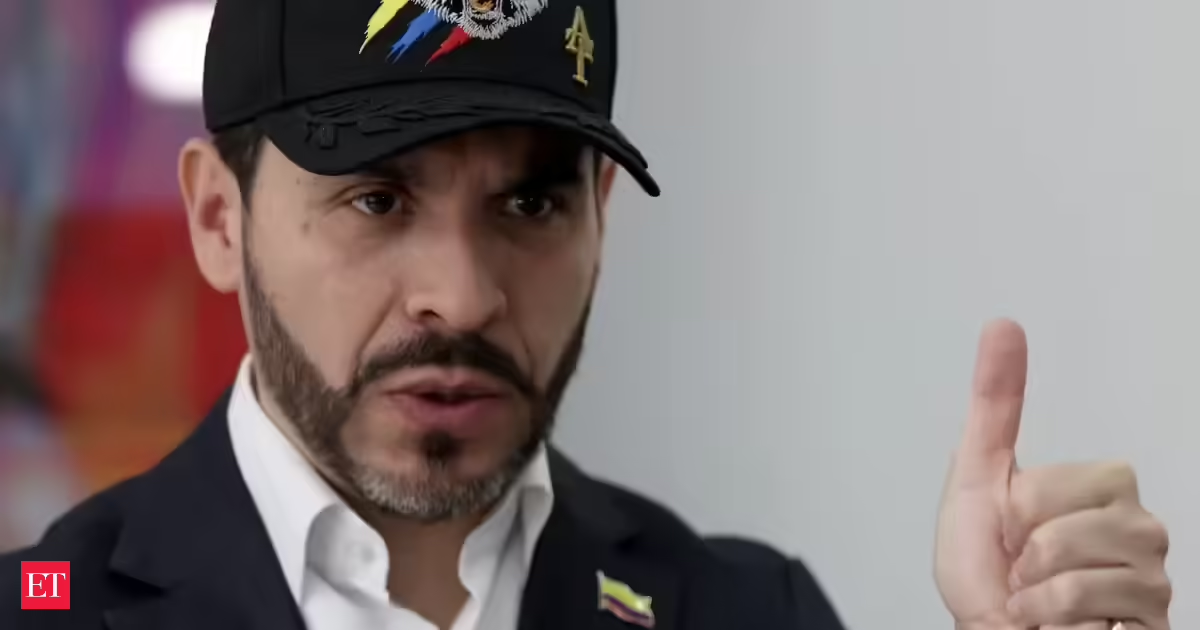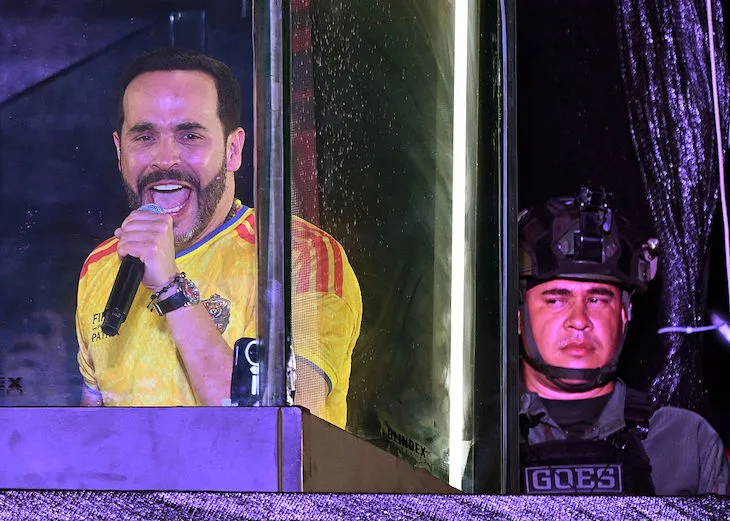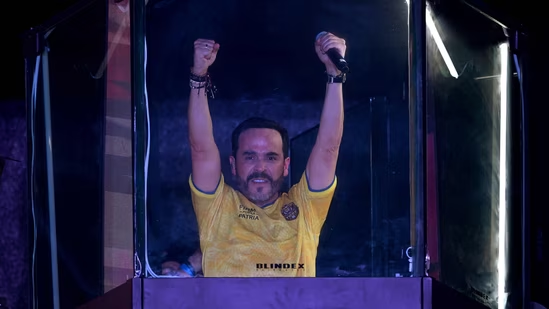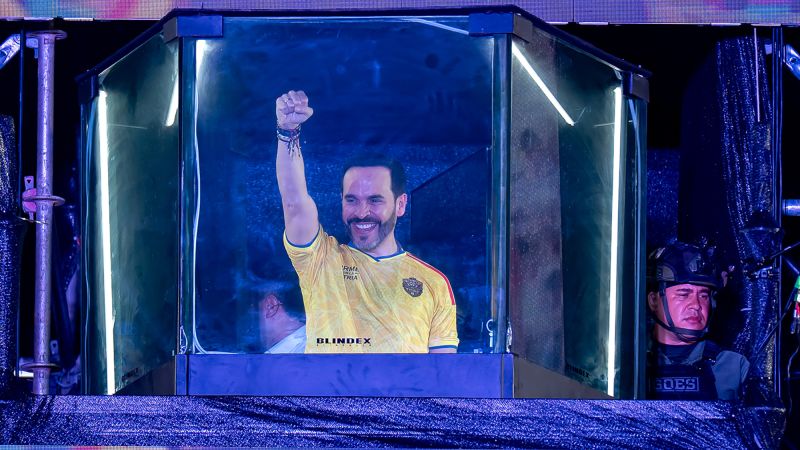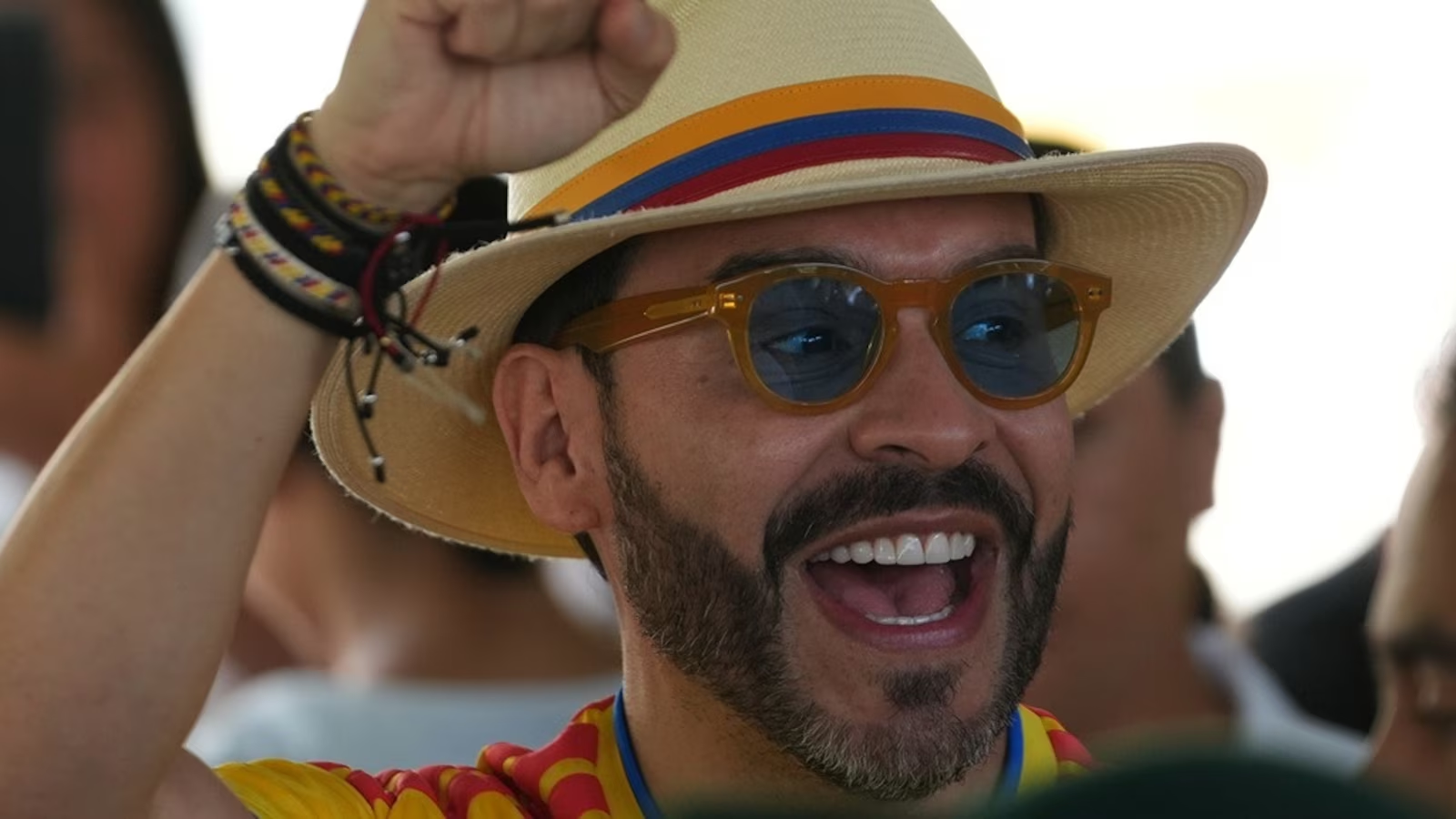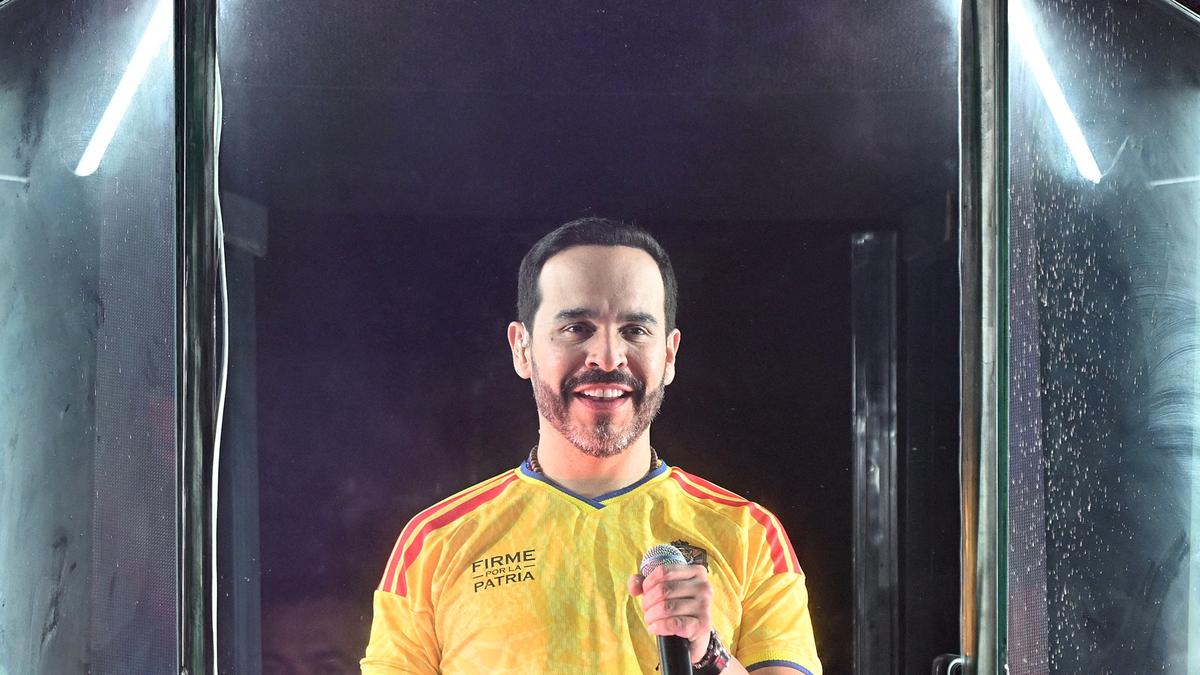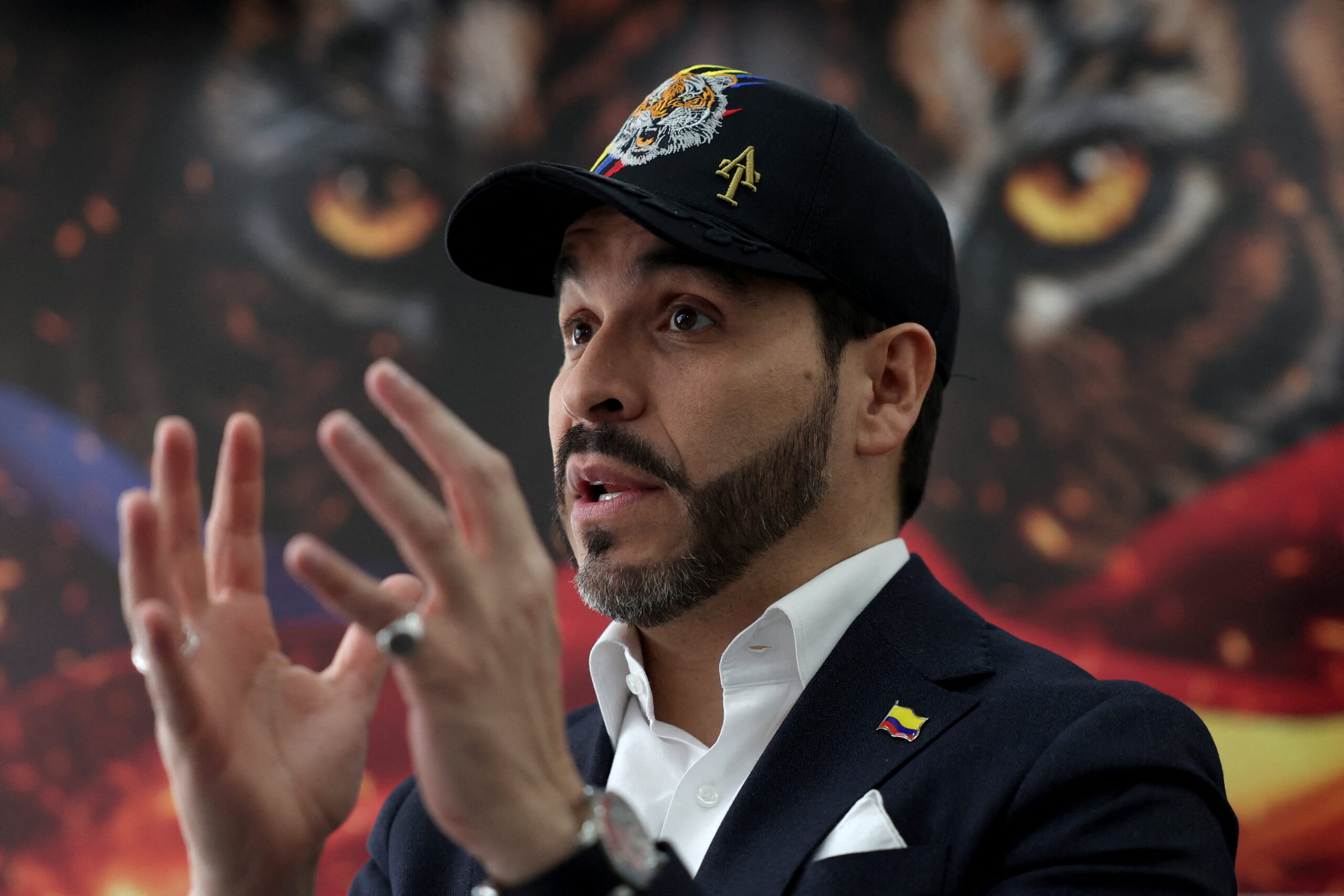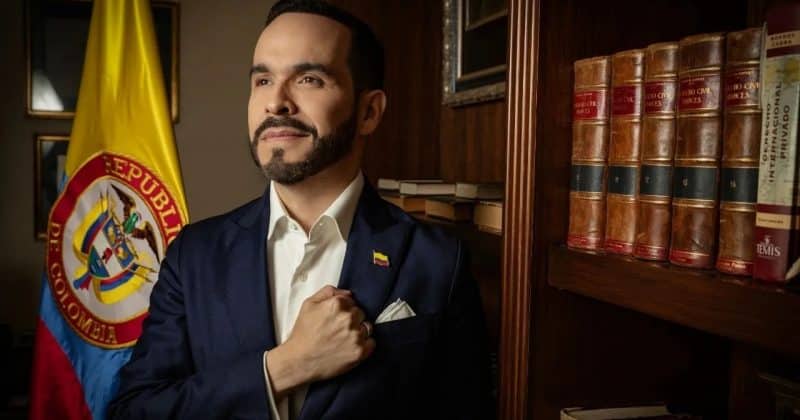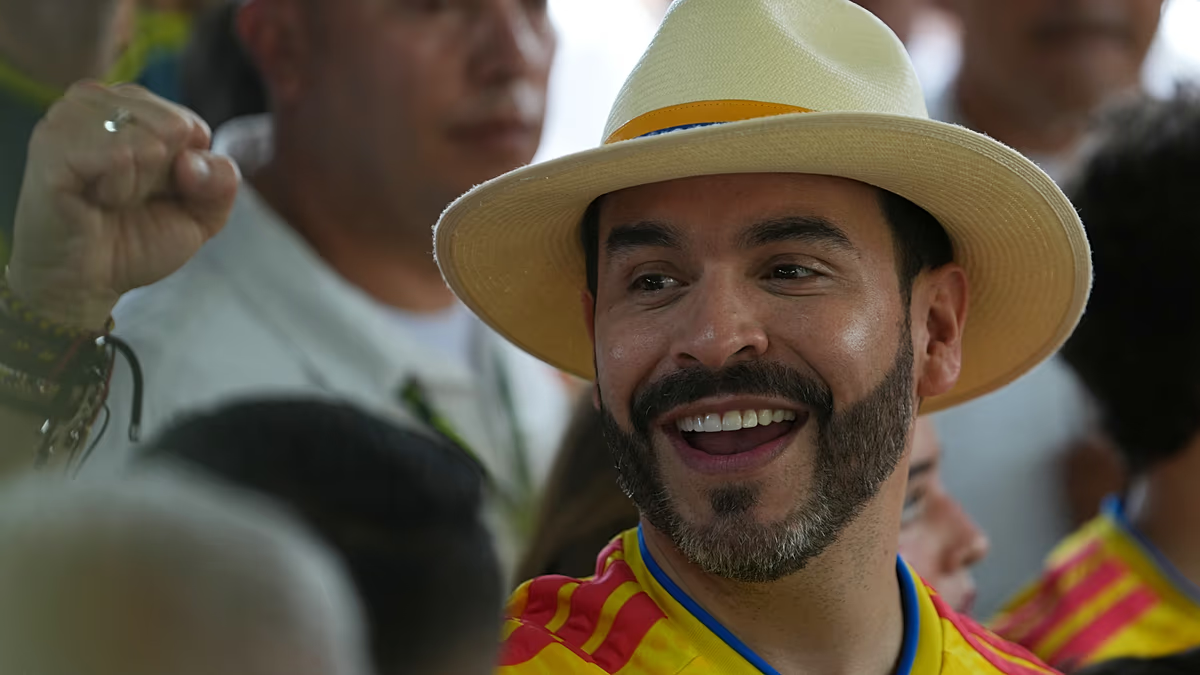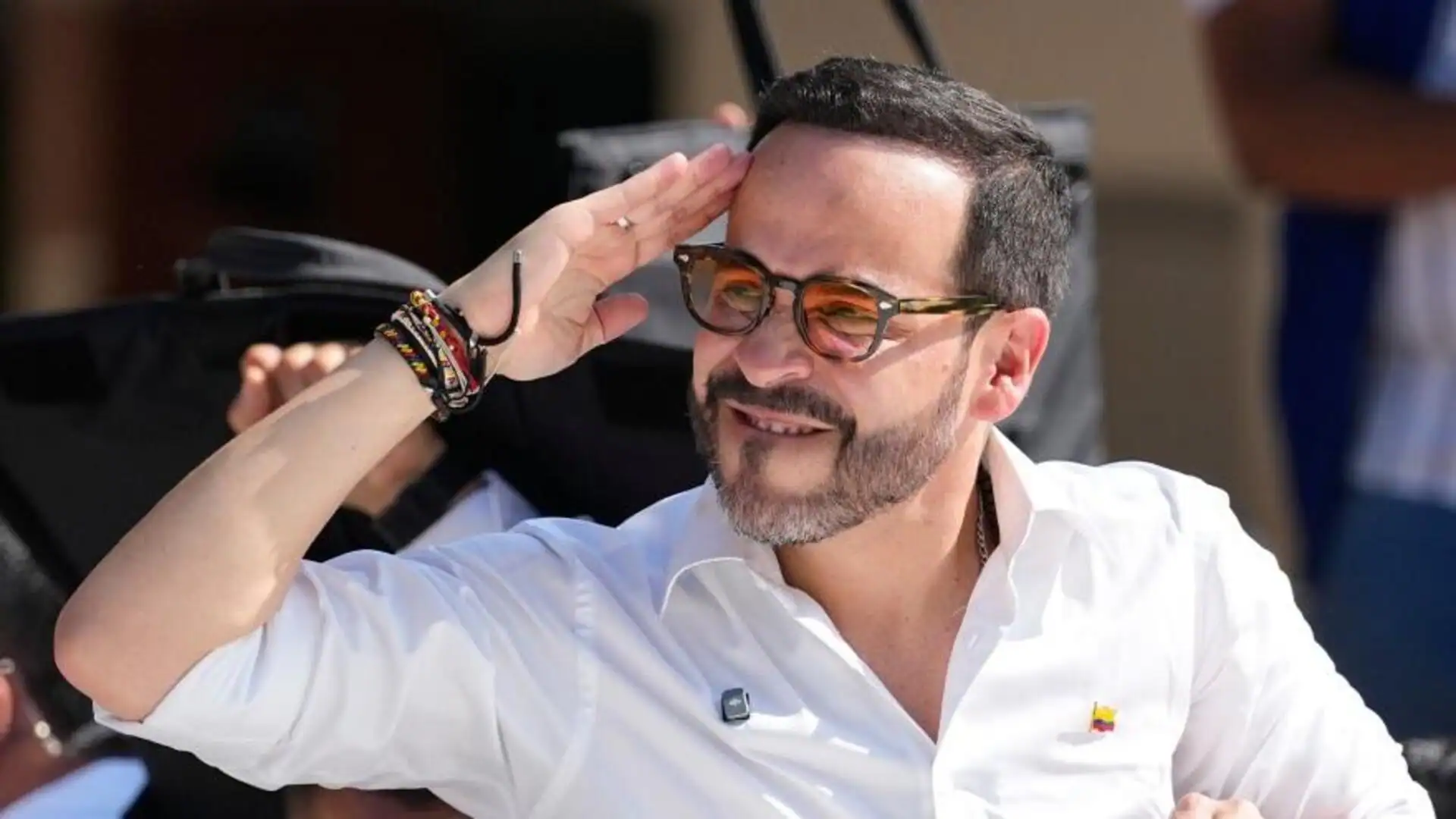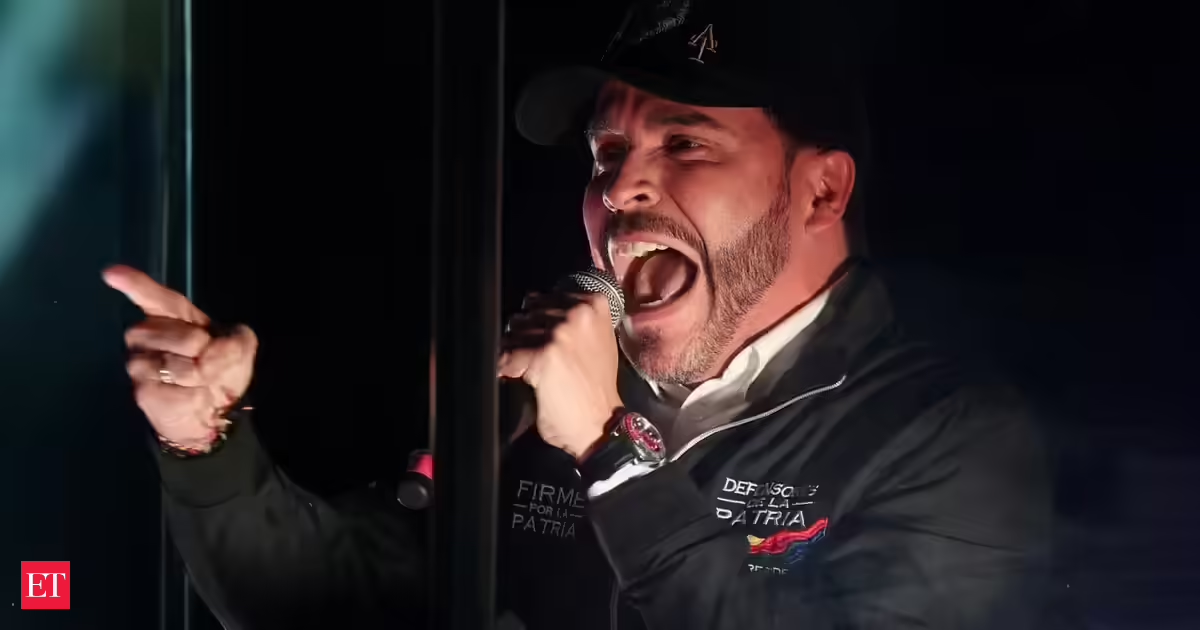
Colombia has elected nationalist lawyer Abelardo De La Espriella as its next president, according to an initial vote count. The far-right, Trump-admiring millionaire, who has openly boasted himself as an anti-establishment outsider, defeated left-wing senator Iván Cepeda in Sunday's June 21 presidential runoff. Supporters have nicknamed him "The Tiger," and he campaigned on promises to revive Colombia's economy, tackle crime, and strengthen security policies.However, his victory has also reignited debate over his political background, past legal work, and alleged links to controversial figures and organizations.Who is Abelardo De La Espriella: Political roots and ties to Álvaro UribeAccording to Justice for Colombia, De La Espriella was born to a wealthy family in Bogotá in 1978 before relocating to Córdoba as an infant. Justice for Colombia reports that his father coordinated Uribe's regional election campaign in Córdoba during the 2001-02 presidential race.Uribe remains one of Colombia's most influential political figures. His governments between 2002 and 2010 were marked by aggressive security policies, neoliberal economic reforms, and longstanding controversies surrounding alleged links between politicians, drug traffickers, and paramilitary groups.According to Justice for Colombia, relations between the Uribe and De La Espriella families have remained close over the years. The organization also notes that De La Espriella has publicly described Uribe as "a great Colombian" and a "patriot."Legal career and paramilitary connectionsBefore entering politics, De La Espriella built a high-profile legal career representing businessmen, politicians, and controversial figures. According to Justice for Colombia, he served as an adviser during the demobilization process involving the United Self-Defence Forces of Colombia (AUC), one of the country's most notorious paramilitary organizations.Justice for Colombia further reports that he acted as legal counsel for politicians involved in so-called "para-politics" scandals and represented several high-profile clients accused of corruption and criminal wrongdoing.Among those clients were former justice minister Alberto Santofimio, who was investigated in connection with the 1989 assassination of presidential candidate Luis Carlos Galán, and businessman David Murcia Guzmán, who was accused of operating a major pyramid scheme while laundering drug-trafficking proceeds.Foundation for Peace InitiativeJustice for Colombia also highlights De La Espriella's role in creating the Foundation for Peace Initiatives (FIPAZ) during his twenties. According to the organization, FIPAZ organized university forums that featured paramilitary commanders and opposed extradition requests involving armed group members.Justice for Colombia notes that in 2008, former paramilitary commander Ernesto Baéz claimed the AUC "sought out students, through Abelardo de la Espriella, as a dissemination channel to justify the war."The organization also points to a 2011 ruling by Colombia's Supreme Court, which stated that FIPAZ "did not promote peace when the self-defence groups were massacring, disappearing, killing and torturing, but rather they sought to project themselves politically through university students."Justice for Colombia reports that an investigation into De La Espriella over alleged conspiracy and money laundering was later blocked.Social media strategy and digital influenceLike several contemporary right-wing populist leaders, De La Espriella has relied heavily on digital campaigning. His campaign worked closely with social media influencers and has faced allegations regarding the use of bot networks and AI-generated content.The organization cites investigations into a digital initiative known as "Operation Jupiter," reportedly led by former Uribe adviser Jaime Bermúdez. Justice for Colombia states that the project was designed to influence online discourse and generate fear, uncertainty, and indignation among voters.One analyst quoted by the organization warned that "citizens are going to take decisions thinking that millions of other citizens are thinking something and it isn't true – it's machines, millions of machines programmed to make us think, to feel and to rage."On foreign policyOn the international stage, De La Espriella has aligned himself with several prominent conservative leaders in the region, including Argentina's Javier Milei and El Salvador's Nayib Bukele.According to Justice for Colombia, he met privately with US Secretary of State Marco Rubio earlier this year. Following the meeting, De La Espriella wrote that "important things are discussed in secret."Justice for Colombia reports that he has proposed closer cooperation with the United States, restoring diplomatic relations with Israel, and potentially withdrawing Colombia from the Inter-American Court of Human Rights.He has also suggested that future military operations against armed groups could involve support from the United States and Israel.Abelardo De La Espriella’s personal lifeAbelardo De La Espriella is married to businesswoman Ana Lucía Pineda, who has played an active role throughout his political campaign. The couple have been together for around 17 years and share four children: Lucía, Salvador, Filipo, and Francesca. Pineda, a business administration graduate, has worked in marketing, hospitality, and entertainment ventures and is often featured alongside De La Espriella at public events and on social media.
Who is Abelardo De La Espriella? Trump-admiring millionaire lawyer with ties to Álvaro Uribe wins Colombia's presidency
Colombia has elected nationalist lawyer Abelardo De La Espriella as its next president, defeating left-wing senator Iván Cepeda. Nicknamed "The Tiger," De La Espriella campaigned on economic revival and security. His victory, however, sparks debate over his past legal work, alleged links to controversial figures, and his family's ties to former President Álvaro Uribe. His digital campaign strategy also faces scrutiny.
764 words~3 min read