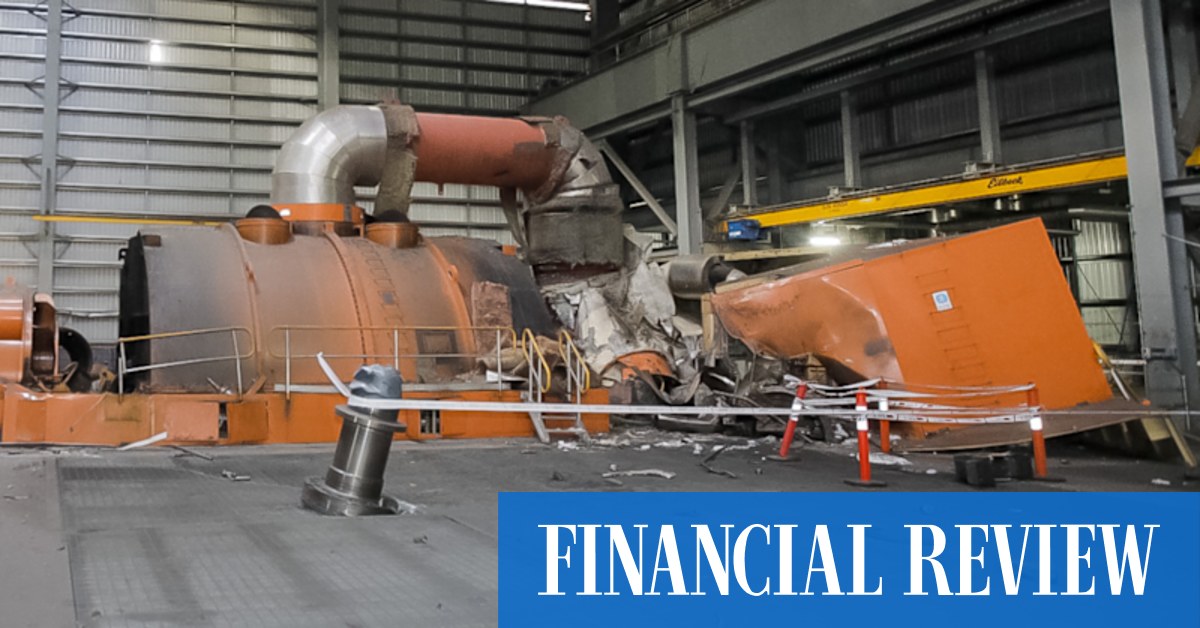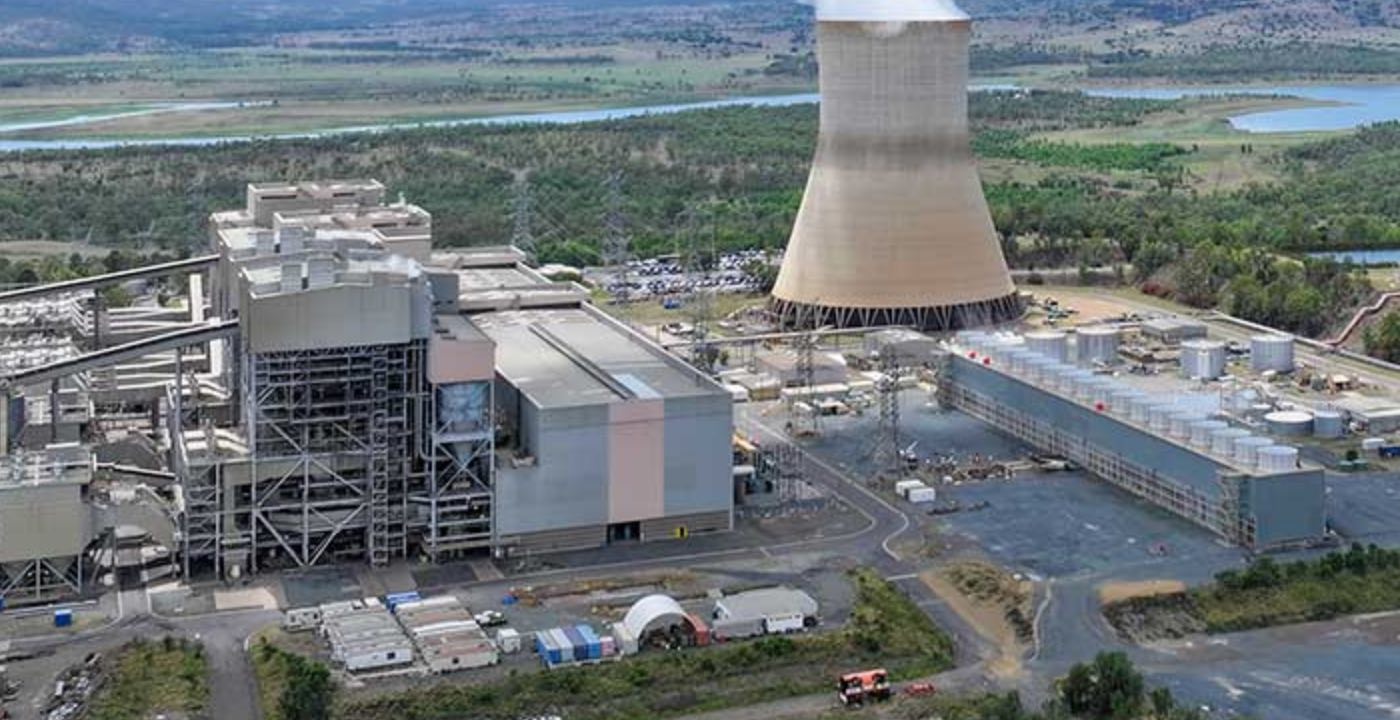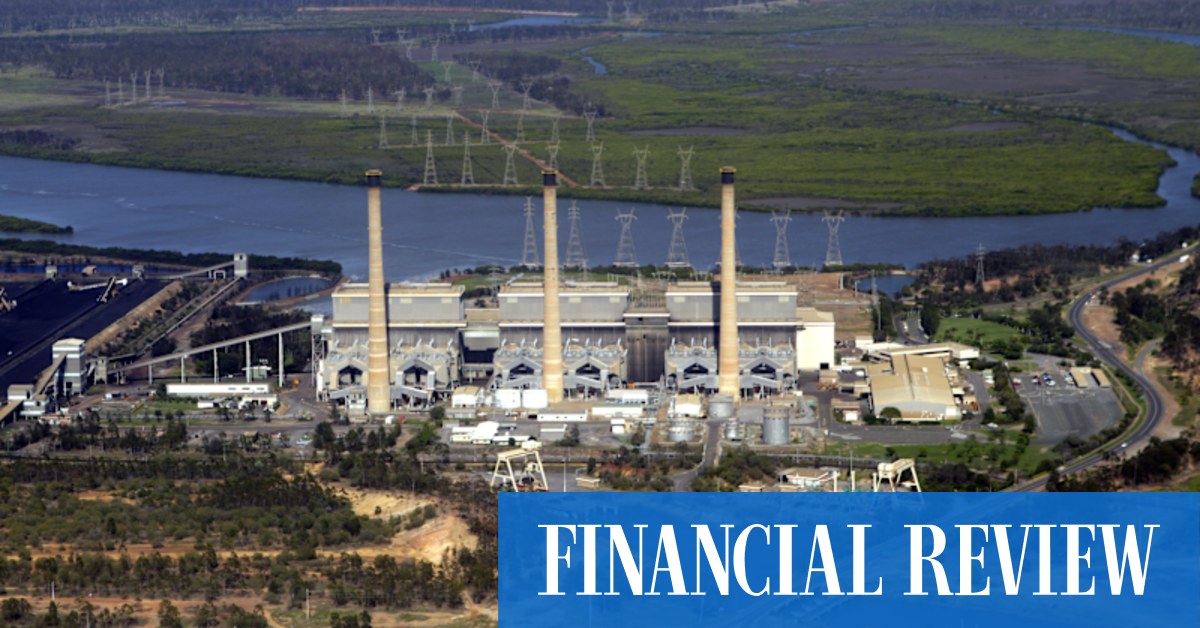
June 22, 2026 — 4:01pmThe foreign investment firm which owns half of a troubled central Queensland coal-fired power station has sued its state-owned partner for more than a billion dollars.The action, taken by Czech-based investment firm Sev.en Global Investments, was filed in the Federal Court on Friday, and alleged the state-owned CS Energy has mismanaged the Callide C Power Station.CS Energy’s Callide power station near Biloela.CS Energy owns their half of the plant, which has two electricity generating units known as C3 and C4, through another subsidiary called Callide Energy, while Sev.en used their own subsidiary, IG Power.Callide C was completely offline for almost 18 months due two major accidents plant in 2021 and 2022.A May 2021 explosion at C4 occurred when workers were attempting to switch in a new battery charger to service unit, caused 400,000 houses to lose power.CS Energy brought in forensic engineer Dr Sean Brady to investigate, who found risk assessment protocols had not been properly followed.The C4 unit at Callide power station in Queensland blew up in May 2021. AFRC4 was offline for more than three years, with Sev.en claiming it lost more than $250 million from zero revenue and repair works.In October 2022, a cooling tower at C3 collapsed, which led to both C3 and C4 cooling towers being replaced, which Sev.en alleged came at the cost of $330 million.The cooling tower collapse caused C3 to be pulled offline nearly 18 months, meaning the entire plant had no output between November 2022 and April 2024.The claim stated two reports found the towers had been mismanaged by CS Energy, who allegedly ran the towers with chlorine and pH levels above guidance levels for several years, and failed to repair and inspect the towers as suggested in earlier reports.Sev.en claimed the two incidents have cost the company more than $290 million to rebuild and “many hundreds of millions of dollars in foregone profits”.Without income from the plant during the time when both C3 and C4 were out of action, IG Power went into voluntary administration, which the claim stated cost $36 million.In 2025, there was another explosion, this time in the C3 boiler, which Sev.en alleged was due to CS Energy’s poor management of solid built-up ash (known as clinkers).That explosion caused C3 to go offline again, this time for just under two months.Sev.en also accused CS Energy of breaking consumer law by failing to disclose safety process deficiencies, which it claimed were identified in numerous audits and complaints.Seven’s manager of Australian business said the firm had hoped the situation could be settled outside of court.“Sev.en Global Investments has been a long-term investor in Australian energy infrastructure and we have commenced these proceedings only after an extended period of engagement and careful consideration,” he said.A CS Energy spokesperson said they would be defending the allegations made in the claim.Start the day with a summary of the day’s most important and interesting stories, analysis and insights. Sign up for our Morning Edition newsletter.From our partners
State-owned power company sued for $1 billion over troubled coal-fired power station
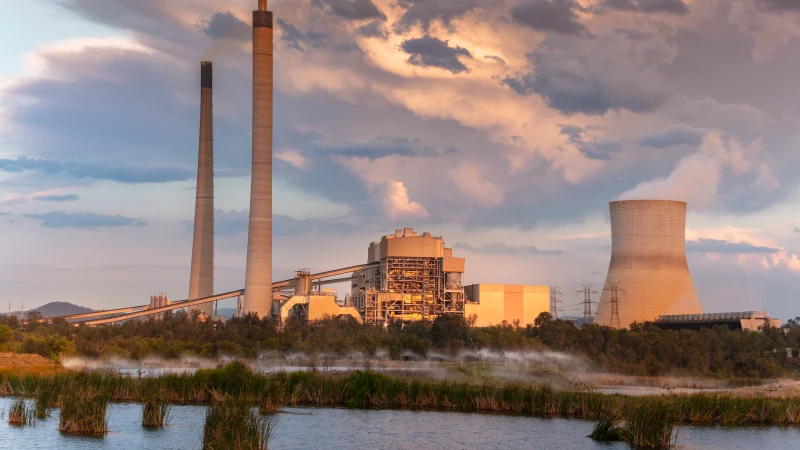
An explosion in 2021 and a cooling tower collapse in 2022 meant the Callide C power station was out of action for almost 18 months.
498 words~2 min read