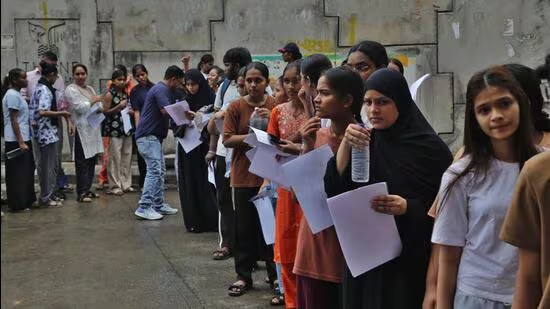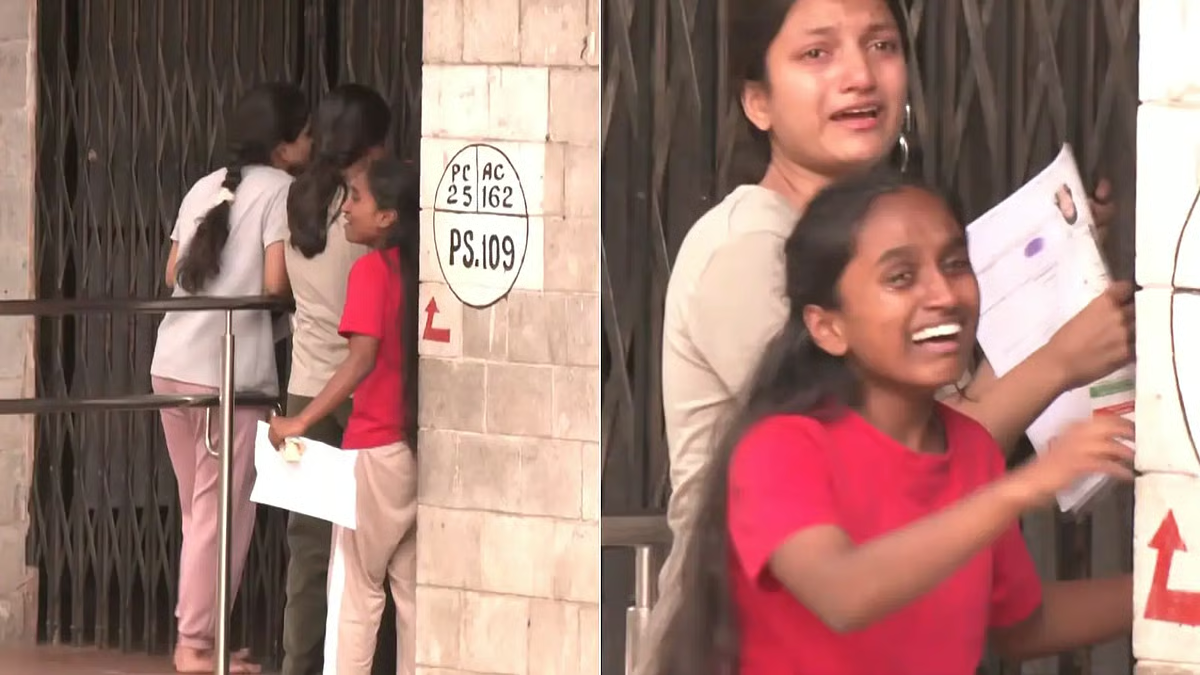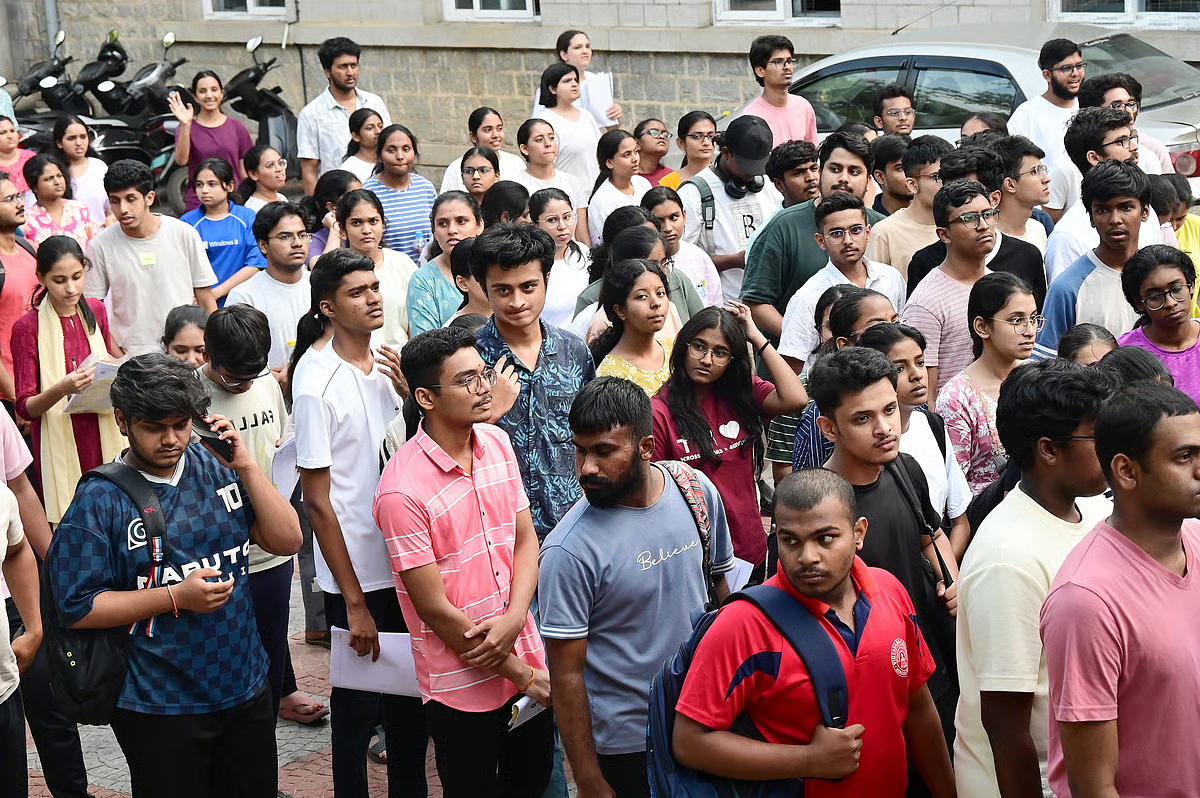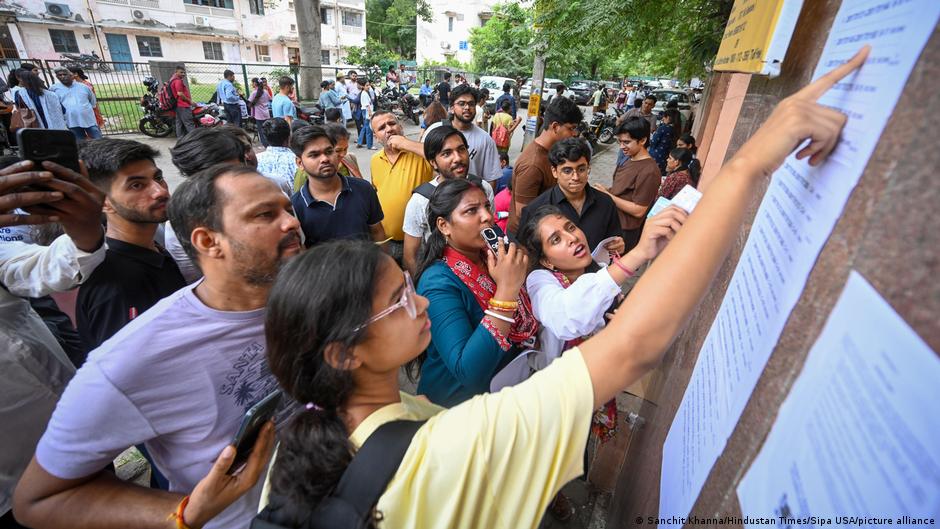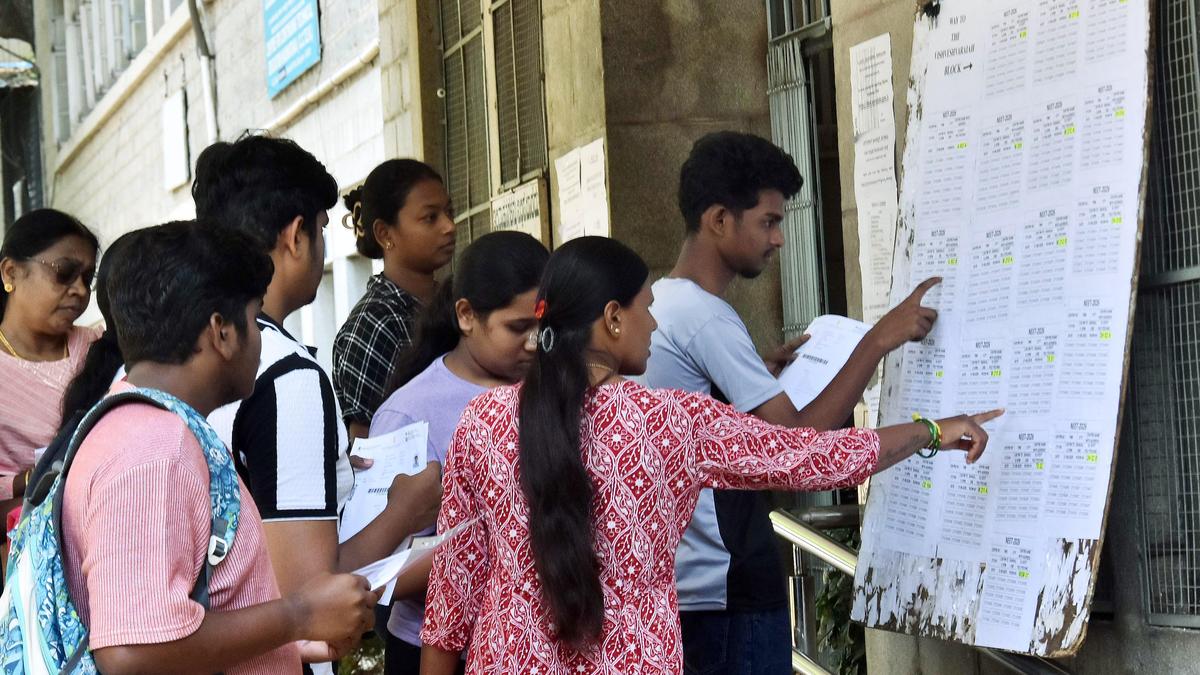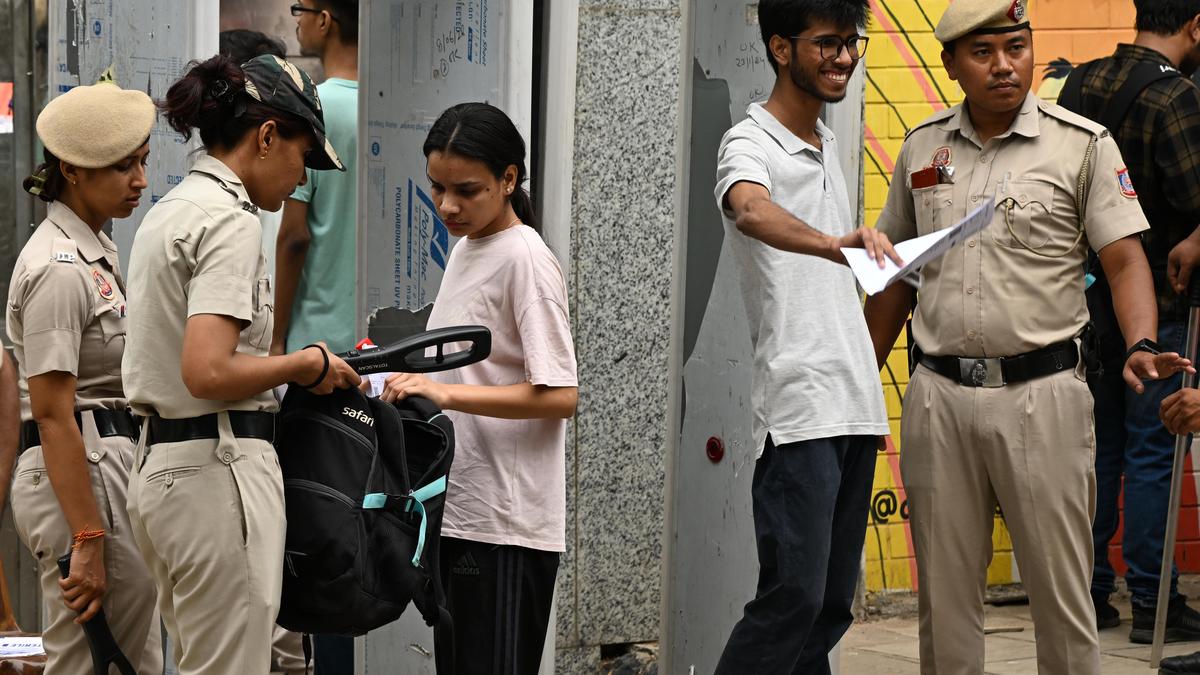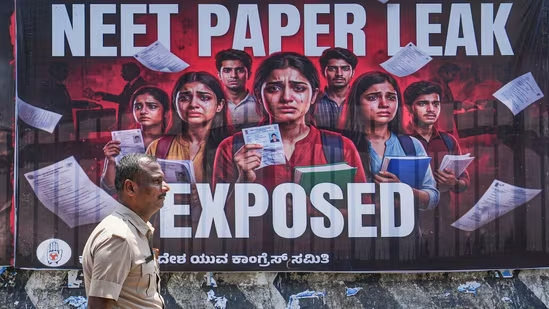
Heartbreaking videos of several students crying outside NEET exam centres after being denied entry have surfaced online, triggering widespread outrage on social media. In one of the videos, three girl students can be seen crying after missing their opportunity to appear for the examination in Bengaluru, Karnataka. One X user claimed that one of the students had scored over 680 marks out of 720 in a previous NEET examination, yet was not allowed to appear for the re-NEET because she allegedly arrived late.In another video, a father is seen repeatedly hitting his head against a gate before collapsing after his daughter was reportedly denied entry to the examination hall. He can later be seen lying on the ground and shaking following the impact.The videos have sparked a heated debate online.— ians_india (@ians_india) "Behind every aspirant stood parents carrying years of hopes, sacrifices, and dreams—making the moment even more emotional," wrote one X user.Dr. Neelam Singh, popularly known as The Skin Doctor, wrote: "I'm sure most of us have, at least once in our lives, woken up terrified from a dream where we missed an exam because we were late. We all know that sinking feeling in the pit of the stomach, the panic, helplessness, and regret.That's why this video is so painful to watch. These students missed their NEET after getting stuck in a political rally in Bengaluru. Many would argue that since it wasn't their fault, they should have been allowed to enter. After all, they wouldn't have gained any advantage; they would simply have had less time to write the exam.I understand that sentiment. It comes from a place of empathy, and that's a good thing. But large public exams cannot be run purely on emotions. They require clear, objective, and uniformly enforced rules. The purpose of a reporting-time cutoff isn't to punish late candidates; it's to ensure that every candidate is treated according to the same standard.Once exceptions begin, the rule itself loses meaning. Why allow someone 5 minutes late but not 15? Why make an exception for one reason and not another? Imagine the chaos at thousands of exam centres if you leave entry times to discretion. In exams involving lakhs of candidates, fairness lies not in evaluating individual circumstances but in applying the same rule to everyone without discretion.In addition, examination centres are designed to complete security checks, identity verification, seating arrangements, and other protocols before the exam begins. Late admissions can create operational and security complications and may undermine confidence in the integrity of the examination process.It's heartbreaking for the students. One can sympathise with them and still accept that the authorities were right to enforce the cutoff. Sometimes a decision can be both unfortunate and correct at the same time."
'Why allow someone 5 minutes late but not 15?': Heartbreaking videos of students crying after being denied entry to NEET exam hall surfaces
Distressing videos show students denied entry to the NEET exam, sparking public outcry. One student, reportedly scoring over 680, missed the re-exam due to alleged lateness. While empathy is understandable, authorities emphasize strict adherence to reporting times for fairness and exam integrity. Operational and security protocols necessitate uniform enforcement, even when decisions are unfortunate.
TL;DRAI
NEET exam candidates denied entry due to traffic from a political rally; one had scored 680/720 previously, sparking outcry over strict cutoff enforcement. The debate illustrates governance design: uniform rules prevent discretion-based fraud and operational chaos, yet inflexible edge-case handling undermines public confidence in fairness.
457 words~2 min read