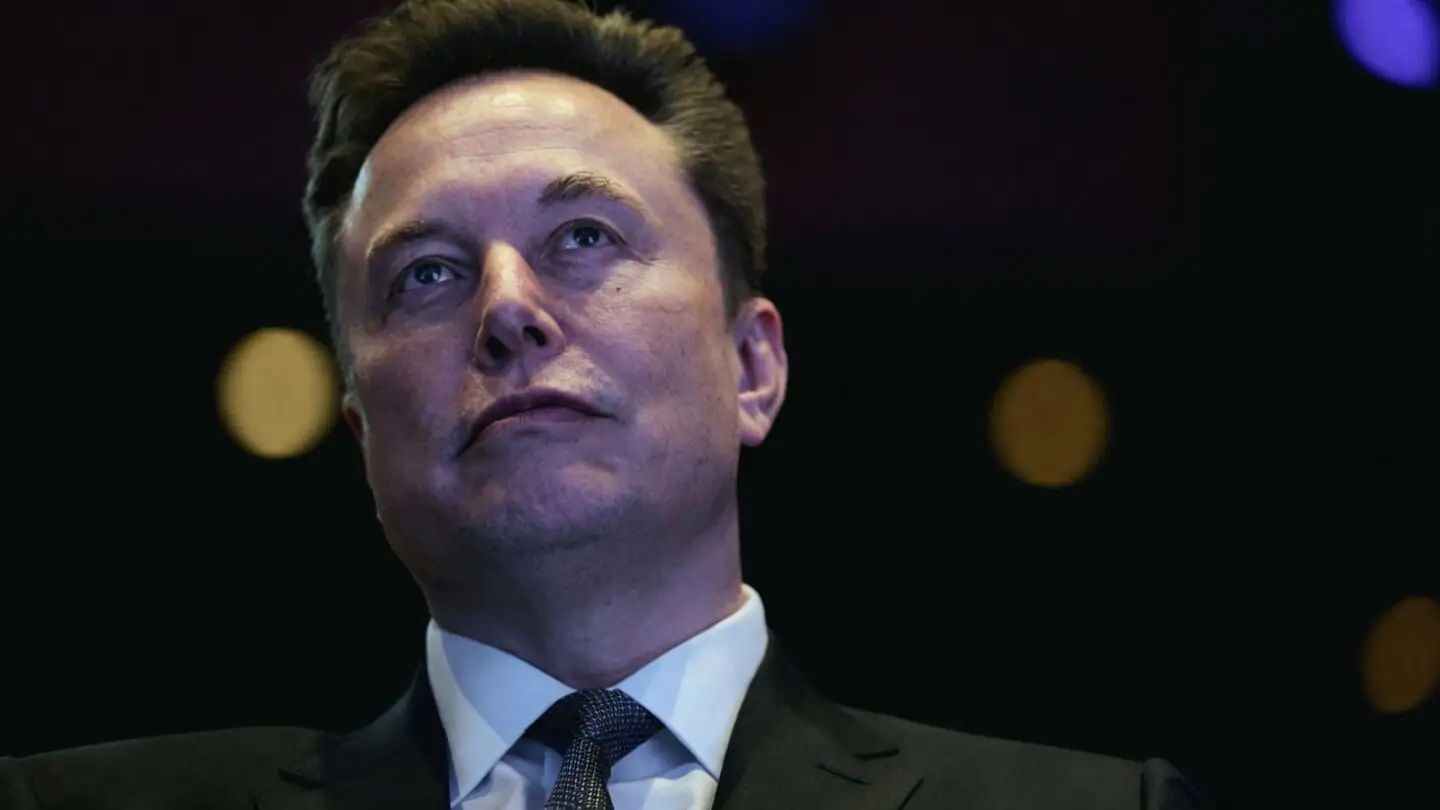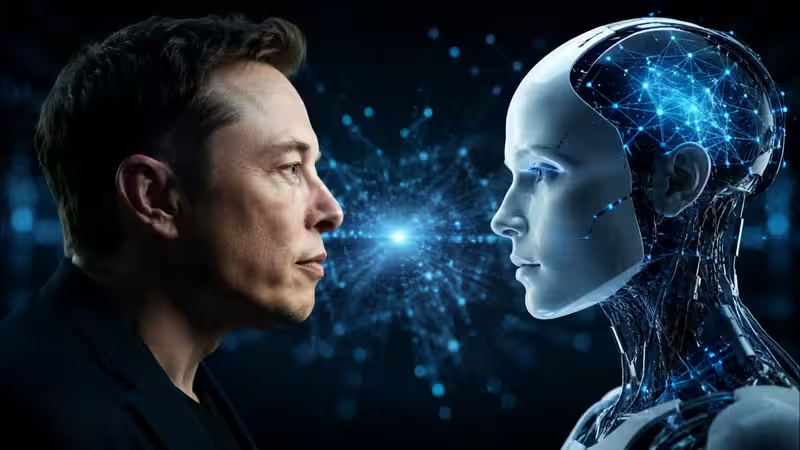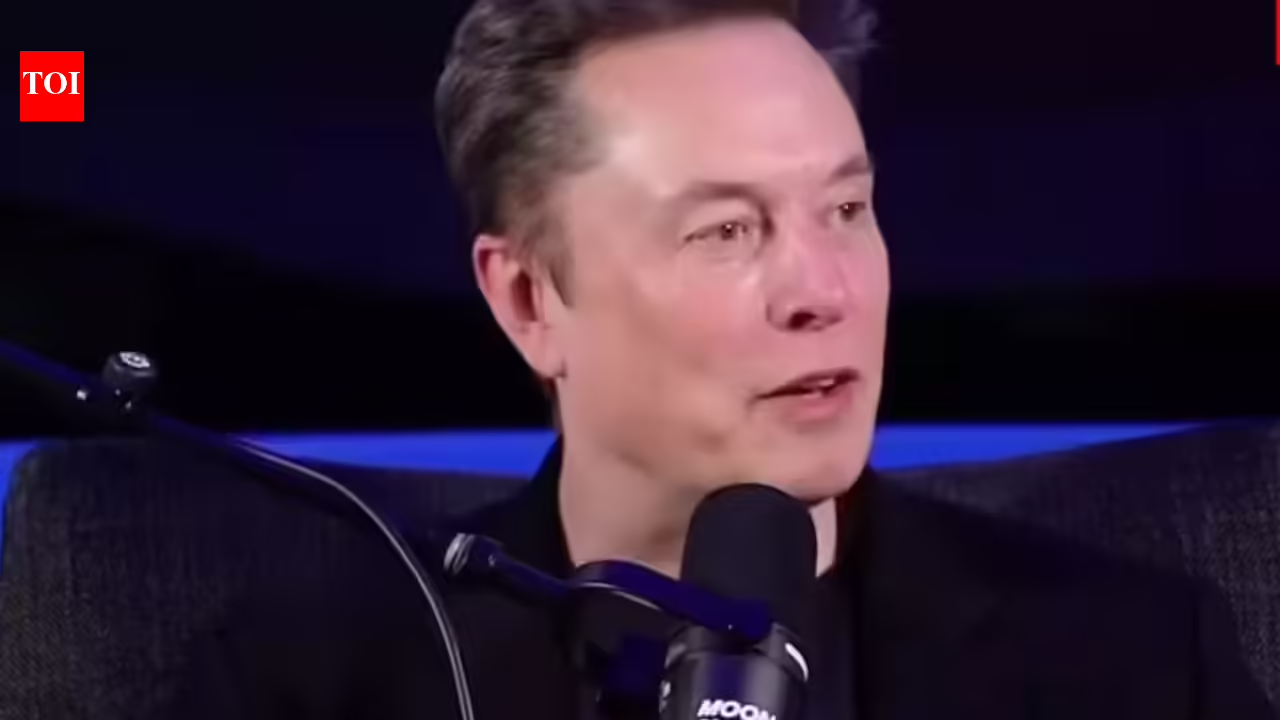
For a long while now, the discussion of artificial intelligence has revolved around where it would go in the future. To some people, it would continue to be an efficient tool for automation and research purposes. To others, it would serve as a basis for an even bigger change, affecting economies, industries, and everyday life on a large scale. Once again, the entrepreneur's recent tweet has attracted attention regarding the development of AI technology, as he believes that there will be a point in time when machines will have the intellectual abilities to surpass those of the entire human race. Such a prediction was made during a time when AI technologies are rapidly developing, investments are increasing, and competition among technology companies is becoming tougher. The remarks made by Elon Musk provide an idea of what the future tech leader sees in the near future. Elon Musk's latest AI remarks suggest about the future of AI and humanityThe latest discussion emerged through a social media exchange focused on human innovation and future expansion beyond Earth. Elon Musk’s tweet on 22 June 2026, ‘AI probably exceeds the sum of all human intelligence in 4 or 5 years’.The statement was brief, yet it carried significant implications. Rather than comparing AI to individual experts or specialists, the comparison involved the total intellectual capability of humanity. Elon Musk's view reflects his vision that AI development is moving faster than many people expect.Musk's vision of an economy powered by machinesAlongside predictions about intelligence, Musk has been describing a future where automation dramatically expands economic output. His vision centres on a world in which machines perform much of the labour currently carried out by people. Factories, construction sites, warehouses, and transport networks could operate with far less human involvement than they do today.The Executive Chairman of the X Prize Foundation’s tweet, ‘Abundance isn’t just more compute and more energy. It’s more minds. More people are free to invent, create, and solve. The ceiling on human genius has always been the size of the human population, and their access to tools and resources. As humanity moves into space we shatter all limitations.’The phrase "abundance" has appeared repeatedly in Musk's public comments this year. This suggests that humanity's greatest strength is human creativity and intelligence. By giving more people access to resources and eventually expanding into space, innovation and problem-solving could grow far beyond today's limits.What happens to jobs when AI does more workAs AI and robotics become more capable, questions about employment continue to follow. Musk has argued that societies may eventually need new ways of thinking about income and economic participation. If machines can perform a growing share of productive work, traditional links between employment and financial security could weaken.Rather than predicting widespread unemployment alone, he has described a future in which living standards rise because technology generates vast amounts of value. Under such conditions, people might enjoy access to resources and services regardless of whether they hold conventional jobs.Growing role of Optimus in Tesla's futureArtificial intelligence is only one part of Musk's broader picture. The other is robotics. Tesla's humanoid robot programme, known as Optimus, continues to occupy an increasingly prominent place in the company's long-term plans. The machine is intended to handle repetitive and physically demanding work, particularly in environments where automation may reduce costs or improve efficiency.The project remains under development, yet Musk has repeatedly indicated that he sees considerable potential in humanoid robots. In his view, such machines could eventually move beyond industrial settings and become common in a wide range of workplaces.
‘AI probably exceeds human intelligence in 4 or 5 years’: Elon Musk's bold prediction sparks debate over the future of AI
For a long while now, the discussion of artificial intelligence has revolved around where it would go in the future. To some people, it would continue to be an efficient tool for automation and research purposes.
TL;DRAI
Musk predicts AI exceeds human intelligence in 4-5 years (June 22, 2026), signaling faster acceleration than market expects. For tech leaders: automation could reshape employment; Tesla Optimus emerges as strategic asset in labor-substitution economy.
591 words~3 min read