For consumers, the moratorium’s lifting doesn't automatically mean fees will go up. But regulators still need to tweak their incentives so that the new pricing regime pushes costs down rather than give payment providers room to charge more.
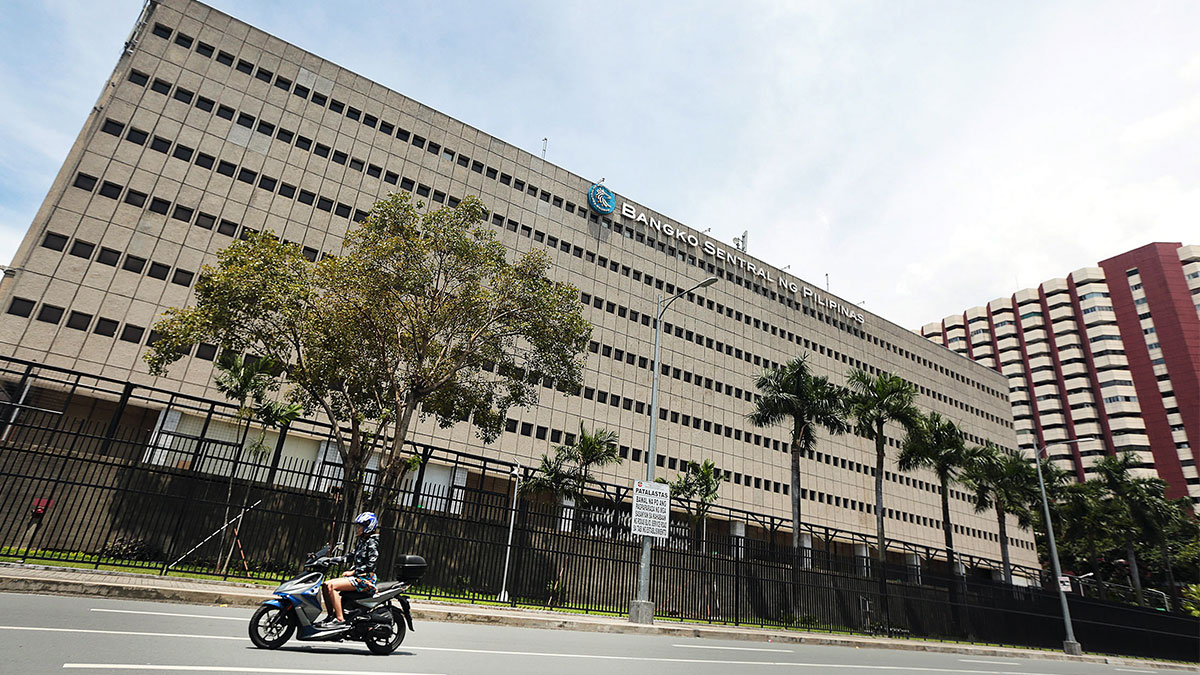
MANILA, Philippines – For nearly five years, the Bangko Sentral ng Pilipinas (BSP) has kept a lid on increases in digital transfer fees. Now that the freeze has been lifted, will fees go up, or can regulators and the government push them lower?
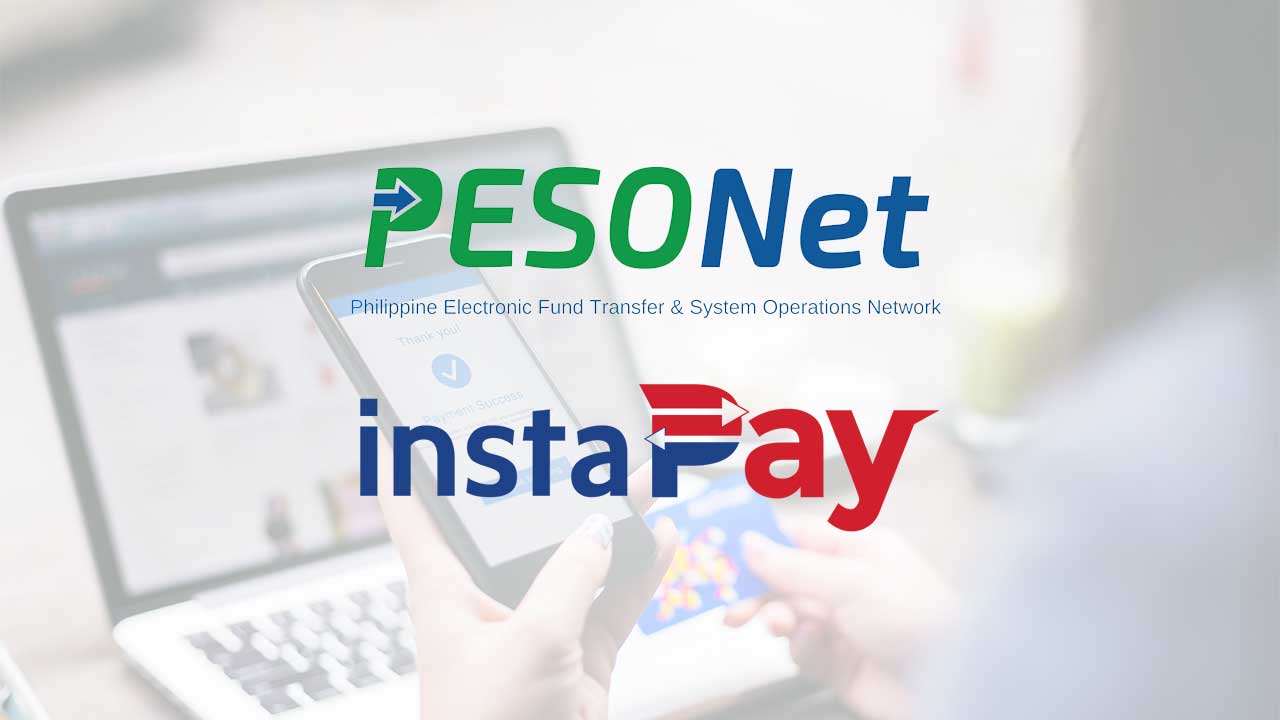
The BSP, through Memorandum No. M-2026-025 and Circular No. 1238 issued on June 17, has cleared the way for payment service providers to adjust fees for InstaPay and PESONet transactions under a new pricing framework.
For consumers, these are the fees typically charged when sending money between bank accounts or e-wallets. Currently, institutions charge anywhere from P5 to upwards of P50, according to a report by the BSP.
The ban was first implemented back in 2021, during the pandemic-era acceleration of digital payments. At the time, the BSP wanted to sustain the shift to cashless transactions and prevent banks and other payment players from raising transfer charges just as more Filipinos were relying on online channels.