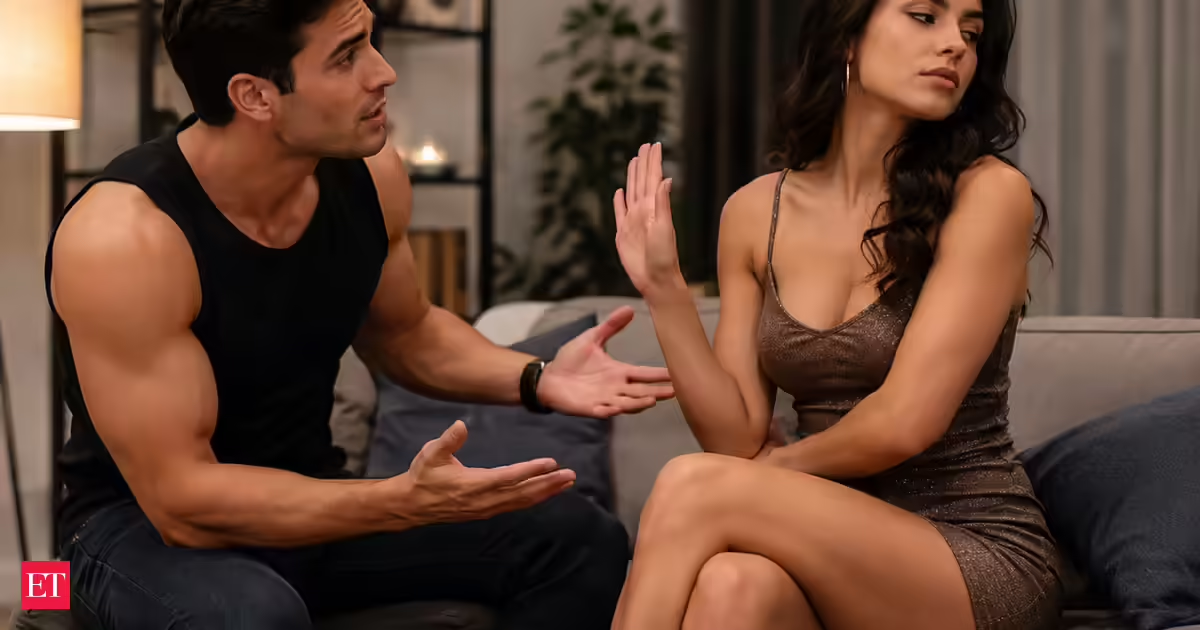
Proverb of the day: Proverbs often capture complex truths about human relationships in a few memorable words, and today's saying is no exception. This proverb uses a simple yet powerful image to explain how influence and responsibility operate within a family. While one person may appear to hold authority, another may quietly shape decisions, provide guidance, and influence the direction that authority takes.Rather than focusing solely on power, the proverb highlights the importance of cooperation, trust, and mutual respect in building a successful family.“The man is the head of the family, but the woman is the neck that turns the head.”Understanding the Meaning of the ProverbAt its core, the proverb compares family dynamics to the relationship between the head and the neck.The head is commonly associated with leadership, decision-making, planning, and direction. It represents authority and responsibility.The neck, however, performs a less visible but equally important role. It supports the head and determines where it turns. Without the neck, the head cannot move freely or function effectively.The proverb suggests that influence does not always come from the most visible position. Sometimes, those who work behind the scenes play a significant role in shaping decisions, perspectives, and outcomes.A Reflection on Influence and PartnershipOne reason this proverb has remained popular is that it recognizes a reality often found in families and relationships: influence can take many forms.Some people lead through authority, while others lead through advice, encouragement, emotional intelligence, or quiet persuasion. The proverb acknowledges that relationships are rarely defined by one person alone.In many households, important decisions emerge through discussion, compromise, and mutual understanding rather than unilateral control. The saying reminds us that strength often comes from working together rather than competing for dominance.The Hidden MessageThe deeper lesson of the proverb is that power without support is limited.A leader may make decisions, but wise decisions often depend on insight, feedback, and guidance from trusted people. The proverb encourages us to recognize that influence is not always loud or visible.It also highlights the value of respecting different contributions within a relationship. Leadership may provide direction, but wisdom, encouragement, and emotional support often help determine whether that direction is successful.The saying ultimately suggests that healthy relationships depend on cooperation rather than hierarchy.Why It Still Matters TodayModern families and relationships are shaped by changing roles, shared responsibilities, and evolving expectations. Yet the central message of this proverb remains relevant because successful partnerships continue to rely on communication, trust, and mutual respect.Today, leadership within a family is often shared in different ways. One person may take the lead in certain areas, while another may provide guidance and support in others. The proverb reminds us that both visible leadership and behind-the-scenes influence are valuable.It encourages people to appreciate not only those who make decisions but also those who help shape them.Ultimately, “The man is the head of the family, but the woman is the neck that turns the head” teaches that lasting relationships are strongest when influence, responsibility, and respect flow in both directions. A family thrives not when one person holds all the power, but when people work together toward a common purpose.
Best proverb of the day: “The man may be the head of the home, but the woman is...” - Life lessons on respect, shared responsibility and partnership
Proverb of the day: The proverb “The man is the head of the family, but the woman is the neck that turns the head” highlights the importance of influence, cooperation, and mutual respect within relationships. It suggests that leadership and guidance often work hand in hand, reminding us that strong families are built through partnership rather than power alone.
518 words~2 min read