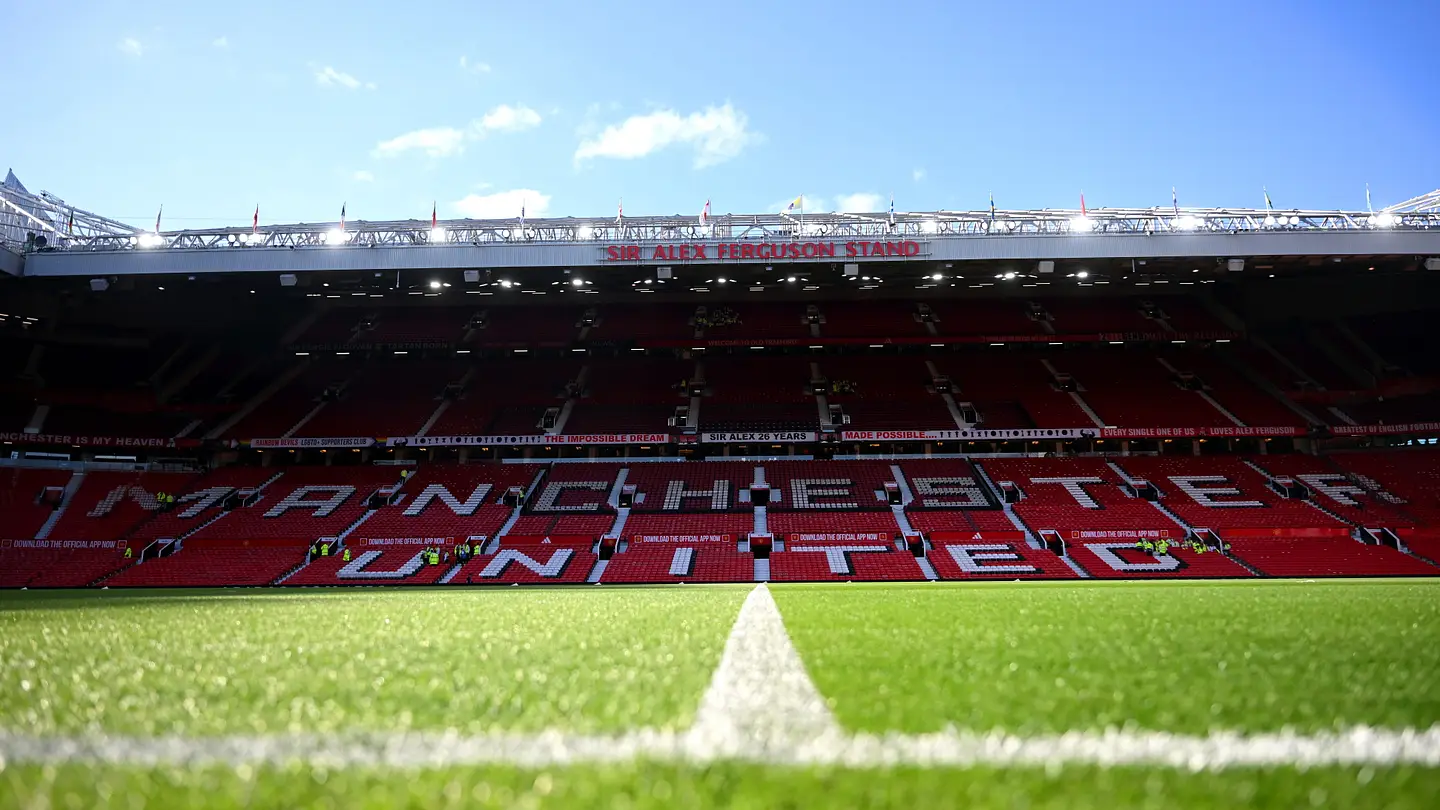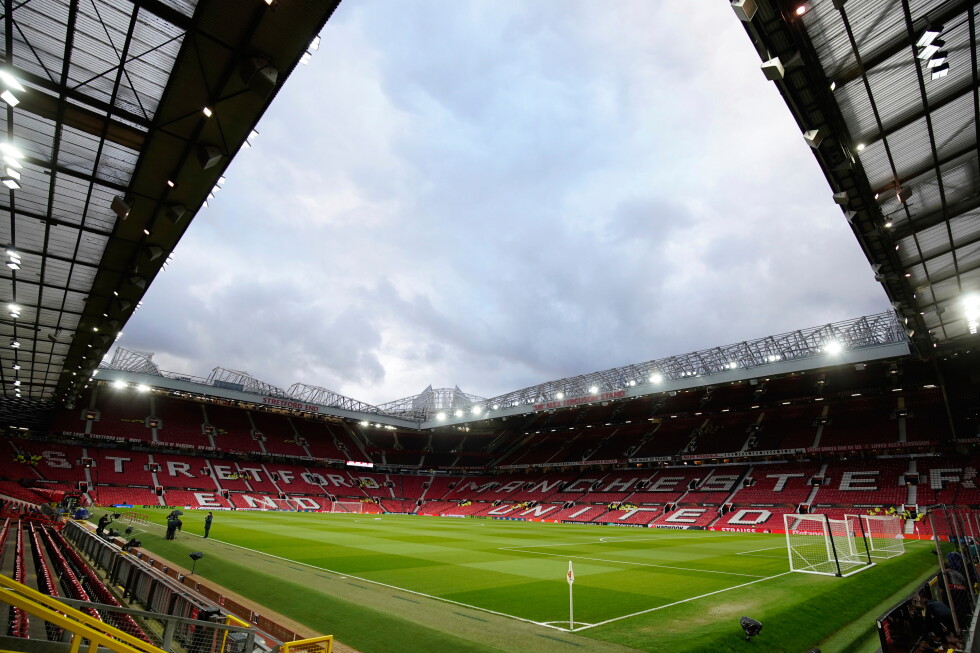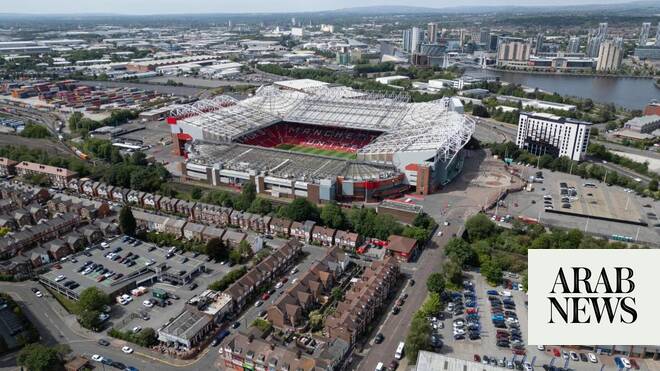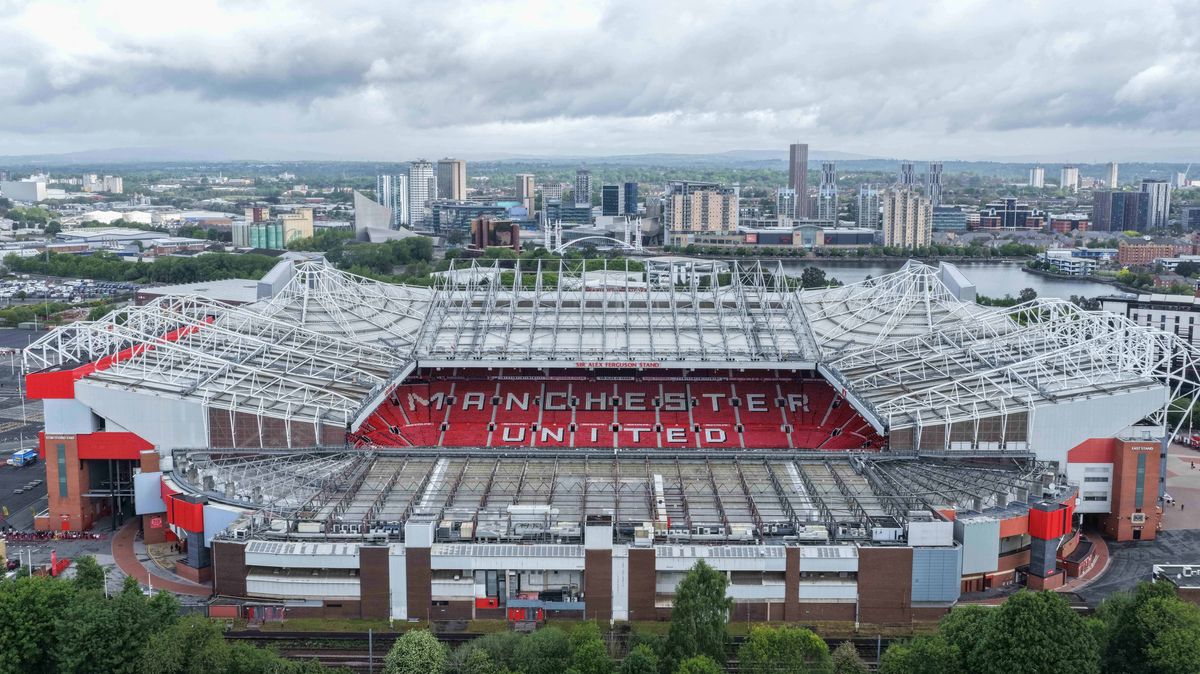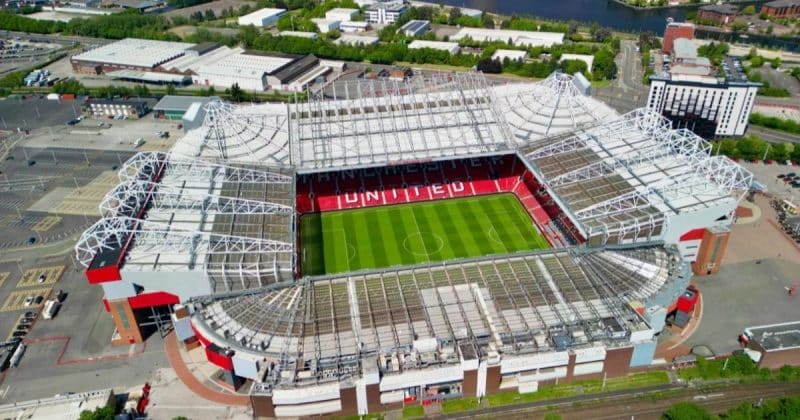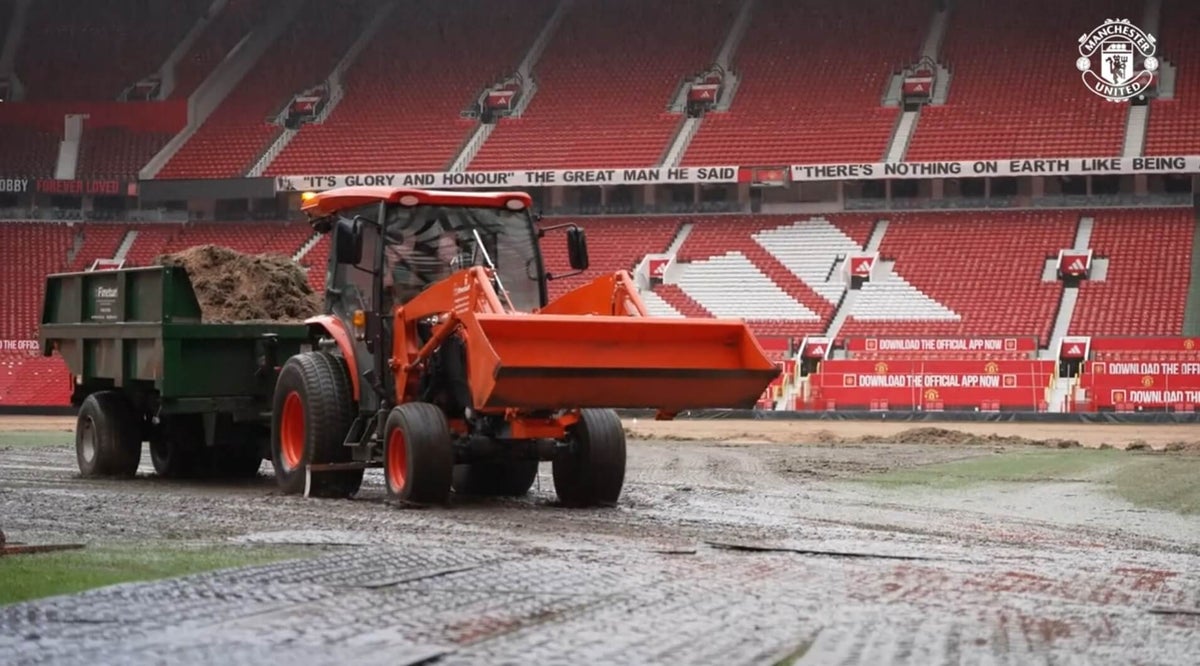
Old Trafford does not look like Old Trafford right now, as Manchester United are installing a completely new pitch for the first time in 14 years.Heavy machinery is operating where players usually run, with the work taking place following a set of games in which fans were invited to take part after the end of the season. Where there was grass, now it is all brown — just like the pitch was in the winter during the 1970s and 1980s.The Athletic spoke to Gary Hemingway, chief operations officer for Manchester United and a Salford-born United fan who stood on the Stretford Paddock as a kid. He’s been working at the club since 2025.Why are you changing the Old Trafford pitch now?Hemingway: “We’re taking a view that now is the time to replace it because if we’re going to be moving from the current stadium, the existing pitch is not going to last.“Imagine a cross-section through the pitch: you’ve got what you can see at the top, which is the green grass zone, the plant. Below that, you have the upper root zone and there’s a lower root zone. It’s about 150 to 170 millimetres deep and that’s stitched with plastic. Below that, we have the under-soil heating and then below that, drainage.“There are four layers to this and in total, it’s about 500mm. What we’re doing in this exercise is removing the plant, removing the upper root zone and removing the lower root zone, so we’re going down to the under-soil heating.“And we’re doing this because, over time, the top layers get compacted with all the activity. When you get compaction, you get less water infiltration and drainage. And that’s our concern. Against Chelsea last season, it poured down. We had 25mm of rain during the game; an incredible amount. The pitch was on the cusp of becoming waterlogged. But it didn’t because of what the ground staff have done over the years. The ball kept rolling. And we won. This pitch didn’t have a single fixture impacted, but we must look to the future and our concern would be that, five years from now, the same level of rain could waterlog the pitch if we didn’t change it.”Who replaces Casemiro at Manchester United?Mark Carey and Rachael TindeHow long should this work take and when did it start?“It started on June 11. So far, we’ve removed about 2,000 tonnes of material to get down to the under-soil heating. We’re now building the root zone back up and levelling it off. We’ll seed it by the end of this month and then we’ll watch the grass grow. We’ll water it, we’ll nurture it. It’s going to receive some care and attention like mowing, and eventually, it’ll be ready for the start of the season.”Where does the old pitch go, the 2,000 tonnes of material?“We lift the plant, we lift all the soil, the sand and recycle everything. We separate the plastic from all the soil and sand. And all the other material, again, is recycled, going into landscaping and other building projects.”The old pitch is recycled (Manchester United)Describe the Old Trafford pitch to someone who doesn’t really understand pitches“Pitch technology has moved on from the 1960s, 70s and 80s, when we watched games on what could sometimes be mud baths. We moved on from indigenous-type pitches — basically just a grass you’d find in the local park, to what we call fibre sand pitches, which is a mixture of sand and other fibres below the grass level to try to improve drainage.“Later technology brought hybrid pitches: as well as the actual grass — the plant — about three per cent of the pitch is plastic stitching. That gives it much more structure and helps players have stability as they’re moving around. We’ve had a hybrid pitch that was laid about 14 years ago. They last around about 10 years but we’ve managed to eke out the life of the current pitch to 14 years, and that’s testament to Tony Sinclair, our award-winning head groundsman and a fantastic servant with 37 years at the club, and his team.”What are the challenges with a pitch?“We want to make sure we’ve got a consistent playing surface, both at the training grounds and at Old Trafford. We monitor the quality of the pitch and it’s all about how you treat it to keep the nematodes at bay, to make sure there’s enough light, enough water, and it’s all about sharp blades so you don’t stress the plant. It’s all about the length of the grass and you monitor the water content. We can measure infiltration rates, we can measure the hardness of the pitch, and that’s basically it.”Nematodes?“These are a parasitic-type worm that can eat the root and destroy the plant. One of the treatments is garlic in a liquid form that is put onto the grass. You can smell the garlic when we’re treating the pitch.”Will the pitch be in the same position? Are there other changes?“We’re removing the pitch and we’re putting it back in the same position. But there will be other changes. If you’re in the South Stand and you look at the pitch, the natural grass only extends about 50mm beyond the touchline, and then it’s Astroturf, and then it goes down the bank where there’s brick.“We’re going to replace that Astroturf on the top level with natural grass and that’s for player safety reasons. Imagine if you’re running along the touchline and then you get one foot and the studs on the Astroturf. It’s a different surface and you could get a jarring motion. We’re extending the pitch to eliminate that risk. There’s also a drop-off and we’re going to put some impact padding in certain areas to protect players, so player safety is part of this as well.”Will players notice any difference in the pitch?“If we’ve done our job properly, no. We’re replicating exactly what we have, which was still a very, very good pitch. There’s an annual competition run every year for the Premier League pitches and Tony has done exceptionally well over the years, winning Pitch of the Year numerous times. And it got a commendation this year as one of the top five, despite being 14 years old. The only thing we want to be certain we evolve and eliminate is the waterlogging issue, so we can make sure we get the drainage tight.”How many people are working on the job and how big a deal is it?“Around 50 directly. The heavy machinery comes through the tunnel in the Stretford End. They are stripping the pitch down, moving materials out, bringing the materials back in, reseeding. There’s 400 kilograms of seed that goes down, 55 grams per square metre. Then stitching, then cultivating, mowing and line marking. We do laser scanning to record the levels. And then as we’re laying the new pitch, again we use laser scanning to make sure we’ve got exactly the right levels. It’s a significant undertaking to do this, but it’s the right thing to do. We all want to achieve success.”Heavy machinery operating on the Old Trafford pitch (Manchester United)What’s your own grass like at home?“I’m at Carrington today, but I spend two or three days a week at Old Trafford and I marvel at the pitch. You see the work on it, the care and attention from Tony and his team. I look at it and then I go home at the weekend, and I’m on my lawn and I think: ‘I wish I had a pitch like Old Trafford’.”
Manchester United’s first new pitch in 14 years involves 50 people, liquid garlic and nematodes
Old Trafford looks barely recognisable at the moment as the playing surface is transformed over the summer
1,262 words~6 min read